
Haunted House Disclosure Laws: A Seller’s Legal Guide Explained
Understand disclosure rules, buyer expectations, and practical strategies before you put a haunted or stigmatized home on the market.
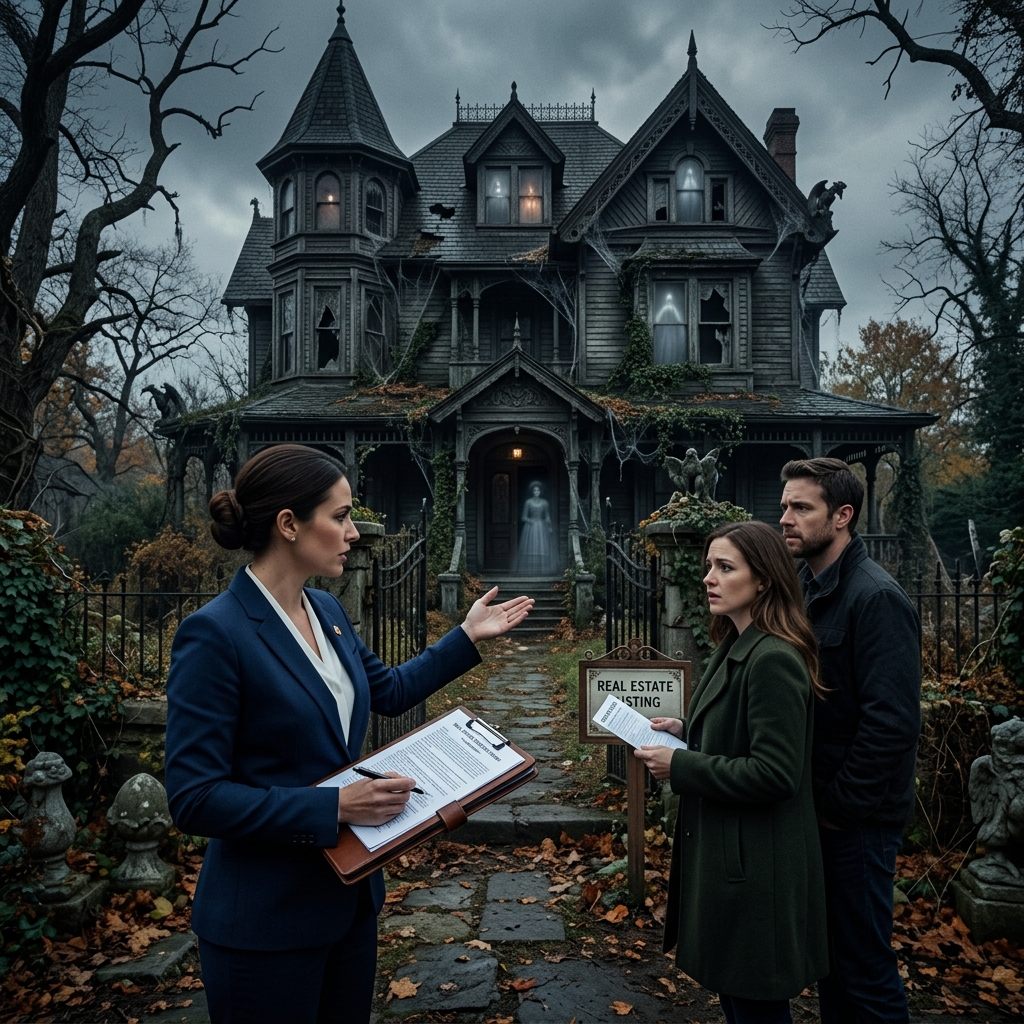
Stories of creaking floorboards, unexplained cold spots, and strange noises can be entertaining at Halloween, but they take on a different tone when you are trying to sell your home. In real estate, a property with a reputation for being haunted or connected to tragic events is often called a stigmatized property. Understanding how the law treats these reputations is crucial before you list the house for sale.
This guide explains how haunted and stigmatized homes are handled under U.S. law, when you may need to disclose information to buyers, and how to use contracts and good communication to protect yourself. It draws on examples from state statutes and court decisions to help you navigate this unusual corner of real estate law.
What Makes a Home “Haunted” in Legal Terms?
From a legal perspective, the question is not whether ghosts are real but whether the property has a reputation that could affect its value, marketability, or a buyer’s decision to purchase. Lawyers and courts often group these situations under the broader concept of psychological stigma rather than physical defects.
- Haunted reputation: The property is widely known in the community, the media, or online as a haunted house.
- Past deaths: Homicide, suicide, or other deaths that occurred on the property and might disturb some buyers.
- Prior criminal activity: Drug manufacturing, violent crime, or other illegal activity that took place in or around the home.
These conditions differ from physical issues such as structural damage or roof leaks. Physical defects are generally material and must be disclosed; psychological stigmas are treated differently and are often subject to specific statutes or case law.
Key Legal Concepts: Material Defects vs. Psychological Stigma
Most U.S. states base real estate disclosure rules on the idea of a material defect, meaning a problem that substantially affects the value, safety, or habitability of the property. Paranormal activity and past deaths rarely fall into that category explicitly.
| Type of Issue | Example | Typical Disclosure Treatment |
|---|---|---|
| Physical defect | Leaking roof, foundation cracks | Usually must be disclosed as a material defect. |
| Psychological stigma | Past suicide, homicide, alleged haunting | Disclosure often limited or not required; rules vary by state. |
| Prior criminal activity | Drug lab, organized crime activity | Sometimes must be disclosed if it affects safety or value; often only on request. |
Some states explicitly state that psychological stigmas, including alleged hauntings, are not material defects that require automatic disclosure, while others focus more on specific events such as deaths or violent crime.
How State Laws Differ on Haunted and Stigmatized Homes
There is no single national rule governing sales of haunted houses. Instead, laws vary widely by state and sometimes even by city. The following patterns appear in many jurisdictions:
- Buyer-beware states: Many states follow a traditional “buyer beware” approach for psychological stigmas. Sellers usually do not have to volunteer information about deaths or alleged hauntings unless a specific statute says otherwise.
- Limited disclosure of deaths: A few states, such as California, Alaska, and South Dakota, require disclosure of certain deaths that occurred on the property, often within a defined period like three years.
- Disclosure upon request: Some states require sellers or agents to answer truthfully when a buyer asks about deaths, crimes, or paranormal activity, but do not require them to bring it up unprompted.
In New Jersey, for example, regulations state that alleged paranormal activity or similar psychological impairments are not material defects. Sellers and agents must disclose them only when buyers explicitly ask. Minnesota has a statute that explicitly excludes perceived paranormal activity and certain deaths from required disclosure.
These differences underline how important it is to check the law in your specific state or to speak with a local real estate lawyer before deciding what to tell prospective buyers.
When a Haunted Reputation Must Be Disclosed
Even in buyer-beware jurisdictions, there are situations where a haunted reputation can become legally significant. Courts may focus on whether the reputation is well known and whether the seller contributed to it.
One often-cited example is a New York case in which a home’s haunted status had been publicized by the owner and widely reported in the media. The court held that the seller could not deny the reputation and allowed the buyer to back out of the purchase based on failure to disclose that publicized condition.
From that and similar guidance, the following practical triggers can make disclosure more important:
- You have publicly promoted the home as haunted, such as in news articles or guided tours.
- The property appears in well-known local lore, and many community members know it as a haunted attraction.
- There was a widely reported violent crime or shocking event at the house that remains easily discoverable in public records or media.
In such cases, failing to disclose may not always violate a statute, but it can create grounds for contract disputes or claims that the seller misled the buyer. That risk increases when the reputation is closely tied to statements the seller made directly.
Deaths, Crimes, and Other Events: What Buyers Often Want to Know
While not all buyers care about psychological stigmas, many do. Some want to avoid properties where serious crime or death occurred, even if it does not affect safety or physical condition. Others are interested in the history for cultural or personal reasons.
Common areas of concern include:
- Homicide or violent assault on the property or immediately nearby.
- Suicide or other traumatic deaths in the home.
- Natural deaths that occurred inside the house, especially within recent years.
- Drug manufacturing or organized crime activity tied to the property.
In three states—California, Alaska, and South Dakota—sellers must disclose certain deaths at the property within a limited period. In other states, sellers may not have to bring up these issues unless asked, but lying or actively concealing information can still create legal exposure, particularly if the buyer can show that the information would have changed their decision.
Protecting Yourself with Clear Contracts and Disclosures
Even when the law does not require disclosure of ghosts or stigmas, careful documentation can help both sides avoid misunderstandings. Purchase agreements and related documents are valuable tools for clarifying expectations.
As a seller, consider working with your agent or attorney to:
- Add a clause stating that the buyer has not relied on representations about paranormal activity unless such information is explicitly written into the contract.
- Include any legally required disclosures about deaths or crimes directly in the purchase paperwork.
- Explain that the seller is disclosing known material physical defects and complying with applicable law, but that psychological stigmas are addressed only to the extent required.
Buyers who care deeply about a property’s history can also protect themselves contractually. For example, they may:
- Include a specific disclosure request in an offer or intent to purchase document, asking about deaths, crimes, or paranormal reputation.
- Make the contract contingent on satisfactory answers to those questions.
- Reserve a right to withdraw if information later emerges that contradicts written disclosures.
These steps create a clear record of what was asked, what was answered, and how that information affected the agreement.
Practical Tips for Sellers of Haunted or Stigmatized Homes
If you believe your home is haunted or know it has a difficult history, there are ways to approach the sale professionally and lawfully.
1. Get Local Legal Advice
Because legal rules vary so much, speak with a real estate attorney familiar with your state’s disclosure statutes. They can tell you what must be disclosed, what is optional, and how best to phrase any explanations in writing.
2. Distinguish Opinion from Fact
Many alleged haunting details are based on personal experiences or folklore, not verifiable facts. When describing the property, be careful not to present personal beliefs as confirmed conditions.
- Use neutral language if you choose to mention a reputation.
- Focus on documented events—such as police reports or death certificates—rather than speculation.
- Avoid exaggerating or sensationalizing the history in marketing materials.
3. Decide on a Disclosure Strategy
Your approach will depend on local law and the strength of the property’s reputation:
- Where disclosure is mandatory for certain events, follow statutory forms and deadlines carefully.
- In buyer-beware jurisdictions, consider whether voluntary disclosure may reduce the risk of later disputes, especially when the reputation is well known.
- Prepare truthful, consistent answers to likely questions from buyers and agents.
4. Work Closely with Your Real Estate Agent
Real estate professionals also have regulatory duties, and some states impose specific obligations on licensees regarding stigmas. For example, New Jersey rules address how agents respond when buyers ask about psychological stigmas, including alleged hauntings.
Make sure your agent knows:
- What you are aware of concerning the property’s history.
- How your attorney has advised you to handle disclosure.
- What they should say if buyers ask direct questions about deaths or paranormal activity.
What Buyers Should Do When Considering a “Haunted” Home
Buyers who worry about a property’s past cannot assume that sellers will volunteer everything they know. To make an informed decision, buyers should take active steps.
- Ask specific, written questions: Request information on any known homicides, suicides, or other deaths, as well as serious crimes and any reputed paranormal activity.
- Research public records and news: Check local archives, online news databases, and court records for events tied to the address.
- Include disclosure language in offers: Add clauses making the purchase conditional on satisfactory answers to your questions.
- Consult professionals: Talk with a real estate lawyer or experienced agent if the property has a widely known reputation.
By combining private investigation with direct questions and contractual protections, buyers can better manage the uncertainty that surrounds stigmatized properties.
Frequently Asked Questions
Do I have to tell buyers my house is haunted?
In most U.S. states, sellers are not legally required to disclose a belief that the home is haunted or a general paranormal reputation, unless a specific statute or case in that state says otherwise. However, if the haunted status is widely known and you have publicly promoted it, failing to mention it can increase the risk of disputes.
Must I disclose a murder or suicide that happened in the home?
Many states do not require automatic disclosure of deaths, including homicide or suicide, although some do require disclosure within a certain timeframe and under defined circumstances. Regardless of statutory requirements, deliberately lying about direct questions on this topic can still create legal problems, so honest answers are important.
What if I am not sure what happened before I bought the house?
In jurisdictions that require disclosure when buyers ask, obligations often apply to information you actually know or reasonably could know. Laws in several states avoid penalizing sellers who are unaware or have not researched the property’s entire history. If you genuinely do not know, you should say so and avoid guessing.
Can a buyer cancel the contract if they later learn the home is stigmatized?
Whether a buyer can cancel depends on the contract terms and local law. In at least one well-known case involving a publicly promoted haunted house, a court allowed the buyer to rescind the contract due to nondisclosure of the home’s reputation. Clear disclosure clauses and written answers to questions help define when cancellation or legal remedies are available.
Is paranormal activity ever considered a material defect?
Primary legal sources generally treat perceived paranormal activity as a psychological stigma rather than a physical defect, and some statutes explicitly state that it is not a material condition requiring disclosure. However, if alleged hauntings are closely tied to safety issues—for example, if they encourage trespassing on the property—that broader risk may still need to be addressed.
References
- What To Know About Selling a Haunted House — Rocket Lawyer. 2023-10-16. https://www.rocketlawyer.com/real-estate/home-ownership/buy-or-sell-property/legal-guide/what-to-know-about-selling-a-haunted-house
- Haunted Houses & Real Estate: NJ’s Unique Disclosure Laws — Zager Fuchs, P.C. 2022-10-01. https://zagerfuchs.com/haunted-houses-nj-real-estate-new-jerseys-disclosure-laws/
- Haunted as a Matter of Law: Do Home Sellers Have to Disclose the Presence of Paranormal Activity? — Fredrikson & Byron, P.A. 2019-10-30. https://www.fredlaw.com/alert-haunted-as-a-matter-of-law-do-home-sellers
- Think Your House is Haunted? Don’t Sell Until You Get Some Legal Advice — Cooley Law School. 2016-10-26. https://cooley.edu/blog/think-your-house-is-haunted-dont-sell-until-you-get-some-legal-advice
Similar Articles








Read full bio of Sneha Tete


