
Legal Steps After a Tornado: A Practical Guide for Survivors
Understand your rights, insurance obligations, and legal protections so you can rebuild safely and securely after a tornado strike.
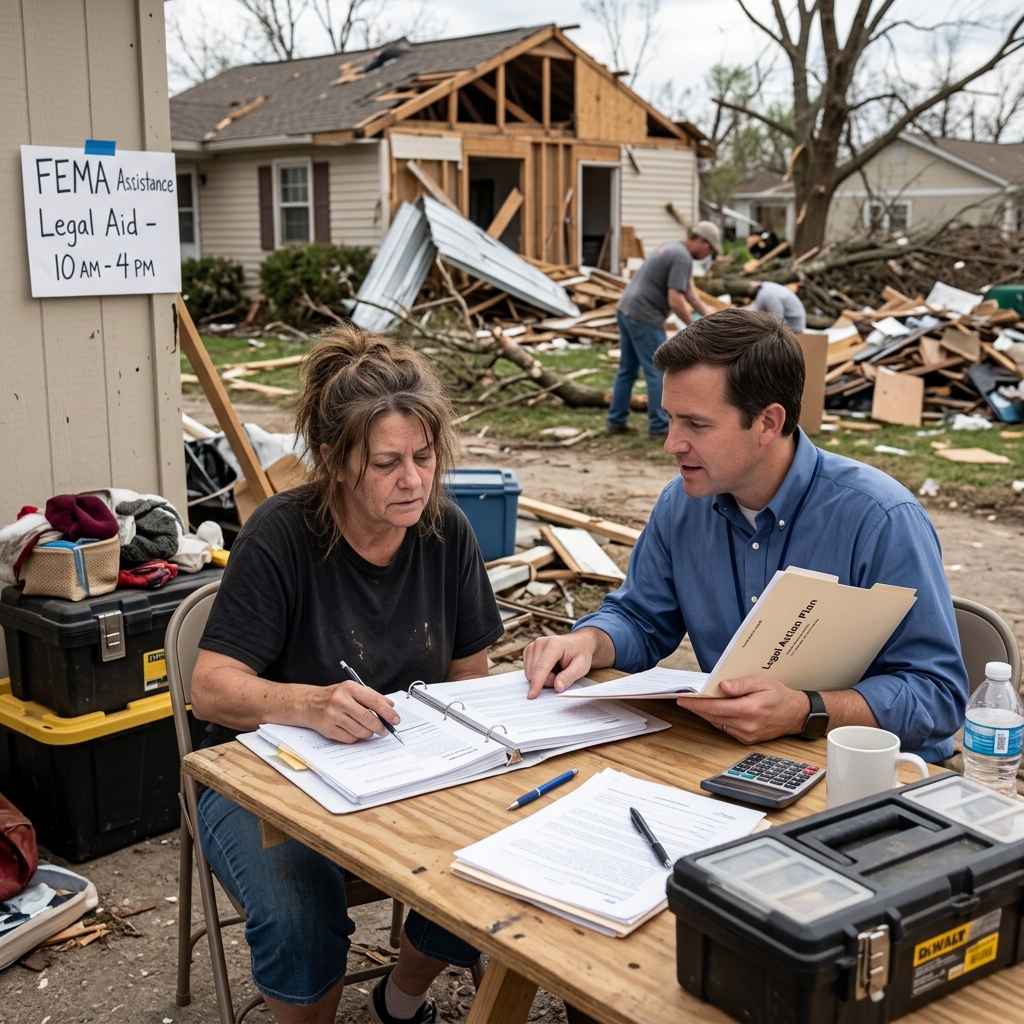
When a tornado tears through a community, the immediate focus is survival and safety. Once the storm passes, however, survivors face a second challenge: navigating insurance policies, government programs, contractor agreements, and potential scams. Making informed legal decisions in the weeks and months after the storm can significantly influence how quickly, and how fairly, you are able to rebuild.
This guide explains key legal considerations after a tornado, from entering damaged property to filing insurance claims, hiring contractors, and applying for disaster assistance. It is written for homeowners, renters, and small business owners who need clear, practical information at a stressful time.
1. Start With Safety: Legal and Practical Duties When Re-Entering Property
Before taking any legal or financial steps, you must ensure that it is physically safe to approach or re-enter your home or business. Tornadoes can cause structural collapse, gas leaks, electrical hazards, and debris that present serious risks.
Government and workplace safety standards emphasize the importance of hazard assessment before people return to buildings after severe weather events. This is not only a health and safety concern; it also has legal implications. If you re-enter an unsafe building and someone is injured, you could face liability as an owner, landlord, or employer.
- Wait for official clearance. Follow instructions from local police, fire departments, and building inspectors about when you may return to the property.
- Use protective equipment. Wear sturdy shoes, long sleeves, gloves, and, if available, helmets or hard hats to reduce injury risk from debris.
- Watch for utilities hazards. If you smell gas, see downed power lines, or suspect damage to electrical systems, leave immediately and contact utility companies or emergency services.
- Do not allow children or visitors inside until hazards are addressed. You have a duty to warn others and to reasonably secure dangerous areas.
For employers and commercial property owners, occupational safety regulations require emergency plans, designated shelter areas, and procedures for accounting for every worker after a tornado. These responsibilities continue during cleanup and reconstruction, and failing to meet them can result in fines or liability.
2. Document Everything: Building a Legal Record of Your Losses
Once it is safe to approach your property, your next priority should be creating a detailed record of damage. Comprehensive documentation is foundation for insurance claims, tax deductions, and potential litigation. Insurers and courts rely heavily on evidence of loss when determining compensation.
- Take wide and close-up photos. Photograph every affected area: exterior walls, roof, windows, interior rooms, personal property, vehicles, and outbuildings. Capture the overall scene and specific items.
- Record video walkthroughs. Narrate the damage as you walk through the property. Mention dates, visible hazards, and anything missing.
- Create written inventories. List damaged or destroyed belongings, including approximate purchase dates and values. Include appliances, furniture, clothing, electronics, and tools.
- Keep receipts for emergency expenses. Save documents for temporary lodging, food, generators, tarps, and other immediate costs. Many insurance policies and disaster assistance programs reimburse such expenses.
- Preserve repair estimates. Get written estimates from licensed contractors and keep copies. These can help you negotiate with insurers.
Good documentation is not only helpful to you; it is often required. Many policies specify that the insured must cooperate with investigations, provide access to property, and produce documents like photos and receipts. Failure to do so can limit or delay payment.
3. Understand Your Insurance Policy Before Making Any Decisions
After a tornado, insurance is often the primary source of funds for repair and replacement. However, policies differ significantly, and misunderstandings can lead to underpayment or denial. It is crucial to carefully read the policy and any endorsements that relate to wind, storm, and water damage.
| Policy Feature | What to Look For | Why It Matters After a Tornado |
|---|---|---|
| Coverage Type | Replacement cost vs. actual cash value | Determines whether you receive funds to fully replace items or only their depreciated value. |
| Deductibles | Windstorm or “named storm” deductibles | Special deductibles may be higher for tornado or wind events, affecting your out-of-pocket costs. |
| Exclusions | Flood, surface water, mold, earth movement | Some secondary damage may not be covered, requiring separate policies or government assistance. |
| Additional Living Expenses | Hotel, rental housing, and meal coverage | Provides financial help if your home is uninhabitable during repairs. |
| Deadlines | Notice and proof of loss requirements | Missing these deadlines can result in claim denial, even if the damage is clearly covered. |
Before signing any insurance-related documents, take time to :
- Read the entire policy and declaration page. Understand limits, deductibles, exclusions, and special conditions.
- Ask your insurer for a plain-language summary. Most states require insurers to explain coverage honestly and respond to reasonable questions.
- Keep a written log of communications. Note dates, names, and content of calls with adjusters. Confirm important points via email or letter.
Some states have specific consumer protection rules that apply to homeowners and renters dealing with insurers after disasters, including timeframes for responses and fair claim handling standards. Knowing these rights can help you push back if an insurer is unresponsive or unfair.
4. Filing and Negotiating Insurance Claims
Submitting a claim is more than filling out a form; it involves ongoing negotiation over the scope of damage, cost of repairs, and interpretation of policy language. A careful, proactive approach can improve the outcome.
- File promptly. Many policies require notice of loss “as soon as practicable” and formal proof of loss within a defined period (often within months). Do not wait until repairs are completed.
- Use your documentation. Provide photos, inventories, receipts, and repair estimates to support the claim.
- Attend inspections. Be present when adjusters inspect your property. Point out hidden or structural damage, and ask how they are valuing different components.
- Review any settlement offer carefully. Do not feel pressured to accept the first check you are offered, especially if it is marked “full and final settlement.” Ask whether additional payments may follow once further damage is discovered.
- Appeal or dispute if needed. If you believe the insurer undervalued your damage or misapplied exclusions, you may be able to request reinspection, provide competing estimates, or file a formal complaint with your state insurance department.
If negotiations stall or your claim is denied, you may consider consulting a lawyer who handles property damage or insurance law. Many provide free initial consultations and can explain whether litigation or appraisal processes may help.
5. Choosing Contractors and Repair Services: Legal Safeguards
In the aftermath of a tornado, contractors and cleaning companies often flood affected areas, offering quick repairs. While many are reputable, others exploit disaster conditions and vulnerable homeowners. Carefully reviewing contracts and credentials can prevent financial loss and legal trouble.
- Verify licensing and registration. Check state contractor licensing boards or regulatory agencies to confirm that the contractor is properly authorized to perform the work.
- Request written, itemized estimates. Avoid vague proposals. The document should detail labor, materials, timelines, and total cost.
- Never sign incomplete documents. Do not sign contracts with blank spaces or missing pages. Ensure you receive a copy of everything you sign.
- Clarify insurance assignments. Some contractors ask you to assign insurance benefits directly to them. Understand the legal effect of such assignments and whether they limit your ability to dispute charges.
- Limit large upfront payments. Many consumer protection agencies advise against paying the full amount before work is finished. Reasonable deposits are common; full payment should follow satisfactory completion.
Well-drafted contracts should address warranties, dispute resolution, change orders, and responsibilities if hidden damage emerges during work. If you are unsure about language in a contract, consult an attorney or a trusted advisor before signing.
6. Guarding Against Disaster-Related Fraud and Scams
Sadly, tornado survivors often become targets for fraud. Scammers may pose as contractors, charitable organizations, or even government officials. Recognizing red flags can help you protect your finances and personal information.
- Door-to-door pressure tactics. Be skeptical of anyone insisting you must sign immediately to secure a low price or limited slot.
- Requests for cash only. Insist on traceable payment methods and receipts. Cash-only demands are a common sign of fraudulent behavior.
- Unverified “official” contacts. Genuine government programs and reputable charities encourage you to verify information through official websites or phone numbers. Do not share Social Security numbers or bank details with strangers.
- Unlicensed public adjusters. In some states, public adjusters must be licensed and are limited in how they can charge fees for assisting with claims. Verify their credentials before signing representation agreements.
State attorneys general, insurance departments, and consumer protection agencies often issue fraud alerts after major disasters. Reviewing these alerts can help you spot emerging scams and report suspicious activity.
7. Accessing Government Disaster Aid and Free Legal Help
Private insurance is not the only source of recovery support. In larger tornado events, the federal government may declare a major disaster, making certain programs available to affected residents, including grants, loans, and legal assistance.
The Federal Emergency Management Agency (FEMA) administers programs such as Individual Assistance, which may include temporary housing, repair grants, and other support. Additionally, when the president declares a major disaster, Disaster Legal Services can provide free legal help to low-income survivors with issues like landlord–tenant disputes, insurance problems, and replacement of legal documents.
- Register promptly for federal assistance. Apply through official FEMA channels (online, phone, or disaster recovery centers). Timely registration helps you access grants and other aid faster.
- Use Disaster Legal Services if eligible. This program is run jointly by FEMA and the American Bar Association to connect survivors with volunteer lawyers for civil legal issues related to the disaster.
- Check local legal aid organizations. Bar associations and nonprofit legal aid groups often set up hotlines or clinics for tornado survivors.
- Coordinate government aid with insurance. Some grants cannot duplicate costs already covered by insurance. Keep careful records to avoid overpayments or later recoupment.
Government assistance usually has specific eligibility criteria and documentation requirements. Read program rules closely and save all letters and decision notices in case you need to appeal.
8. Rights of Renters and Tenants After Tornado Damage
Renters face distinct legal issues after a tornado, especially when rental units become partially or fully uninhabitable. Landlord–tenant law, which varies by state, governs responsibilities for repairs, rent, and access to alternative housing.
- Duty to repair structural damage. In most jurisdictions, landlords must maintain safe, habitable premises. Major tornado damage often triggers repair obligations within a reasonable time.
- Rent reduction or suspension. If a unit is unsafe or unusable, tenants may be entitled to reduced rent or may be able to terminate leases without penalty, depending on state law and lease terms.
- Notice requirements. Tenants should provide written notice of conditions, include photos, and keep copies of all communication with the landlord.
- Personal property losses. Tenants may have coverage through renter’s insurance policies; otherwise, they may need to seek assistance through government programs or potential claims against responsible parties.
Legal aid organizations frequently assist tenants with these issues after disasters, helping them understand their rights and avoid wrongful evictions or unfair lease penalties.
9. Employment and Workplace Issues After a Tornado
Tornadoes disrupt workplaces, raising questions about pay, safety, and job protection. The legal landscape includes labor and employment laws, occupational safety rules, and employer policies.
- Safe working conditions. Employers must comply with occupational safety standards and cannot require employees to work in dangerous, unremediated conditions after a tornado.
- Compensation and time off. Whether workers are paid during closure depends on employment contracts, company policies, and applicable laws. Some may qualify for unemployment benefits if the workplace is destroyed or temporarily shut down.
- Workers’ compensation. Injuries occurring at work during or after a tornado may be covered by workers’ compensation systems, providing medical and wage benefits.
- Retaliation protections. Laws generally protect employees from retaliation for raising safety concerns or refusing clearly unsafe work.
Workers unsure about their rights can contact state labor agencies, occupational safety authorities, or legal aid clinics. In declared disasters, some volunteer legal services specifically address employment-related questions.
10. When to Seek Professional Legal Advice
Although many issues can be handled directly with insurers and government agencies, some situations call for professional legal counsel. Consulting an attorney can be particularly helpful when:
- You face a significant claim denial or underpayment on a large property loss.
- You are dealing with complex business interruption claims.
- Your landlord refuses to make necessary repairs or attempts to evict you improperly after the tornado.
- You suspect contractor fraud, deceptive insurance practices, or other unlawful behavior.
Local bar associations and nonprofit legal organizations often coordinate special tornado assistance programs, connecting survivors with lawyers who understand disaster-related legal problems. Keep copies of all relevant documents—policies, letters, photos, receipts—to share with your attorney during any consultation.
Frequently Asked Questions (FAQs)
Do I have to let the insurance company inspect my property?
Most policies require you to cooperate with reasonable inspections as part of the claims process. Allowing access, while documenting everything yourself, helps the insurer verify losses. If you have concerns about safety or privacy, raise them with the adjuster and, if needed, seek legal advice.
Can I cash an insurance check and still dispute the amount?
It depends on how the check and accompanying documents are worded. If they clearly state that cashing the check is a “full and final settlement,” doing so may limit your ability to pursue additional funds. If you are unsure, ask the insurer for clarification in writing or consult an attorney before endorsing the check.
What should I do if a contractor disappears after taking my deposit?
Immediately document what happened, gather contracts and receipts, and report the incident to your state consumer protection or licensing agency. You may also have civil claims for breach of contract or fraud. Legal aid or private counsel can help you evaluate your options.
How do I know if I qualify for free legal disaster services?
Disaster Legal Services usually becomes available when a major disaster is declared and is often limited to low-income survivors. Eligibility and scope of services vary, but information is provided through FEMA and collaborating bar associations. Contact the official hotlines or websites listed in disaster announcements.
Are my rights different if I am a renter rather than a homeowner?
Yes. Homeowners rely primarily on property insurance and ownership rights, while renters depend on landlord–tenant law and renter’s insurance. Renters have rights to habitable housing and may be able to end leases or seek rent reductions if units become unlivable, subject to state law.
References
- Tornado Preparedness and Response — Occupational Safety and Health Administration (OSHA). 2022-03-10. https://www.osha.gov/tornado
- Disaster Legal Services Program Overview — American Bar Association & FEMA. 2023-05-01. https://www.americanbar.org/groups/young_lawyers/disaster-legal-services/
- BAMSL Tornado Legal Assistance Line — Bar Association of Metropolitan St. Louis. 2011-05-01. https://www.bamsl.org/?pg=Tornado_Legal_Assistance_Line
- Tornado Safety Tips: How to Protect You and Your Property — Lawrence Law. 2021-06-15. https://www.lawrencelaws.com/property-damage/tornado-safety-tips/
- Tornado Relief — The Salvation Army USA. 2022-04-08. https://www.salvationarmyusa.org/disaster-relief/tornado-relief/
- After a Tornado: Top Legal Tips for Storm Victims — FindLaw Legal Blog. 2011-05-02. https://www.findlaw.com/legalblogs/consumer-protection/after-a-tornado-top-10-legal-tips-for-storm-victims/
Similar Articles








Read full bio of Sneha Tete


