
Legal-Savvy Ways To Cut Your Car Insurance Costs
Understand the legal rules behind auto insurance so you can safely reduce premiums without sacrificing the protection you are required to carry.
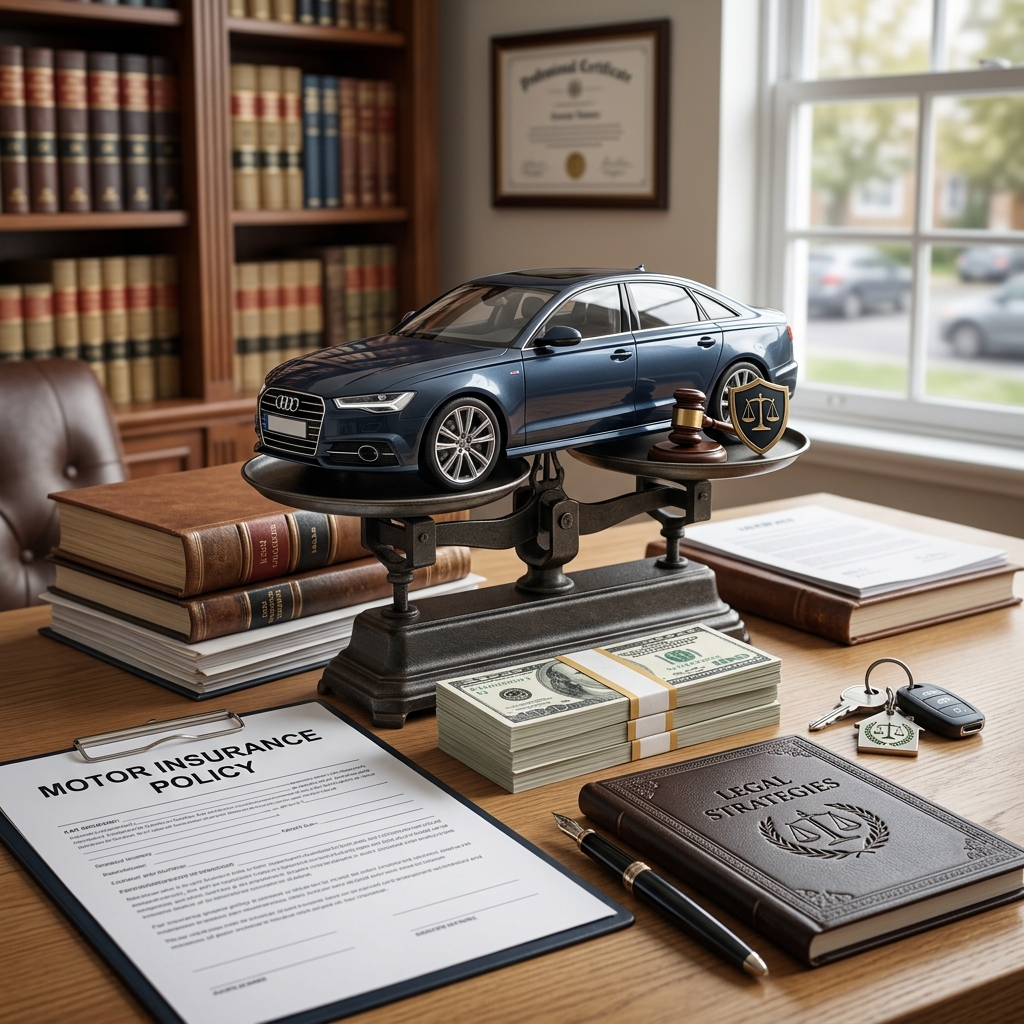
Auto insurance premiums have risen significantly in recent years, but you still have meaningful control over what you pay if you understand the legal framework behind your policy. State insurance laws, required minimum coverage, consumer protection rules, and contract terms all influence how far you can safely cut costs without exposing yourself to fines, lawsuits, or uncovered losses.
This guide walks you through practical strategies to reduce your car insurance expenses while staying fully compliant with the law and protecting your financial future.
1. Why Legal Rules Matter When You Try To Save
Car insurance is not just a financial product; it is a legally regulated obligation for most drivers. Almost every state requires drivers to carry at least a minimum amount of liability coverage, and insurers must follow detailed rules when pricing and managing policies. That means cost-cutting decisions are never purely personal preferences—they are bounded by statute, regulations, and contract law.
Understanding these constraints helps you distinguish between smart savings and dangerous cuts that could lead to legal trouble or devastating out-of-pocket costs after an accident.
- Minimum legal coverage: States set mandatory minimums for liability insurance or allow alternatives like proof of financial responsibility.
- Regulated pricing: Insurers must file rates with state regulators and follow rules that aim to keep prices fair and non-discriminatory.
- Consumer rights: You usually have rights to notice before cancellation or nonrenewal, to contest billing errors, and to receive certain disclosures about your policy.
- Contract obligations: Once you accept a policy, you are bound by the written terms regarding coverage, exclusions, and duties after a loss.
2. Start With Your State’s Minimum Requirements
Before changing any coverage, you need to know what your state legally requires you to carry. The most common requirement is bodily injury and property damage liability coverage, expressed as split limits (for example, 25/50/25) or a single combined limit.
| Coverage Type | What It Typically Covers | Legal Considerations |
|---|---|---|
| Liability (BI/PD) | Injuries and property damage you cause to others | Usually mandatory; driving without it can lead to fines, license suspension, or vehicle impoundment. |
| Uninsured/Underinsured Motorist | Your injuries if the at-fault driver has little or no insurance | Required or automatically included in many states unless you reject in writing. |
| Personal Injury Protection / MedPay | Medical expenses for you and passengers | Mandatory in many no-fault states; elective elsewhere. |
| Collision | Damage to your car from a crash | Not usually required by law but often required by lenders for financed vehicles. |
| Comprehensive | Non-crash damage (theft, fire, vandalism, hail) | Likewise generally optional under state law but commonly required by lenders. |
To stay legal while lowering costs:
- Check your state insurance department’s website for current minimum coverage rules.
- Review any loan or lease contract, as lenders may impose additional coverage requirements.
- Avoid dropping or reducing any coverage below the minimum until you confirm it will not violate state law or your financing agreement.
3. Adjust Coverage Without Crossing Legal Lines
Once you know your legal baseline, you can adjust the type and level of coverage you carry to match your risk tolerance and budget. The key is distinguishing between coverage you must keep, coverage that protects others, and coverage that mainly protects your own property.
3.1 Tuning Liability Limits Carefully
Liability coverage protects you if you are sued after causing an accident. While you could cut costs by reducing limits to the legal minimum, that strategy may be penny-wise and pound-foolish. If you cause an accident with damages exceeding your policy limits, you can be personally responsible for the difference.
Insurance experts often suggest choosing liability limits that reflect your assets and future earnings, so that a single serious crash is less likely to lead to wage garnishment or forced asset sales. Reducing liability limits below a reasonable level can save money today but exposes you to potentially catastrophic legal judgments later.
3.2 Evaluating Collision and Comprehensive on Older Cars
Collision and comprehensive coverage are frequent targets for cost-cutting because they are not mandated by most state laws. If you own your vehicle outright and its value has dropped significantly, these coverages may provide limited financial benefit relative to their cost.
Some consumer advocates suggest comparing the annual premium for collision and comprehensive to the car’s market value. If the combined premium is near or above a set percentage of the vehicle’s value, you may reasonably consider dropping one or both coverages, provided you can afford to repair or replace the car yourself.
Before dropping them:
- Confirm there are no lender or lease requirements still in force.
- Consider your savings and whether you could buy another vehicle without severe financial stress.
- Recognize that dropping comprehensive may leave you exposed to theft or weather-related losses.
4. Use Deductibles and Discounts: Legal but Powerful Tools
Two of the safest cost-reduction methods—when used wisely—are increasing deductibles and maximizing legitimate discounts. Both are fully consistent with insurance regulations, as long as the insurer offers them fairly and transparently.
4.1 Raising Deductibles Responsibly
Your deductible is the amount you pay out of pocket before your insurer covers a loss. Choosing a higher deductible lowers your premium because you are assuming more of the risk. Research cited by industry organizations shows that increasing a typical deductible (for example, from $500 to $1,000) can reduce annual premiums substantially.
To stay financially safe when raising deductibles:
- Ensure you have enough savings to pay the new deductible without jeopardizing rent, food, or essential bills.
- Apply higher deductibles primarily to collision and comprehensive coverage; liability claims do not usually involve a deductible.
- Avoid deductibles so high that you would be tempted to delay necessary repairs, creating additional safety risks.
4.2 Legitimate Discounts and Programs
Insurers commonly offer a wide range of discounts tied to driving history, policy choices, or vehicle features. Typical examples include:
- Safe driving or claims-free discounts.
- Defensive driving course completion, in states where approved courses are recognized.
- Low-mileage or usage-based programs that track miles, driving times, or behavior.
- Multi-policy or multi-vehicle discounts for insuring multiple risks with one carrier.
- Vehicle safety features and anti-theft devices.
State regulators often oversee how discounts are advertised and applied to ensure fairness. When you enroll in telematics or usage-based programs, review the terms carefully to understand what data will be collected and how it may affect your premiums.
5. Shopping Around Without Risking Coverage Gaps
Because premiums vary widely across insurers for the same driver profile, consumer organizations consistently recommend shopping for multiple quotes as a core savings strategy. The legal angle is making sure you do not inadvertently drive uninsured or misrepresent information when applying.
5.1 How To Compare Policies Safely
When requesting quotes, use accurate and consistent information across insurers. Providing false information about your driving record, vehicle use, or claims history can give an artificially low quote and may allow the insurer to cancel or rescind your policy later if the misrepresentation is discovered.
To stay fully protected:
- Confirm your new policy’s effective date is the same as or earlier than the cancellation date of your old policy.
- Get written confirmation of coverage, including proof of insurance cards.
- Verify that required coverages and limits meet or exceed your state’s minimums.
- Review whether the new insurer is licensed in your state and in good standing with regulators.
5.2 Working With Agents and Brokers
Independent agents and brokers can help you compare offers from multiple insurers. In most states, they are subject to licensing, disclosure, and fiduciary obligations. If you rely on an agent’s advice, keep written records of recommendations and final selections, so that disputes over coverage or miscommunication are easier to resolve.
6. Credit, Driving Record, and Other Rating Factors
Insurers use many factors to calculate premiums, subject to state law and anti-discrimination rules. Common rating variables include driving record, claims history, vehicle type, garaging location, annual mileage, and in many states, credit-based insurance scores.
6.1 Legal Limits on Rating Factors
State legislatures and regulators have gradually restricted some rating factors viewed as unfair or discriminatory. For example, some states limit or ban using credit information or certain demographic characteristics to determine premiums. Others have enacted reforms aimed at preventing excess profits or unjustified rate hikes.
That means your ability to influence premiums by improving your credit or changing certain behaviors depends partly on where you live. Your state insurance department’s consumer materials usually explain which factors can legally be used in pricing and which are restricted or prohibited.
6.2 Improving the Factors You Control
Within those legal limits, you can often reduce premiums over time by:
- Maintaining a clean driving record and avoiding traffic violations or at-fault crashes.
- Driving fewer miles per year, especially if your insurer offers low-mileage or pay-per-mile discounts.
- Strengthening your credit history where insurers are permitted to use it—by paying bills on time, reducing debt, and correcting errors in your credit reports.
7. Employment Changes, Telework, and Vehicle Use
Because annual mileage and commuting patterns affect accident risk, many insurers differentiate between business, commute, and pleasure use of a vehicle. The shift toward remote work has given some drivers new opportunities to save.
Regulators encourage consumers to report significant changes in vehicle usage, such as no longer commuting daily, because this can legally justify lower premiums. If you start working from home or significantly reduce your miles driven:
- Notify your insurer promptly and request a rating review.
- Ask whether you qualify for low-mileage or usage-based discounts.
- Understand any documentation requirements, such as odometer readings or telematics data.
8. Protecting Yourself From Unfair Practices
Insurance law is designed not only to enforce financial responsibility but also to protect consumers from unfair or deceptive practices. When you try to reduce your costs, pay attention to how your insurer handles rate changes, renewals, and claims.
8.1 Notice Before Cancellation or Nonrenewal
Most states require insurers to provide advance written notice if they intend to cancel or nonrenew your policy, except in certain cases such as nonpayment of premium. The length of required notice and permissible reasons for cancellation or nonrenewal vary by state, but you generally must be given time to secure replacement coverage.
If you receive a cancellation or nonrenewal notice:
- Read the stated reason and the effective date carefully.
- Contact the insurer to clarify any errors or misunderstandings.
- Immediately begin shopping for new coverage so you do not have a lapse, which can increase future premiums.
8.2 Disputes, Complaints, and Appeals
When you believe your premium increase is unjustified, a discount was wrongly denied, or a claim was mishandled, you usually have multiple avenues of recourse:
- Internal appeals or escalation within the company.
- Formal written complaints to your state insurance department, which may investigate or mediate the issue.
- Consulting an attorney for advice, especially if large sums or injury claims are involved.
Keeping detailed records—policy documents, emails, premium notices, and claim correspondence—greatly improves your position if a dispute arises.
9. Practical Checklist To Lower Costs Safely
To make the legal and financial guidance more actionable, use the following checklist when you next review your auto insurance:
- Verify legal minimums: Confirm your policy meets or exceeds your state’s required coverages and limits.
- Confirm loan/lease obligations: Ensure any reductions in collision or comprehensive do not violate financing contracts.
- Review liability limits: Decide whether you can safely afford to lower limits given your assets and risk exposure.
- Assess collision/comprehensive value: Compare these premiums to your vehicle’s market value before dropping coverage.
- Choose realistic deductibles: Raise deductibles only to levels you can comfortably pay in an emergency.
- Ask about all discounts: Safe driver, multi-policy, defensive driving courses, low mileage, and safety features.
- Update usage information: Notify your insurer if you drive less, work from home, or change vehicles.
- Shop quotes periodically: Compare offers from multiple licensed insurers at least every few years.
- Monitor your record: Check your driving history and credit reports, and correct errors that may hurt your rates.
- Protect your rights: Watch for cancellation or nonrenewal notices and know how to contact your state insurance department.
10. Frequently Asked Questions
Is it ever legal to drive without insurance?
In most states, driving without at least the legally required liability insurance is unlawful and can result in fines, license suspension, or vehicle impoundment. A few states allow alternatives, such as posting a bond or proving financial responsibility, but these options still impose significant legal and financial obligations. Check your state’s rules before assuming you can rely on any alternative arrangement.
Does lowering my coverage limit my ability to sue after a crash?
Reducing your own coverage does not usually affect your right to pursue a claim against an at-fault driver. However, if you live in a no-fault state, there may be legal thresholds you must meet before suing for pain and suffering, and your own personal injury protection benefits may be structured differently depending on the options you select. Consult your policy and state law—or a lawyer—before making major changes.
Can my insurer raise my rates just because I asked about a claim?
Premium changes are governed by state law and filed rating plans. In many cases, insurers evaluate paid claims or chargeable accidents rather than mere inquiries, but practices vary. Regulators typically require that rate changes be based on objective criteria disclosed in the insurer’s filings. If you believe your premiums were unfairly increased after an inquiry, you can request an explanation and, if necessary, file a complaint with your state insurance department.
What happens if I miss a payment while I’m trying to change policies?
If you miss a payment, your insurer may have the right to cancel your policy, often after a short grace period and written notice as required by state law. A lapse in coverage can make it illegal for you to drive and can also lead to higher premiums later. When switching insurers, wait to cancel your old policy until you have written confirmation that the new coverage is active.
Do I need legal help to review my policy?
Most people can review basic coverage limits and deductibles on their own or with the help of an insurance agent. However, if you have substantial assets, a complex driving history, or questions about your rights after a serious accident or disputed claim, speaking with an attorney familiar with insurance law can help ensure your cost-cutting measures do not expose you to unexpected liability.
References
- 13 Ways to Lower Your Car Insurance Rate — Liberty Mutual Insurance. 2024-01-10. https://www.libertymutual.com/insurance-resources/auto/how-to-lower-your-car-insurance-rate
- Nine Ways to Lower Your Auto Insurance Costs — Insurance Information Institute (III). 2023-08-15. https://www.iii.org/article/nine-ways-to-lower-your-auto-insurance-costs
- Ways to Save Money on Car Insurance — Texas Department of Insurance. 2023-06-05. https://www.tdi.texas.gov/tips/how-to-save-money-on-car-insurance.html
- 10 Effective Ways to Lower Your Car Insurance Rate — GEICO. 2023-09-21. https://www.geico.com/information/aboutinsurance/auto/lower-car-insurance/
- Proven Ways to Save on Car Insurance Even If You’re a Safe Driver — Consumer Reports. 2023-10-02. https://www.consumerreports.org/money/car-insurance/how-to-save-big-on-your-car-insurance-a5155263103/
- How to Lower Your Car Insurance Costs as They Continue to Rise — WABC-TV / ABC7NY. 2024-04-18. https://abc7ny.com/post/car-insurance-vehicle-us-department-of-labor-7-on-your-side/14469773/
- Governor Hochul Secures Reforms to Lower Auto Insurance Premiums for New Yorkers — Office of the Governor of New York. 2024-01-10. https://www.governor.ny.gov/news/governor-hochul-secures-reforms-lower-auto-insurance-premiums-new-yorkers
Similar Articles








Read full bio of medha deb




