
Rent Increases: Legal Rules, Notice, And Remedies In 2025 FAQ
Understand when, how, and how much landlords can raise rent, and what legal protections tenants have against unfair increases.
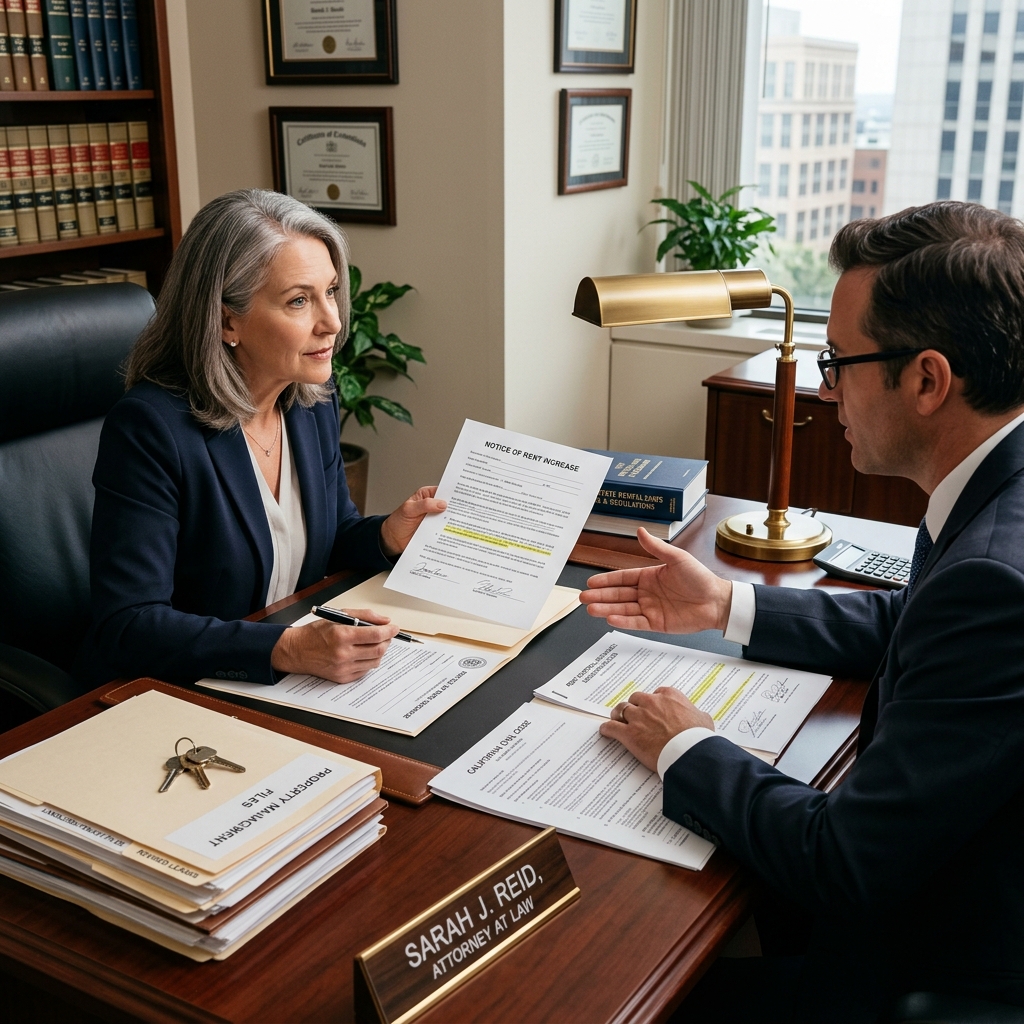
Rent increases are a normal part of the rental market, but they are not completely unlimited. While landlords typically have broad discretion to adjust rent, they must follow state and local laws, comply with the lease, and avoid practices that are retaliatory or discriminatory. This article explains the key legal rules that govern rent increases, what tenants can expect, and when a rent hike may cross the line into illegality.
Core Principles Governing Rent Increases
In the United States, there is no federal law that caps how often or how much landlords can raise rent. Instead, rules come from state statutes, local ordinances, and the specific lease agreement between landlord and tenant. Rent law can therefore vary significantly from one city or state to another.
Despite these differences, several broad principles apply in most places:
- No federal rent cap: Congress has not enacted a nationwide limit on rent amounts or annual increases.
- State and local control: States and cities decide whether to adopt rent control or other restrictions on rent increases.
- Lease governs during the term: For fixed-term leases, the agreed rent is usually locked in until the lease expires, unless the lease explicitly allows mid-term adjustments.
- Notice is almost always required: Landlords must provide written notice before raising rent, with timelines set by state law and sometimes local ordinances.
Rent Control and Local Caps on Increases
One of the most important factors in determining how much a landlord can raise rent is whether the property is in a rent-controlled or rent-stabilized jurisdiction. Rent control laws limit the percentage or dollar amount by which rent can be increased, usually on an annual basis.
Examples of Statewide or Local Rent Limits
| Jurisdiction | Key Rule on Rent Increases |
|---|---|
| California (statewide) | Under the Tenant Protection Act (AB 1482), most covered units are limited to annual rent increases of up to 5% plus local inflation (CPI), not to exceed 10%. |
| New York City (rent-stabilized units) | Annual rent adjustments are set by the Rent Guidelines Board, which issues percentage increases for one- and two-year renewal leases. Landlords cannot exceed these amounts. |
| New York Good Cause Eviction law (certain units) | Defines a “local rent standard” based on inflation plus 5%, capped at a total of 10%. Rent increases above that threshold may be considered unreasonable and subject to challenge. |
In areas without rent control, there is typically no statutory maximum on the size of a rent increase, and landlords may raise rent to any amount the market will bear, subject to notice requirements and other legal protections.
How Often Can Landlords Raise Rent?
The frequency of rent increases is shaped by the type of tenancy and applicable law. In most states, landlords may increase rent once per lease term for fixed-term leases, and sometimes more frequently for month-to-month arrangements, as long as they provide proper notice.
Fixed-Term Leases (e.g., 12-Month Lease)
- No mid-term increases without a clause: If the lease does not contain a provision allowing rent changes during the term, the landlord usually cannot raise rent until the lease expires.
- Increase at renewal: Rent can be increased when the lease is renewed, subject to any rent control limits and required notice.
- Typical once-per-year pattern: Because many leases run for one year, tenants often experience rent changes annually at renewal.
Month-to-Month Tenancies
For month-to-month renters, landlords generally have more flexibility, but still must comply with statutory notice rules.
- Rent may be raised periodically, usually no more than once per month, with written notice given within the time frame specified by state law (commonly 30–60 days).
- In some states, tenants without written leases can be given a written rent increase notice that takes effect after a set period, such as 15 or 30 days.
Legal Notice Requirements for Rent Increases
Even when the amount of rent is not capped, the timing and manner of rent increases are regulated. Almost all states require landlords to tell tenants in writing before a new rent amount takes effect, and many specify the minimum notice period.
Common Notice Rules
Examples from different jurisdictions illustrate how notice periods can vary:
- Utah: Without a written agreement, a landlord must give at least 15 days’ written notice before the next rent due date to increase rent for most tenancies. Local landlord guidance also emphasizes the need for written notice and confirms that increases generally cannot be imposed mid-lease.
- New Hampshire: For tenants without a lease, landlords must provide 30 days’ written notice of a proposed rent increase; in manufactured housing communities, 60 days’ notice is required.
- California (state law): For many units, state law requires 30-day written notice for modest rent increases and longer notice periods, such as 90 days, for larger increases over a set percentage, as reflected in guidance from local agencies in Los Angeles County.
- New York (HSTPA 2019): Landlords must give written notice if they intend to raise rent by 5% or more or decline renewal, with notice periods ranging from 30 to 90 days depending on how long the tenant has lived in the unit.
What a Proper Rent Increase Notice Should Include
Although details vary by jurisdiction, a legally sound rent increase notice generally contains:
- The new monthly rent amount and the date it will take effect.
- Clear identification of the rental unit (address and unit number, if applicable).
- A statement that the notice constitutes a rent increase under the applicable lease or tenancy.
- Information about whether the tenant must sign a new lease to accept the change or whether the tenancy will continue on existing terms aside from the new rent.
Limits on Mid-Lease Rent Increases
One of the most common questions from tenants is whether a landlord can raise rent before the lease term ends. In most states, the answer is no, unless the lease specifically allows it or state law provides a narrow exception.
Typical rules include:
- Fixed-term stability: A 12-month lease generally locks in the rent; landlords may not unilaterally raise the rent until renewal.
- Contract clauses: If a lease contains a clause allowing mid-term increases (for example, to pass through higher taxes or utility fees), the landlord may use that clause, provided it complies with local law.
- Tenant-agreed changes: Landlords and tenants can mutually agree to a rent change mid-lease, such as when the landlord makes significant improvements and the tenant voluntarily accepts a higher rent.^
Tenants should carefully review their lease to see whether it contains any language about rent adjustments during the term.
When Rent Increases Become Illegal
Even in states with no numerical cap on rent, increases can be unlawful if they are retaliatory, discriminatory, or imposed without the required notice. Certain jurisdictions also limit increases when a property fails to meet basic habitability standards.
Retaliatory Rent Increases
Many states prohibit landlords from raising rent to punish tenants for exercising legal rights, such as reporting housing code violations or joining a tenants’ union. Guidance for landlords notes that rent increases generally cannot be used as retaliation after tenants complain or file a formal complaint.
Discriminatory Rent Increases
Fair housing laws bar landlords from treating tenants differently based on protected characteristics, such as race, religion, national origin, sex, or disability. A landlord who selectively imposes steep rent increases on tenants in one protected class while offering lower increases to others may risk violating anti-discrimination laws.
Habitability and Rent Increases
Some jurisdictions limit the ability to raise rent when a property fails to meet basic health and safety standards. For example, landlord guidance notes that rent increases may be restricted when the landlord is not maintaining habitable conditions, such as functional heat, plumbing, and safe structures. In such cases, tenants may have grounds to challenge the increase or seek remedies.
Subsidized and Public Housing: Different Rules
Tenants in public housing or units with project-based subsidies often face a different system for rent setting. In these programs, rent is frequently linked to household income rather than market rates.
- Income-based rent: In public housing and many project-based subsidy programs, tenants pay a percentage of their income, and rent changes when income or household composition changes.
- Program rules override general law: Rent increases are governed by federal program rules and housing authority policies rather than general state landlord-tenant law.
Practical Tips for Landlords
Landlords seeking to raise rent should approach the process carefully to avoid disputes and potential legal violations. Good practice includes:
- Research local laws: Confirm whether the property is subject to rent control, rent stabilization, or local caps before deciding on an increase amount.
- Review the lease: Ensure the lease allows rent changes at the intended time and does not restrict mid-lease adjustments.
- Give timely written notice: Comply with minimum notice periods (such as 15 days, 30 days, or more, depending on the jurisdiction) and include all key terms in the written notice.
- Align with the market: Even where the law does not cap increases, setting rent far above comparable units may lead to vacancies and complaints.
- Maintain habitability: Address repairs and safety issues promptly; trying to raise rent while the unit is in poor condition can invite legal challenges and enforcement.
Practical Tips for Tenants
Tenants confronted with a rent increase have options and protections. Understanding the legal framework can help them make informed decisions.
- Check whether the increase is legal: Verify that the landlord provided proper written notice and respected the lease term. In most cases, rent cannot be raised mid-lease without consent or a specific clause.
- Identify rent control or caps: Tenants in cities like New York or California should confirm whether their unit is covered by rent stabilization or statewide rent caps, which may limit the allowable increase.
- Consider negotiation: Some landlords may agree to smaller increases in exchange for longer lease terms or other concessions.
- Watch for retaliation: If a rent hike comes soon after a complaint about conditions, tenants may wish to consult legal aid or a tenants’ rights organization regarding possible retaliation.
- Seek legal assistance: State legal aid organizations and county consumer departments often provide guidance and, in some cases, direct representation on rent increase disputes.
Frequently Asked Questions
Can my landlord raise the rent during my current lease?
Generally, no. For most fixed-term leases (such as a one-year lease), landlords cannot raise rent until the lease expires, unless the lease includes a clause that explicitly allows mid-term adjustments or the tenant agrees to a change.
Is there a maximum amount my landlord can increase the rent?
In areas without rent control, many states do not set a maximum percentage or dollar amount for rent increases, meaning landlords can request any amount the market will support, subject to notice rules and other protections. In rent-controlled jurisdictions, however, annual increases are often capped by statute or local regulatory boards.
How much notice must my landlord give before raising rent?
Notice periods vary by state and sometimes by local law. Common examples include 15 days in some situations in Utah, 30 days in New Hampshire for most non-lease tenants, and 30 to 90 days for certain rent increases under California and New York laws. Tenants should check their state’s statutes or local housing authority guidance for specific requirements.
What if I refuse to pay the increased rent?
If the rent increase is lawful and properly noticed, failing to pay the new amount may lead to eviction proceedings. For example, Utah legal aid notes that tenants who do not pay a legally increased rent may receive a short notice to pay or vacate and risk eviction if they do not comply.
Can my landlord raise rent to punish me for complaining?
Retaliatory rent increases are generally prohibited. If a landlord raises rent soon after a tenant reports code violations or asserts legal rights, the tenant may have a defense or separate claim under state landlord-tenant or fair housing laws.
References
- Utah Rent Control Laws: How Much Can You Raise the Rent? — Envy Property Management. 2024-05-01. https://envypropertymanagement.com/utah-rent-control-laws-how-much-can-you-raise-the-rent/
- Rent Increases — Los Angeles County Department of Consumer & Business Affairs. 2025-08-01. https://dcba.lacounty.gov/portfolio/rent-increases/
- How Often Can Landlords Raise Rent? — Innago. 2024-03-15. https://innago.com/how-often-can-landlords-raise-rent/
- A Complete Guide to Rent Increase Laws in 2026 — TenantCloud. 2026-01-10. https://www.tenantcloud.com/rent-collection/rent-increase-laws
- Rent Increase or Decrease — Utah Legal Services. 2023-07-20. https://www.utahlegalservices.org/node/24/rent-increase-or-decrease
- Rent Increases FAQs — New York City Rent Guidelines Board. 2024-09-01. https://rentguidelinesboard.cityofnewyork.us/resources/faqs/rent-increases/
- Rent Increases — 603 Legal Aid (New Hampshire). 2022-11-10. https://www.603legalaid.org/rent-increases
Similar Articles








Read full bio of Sneha Tete


