Legal Risks of Shooting Coyotes
Understand state-specific laws, penalties, and safe practices for dealing with coyotes to avoid criminal charges.
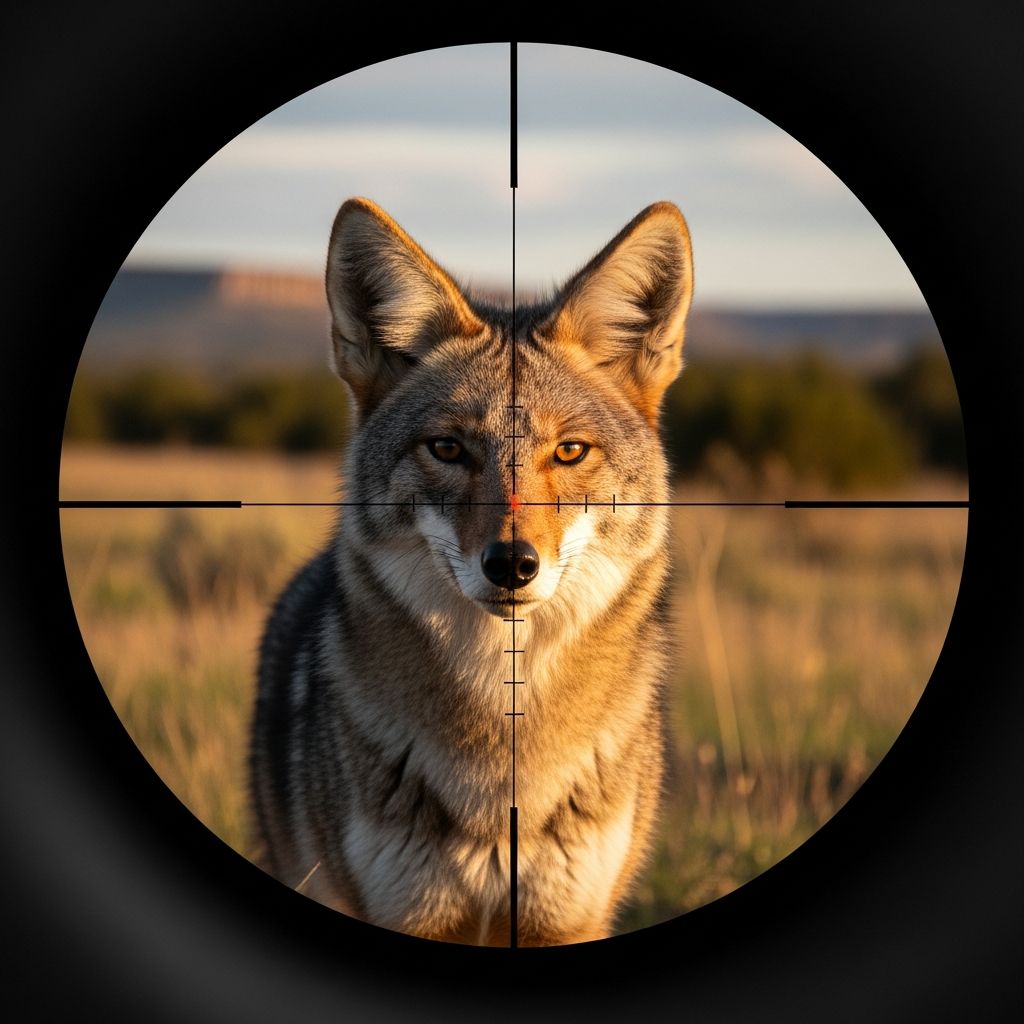
Coyotes, adaptable predators common across the U.S., frequently clash with humans over livestock, pets, and property. While many states classify them as unprotected or nuisance animals with year-round hunting seasons, discharging a firearm against them is not always straightforward. Local ordinances, permit needs, and specific conditions can turn a defensive action into a criminal offense, potentially leading to fines, jail time, or hunting privilege losses. This article explores the regulatory framework, common pitfalls, and best practices to manage coyote encounters legally.
Why Coyote Control Sparks Legal Questions
Coyotes thrive in diverse environments, from rural farmlands to urban suburbs, drawn by easy food sources like unattended pets or garbage. Landowners often view shooting as a quick solution to threats against chickens, calves, or family dogs. However, wildlife agencies emphasize that improper handling violates conservation laws designed to prevent reckless endangerment or ecological imbalance. For instance, night shooting or use of certain methods may require registration or permits, and failure to comply escalates minor infractions to felonies in some jurisdictions.
Understanding jurisdiction is key: state departments like wildlife resources or fish and game set baseline rules, but cities and counties impose stricter firearm discharge bans, especially in populated areas. Always verify with local authorities before acting, as assumptions about ‘nuisance’ status do not override municipal codes.
State-by-State Breakdown of Coyote Regulations
Laws differ significantly across states, reflecting local coyote populations and agricultural priorities. Below is a comparison of key regulations from select southeastern states, highlighting open seasons, methods, and permit needs.
| State | Open Season | Private Land Methods | Permit Requirements | Key Restrictions |
|---|---|---|---|---|
| South Carolina | Year-round | Firearms, bows, traps (day/night with regs) | Depredation permit (free); night hunt registration | No snares on land; prior violations bar night hunting |
| Florida | Year-round (furbearer) | Rifle, shotgun, bow, air gun | Landowner permission; FWC steel trap permit | Check local firearm discharge laws |
| North Carolina | Year-round | Firearms, archery | Depredation permit in select counties | No relocation; local ordinances apply |
| Virginia | Continuous open | Any legal method | No DWR kill permit needed | No trapping/relocation; check local rules |
| Tennessee | Year-round | Hunting/trapping | None specified statewide | Secure pets; harass to deter |
This table summarizes core rules; always consult current agency guidelines, as updates occur frequently.
Permits and Exemptions: Navigating the Paperwork
Many states offer depredation permits for damage-causing coyotes, waiving license or season limits. In South Carolina, these free 30-day permits from DNR offices cover specific sites, extendable to night shooting with officer approval. A 100-yard exemption around residences allows shooting without permits if firearm discharge is locally legal—ideal for immediate threats.
- Free Depredation Permits: Issued to landowners or designees for trapping/shooting without licenses.
- Night Hunting Registration: Online property signup required annually, enabling coyote, hog, and armadillo control; annual reports mandatory.
- Predator Management Permits: For hunt clubs outside trapping seasons, focusing on population control.
Florida requires landowner okay for year-round takes but mandates FWC permits for steel traps. North Carolina needs special permits in coastal counties like Beaufort and Dare. Exemptions often hinge on property boundaries, underscoring the need for precise location awareness.
Prohibited Practices and Common Violations
Not all methods are equal. South Carolina bans snares for land sets and limits foothold traps to 5.75 inches; live-trapping followed by relocation is illegal except during season. Virginia prohibits transporting trapped coyotes, deeming it a wildlife crime.
Violations like unregistered night hunting or using bait in restricted zones trigger penalties. In South Carolina, recent night hunting convictions (past five years) revoke night privileges. Urban shooters risk reckless endangerment charges if bullets stray near roads or homes. Baiting and electronic calls are often allowed on private land, but confirm state allowances.
Potential Penalties for Illegal Coyote Shooting
Consequences range from civil fines to criminal misdemeanor or felony charges, depending on severity. Typical penalties include:
- Fines: $100–$5,000+ per violation, escalating with repeats or damage caused.
- Jail Time: Up to 30 days for minor offenses; longer for firearm misuse or hunting without license.
- License Suspension/Revocation: 1–5 years, barring future hunting/trapping.
- Equipment Confiscation: Firearms, traps seized permanently.
In cases involving injury or property damage, charges like criminal negligence or illegal discharge amplify risks. Courts consider factors like prior record and intent, but ignorance rarely excuses. For example, shooting across property lines or in municipal limits often leads to citations from local law enforcement.
Non-Lethal Strategies to Deter Coyotes
Prevention trumps reaction. Agencies recommend hazing—yelling, arm-waving, or projectile tossing—to instill fear without harm. Secure attractants: enclose garbage, leash pets, and supervise children outdoors.
- Hazing Techniques: Make yourself large, loud, and aggressive; never run, as it triggers chase instinct.
- Habitat Modification: Remove food sources; install fencing (coyote-proof: 6+ ft high, buried base).
- Pet Protection: Keep small animals indoors at night; use leashes in coyote areas.
If coyotes ignore hazing or act bold (daytime approaches, no fear), report to wildlife officials for potential removal. Professional trappers or control agents handle persistent issues legally.
When to Call Professionals
For chronic problems, hire licensed trappers during seasons or wildlife control operators. They navigate permits and methods compliantly. Avoid DIY relocation—it’s ineffective (coyotes return or new ones repopulate) and illegal in most states. Agencies like FWC or NCWRC provide regional contacts for aggressive coyotes.
Frequently Asked Questions
Can I shoot a coyote on my property without a license?
Depends on state: South Carolina offers depredation permits or 100-yard exemptions; Florida requires landowner permission but check firearm laws. Always verify locally.
Is night hunting coyotes legal everywhere?
No—requires registration or permits in states like South Carolina; prohibited or restricted elsewhere without approval.
What if a coyote attacks my pet?
Haze first; if imminent threat, shoot if legal. Report bold behavior to authorities for removal options.
Are there bounties for coyotes?
No statewide bounties; some counties offer them—check local admins. Ineffective long-term anyway.
How do I haze a coyote effectively?
Stand tall, yell, wave arms, throw objects. Maintain distance; repeat to condition fear.
Staying Compliant: Best Practices for Landowners
Proactive steps minimize risks: register properties for night hunts annually, secure depredation permits promptly, and document damage (photos, vet bills) for claims. Join hunter networks or co-ops for shared control. Monitor agency sites for updates, as rules evolve with population shifts.
In summary, while coyotes pose real threats, legal shooting demands diligence. Prioritize non-lethal deterrence, secure permits, and respect local laws to protect your property—and freedom—effectively.
References
- Coyote Control – What a Landowner CAN Do in South Carolina — South Carolina Department of Natural Resources. Accessed 2026. https://www.dnr.sc.gov/wildlife/publications/pdf/coyotecontrol.pdf
- Coyotes in Florida: Frequently Asked Questions — Florida Fish and Wildlife Conservation Commission. Accessed 2026. https://myfwc.com/conservation/you-conserve/wildlife/coyotes/faq/
- Coyote — North Carolina Wildlife Resources Commission. Accessed 2026. https://www.ncwildlife.gov/species/coyote
- Coyotes — Virginia Department of Wildlife Resources. Accessed 2026. https://dwr.virginia.gov/wildlife/nuisance/coyotes/
- Coyotes (Canis latrans) — Tennessee Wildlife Resources Agency. Accessed 2026. https://www.tn.gov/twra/wildlife/mammals/large/coyotes.html
- Coyote Hunting and Depredation Permits — North Carolina Wildlife Resources Commission. Accessed 2026. https://www.ncwildlife.gov/hunting/hunting-trapping-licenses/other-licenses-permits/coyote-hunting-and-depredation-permits
Similar Articles







Read full bio of medha deb