
Legal Requirements for a Digital Nomad Visa
Understand the core legal, financial, and documentation rules you must meet to qualify for a digital nomad visa in different countries.
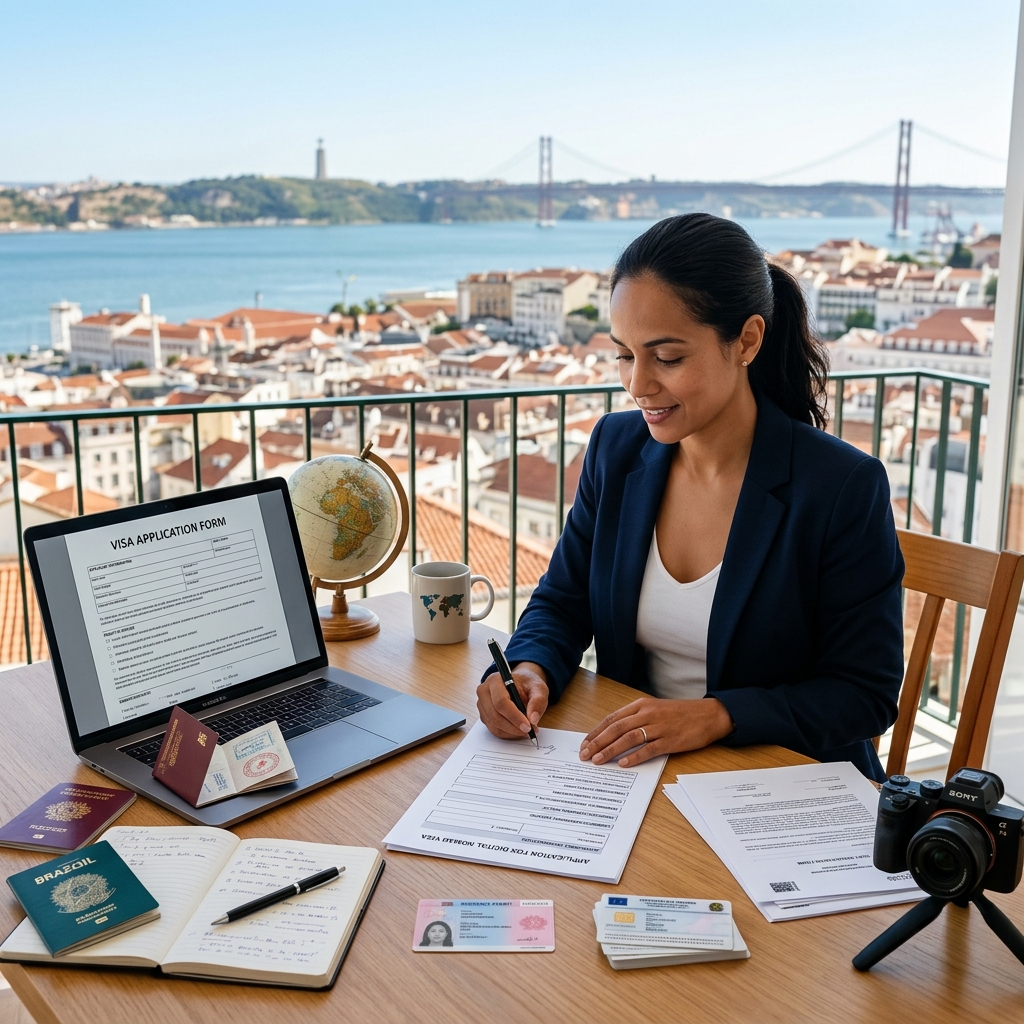
Digital nomad visas have rapidly emerged as a legal pathway for remote workers to live abroad while keeping their jobs or businesses in another country. These visas typically grant temporary residence and the right to work remotely, but they come with specific legal requirements that vary by destination. A clear understanding of those requirements is essential before you start packing your laptop and booking a one-way ticket.
What Is a Digital Nomad Visa?
A digital nomad visa is generally a type of residence permit designed for remote workers, freelancers, or self-employed professionals whose clients or employers are located outside the host country. It allows you to live in a foreign country while legally working online, as long as your economic activity does not involve local employment or the local labor market.
Most digital nomad visa programs share several core features:
- Temporary residence status (often 6–12 months, with possible renewals).
- Remote work only — you must work for foreign employers or clients, or operate a business incorporated abroad.
- No local employment in the host country, and often an explicit prohibition on offering services to local clients.
- Minimum income thresholds to demonstrate financial self-sufficiency.
While details differ country by country, the legal logic is similar: the host state permits you to reside there and earn money, but only if your work is based abroad and you do not compete directly in the domestic labor market.
Core Eligibility Criteria for Applicants
Eligibility criteria are the foundation of any digital nomad visa program. Though each jurisdiction sets its own rules, several common conditions appear consistently across official guidance and immigration regulations.
Age and Legal Capacity
Most programs require applicants to be at least 18 years old and legally capable of entering into contracts. Minors may sometimes accompany a parent or guardian holding a digital nomad visa, but they cannot usually be primary applicants.
Proof of Remote Work
Authorities typically require clear evidence that you work remotely for non-local entities.
- Employment contracts with foreign companies, stating your position and confirming remote work.
- Freelance or consultancy agreements with clients based outside the host country.
- Business registration documents showing that your company is incorporated abroad.
- Statements or declarations explaining your services, clients, and payment arrangements.
Some countries go further, requiring confirmation that neither you nor your employer has violated immigration or labor laws in the past.
Minimum Income Requirements
Income thresholds are one of the most stringent legal conditions. Governments use them to ensure that digital nomads can support themselves without relying on local welfare systems.
Examples from current programs include:
| Country (example) | Minimum Income Requirement | Notes |
|---|---|---|
| Spain (remote work visa) | Approx. €2,850 per month (200% of minimum wage). | Income can be salary or self-employment; extra per dependent. |
| Portugal (digital nomad visa) | Approx. €3,480 per month (4× minimum wage). | Renewals require continued financial proof via official portal. |
| Italy (remote worker visa) | At least €24,789 per year. | Proof through employment contracts, payroll, or similar. |
| Japan (digital nomad scheme) | ¥10 million per year (approx. $65,000–$70,000). | Limited to certain nationalities and non-renewable. |
| Panama (short-stay remote work visa) | $36,000 per year in foreign income. | Income must originate outside Panama. |
These figures change over time and differ widely between jurisdictions, but they illustrate a common policy trend: digital nomad visas are generally targeted at middle-to-high income remote workers, not at budget travelers.
Clean Criminal Record
Authorities usually require a criminal background check from your country of citizenship and, in some cases, from all countries where you have lived recently. This must typically be:
- Issued within a specific validity window (often 3–6 months).
- Legalized, apostilled, or authenticated by consular authorities.
- Provided in original form, sometimes with certified translations.
Serious criminal convictions can result in denial of the visa, and misrepresentation of your record may carry further legal consequences.
Health Insurance and Accommodation
Nearly all digital nomad visa programs demand proof of comprehensive health insurance covering the host country for the duration of your stay. In addition, you may need to show that you have a place to live, through:
- Long-term rental contracts, typically 6–12 months.
- Property deeds or ownership documents.
- Letters of invitation or other formal housing arrangements.
These requirements are designed to reduce the risk that applicants will become destitute or require emergency public assistance after arrival.
Documentation: What You Usually Need to Submit
Beyond eligibility criteria, digital nomad visa applications are document-heavy. Immigration offices often specify precise formats, legalization rules, and translation standards.
Standard Identity and Application Documents
The basic documentation package often includes:
- Completed visa application form (national or long-stay form).
- Valid passport with several blank pages and a validity period extending beyond your intended stay.
- Passport-style photographs meeting specific biometric standards.
- Proof of legal residence in the jurisdiction where you apply (e.g., green card or local ID if applying from a third country).
Evidence of Qualifications and Experience
Some digital nomad or remote work visas require proof of professional skill or education.
- University degrees (bachelor’s, master’s, doctorate) recognized by the host country’s credential authorities.
- Professional licenses in regulated fields such as engineering, architecture, or teaching.
- Documented work experience over a specified number of years (often 3–5 years).
These rules seek to ensure that remote workers meet minimum standards of professional competency and are engaged in genuine, sustainable work rather than informal or speculative ventures.
Financial and Employment Proofs
Financial documentation must demonstrate that your income is both sufficient and originates from outside the host country.
- Bank statements covering several months, detailing regular incoming payments.
- Employer letters confirming your role, income level, and remote work modality.
- Tax returns or payroll records that corroborate your earning history.
- Declarations specifying your clients, services, and payment schedules.
Some countries explicitly require a sworn statement that you will not accept local job offers or provide services to local clients under the visa. Violating that condition can lead to visa cancellation or future immigration bans.
Application Process and Legal Steps
While procedures differ, the application pathway for most digital nomad visas follows a similar sequence: preparation, submission, interview (if required), and decision.
1. Preparation and Pre-Application Research
Before you apply, it is prudent to:
- Review official immigration websites or consular pages for the latest requirements.
- Check whether you must apply from your home country or may apply from abroad.
- Confirm translation and legalization rules for foreign documents.
- Assess tax implications, including any continued obligations to your home country.
2. Filing the Application
Applications are normally submitted to a consulate or embassy, or in some countries via dedicated online portals.
- Book an appointment if required by the consular office.
- Submit original documents and the mandated number of copies.
- Pay visa fees and, where applicable, residency card issuance fees.
Processing times vary but can range from several weeks to a few months. Some programs offer streamlined pathways if you meet specific criteria (such as higher income or specialized skills).
3. Interviews and Additional Requests
Certain authorities may invite you for an interview to verify your information and clarify your work arrangements. During this stage, they might ask for:
- Further proof of income or employment.
- Clarification of your remote work tools, schedule, and clients.
- Evidence of ties to your home country or future travel plans.
Failure to respond to additional requests within deadlines can lead to refusal, so monitoring communication is critical.
Tax, Social Security, and Compliance Considerations
Obtaining a digital nomad visa does not automatically resolve tax residency or social security issues. Understanding these systems is critical to avoid unintentional non-compliance.
Home Country Tax Obligations
For example, U.S. citizens remain subject to U.S. federal income tax on worldwide income, regardless of where they live. While specific mechanisms such as the Foreign Earned Income Exclusion and Foreign Tax Credit can reduce double taxation, they do not remove filing obligations.
Many other countries also tax residents on global income once certain presence thresholds are met. Professional tax advice is advisable, particularly for long-term stays or complex business structures.
Host Country Tax and Social Security Rules
Host countries frequently require foreign employers to participate in local social security or hold specific certificates under international agreements. For instance, some European digital nomad schemes require foreign companies to present an A1 certificate under social security totalization agreements.
Key considerations include:
- Whether your presence triggers local tax residency.
- How double taxation treaties allocate taxing rights.
- Obligations for social contributions (either personally or through your employer).
Ignoring these factors can result in back taxes, penalties, or difficulties renewing your visa or converting it to longer-term residence.
Common Legal Pitfalls and How to Avoid Them
Digital nomads often underestimate the legal complexity of living and working abroad. Several recurring pitfalls can be avoided through careful planning and adherence to official rules.
Working on the Wrong Visa Type
Attempting to work remotely while on a tourist visa can conflict with immigration and labor rules in many jurisdictions. Even if enforcement appears lax, it may become problematic if you seek longer-term residence, face audits, or require formal immigration status later. Digital nomad visas are designed precisely to bridge this gap between tourism and local employment.
Providing Services to Local Clients Illegally
Many digital nomad visas explicitly bar you from accepting local work or serving domestic clients under the permit. Leveraging your stay to offer services locally, even informally, may be treated as unauthorized employment.
Neglecting Renewals and Status Changes
Nomad visas are usually time-limited. Some allow renewal or conversion to longer-term residence, but they require timely action, often months before expiry. Missing renewal windows or overstaying your authorized period can lead to fines, removal orders, or future entry bans.
Underestimating Documentation and Translation Requirements
Immigration offices expect meticulous compliance with documentation standards. Certificates may need apostilles, consular authentication, or official translation into the host country’s language. Failure to prepare these in advance is a common cause of delays or refusals.
Frequently Asked Questions (FAQs)
1. Can I work for local companies on a digital nomad visa?
Generally no. Most digital nomad visas require that your income come from employers or clients based outside the host country and that you do not engage in local employment.
2. Do I need a specific profession or degree?
Some countries require a university degree or proof of several years of professional experience, particularly for remote worker visas targeted at high-skilled professionals. Others focus primarily on income and remote work proof, regardless of profession.
3. How long can I stay on a digital nomad visa?
Duration varies widely. Many programs allow stays of 6–12 months with options to renew; some, like certain Japanese schemes, limit stays to shorter, non-renewable periods.
4. Will a digital nomad visa change my tax obligations at home?
Not automatically. For example, U.S. citizens must still file federal tax returns on worldwide income regardless of where they live. Other countries have similar rules, so consulting a tax professional is recommended.
5. Can family members join me?
Several digital nomad visa programs allow spouses and dependent children to accompany the main applicant, provided you meet higher income thresholds and supply documentation such as marriage or birth certificates.
6. Is health insurance mandatory?
Yes, comprehensive health insurance covering your host country is almost always mandatory for the full duration of your planned stay.
References
- Countries Offering Visas for Digital Nomads — VisaGuide.World. 2024-02-01. https://visaguide.world/digital-nomad-visa/
- Panama Digital Nomad Visa — Kraemer & Kraemer. 2024-04-10. https://kraemerlaw.com/en/immigration/panama-digital-nomad-visa/
- Digital Nomad Visa: What Are They & How Do They Work? — Feather Insurance. 2023-11-15. https://feather-insurance.com/blog/digital-nomad-visa-guide
- Telework (Digital Nomad) Visa — Consular Section of Spain in Washington, D.C. 2024-03-20. https://www.exteriores.gob.es/Consulados/washington/en/ServiciosConsulares/Paginas/Consular/Telework-visa.aspx
- Digital Nomad Visa Requirements for 2026 Explained — Centuro Global. 2026-01-27. https://www.centuroglobal.com/articles/digital-nomad-visa-requirements/
- Digital Nomad Visa Countries for Americans — Greenback Expat Tax Services. 2025-05-10. https://www.greenbacktaxservices.com/blog/digital-nomad-visa-countries/
- Digital Nomad / Remote Worker Visa — Consulate General of Italy in New York. 2024-06-01. https://consnewyork.esteri.it/en/servizi-consolari-e-visti/servizi-per-il-cittadino-straniero/visti/visas-to-enter-italy/digital-nomad-remote-worker-visa/
Similar Articles








Read full bio of medha deb


