Legal Recourse for Youth Sports Injuries
Understanding when and how parents can pursue compensation for children's sports-related injuries caused by negligence.
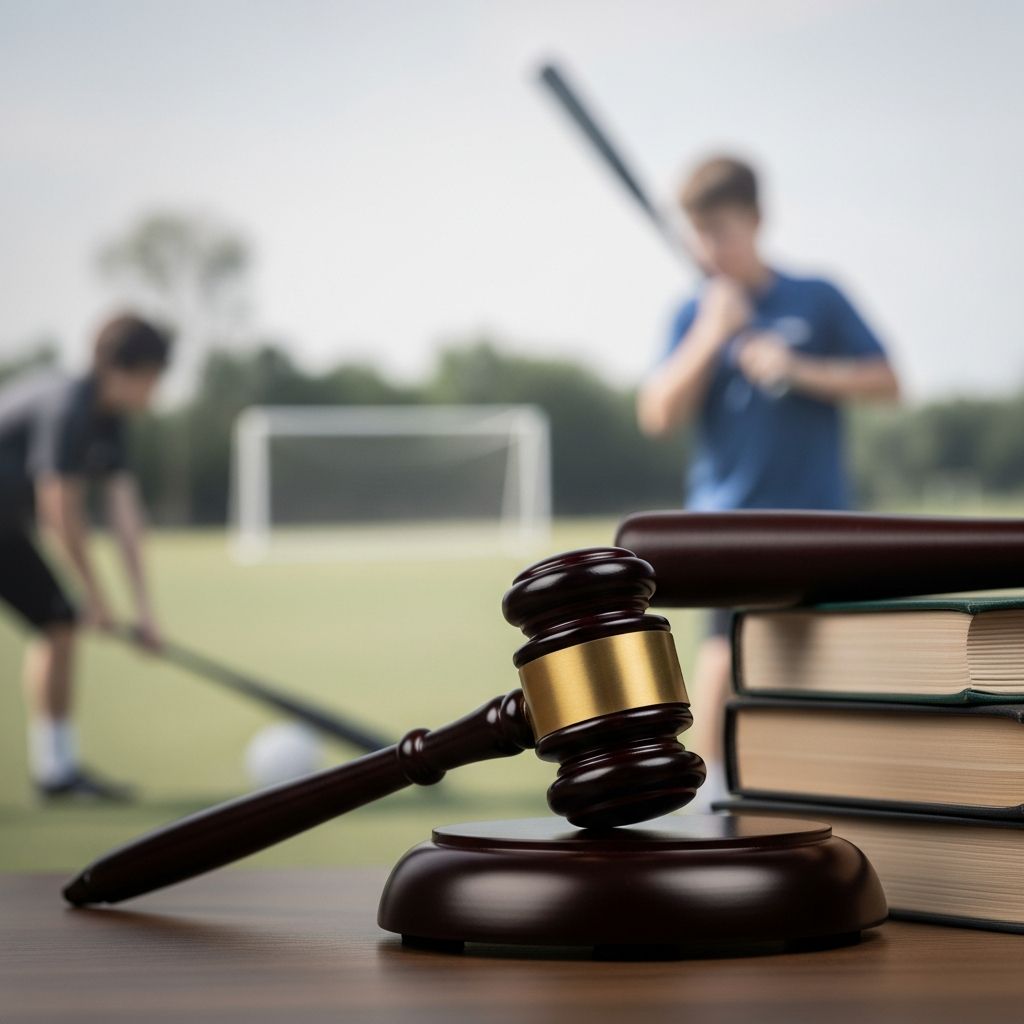
Organized youth sports offer invaluable opportunities for physical development, teamwork, and fun, but they also carry risks of serious injury. While minor bumps and bruises are part of the game, injuries stemming from negligence—such as faulty equipment, inadequate supervision, or hazardous conditions—can lead to substantial harm. Parents often wonder if they can hold responsible parties accountable and seek financial compensation for medical bills, pain, and long-term effects. The answer is yes, under certain conditions, through personal injury claims grounded in negligence law.
This article delves into the key elements of pursuing justice for injured young athletes, including proving fault, identifying liable parties, navigating time limits, and maximizing recovery. Drawing from established legal principles, it equips parents with the knowledge to protect their children’s futures.
Defining Negligence in Youth Sports Contexts
Negligence forms the cornerstone of most sports injury lawsuits. To succeed, plaintiffs must demonstrate four elements: a duty of care owed by the defendant, breach of that duty, causation linking the breach to the injury, and actual damages suffered. In youth sports, organizers, coaches, and facilities owe a heightened duty to minors due to their vulnerability and limited ability to recognize dangers.
For non-contact sports like swimming or baseball, standard negligence suffices—showing failure to maintain safe conditions or provide proper oversight. Contact sports like football or hockey raise the bar: liability typically requires recklessness or intentional misconduct, not mere carelessness, as inherent risks are assumed by participants. However, this does not shield egregious violations, such as ignoring known concussion symptoms or using defective helmets.
- Duty of Care Examples: Coaches must match drills to age-appropriate skill levels; leagues must inspect fields for hazards like uneven turf or broken goals.
- Breach Indicators: Uncertified coaches pushing athletes beyond limits, neglected maintenance leading to slips, or failure to enforce safety rules.
- Causation and Damages: Direct link, e.g., a fractured knee from a reckless tackle by an unsupervised player, resulting in surgery and therapy costs.
Courts recognize that children cannot fully consent to unreasonable risks, making supervision standards stricter than for adults.
Common Scenarios Leading to Liability
Injuries in youth sports often trace back to preventable failures. Here are prevalent cases where negligence claims thrive:
| Scenario | Description | Potential Liable Party |
|---|---|---|
| Unsafe Facilities | Cracked pavement, poor lighting, or unstable bleachers causing falls or collisions. | School district, league, or venue owner. |
| Defective Equipment | Worn helmets, frayed nets, or ill-fitting protective gear leading to trauma. | Equipment provider or coach responsible for inspections. |
| Inadequate Supervision | Overcrowded fields, absent coaches, or ignoring rough play escalating to injury. | Coaches or program directors. |
| Head Trauma Mishandling | Returning concussed players to action without clearance, worsening brain damage. | Coaches violating protocols. |
| Overexertion Injuries | Forcing repetitive drills causing stress fractures or heat exhaustion. | Training staff ignoring limits. |
These incidents highlight how lapses deviate from expected safety norms, opening doors to premises liability or direct negligence suits. Spinal injuries, fractures, and internal bleeding from such breaches often yield strong cases.
Identifying Potentially Liable Parties
Multiple entities may share responsibility, allowing claims against coaches, schools, leagues, or manufacturers. Schools and districts face premises liability for failing to remedy known hazards on their property. Volunteer coaches might qualify for immunity under certain state laws, but this protection evaporates for reckless acts.
Equipment makers can be targeted via products liability if gear fails due to design flaws or inadequate warnings, independent of user negligence. Parents of opposing players may be liable for their child’s intentional fouls in some jurisdictions. Joint liability spreads fault proportionally, ensuring full recovery from solvent parties.
Statutes of Limitations and Minors’ Protections
Time is critical in injury claims. In California, the standard two-year window from injury date applies, but minors benefit from tolling: claims pause until age 18, then two years to file. This extension safeguards young victims unable to litigate independently.
Exceptions extend further for discovery of latent injuries like delayed concussion effects. Missing deadlines forfeits rights, underscoring prompt action. For government entities like public schools, stricter notice requirements—often 100 days—apply.
Navigating the Claims Process Step-by-Step
Pursuing compensation demands methodical steps to build a robust case:
- Prioritize Medical Attention: Seek immediate evaluation, even for seemingly minor issues. Records establish injury severity and link to the incident.
- Document Thoroughly: Photograph hazards, injuries, and equipment; collect witness statements from parents, players, and officials; retain all gear involved.
- Report Formally: Notify coaches, leagues, and schools in writing, preserving communications.
- Consult Professionals: Engage a personal injury attorney experienced in youth sports cases for investigation and negotiation.
- File Petition if Needed: For settlements, secure court approval via a minor’s compromise hearing to protect funds.
Small settlements under $5,000 may bypass court if parents manage responsibly, per California Probate Code.
Types of Compensation Available
Successful claims recover economic and non-economic damages:
- Economic Damages: Past/future medical bills, rehabilitation, lost future earnings if disability impairs career prospects.
- Non-Economic Damages: Pain and suffering, emotional distress, reduced quality of life.
- Parental Claims: Reimbursement for out-of-pocket costs; rare loss of consortium for severe cases.
Punitive damages punish egregious recklessness. California’s pure comparative negligence reduces awards by the child’s fault percentage, but recovery remains possible even if partially responsible. Permanent disabilities may cover home modifications or assistive devices.
Regulatory Frameworks Enhancing Safety
Laws like California’s AB 506 mandate background checks and abuse training for youth organizations. AB 379 enforces concussion protocols: immediate removal for symptoms, parental notification, and licensed provider clearance before return. Sudden cardiac arrest suspicions trigger similar safeguards.
Violations bolster negligence claims, as non-compliance signals breached duties. Nationally, trends toward stricter oversight aim to curb rising youth injury rates.
Frequently Asked Questions (FAQs)
Can my child sue if injured in a contact sport like football?
Yes, if recklessness—such as a late hit after the play or ignoring safety rules—caused the harm, beyond normal play risks.
Does my child assume all sports risks by participating?
No, waivers cover inherent risks but not negligence like faulty fields or untrained staff.
How are settlements handled for minors?
Courts approve via minor’s compromise, often placing funds in trust until age 18 for protection.
What if the coach is a volunteer?
Immunity may apply for ordinary negligence but not recklessness or intentional acts.
Can I claim for emotional trauma to my child?
Yes, non-economic damages cover psychological impacts like PTSD from severe injuries.
Youth sports injuries demand vigilant legal pursuit to deter negligence and fund recovery. Early intervention preserves evidence and rights, turning tragedy into accountability.
References
- The Legal Side of Sports Injuries in 2024 — Case Barnett Law. 2024. https://www.casebarnettlaw.com/blog/the-legal-side-of-sports-injuries-in-2024.cfm
- Child Sports Injuries: Can You File a Personal Injury Claim? — Mirman Lawyers. N/A. https://mirmanlawyers.com/blog/child-sports-injuries-can-you-file-a-personal-injury-claim/
- School Sports Injuries & Potential Legal Claims — Justia. N/A. https://www.justia.com/child-safety/school-safety/school-sports-injuries/
- Determining Who Is Responsible for Your Child’s Sports-Related Injuries — GRG Law. N/A. https://www.grgblaw.com/wisconsin-trial-lawyers/determining-responsible-childs-sports-related-injuries
- California Youth Sports Safety Laws: A Guide to Compliance — Sadler Sports. N/A. https://www.sadlersports.com/blog/california-youth-sports-safety-laws-a-guide-to-compliance/
- Personal Injury Settlements for Minors in California — Mesriani Law. N/A. https://www.mesrianilaw.com/blog/seeking-damages-when-the-personal-injury-victim-is-a-child/
- Youth Sports Accidents — OPO Law. N/A. https://www.opolaw.com/youth-sports-accidents/
Similar Articles







Read full bio of medha deb