Legal Recourse for Unsuccessful Hair Transplant Procedures
Understanding your rights when hair restoration surgery falls short of expectations.
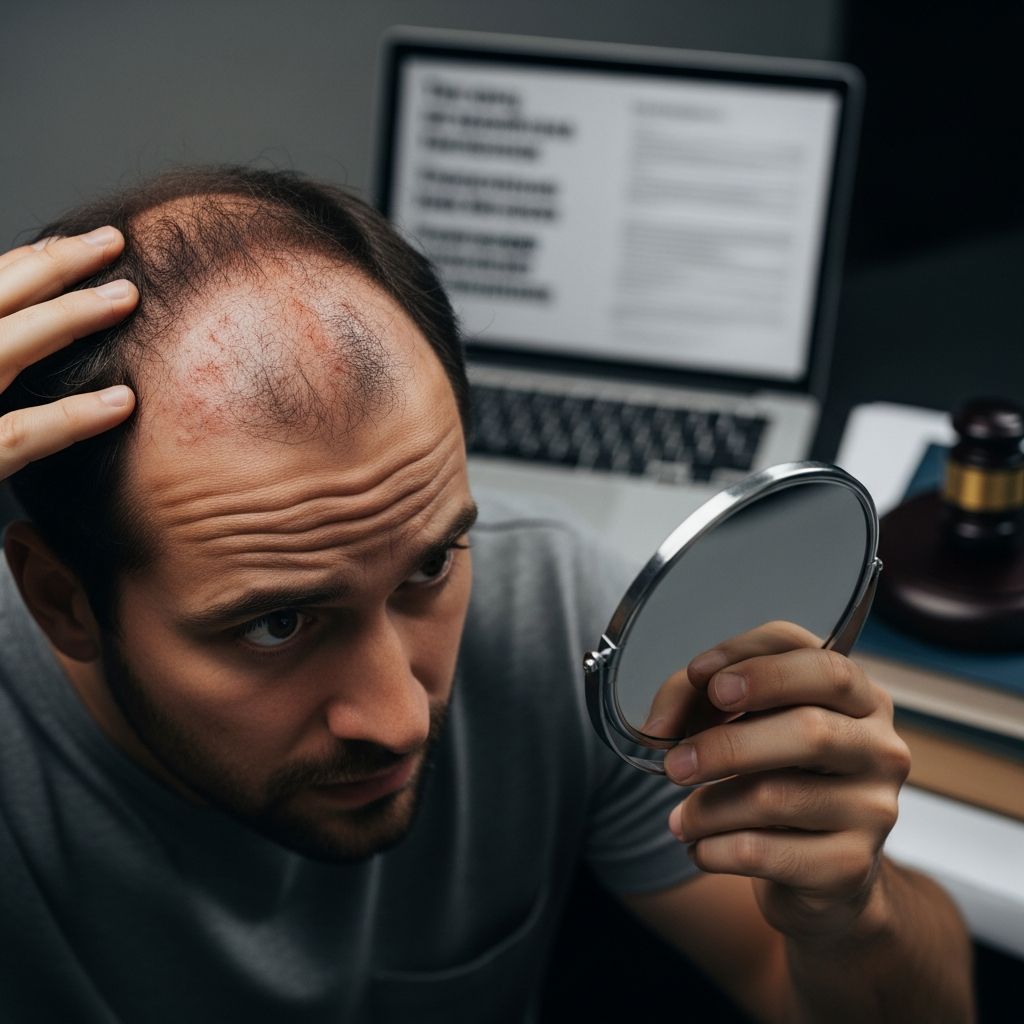
Understanding Legal Liability in Hair Restoration Surgery
Hair transplant procedures have become increasingly popular as a solution for hair loss, yet not all outcomes meet patient expectations. When a cosmetic procedure goes wrong, many people wonder whether they can pursue legal action against the surgeon or clinic responsible. The answer depends on several critical factors, including whether the provider’s conduct fell below accepted medical standards and whether proper informed consent was obtained before the procedure.
Unlike simple dissatisfaction with cosmetic results, successful legal claims require demonstrating that negligence occurred and caused measurable harm. Understanding the distinction between disappointing outcomes and actionable medical malpractice is essential for anyone considering legal action after a failed hair transplant.
The Critical Distinction Between Poor Results and Medical Malpractice
Not every unsatisfactory cosmetic outcome qualifies as legal malpractice. Courts recognize that cosmetic surgery involves inherent risks and that results cannot always be guaranteed. The legal standard for malpractice in hair transplant cases is significantly higher than simply being unhappy with the appearance or coverage achieved.
Medical malpractice occurs when a healthcare provider fails to adhere to the accepted standard of care in their field and that failure directly causes injury to the patient. In hair restoration surgery, this means the surgeon must have deviated from what a reasonably competent provider would have done under similar circumstances. Expert medical testimony is typically required to establish this deviation and demonstrate causation between the negligent conduct and the patient’s injury.
Courts distinguish between cases where the surgery was technically performed correctly but produced unexpected results—which generally do not constitute malpractice—and cases where the surgeon’s actions or omissions fell below professional standards. Common examples of actionable negligence include:
- Inadequate screening of the patient’s medical history or physical condition before surgery
- Allowing unlicensed or improperly trained technicians to perform critical surgical steps
- Improper handling of hair grafts, resulting in significant follicle death and reduced hair growth
- Operating in unsanitary conditions that lead to infection or other post-operative complications
- Failing to address or respond appropriately to post-operative complications when they arise
The Role of Informed Consent in Hair Transplant Claims
Informed consent is both an ethical obligation and a legal requirement in cosmetic surgery. Before proceeding with a hair transplant, patients must be provided with accurate information about known risks, realistic outcomes, and available alternatives. Failure to obtain proper informed consent can constitute malpractice even when the surgery itself was performed competently.
Informed consent issues that may support a legal claim include:
- Failure to disclose the risk of permanent or visible scarring from graft harvesting or recipient site creation
- Misrepresentation of success rates or the likelihood of achieving desired aesthetic results
- Omission of risks such as infection, nerve damage, or prolonged pain during recovery
- Lack of explanation regarding the limitations of corrective procedures if the initial transplant fails
- Failure to discuss realistic timeframes for hair growth and the possibility that transplanted hair may not survive
Patients often sign consent forms before surgery, and these documents become critical evidence in malpractice litigation. A medical malpractice attorney can review the specific consent form you signed to determine whether it adequately disclosed material risks and whether misrepresentations were made regarding expected outcomes.
Establishing the Standard of Care in Hair Transplant Surgery
Professional organizations within the hair restoration industry have established guidelines and standards for safe and effective surgical practice. The International Society of Hair Restoration Surgery (ISHRS) has issued guidance on which aspects of hair transplant procedures should be performed only by licensed physicians. This includes preoperative diagnostic evaluation, surgery planning, donor hair harvesting, hairline design, recipient site creation, and post-operative care management.
When a claim is brought against a hair transplant provider, expert witnesses typically explain how the care provided deviated from these accepted standards. The expert must establish that a reasonably competent surgeon, faced with the same patient circumstances, would have acted differently and that following the proper standard of care would likely have prevented the patient’s injury.
The standard of care varies depending on the surgeon’s credentials, experience, and the resources available at the facility where the procedure was performed. A surgeon working at a major medical center with advanced technology may be held to a higher standard than one operating in a smaller clinic, though both must meet baseline professional standards.
Identifying Responsible Parties in Malpractice Actions
Liability in hair transplant malpractice cases is not always limited to the surgeon who performed the procedure. Hair restoration often involves multiple parties, each with defined responsibilities:
- The surgeon who performed or supervised the procedure
- Technicians or assistants who participated in surgical steps
- The medical facility or clinic where the procedure took place
- Other medical personnel involved in preoperative screening or post-operative care
- The corporate entity or medical practice that employed or supervised these individuals
Clinics can be held responsible for employing unlicensed technicians, failing to properly supervise procedures, or operating in unsafe or unsanitary conditions. If an unlicensed individual performed aspects of the surgery that should only be done by a licensed physician, both that individual and the clinic may face liability. Similarly, if the facility failed to maintain proper sterile protocols and the patient developed an infection, the facility may bear responsibility.
Quantifying Damages in Hair Transplant Malpractice Cases
Victims of negligent hair transplant surgery may be entitled to compensation based on the nature and extent of their injuries. Courts evaluate damages by reviewing detailed medical records and documentation of the harm caused. Typical categories of recoverable damages include:
- Medical expenses: Costs for treating complications, managing infections, or undergoing corrective surgery
- Lost wages: Income lost due to time away from work for additional medical treatment or recovery
- Reduced earning capacity: Compensation for permanent effects on the ability to work or earn income in the future
- Pain and suffering: Compensation for physical pain, discomfort, and the recovery process
- Emotional distress: Damages for psychological harm, anxiety, or depression resulting from the injury
- Disfigurement: Compensation for permanent scarring or visible damage to appearance
It is important to note that emotional distress claims typically require documentation of the physical injury that caused the emotional harm. Courts generally do not award compensation for pure dissatisfaction with cosmetic results without documented physical injury caused by negligent care. However, when a patient suffers permanent scarring or visible disfigurement from a surgical error, the emotional impact of that injury may be compensable as pain and suffering or emotional distress damages.
The Statute of Limitations and Timing Considerations
Medical malpractice claims are subject to strict filing deadlines called statutes of limitations. These time limits apply regardless of how serious the injury may be. Missing the deadline can permanently bar recovery, even in cases involving significant harm. The specific statute of limitations varies by state but commonly ranges from two to three years from the date the injury was discovered or reasonably should have been discovered.
Some states recognize a “discovery rule” that allows the statute of limitations period to begin running from when the patient discovered the malpractice, rather than from the date of the procedure. However, even with this rule, the deadline is strict and enforced rigorously by courts.
Certain exceptions may apply in limited circumstances, such as when a foreign object is left inside the body or when the patient is a minor. However, these exceptions are narrowly construed. Waiting to pursue a claim can result in loss of critical evidence, unavailable witnesses, and permanent loss of the right to seek compensation.
Why Early Legal Evaluation Is Essential
Hair transplant malpractice cases involve complex medical records, expert testimony requirements, and potentially multiple liable parties. Early legal evaluation by a qualified medical malpractice attorney can determine whether negligence occurred and whether a viable claim exists. An attorney can help preserve evidence, identify all potentially liable parties, and ensure compliance with filing deadlines.
A prompt legal evaluation also allows time to obtain expert medical opinions regarding whether the standard of care was breached and whether that breach caused your injury. Without expert testimony establishing these elements, most malpractice claims cannot proceed to trial.
Additionally, early action strengthens your claim by preserving medical records, photographs, and communications with the clinic or surgeon. Waiting months or years after the procedure can result in lost evidence and faded memories that weaken your case.
Documentation and Evidence Necessary for Your Claim
Successfully pursuing a hair transplant malpractice claim requires substantial documentation. The following evidence should be gathered and preserved:
- Complete medical records from the hair transplant clinic, including preoperative evaluations and surgical notes
- The informed consent document you signed before the procedure
- Pre-procedure and post-procedure photographs showing the extent of scarring or other injuries
- Documentation of all post-operative complications, including infections, excessive pain, or poor graft survival
- Records of any corrective procedures or treatments undertaken to address problems from the initial surgery
- Medical records from other providers treating complications from the hair transplant
- Communications with the clinic or surgeon, including emails, letters, or notes from phone conversations
- Records of expenses incurred due to complications or corrective treatment
This documentation forms the foundation for expert medical review and establishes the damages you suffered as a result of the malpractice. Without clear evidence of the injury and its connection to the surgeon’s negligence, courts cannot award compensation.
The Expert Medical Testimony Requirement
Most medical malpractice claims require expert testimony to proceed to trial or settlement negotiations. An expert must be a qualified medical professional in the same field as the defendant—typically another hair transplant surgeon or a surgeon with expertise in hair restoration procedures.
The expert’s role is to explain to the court how the defendant’s conduct deviated from accepted medical practice and how that deviation caused your injury. The expert must review your medical records, photographs, and medical history to form an opinion regarding whether malpractice occurred. Without credible expert testimony establishing these elements, courts will dismiss the case even if other evidence suggests negligence.
Obtaining expert testimony can be expensive and time-consuming, but it is essential for pursuing a viable malpractice claim. A qualified attorney can help identify appropriate experts and facilitate their review of your case.
Corrective Surgery and Its Legal Significance
Many patients who experience problems with their initial hair transplant undergo corrective procedures. The need for corrective surgery does not automatically prove malpractice, but it may support a claim when the need for additional treatment resulted from avoidable medical errors in the original procedure.
Courts evaluate whether the original harm was preventable with proper care. If the expert determines that a competent surgeon would not have made the same error, the need for corrective treatment strengthens the malpractice claim. Additionally, the costs of corrective procedures and the pain and inconvenience associated with them are recoverable as damages if malpractice is proven.
Clinic Liability and Institutional Responsibility
Hair transplant clinics can be held liable for malpractice through several legal theories. Clinics may be directly liable when they employ unlicensed technicians, fail to supervise medical procedures adequately, or operate in unsafe conditions. Clinics may also be vicariously liable for the negligence of their employees, meaning the clinic is responsible for the surgeon’s or technician’s misconduct even though the clinic itself did not commit the negligent act.
Additionally, clinics have an independent duty to ensure that only qualified physicians perform critical surgical tasks. If a clinic allows an unlicensed technician to harvest donor hair or create recipient sites—tasks that professional organizations specify should only be performed by licensed physicians—the clinic may face separate liability regardless of the technician’s individual competence.
Frequently Asked Questions
Q: Can I sue for unsatisfactory cosmetic results even if the surgery was performed correctly?
A: Generally, no. Simply being unhappy with cosmetic results does not constitute malpractice. You must prove that the surgeon’s conduct fell below accepted medical standards and caused physical injury. Disappointing results alone, without negligence, do not support a legal claim.
Q: What is the most common reason for successful hair transplant malpractice claims?
A: Failure to obtain informed consent or misrepresentation of risks and expected outcomes frequently supports successful claims. When patients are not properly informed about the risk of visible scarring, infection, or poor graft survival, they may have grounds for a malpractice claim even if the surgery was technically competent.
Q: How long after my hair transplant can I file a lawsuit?
A: This depends on your state’s statute of limitations, which typically ranges from two to three years. The period may begin from the date of surgery or from when you discovered the injury, depending on your jurisdiction. Consult an attorney immediately to understand the deadline in your state.
Q: Can I sue if a technician performed parts of my surgery instead of the surgeon?
A: Yes, potentially. Professional organizations specify that critical surgical tasks must be performed by licensed physicians. If unlicensed technicians performed donor harvesting, recipient site creation, or other key steps, both the technician and the clinic may be liable for negligence.
Q: What damages can I recover from a successful hair transplant malpractice claim?
A: You may recover compensation for medical expenses, lost wages, pain and suffering, emotional distress linked to physical injury, and permanent disfigurement. The amount depends on the severity of your injuries and the documentation supporting your damages.
Q: Do I need expert testimony to prove malpractice?
A: Yes, in virtually all cases. An expert in hair restoration surgery must testify that the defendant’s conduct deviated from accepted medical standards and caused your injury. Without expert testimony, courts will typically dismiss the claim.
Q: Is scarring from a hair transplant always grounds for a malpractice claim?
A: Not necessarily. Some scarring is expected from surgical procedures. However, if the surgeon failed to disclose scarring risks or if the scarring resulted from negligent technique rather than normal surgical outcomes, a claim may be viable. An attorney can review your consent form and medical records to assess whether malpractice occurred.
References
- Medical Malpractice Claims After Hair Restoration Surgery in Atlanta — Finch McCranie LLP. 2024. https://www.finchmccranie.com/blog/amp/medical-malpractice-claims-after-hair-restoration-surgery-in-atlanta/
- Can I Sue a Hair Transplant Doctor for Malpractice? — Avvo Legal Answers. 2024. https://www.avvo.com/legal-answers/can-i-sue-a-hair-transplant-doctor-for-malpractice-2912497.html
- Consumer Advocacy — International Society of Hair Restoration Surgery (ISHRS). 2024. https://ishrs.org/patients/consumer-advocacy/
- Avoiding Medical Malpractice for Hair Transplant Treatments — Hickey and Turim. 2024. https://hickeyandturim.com/avoiding-medical-malpractice-for-hair-transplant-treatments/
- Legal Considerations for Hair Transplant Procedures — Legal Reader. 2024. https://www.legalreader.com/legal-considerations-for-hair-transplant-procedures/
Similar Articles








Read full bio of medha deb