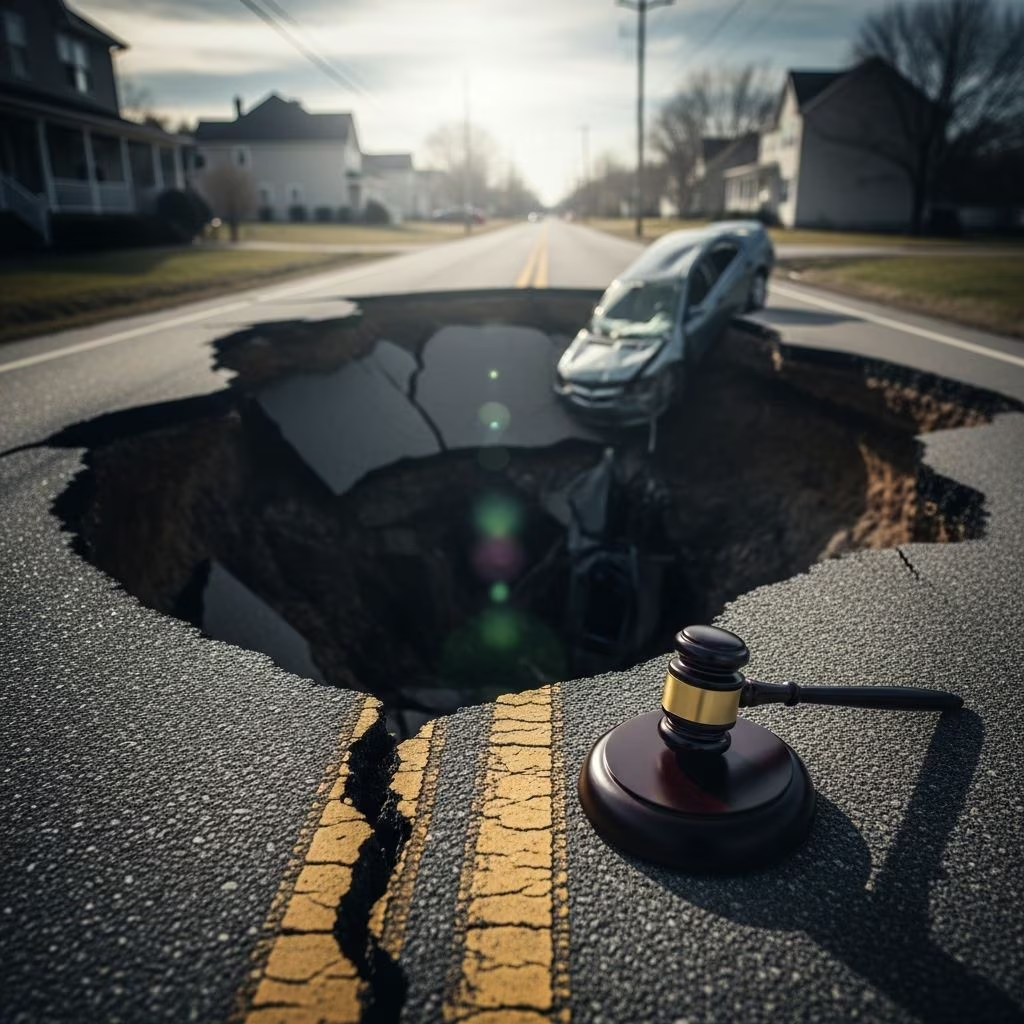
Sinkholes represent sudden and often devastating geological events that can cause severe personal injuries, structural damage to homes and roads, and significant financial losses. Victims may pursue compensation through various legal avenues, including negligence lawsuits, premises liability actions, and insurance claims, depending on the circumstances and responsible parties.
Understanding Sinkhole Formation and Risks
Sinkholes typically occur when subsurface voids, often from erosion, mining, or groundwater changes, cause surface collapse. In karst regions with soluble bedrock like limestone, these events are more common, leading to property devaluation, injuries from falls, or vehicle accidents. Common damages include cracked foundations, displaced roadways, and personal harms like fractures or concussions.
Property owners, contractors, and even government entities can bear responsibility if their actions or inactions contribute to these hazards. Recognizing liability early is crucial for building a strong case, as expert geological assessments often determine causation in court.
Primary Liability Parties in Sinkhole Incidents
Multiple entities may be held accountable for sinkhole-related damages. Identifying the at-fault party requires thorough investigation, including soil testing and historical land use records.
- Property Owners and Landlords: They must maintain safe conditions and warn of known hazards. Failure to repair or barricade a visible depression can lead to premises liability suits.
- Construction and Drilling Firms: Underground work that destabilizes soil, such as pipeline installation or excavation, frequently triggers collapses. Companies performing these operations owe a duty to monitor and mitigate risks.
- Real Estate Professionals: Agents and sellers must disclose known sinkhole risks during transactions. Non-disclosure can result in fraud claims if buyers suffer subsequent damage.
- Government Bodies: Municipalities and state agencies oversee public infrastructure. Neglecting road maintenance or ignoring reports of subsidence exposes them to tort claims, though sovereign immunity may apply in some cases.
- Mining Operations: Long-term extraction activities can create subterranean voids, leading to surface failures years later. Regulatory violations enable lawsuits for nuisance or negligence.
Building a Viable Sinkhole Lawsuit
To succeed in litigation, plaintiffs must prove four negligence elements: duty of care, breach, causation, and damages. Expert witnesses, such as geotechnical engineers, provide critical testimony on soil stability and defect origins. For instance, core sampling every five feet can reveal void presence, supporting claims against insurers or neighbors.
Courts often rely on technical evidence due to sinkholes’ hidden nature. Cases involving karst terrain highlight the need for due diligence in high-risk areas, where buyers should demand sinkhole surveys before purchase.
Key Legal Theories for Recovery
Sinkhole victims can leverage several tort and statutory claims tailored to the scenario.
| Legal Theory | Description | Potential Defendants | Example Damages |
|---|---|---|---|
| Premises Liability | Failure to warn or remedy known hazards on controlled property. | Landowners, businesses. | Medical bills, pain and suffering. |
| Negligence | Substandard actions causing foreseeable harm, like improper excavation. | Contractors, utilities. | Repair costs, lost income. |
| Fraudulent Concealment | Hiding sinkhole history in sales, reclassifying properties to inflate value. | Sellers, agents. | Diminished property value, relocation expenses. |
| Private Nuisance | Neighboring activities interfering with property use, e.g., drainage issues. | Adjacent owners, miners. | Remediation, injunctions. |
| Trespass | Physical invasion via subsidence affecting adjoining land. | Mining companies, developers. | Cleanup, structural fixes. |
These theories arise under state common law, with variations; for example, some jurisdictions treat sinkholes as statutory nuisances.
Navigating Insurance Claims for Sinkhole Damage
Many homeowners policies exclude ‘earth movement,’ but specific sinkhole endorsements cover verified collapses. Filing begins with notifying the insurer, followed by engineer inspections involving borings to confirm activity. Compensable items include:
- Foundation and structural repairs.
- Detached structures like sheds or fences.
- Personal belongings replacement.
- Temporary housing (ALE) during fixes.
- Liability for third-party injuries on the property.
Disputes arise when insurers deem damage ‘non-sinkhole’ or undervalue claims. Florida law, for instance, mandates testing but allows denials based on inconclusive results, prompting lawsuits for bad faith.
Steps to Take After Discovering a Sinkhole
- Ensure Safety: Evacuate the area and secure with barriers.
- Document Everything: Photograph the site, note conditions, and gather witness statements.
- Notify Relevant Parties: Insurer, local authorities, and potentially neighbors.
- Seek Professional Inspection: Hire a geologist for independent assessment.
- Consult an Attorney: Early legal advice preserves evidence and meets statutes of limitations, often 2-4 years.
Preserving the site prevents spoliation claims that could undermine your case.
Challenges and Defenses in Sinkhole Litigation
Defendants often argue act of God, lack of notice, or comparative fault. Proving foreseeability is tough without prior reports, and government defendants invoke immunity statutes. Plaintiffs counter with historical data showing regional risks, emphasizing proactive duties in prone areas.
Technical disputes favor those with superior experts; thus, selecting firms experienced in geotechnical litigation is vital.
Potential Compensation in Successful Claims
Awards vary by jurisdiction and severity but commonly cover economic and non-economic losses:
- Economic: Medical expenses, wage loss, property repairs (e.g., $50,000+ for foundation work).
- Non-Economic: Pain, emotional distress.
- Punitive: Rare, for egregious fraud.
In mining-related suits, courts have ordered remediation plans prioritizing safety over operations.
Frequently Asked Questions (FAQs)
Can I sue my neighbor for a sinkhole on my property?
Yes, if their actions like poor drainage or excavation caused it, under nuisance or trespass theories.
Does homeowners insurance cover sinkholes?
Standard policies often exclude them, but endorsements or specific state laws may provide coverage after testing confirms.
How long do I have to file a sinkhole lawsuit?
Typically 2-4 years from discovery, varying by state; consult local statutes.
Who pays if a sinkhole opens on a public road?
Government agencies may be liable for maintenance failures, subject to notice requirements.
Is expert testimony required in sinkhole cases?
Almost always, to establish causation via soil analysis and modeling.
Preventive Measures for Sinkhole-Prone Areas
Buyers in karst zones should commission ground-penetrating radar surveys and review mining records. Sellers must disclose histories accurately to avoid fraud suits. Municipalities can implement monitoring programs, reducing litigation through early intervention.
Overall, proactive risk assessment empowers stakeholders, minimizing disputes and enhancing safety.
References
- Sinkhole Accident Liability — Colburn Law. 2023. https://www.colburnlaw.com/sinkhole-accident-liability/
- When Sinkholes Become Legal Problems — Digital Commons @ USF. 2018-05-01. https://digitalcommons.usf.edu/cgi/viewcontent.cgi?article=1053&context=sinkhole_2018
- Sinkhole Damage Lawyer — Dolman Law Group. 2024. https://www.dolmanlaw.com/property-damage-lawyer/sinkhole-damage-lawyer/
- How Can You Pursue a Sinkhole Claim? — Lowman Law Firm. 2023. https://www.lowmanlawfirm.com/blog/pursue-a-sinkhole-claim
- Lawsuits allege sinkholes weren’t properly disclosed to homebuyers — YouTube (ABC Action News). 2023. https://www.youtube.com/watch?v=O5Gj_9vLVhQ
- Sinkhole Claims Disputes — For The People. 2025-07-09. https://www.forthepeople.com/blog/sinkhole-claims-disputes/
- Ohio AG Filed Lawsuit Against Mining Company — State Impact Center. 2024. https://stateimpactcenter.org/ag-work/ag-actions/ohio-ag-filed-lawsuit-against-mining-company-for-underground-mining-activities-that-caused-sinkholes-near-a-highway