
Legal Options When Your Roommate Stops Paying Rent
Understand your rights, responsibilities, and the lawful steps you can take when a roommate refuses to pay their share of the rent.
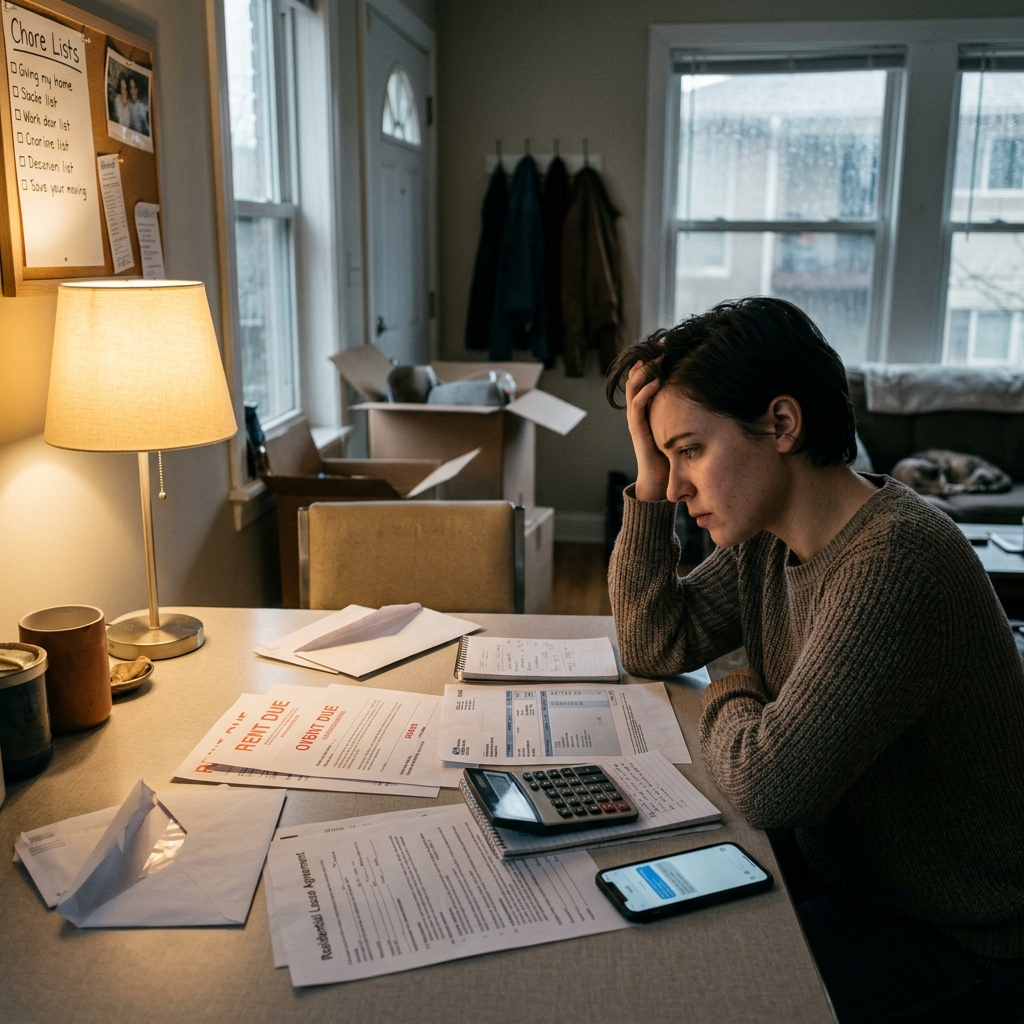
Sharing a home with a roommate can make housing more affordable, but it also creates legal and financial risks. One of the most stressful situations is when a roommate stops paying their share of the rent. Handling this the wrong way can expose you and your landlord to legal problems, including claims of illegal eviction or harassment. Handling it correctly requires understanding how landlord–tenant law works, what your landlord can (and cannot) do, and what steps you must follow to resolve the situation.
This guide explains the typical legal framework for dealing with a nonpaying roommate, how the process differs depending on your lease arrangement, and the lawful steps to remove the roommate or recover what you are owed. Laws vary by state and municipality, so you should always confirm the details with a local attorney or legal aid office before taking action.
Why Your Lease Status Matters
Before you consider eviction or legal action, you must identify the legal relationship between you, your roommate, and your landlord. The rights and options available depend heavily on what the lease says and who is listed on it.
Common roommate arrangements
- Both roommates are on the lease – You and your roommate are co-tenants. Each of you has a direct contractual relationship with the landlord and equal rights to occupy the rental.
- Only one roommate is on the lease – The person named on the lease is the tenant; the other is usually considered a subtenant, licensee, or guest, depending on local law and the lease language.
- No written lease – In some jurisdictions, a verbal rental agreement can still create a landlord–tenant relationship, but proving terms such as rent share or notice periods can be more complex.
In most states, roommates cannot evict each other directly. Only the landlord (or property owner) can initiate a formal eviction through the courts. If you want a nonpaying roommate out, you typically must work with your landlord or pursue a separate civil claim for money, not physical removal.
Joint and several liability for rent
Many leases specify that tenants are “jointly and severally liable” for the full rent. This means the landlord can demand the entire monthly amount from any one tenant, even if you agreed privately with your roommate to split the rent 50/50. If your roommate stops paying, the landlord can still pursue you for the full amount due.
Because of this, a nonpaying roommate is not only breaking a personal agreement with you; they may also be putting your housing at risk and exposing you to eviction and collection actions.
First Response: Resolve the Problem Informally
Although legal remedies may be available, most official sources advise starting with communication and negotiation. Informal resolution is faster, cheaper, and less risky than court.
Talk to your roommate
The first step should almost always be a calm, direct conversation. Try to understand why the roommate stopped paying and whether there is a short-term solution.
- Ask whether the nonpayment is temporary (e.g., job loss, illness) or intentional.
- Clarify what each of you believes your share of the rent is and when it is due.
- Discuss possible payment plans or adjustments to living arrangements.
Even government and community legal resources emphasize that many roommate disputes can be solved through discussion and clear expectations.
Document the conversation in writing
After speaking in person or by phone, follow up with a written message confirming what was discussed. This can be a letter, email, or text message.
- Summarize the amount owed and the time period it covers.
- State any payment deadlines you agreed on.
- Indicate potential consequences if they do not pay (for example, involvement of the landlord or legal action).
Creating a paper trail will be important if the situation escalates and you need to show a judge or mediator that you tried to resolve the issue informally.
Working With Your Landlord
Because only the landlord can carry out a formal eviction in most jurisdictions, you will likely need their involvement if the roommate refuses to pay or leave voluntarily. The landlord’s options depend on who is named on the lease.
If both of you are tenants on the lease
When both roommates are tenants, the landlord usually cannot evict just one of you for nonpayment of their share. Instead, the landlord may:
- Issue a notice to quit or demand for possession to all tenants for unpaid rent.
- File an eviction case against the household if the full rent is not paid by the deadline.
- Seek a court judgment for the full amount of unpaid rent against either or both tenants.
In this situation, you might avoid eviction by paying the entire arrears yourself and then suing your roommate separately in small claims court to recover their share.
If only you are on the lease and your roommate is a subtenant
Where the roommate is not named on the lease, the landlord often views them as your guest or subtenant. Many official tenancy agencies will not handle disputes between tenants and their roommates; they focus on the landlord–tenant relationship.
In practice:
- The landlord holds you responsible for the full rent and for complying with lease terms.
- You may have more freedom, subject to local law and your lease, to end your roommate’s right to live there.
- However, you still cannot physically remove the roommate or lock them out without proper legal process; doing so may be treated as an illegal eviction in some jurisdictions.
Always speak with your landlord before changing locks, restricting access, or taking other steps that affect occupancy. Some jurisdictions even require landlord consent for lock changes.
Formal Notices and the Eviction Process
If informal efforts fail and the roommate refuses to pay or leave, the next step in many places is a formal written notice, followed by a court eviction case if needed.
Typical eviction notice types
| Type of notice | Common purpose | Typical timeframe (varies by jurisdiction) |
|---|---|---|
| Notice to quit / Demand for possession | Nonpayment of rent; requires tenant to pay or move out. | Often 7–30 days depending on state law and lease. |
| Notice to terminate tenancy | End of rental period or no-cause termination where allowed. | Ranges widely; e.g., 21–91 days in some states for certain tenancies. |
| Unlawful detainer notice | Used in some states to start the court eviction process. | Time limits set by statute; often short. |
These notices are usually prepared and served by the landlord, not a roommate. They must comply with state and local rules regarding content, delivery method, and minimum notice period.
Key information in an eviction notice
- The amount of unpaid rent and the dates it covers.
- The deadline to pay or vacate.
- The specific lease violations (e.g., nonpayment, damage, nuisance).
- Consequences of not complying, such as filing an eviction lawsuit.
If the roommate still does not pay or leave by the deadline, the landlord can file an eviction case in court. Depending on the area, this may take place in a housing court, county court, or similar tribunal.
Court eviction and law enforcement involvement
In a typical court eviction proceeding, the landlord presents:
- The lease agreement and any addenda.
- Copies of all notices served on the tenants.
- Records of unpaid rent and other evidence of lease breach.
If the court rules in the landlord’s favor, it may issue a judgment and a writ of possession giving legal control of the property back to the landlord. If the tenant or roommate still refuses to leave, law enforcement such as a sheriff or marshal can enforce the writ and physically remove the occupant.
Self-help measures—such as locking out the roommate, cutting off utilities, or removing their belongings without a court order—are illegal in many jurisdictions and can expose you and the landlord to liability.
Alternative Dispute Resolution and Mediation
Because eviction is disruptive and can have long-term consequences for both tenants, many legal guides recommend considering mediation before resorting to court. Mediation involves a neutral third party helping you and your roommate negotiate a solution.
- Community mediation services are often low-cost or free and may specialize in housing disputes.
- Mediators can help create written agreements about move-out dates, payment plans, or other terms.
- Agreements reached in mediation can sometimes be made enforceable through court or arbitration, depending on local law.
While mediation is not a replacement for formal eviction when someone refuses to cooperate, it can be a practical way to preserve relationships and avoid the stress and expense of litigation.
Recovering Unpaid Rent From Your Roommate
Even if the roommate eventually leaves or is evicted, you may still want to recover the money you paid to cover their share of the rent. In many jurisdictions, tenants can sue their roommates for breach of the roommate agreement or unjust enrichment.
Small claims and civil court options
Several official legal resources explain that when roommate disputes fall outside landlord–tenant statutes, a civil action for damages may be the appropriate remedy.
- Small claims court is often available for modest amounts (for example, up to a few thousand dollars).
- You must prove how much the roommate agreed to pay and how much they failed to pay.
- Evidence can include written roommate agreements, email chains, text messages, bank statements, and receipts showing your payments.
Even without a formal written contract, judges may enforce clear, documented agreements between roommates. However, the outcome depends on the jurisdiction and the quality of your evidence.
Claims for property damage or other violations
In addition to unpaid rent, you might have claims arising from property damage, utility costs, or other breaches of agreement. Some states treat serious misconduct—such as violence or major property damage—as a “substantial violation” that can justify shorter notice periods for eviction.
When safety is at risk, courts can sometimes issue protective orders or temporary restraining orders that require a dangerous roommate to stay away from the home during the eviction process.
Safety and When to Involve Police
Most official guidance stresses that roommate disputes over money or ordinary breaches of agreement are civil matters. Police typically do not remove someone from a rental just because they stopped paying rent.
You should involve law enforcement if:
- The roommate threatens or engages in violence.
- You are being stalked, harassed, or otherwise endangered.
- The landlord or anyone else tries to illegally lock you out or force you to move under threat.
If you are locked out or your safety is at risk, many cities advise calling emergency services and seeking immediate legal help. Protective orders or restraining orders may provide temporary relief while civil eviction or damages cases proceed.
Practical Tips to Prevent Future Roommate Problems
While no agreement can guarantee a perfect living situation, careful planning and documentation before moving in with a roommate can reduce the likelihood of disputes and make any necessary legal action smoother.
- Use a written roommate agreement that clearly states how rent, utilities, and other costs will be divided; when payments are due; and what happens if someone wants to move out early.
- Clarify lease status with the landlord: who is an official tenant and who is an authorized occupant or subtenant.
- Track payments with bank transfers, checks, or apps that create a record, rather than relying on cash.
- Address issues early—late payments and broken promises rarely improve without intervention.
- Consult legal resources such as state housing agencies or legal aid organizations to understand local procedures before problems arise.
Frequently Asked Questions
Can I evict my roommate myself if they are not on the lease?
Generally, no. Even if your roommate is not on the lease, you usually cannot perform a self-help eviction such as locking them out or removing their belongings. In most jurisdictions, only the landlord or property owner can pursue a formal court eviction, and law enforcement can enforce that order. Your main options are to work with the landlord to end their occupancy or to pursue a civil case for money damages.
What happens if my roommate’s nonpayment causes the landlord to evict both of us?
If both of you are tenants on the lease and the full rent is not paid, the landlord may serve a demand for possession or similar notice and then file an eviction case against the household. You can sometimes avoid eviction by paying the arrears yourself, but the landlord may still seek a judgment for unpaid rent and court costs. Later, you may sue your roommate to recover what you paid on their behalf.
How much notice does a landlord have to give before eviction for unpaid rent?
The required notice period varies by state and the reason for eviction. For example, one city’s guidance states that a nonpayment notice must provide at least seven days to pay before court action. Other sources mention three–30 days for standard notices to vacate, and longer periods for certain tenancy types. Always check your local law or consult an attorney, as these timelines are strictly regulated.
Can I change the locks to keep a nonpaying roommate out?
Changing locks without legal authority can be risky. Some legal resources note that lock changes might be possible as a last resort with the landlord’s consent and after giving reasonable written notice to the roommate. However, in many places, unilateral lockouts are considered illegal evictions. Never change locks without confirming the rules in your jurisdiction and getting written permission from the landlord.
Is a verbal agreement with my roommate enforceable?
Verbal agreements can sometimes be enforceable, but they are harder to prove. Courts often rely on written communications, payment records, and other evidence to determine what the parties agreed to. If you plan to sue a roommate for unpaid rent, gather emails, text messages, and bank records showing the expected share and the amounts actually paid.
References
- Steps to Eviction — City of Detroit. 2023-02-01. https://detroitmi.gov/node/39576
- Roommate Stopped Paying Rent: Options for Removing Them — People’s Law School (BC). 2022-06-10. https://www.peopleslawschool.ca/qa/roommate-stopped-paying-rent/
- Roommates — Texas Law Help. 2023-05-15. https://texaslawhelp.org/article/roommates
- Steps to Evict Someone From Your Home — Realtor.com Advice. 2021-07-20. https://www.realtor.com/advice/rent/how-to-evict-a-family-member/
- Roommate Evictions in Colorado — Robinson & Henry, P.C. 2022-11-08. https://www.robinsonandhenry.com/blog/real-estate/roommate-evictions/
- How To Legally Evict a Roommate Who Isn’t Paying Rent — Super Lawyers. 2023-03-14. https://www.superlawyers.com/resources/landlord-and-tenant/evictions/how-to-legally-evict-a-roommate-who-isnt-paying-rent/
Similar Articles








Read full bio of medha deb


