
Legal Options After Listeria Food Poisoning
A practical legal guide for consumers harmed by Listeria contamination, from diagnosis and evidence to who you can sue and what compensation you may recover.
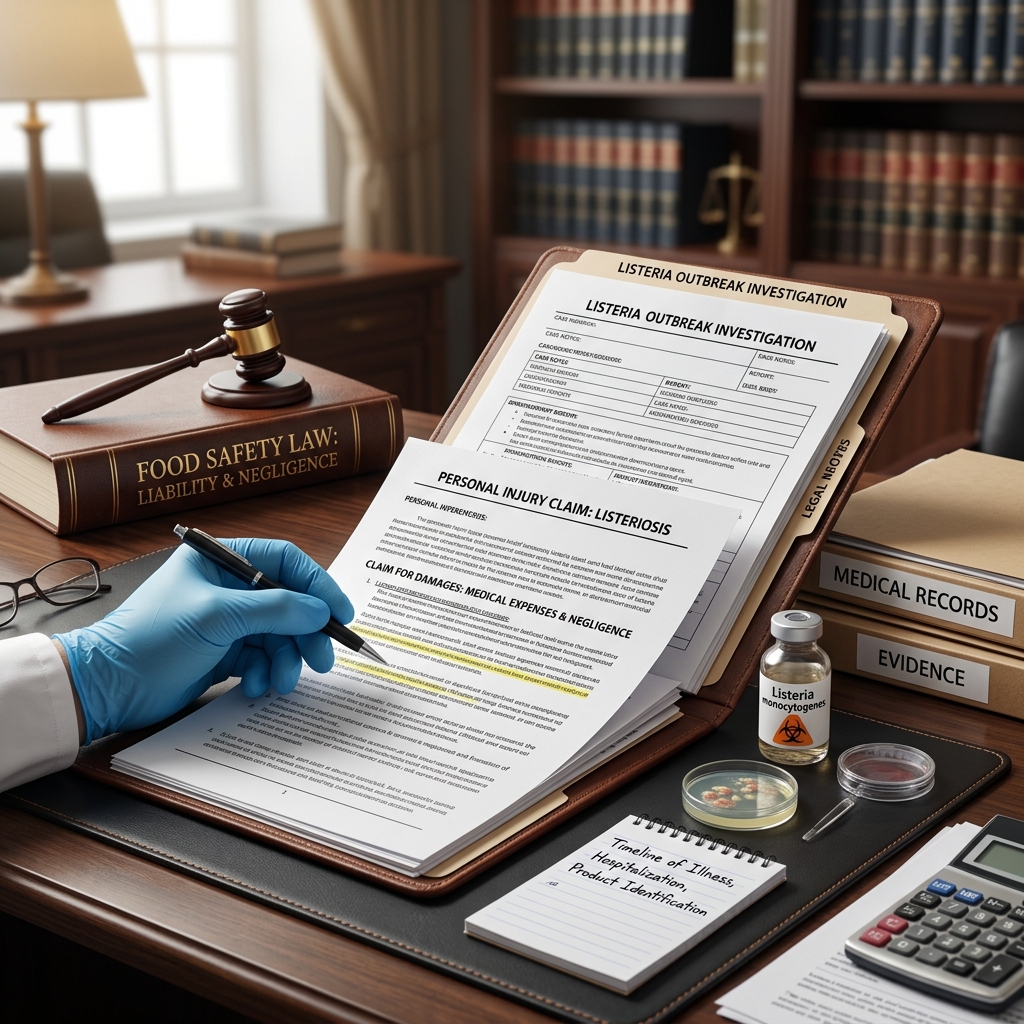
Listeria food poisoning can turn an ordinary meal into a serious medical emergency. Beyond the health risks, many people are unsure whether they can pursue legal action and, if so, against whom. This guide explains how listeria contamination occurs, what you must prove to bring a claim, who may be legally responsible, and how to protect your rights after a diagnosis.
Understanding Listeria and Listeriosis
Listeria monocytogenes is a bacterium that causes the infection known as listeriosis. It is commonly associated with contaminated foods and is especially dangerous for pregnant people, newborns, older adults, and individuals with weakened immune systems.
Unlike many other foodborne pathogens, listeria can grow at refrigerator temperatures, allowing the bacteria to multiply in foods that are stored for long periods. This characteristic makes ready-to-eat items and refrigerated products a recurring source of outbreaks.
Common Foods Linked to Listeria Outbreaks
Official data and litigation history show that listeria infections frequently involve the following categories of food:
- Deli meats and hot dogs
- Soft cheeses made with unpasteurized milk
- Ready-to-eat salads and produce
- Sprouts and raw vegetables
- Ice cream and other refrigerated desserts
- Milk and dairy products that are not pasteurized
While outbreaks often focus on a specific product or brand, any food that has been contaminated during production, processing, transportation, or preparation can potentially transmit listeria.
Symptoms and Medical Risks
Listeriosis ranges from mild gastrointestinal illness to life-threatening systemic infection. Typical early symptoms include:
- Fever and chills
- Diarrhea and nausea
- Muscle aches and general fatigue
When the infection spreads beyond the digestive tract, it can affect the nervous system and cause more severe problems such as headache, stiff neck, confusion, loss of balance, or seizures. In vulnerable individuals, listeriosis can progress to sepsis, meningitis, or other complications that may be fatal.
The U.S. Centers for Disease Control and Prevention (CDC) advises that anyone who develops compatible symptoms after eating a product linked to a listeria outbreak should seek medical care and inform their healthcare provider about the possible exposure. Symptoms can appear within hours or days, but in some cases the incubation period can extend up to two months.
When Does Listeria Poisoning Become a Legal Case?
Not every episode of food poisoning results in a viable lawsuit. To pursue a listeria claim, you generally need three core elements:
- Confirmed diagnosis of listeriosis (usually through laboratory testing).
- Evidence connecting your illness to a particular food product or establishment.
- Documented damages, such as medical bills, lost wages, or other measurable losses.
These requirements exist because listeria infections can have multiple possible sources, and courts require proof that a specific defendant likely caused the harm.
Key Legal Theories in Listeria Cases
Listeria claims are typically brought under product liability and related negligence doctrines. The most common legal theories include:
- Negligence: The manufacturer, distributor, or food service provider failed to exercise reasonable care in preventing contamination.
- Strict product liability: The food was unreasonably dangerous or defective (contaminated) when it left the defendant’s control, regardless of whether the company exercised care.
- Breach of warranty: The product did not conform to implied or express guarantees of safety or fitness for consumption.
These theories allow injured consumers to seek compensation when food companies violate their duty to provide reasonably safe products.
Identifying Who You Can Sue for Listeria
Food production and distribution involves many actors, and more than one party may share legal responsibility for contamination. Law firms specializing in listeria lawsuits commonly bring claims against multiple defendants.
Potentially Liable Parties
Depending on the facts, a claim may be brought against one or more of the following:
- Farms and food production facilities that grow or initially process the ingredients
- Manufacturers that prepare and package the final food products
- Distributors and wholesalers that transport contaminated items
- Grocery stores and retailers that sell contaminated products to consumers
- Restaurants and food service providers that serve unsafe meals
- Institutional kitchens in hospitals, nursing homes, schools, or long-term care facilities
In large outbreaks, public health investigations often trace the contamination back to a specific facility or product line, which can clarify who is most likely responsible and what claims may be viable.
Example: Institutional Outbreaks
Recent outbreaks have shown how listeria contamination can disproportionately affect people in hospitals and long-term care facilities when contaminated products are served repeatedly. In one event, frozen nutritional shakes manufactured and distributed by specific companies were traced as the source of infection among medically vulnerable populations. Cases like this often involve claims against both the manufacturer and distributor, and they may raise issues about the oversight and food safety practices within healthcare institutions.
Evidence You Need to Build a Strong Case
Because listeria can have a long incubation period and multiple sources, careful documentation is essential to connecting your illness to a specific product or defendant.
Medical Documentation
- Laboratory test results confirming listeria monocytogenes infection
- Hospital records, physician notes, and discharge summaries
- Prescription records and treatment plans
- Invoices and receipts for medical costs
In personal injury or wrongful death cases based on contaminated food, a lab-confirmed diagnosis is often necessary to prove that listeria was the cause of illness.
Food and Purchase Evidence
Evidence that links your illness to a specific food product or meal may include:
- Leftover food suspected of causing the illness
- Original packaging, including lot numbers, expiration dates, and brand information
- Receipts, loyalty card records, or invoices showing where and when items were purchased
- Menus or order records from restaurants or institutional kitchens
Attorneys and expert investigators may work with public health agencies to compare your evidence with outbreak data and laboratory findings.
Reporting to Health Authorities
When a listeria infection is diagnosed, it should be reported to local or state health departments. In the United States, infections linked to specific food categories are reported to federal agencies with oversight over those products, such as:
- USDA – for meat, poultry, and certain egg products
- FDA – for most other food categories, including dairy and produce
These reports assist in identifying outbreaks and tracing contamination back to its source, which may ultimately support civil claims against responsible companies.
What Compensation Is Available in Listeria Lawsuits?
If your claim is successful, you may be entitled to several types of damages.
| Category of Damages | Examples |
|---|---|
| Medical expenses | Emergency care, hospitalization, surgery, medication, rehabilitation |
| Lost income | Wages missed during recovery, reduced earning capacity |
| Pain and suffering | Physical pain, emotional distress, loss of enjoyment of life |
| Out-of-pocket costs | Transportation to medical care, caregiving expenses, special dietary needs |
| Wrongful death damages | Funeral costs, loss of financial support, loss of companionship for eligible family members |
Specific damage categories and limits depend on the jurisdiction and the facts of each case. In wrongful death claims arising from listeriosis, families may seek compensation for both economic losses and the intangible impact of a loved one’s death.
Steps to Take Immediately After a Listeria Diagnosis
Your actions in the days and weeks after diagnosis can significantly influence the strength of any future legal claim.
1. Prioritize Medical Care
Health and safety should come first. Follow your doctor’s instructions, attend all appointments, and promptly report any worsening symptoms. Severe outcomes frequently occur when infection spreads beyond the digestive tract, so close monitoring is crucial.
2. Preserve Evidence
To support a potential claim, preserve items and records that could later connect your illness to a specific source:
- Refrigerate or freeze any leftover food suspected of causing illness
- Save packaging, including labels and barcodes
- Keep receipts and any documentation showing where food was purchased or consumed
- Make a written timeline of what you ate before symptoms began
3. Document Your Damages
- Maintain a file of bills, insurance statements, and wage records
- Track days missed from work or school
- Note any major life disruptions, such as childcare issues or canceled travel
This documentation helps quantify your losses and can support claims for economic and non-economic damages.
4. Consult a Food Safety or Personal Injury Lawyer
Law firms that focus on foodborne illness or product liability have experience evaluating listeria claims, coordinating with public health agencies, and working with medical experts. An attorney can assess whether you have a viable case, identify potential defendants, and explain the options for settlement or litigation.
How a Listeria Lawsuit Typically Proceeds
Although every case is unique, many listeria lawsuits follow a similar procedural path.
- Initial evaluation: You discuss your diagnosis, timeline of exposure, and available evidence with a lawyer.
- Investigation: The legal team gathers medical records, purchase documentation, and any lab data from public health authorities.
- Filing the claim: Once the liable parties are identified, the attorney may file a lawsuit asserting negligence, product liability, or related claims.
- Discovery phase: Both sides exchange evidence, take depositions, and may consult experts in microbiology, epidemiology, and food safety.
- Settlement negotiations: Many cases resolve through negotiated settlements rather than trial, particularly when outbreak evidence is strong.
- Trial (if needed): If no fair settlement is reached, the case may proceed to trial, where a judge or jury decides liability and damages.
Frequently Asked Questions About Listeria Lawsuits
Can I sue if I only had a “mild” case of listeria?
Yes, in principle you may bring a claim even if your illness did not require hospitalization, provided you can prove contamination and damages. However, very small claims may be less economical to pursue individually, and some attorneys may focus on more serious cases or outbreak situations.
What if I am not sure which food made me sick?
Uncertainty about the precise source is common, especially given listeria’s long incubation period. Public health investigations, purchase records, and lab testing can sometimes clarify the source. A lawyer can evaluate whether available evidence is strong enough to support a claim, particularly if the illness occurred during a known outbreak.
Do I need to be part of a recall or outbreak to sue?
No. Individual claims can arise outside major recalls or outbreaks. That said, outbreak data often provides powerful evidence because laboratories may have matched patient samples with contamination findings in specific products or facilities. Being part of a documented outbreak can strengthen your case, but it is not strictly required.
How long do I have to file a listeria lawsuit?
Deadlines, known as statutes of limitations, vary by state and depend on whether the case involves personal injury or wrongful death. In many U.S. jurisdictions, these periods range from one to several years from the date of injury or discovery. Because missing a deadline can bar your claim entirely, it is important to consult an attorney as soon as feasible.
Can family members sue if a loved one dies from listeria?
Yes. When listeria infection causes death, eligible relatives may bring a wrongful death lawsuit seeking compensation for financial and emotional losses. The specific family members who may file, and the types of damages available, are determined by state law.
Protecting Yourself and Strengthening Public Safety
Legal actions arising from listeria contamination serve two functions: compensating individuals and encouraging better safety practices in the food industry. When companies face accountability for unsafe products, they have incentives to improve sanitation, testing, and oversight across the supply chain.
As a consumer, you cannot eliminate all risk, but you can reduce your chances of infection by following public health guidance, paying attention to recalls, and being especially cautious if you or a family member belongs to a high-risk group. If a serious infection occurs despite reasonable precautions, understanding your legal rights can help you respond effectively and seek appropriate compensation.
References
- Listeria Food Poisoning — Cory Watson Attorneys. 2024-03-15. https://www.corywatson.com/cases-we-handle/listeria-food-poisoning/
- Listeria Outbreaks — OFT Food Safety & Injury Lawyers. 2025-02-10. https://www.oftlaw.com/listeria-outbreaks/
- Listeria Lawsuit — Pritzker Hageman. 2025-01-20. https://www.pritzkerlaw.com/listeria/listeria-lawsuit/
- Listeria Infection Lawsuit — TorHoerman Law. 2026-07-01. https://www.torhoermanlaw.com/listeria-infection-lawsuit/
- Legal Options for Frozen Shake Listeria Outbreak Victims — Farah & Farah. 2025-05-30. https://farahandfarah.com/blog/legal-options-frozen-shake-listeria-outbreak-victims/
- Listeria Outbreak Lawsuits: Protecting Your Rights — O’Connor & Partners PLLC. 2024-11-12. https://www.oconnorpersonalinjury.com/listeria-outbreak-lawsuits-protecting-your-rights-with-oconnor-partners-pllc/
- Listeria Outbreak Lawsuit – National Listeria Lawyers — ListeriaOutbreakLawyer.com. 2024-08-18. https://listeriaoutbreaklawyer.com/
Similar Articles








Read full bio of Sneha Tete


