
Legal Liability for Emergency Response Failures
Understanding when you can pursue legal action for delayed or withheld emergency assistance.
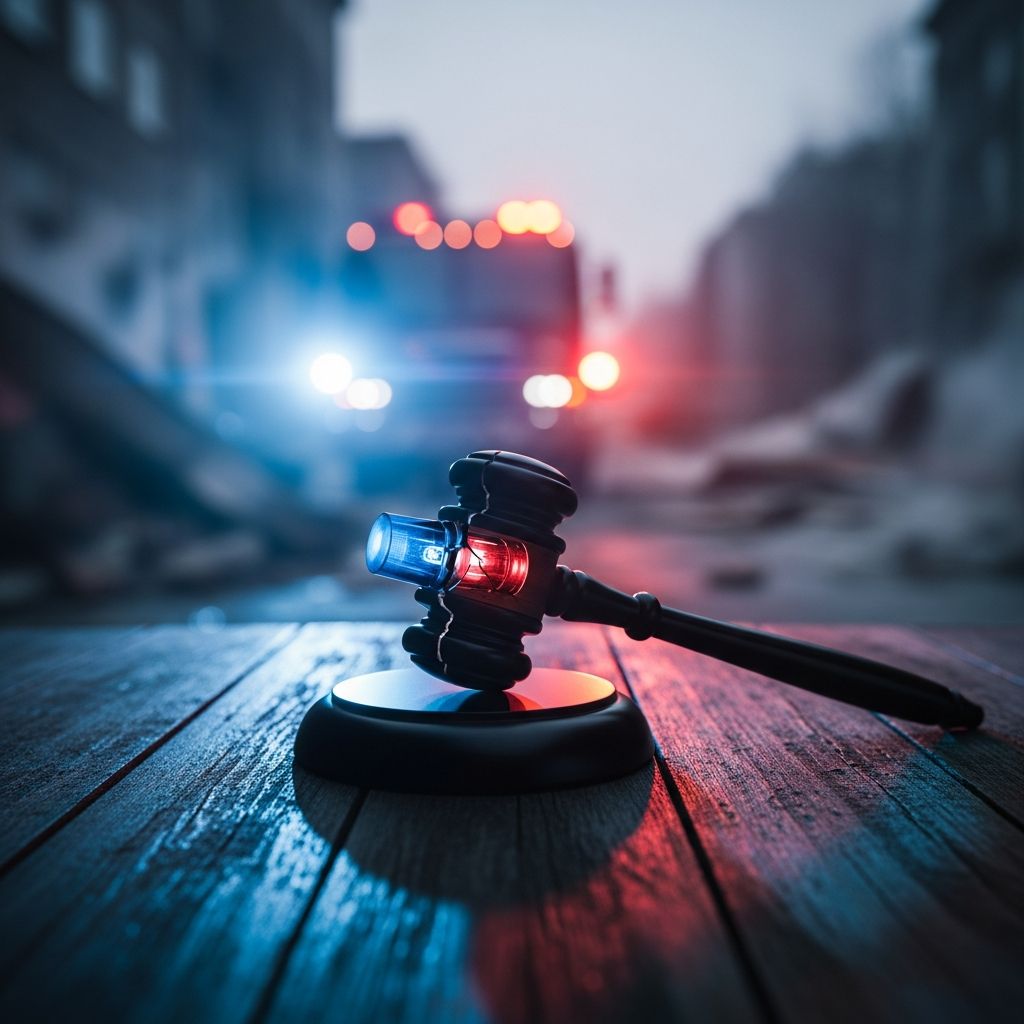
Understanding Emergency Response Obligations and Legal Accountability
When someone experiences a medical emergency or serious injury, the immediate instinct for most people is to call 911 and seek professional help. However, what happens when someone nearby deliberately refuses to make that call, or significantly delays doing so? The injured party may wonder whether they have legal recourse against the person who failed to act. The answer to this question depends on multiple factors, including the relationship between the parties involved, the specific circumstances of the emergency, and the laws governing the jurisdiction where the incident occurred.
The legal landscape surrounding emergency response failures is complex and nuanced. While many people assume there is a universal legal obligation to call 911 when someone is in danger, the actual law is considerably more complicated. Understanding these legal principles is essential for anyone who has been harmed due to another person’s failure or delay in contacting emergency services.
The Foundation of Duty of Care in Emergency Situations
At the core of most emergency response lawsuits is the concept of “duty of care.” This legal principle establishes that certain individuals and entities have a responsibility to act reasonably and protect others from harm. When someone breaches this duty by failing to provide appropriate care or assistance, they may be held liable for resulting injuries.
However, not every person has a duty of care toward every other person. The existence and scope of this duty depends heavily on the relationship between the parties and the circumstances involved. A bystander who witnesses an accident has a different legal obligation than an employer overseeing an employee, or a healthcare provider treating a patient.
The four essential elements required to establish a successful negligence claim are:
- Duty of Care: A legal obligation owed by one party to another to act reasonably and prevent harm
- Breach of Duty: A failure to meet the standard of care that a reasonable person would provide in similar circumstances
- Causation: A direct and demonstrable connection between the breach of duty and the injuries sustained
- Damages: Quantifiable harm or injury resulting from the defendant’s negligent actions
Each of these elements must be proven for a negligence claim to succeed. Without all four components, a plaintiff’s case will likely be dismissed or unsuccessful.
When Legal Duty to Call Emergency Services Exists
While the general rule is that ordinary citizens have no legal obligation to assist strangers in emergencies, important exceptions create situations where individuals do have a duty to call for help. Understanding these exceptions is crucial for determining whether someone can be held liable for failing to summon emergency assistance.
Special Relationships That Impose Duty:
Certain relationships automatically establish a duty of care and, by extension, a duty to call 911 when emergency assistance is needed. These special relationships include:
- Parent-child relationships
- Employer-employee relationships
- Caregiver-patient or caregiver-dependent relationships
- Healthcare provider-patient relationships
- Business proprietor-customer or visitor relationships
When someone occupies one of these roles, they cannot simply ignore an emergency affecting the other person. Instead, they must take reasonable steps to obtain emergency medical assistance when needed. Failure to do so constitutes a breach of their legal duty.
Situations Where Duty Arises from Actions Taken:
Even absent a special relationship, duty can be created through voluntary actions. For instance, if someone begins attempting to rescue or assist another person, they create an obligation to continue that rescue and to call 911 if the situation escalates beyond their capabilities. Similarly, if someone created the dangerous condition that harmed another person, they bear responsibility for ensuring that person receives emergency care.
Statutory and Jurisdictional Requirements:
Some jurisdictions have enacted laws that require certain individuals to report emergencies or call for assistance in specific situations. These statutory requirements vary by location and may apply to mandatory reporters in situations involving child abuse, elder abuse, or other specified emergencies. Failure to comply with these legal obligations can result in criminal charges in addition to civil liability.
The Consequences of Delayed Emergency Response
When someone fails to call 911 promptly, or deliberately refuses to call despite knowing emergency assistance is needed, the consequences can be severe. Delays in emergency response can transform a manageable medical situation into a life-threatening crisis.
A practical illustration of this principle occurs when an injured person is forced to seek help themselves due to another’s refusal to call. If an injured person must walk to a neighbor’s house to call 911 and suffers a cardiac event during that walk, the person who originally refused to make the call could be held liable for the additional injury. The original injury was already present, but the defendant’s breach of duty directly caused the cardiac arrest through the delay and forced exertion.
Additional injuries resulting from delay in emergency response can include:
- Worsening of the original medical condition
- Complications from delayed treatment
- Secondary injuries sustained while seeking help
- Permanent disability or reduced quality of life
- In severe cases, death
Professional environments such as gyms, fitness facilities, and commercial establishments face particular scrutiny regarding emergency response. When a member or patron suffers an injury on the premises, the business and its staff have a duty to summon emergency assistance promptly. Delays in calling 911 in these contexts can lead to lawsuits alleging gross negligence, even if liability waivers might ultimately protect the defendant.
Gross Negligence Versus Ordinary Negligence
An important distinction exists between ordinary negligence and gross negligence. While some defendants may be protected by liability waivers from ordinary negligence claims, gross negligence often cannot be waived or contractually eliminated.
Gross negligence involves a reckless disregard for the safety of others, demonstrating a conscious indifference to consequences. A deliberate refusal to call 911 when someone is clearly dying could potentially rise to the level of gross negligence, whereas a simple mistake or momentary lapse in judgment would constitute ordinary negligence.
This distinction becomes particularly important in commercial settings where patrons have signed release forms. A facility might successfully defend an ordinary negligence claim through contractual waivers, but a claim of gross negligence might survive and proceed to trial.
Medical Professional Accountability in Emergency Contexts
Healthcare providers face heightened expectations regarding emergency response. When a medical professional becomes aware that a patient requires emergency services, failing to call 911 can constitute medical malpractice. Medical professionals understand the severity of various conditions and have the training and duty to recognize when emergency intervention is necessary.
Malpractice claims arising from failure to call emergency services can result in significant damages, including:
- Medical expenses for additional treatment
- Lost wages and income
- Pain and suffering compensation
- Permanent disability damages
- Wrongful death damages if death results
Expert witnesses often play a crucial role in these cases, providing specialized testimony about the standard of care that a reasonable medical professional would provide in similar circumstances. Their testimony helps establish whether the defendant’s failure to call 911 constituted a breach of the applicable standard of care.
Damages and Compensation Available to Victims
When someone successfully proves that another party’s failure or delay in calling 911 caused harm, they may recover various forms of damages. These damages are designed to compensate the victim for all losses resulting from the defendant’s negligence.
Economic Damages:
- Medical and hospital expenses
- Ongoing treatment and rehabilitation costs
- Lost wages and diminished earning capacity
- Funeral and burial expenses in wrongful death cases
Non-Economic Damages:
- Pain and suffering
- Emotional distress
- Loss of enjoyment of life
- Loss of companionship in wrongful death cases
Wrongful death actions allow family members to pursue compensation when a failure to call 911 results in death. These cases can involve substantial damages, reflecting both the economic losses to the family and the immeasurable loss of their loved one.
Legal Defenses Against 911 Failure Claims
Defendants facing allegations of failing to call 911 have several potential legal defenses available. The most significant defense is the absence of a legal duty to call. If the defendant can demonstrate that no special relationship existed, that they did not create the dangerous condition, and that no statutory obligation applied, the claim may fail entirely.
Other potential defenses include:
- Lack of knowledge that an emergency existed
- Reasonable belief that others had already called for help
- Inability to contact emergency services due to circumstances beyond the defendant’s control
- Intervening causes that broke the chain of causation between the delay and the injury
- Comparative negligence by the injured party
Good Samaritan laws in many jurisdictions provide protection for individuals who voluntarily assist in emergencies, protecting them from liability for ordinary negligence in providing assistance. However, these protections typically do not apply to people who refuse to provide any assistance at all, and they do not protect against gross negligence or reckless conduct.
The Impact of Jurisdiction and Statutory Law
Legal obligations regarding emergency response vary significantly across different jurisdictions. Some states and localities have implemented specific statutes governing mandatory reporting and emergency response requirements. These variations mean that what constitutes a breach of duty in one jurisdiction might be entirely legal in another.
Additionally, some jurisdictions have explicitly rejected the “public duty doctrine,” which previously held that emergency services had no duty to individual citizens but only to the general public. Where this doctrine has been rejected, it becomes easier for individuals to pursue claims against emergency service providers for negligent response.
Understanding the specific laws of your jurisdiction is essential before pursuing or defending against a 911 failure claim. An attorney licensed in your area can provide guidance on the applicable legal standards.
Practical Considerations in 911 Failure Cases
Beyond the legal questions, practical considerations affect whether pursuing a claim makes sense. Even when a valid legal claim exists, practical factors include:
- Whether the defendant has adequate insurance coverage or assets to pay damages
- The expense and time required to litigate the claim
- The availability and credibility of witnesses
- The strength of evidence establishing the delay and its impact
- The emotional toll of litigation on the injured party and family
Many emergency response cases are resolved through settlement negotiations rather than trial, allowing parties to avoid lengthy litigation while obtaining compensation for documented losses.
Frequently Asked Questions
Q: Does every person have a legal duty to call 911 when they see an emergency?
A: No. Generally, ordinary citizens have no legal duty to assist strangers in emergencies. However, duty exists when special relationships are involved (employer-employee, parent-child, caregiver-patient), when the person created the dangerous situation, when they began a rescue and must continue it, or when local laws impose mandatory reporting requirements.
Q: Can I sue someone if their delay in calling 911 caused additional injuries?
A: Yes, if a legal duty existed and the delay directly caused additional harm, you may be able to pursue a negligence claim. For example, if you were injured and someone refused to call 911, forcing you to seek help yourself and suffering further injury in the process, the person who refused the initial call could be liable for those additional injuries.
Q: What about businesses and fitness facilities? Do they have a duty to call 911?
A: Yes. Businesses that have customers, members, or visitors on their premises have a duty of care toward those individuals. A failure or significant delay in calling 911 when a patron is injured on the premises can result in liability for the business.
Q: How does gross negligence differ from ordinary negligence in these cases?
A: Gross negligence involves reckless disregard for others’ safety, while ordinary negligence involves simply failing to act with reasonable care. Gross negligence cannot typically be eliminated by liability waivers, whereas ordinary negligence sometimes can be in commercial settings.
Q: What damages can I recover if I win a 911 failure lawsuit?
A: You can recover economic damages such as medical expenses and lost wages, and non-economic damages such as pain and suffering and loss of enjoyment of life. In wrongful death cases, family members can recover loss of companionship and funeral expenses in addition to these categories.
Q: Are there any laws that require people to call 911?
A: Some jurisdictions have enacted mandatory reporting laws requiring certain people to contact emergency services in specific situations, such as witnessing child abuse or elder abuse. Failure to comply can result in both criminal charges and civil liability.
References
- Calling 911 – Delay or Failure Can Result in Needless Suit — CPH & Associates. February 2017. https://cphins.com/emergency-response-calling-911-delay-or-failure-can-result-in-needless-suit/
- When Can You Sue Someone for Not Calling 911? — Leifer & Ramirez, LLP. Accessed January 2026. https://www.leiferlaw.com/when-can-you-sue-someone-for-not-calling-911/
- Failure to Call 911 Resulting in Death | Legal Consequences — Edwards Patterson Law. Updated May 12, 2025. https://www.edwardspattersonlaw.com/blog/failure-to-call-911-resulting-in-death/
- § 8.01-225. Persons rendering emergency care — Virginia Legislative Information System. https://law.lis.virginia.gov/vacode/title8.01/chapter3/section8.01-225/
Similar Articles








Read full bio of Sneha Tete


