Legal Liability for Emergency Response Failures
Understanding when bystanders and caregivers bear legal responsibility for emergency inaction.
Understanding Emergency Response Legal Obligations
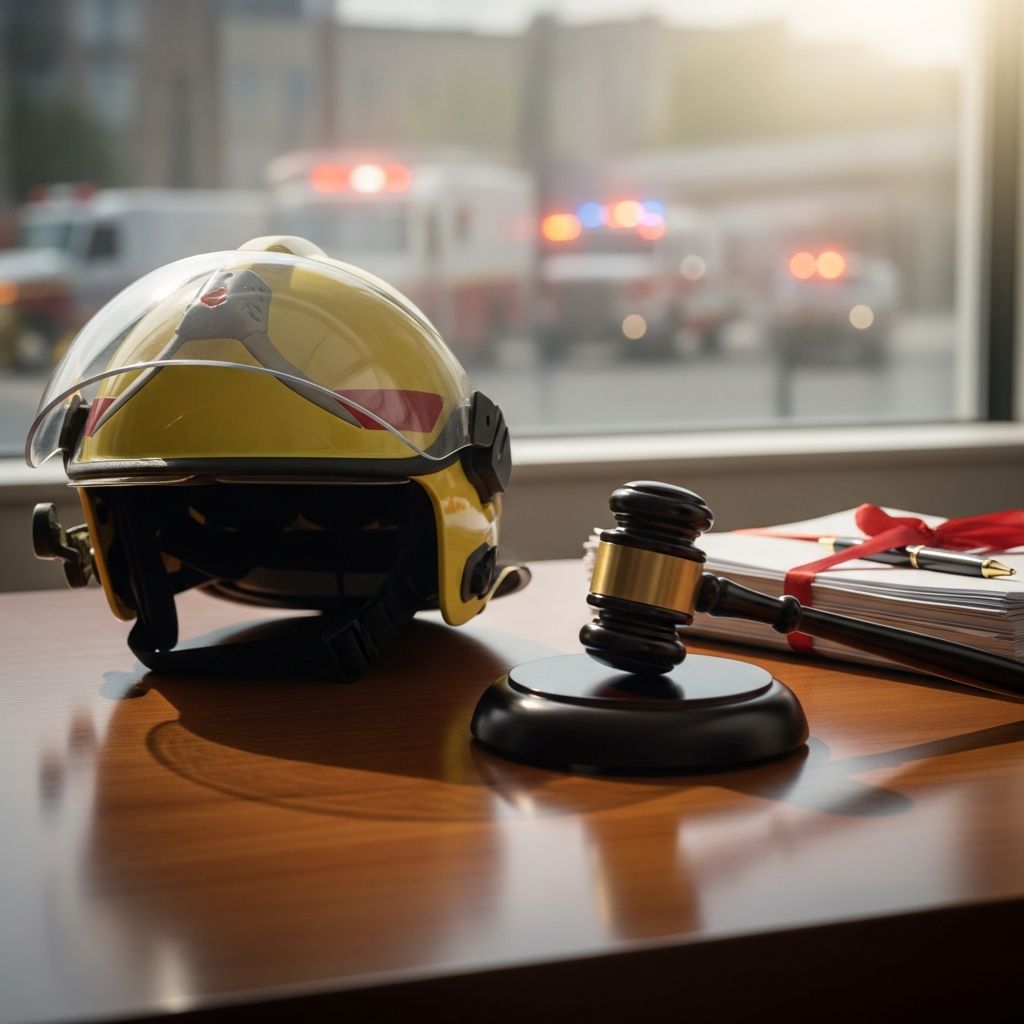
The question of whether an individual can be pursued legally for failing to contact emergency services touches upon fundamental principles of duty, responsibility, and care. In emergency situations, the immediate instinct may be to call for professional help, yet the legal framework governing such obligations is far more nuanced than most people realize. Not every bystander or witness carries the same legal responsibility to summon aid, and understanding these distinctions is critical for anyone navigating a potential personal injury claim.
The legal landscape distinguishes between general bystanders and individuals in positions of responsibility or special relationships. This distinction forms the foundation of whether liability attaches to a failure to call emergency services. Courts examine multiple factors when determining if someone should have contacted authorities, including the relationship between parties, any pre-existing duty of care, and whether the defendant’s inaction directly worsened the injured party’s condition.
The Foundation of Negligence in Emergency Situations
Negligence forms the legal basis for most claims involving failure to call emergency services. To establish negligence, a plaintiff must demonstrate four essential elements that work together to prove a defendant’s wrongful conduct caused measurable harm.
The first element requires establishing that the defendant owed a duty of care to the injured party. This duty does not automatically exist between strangers; rather, it depends on the specific relationship and circumstances surrounding the incident. A parent caring for a child possesses a duty of care toward that child. An employer supervising workers during business operations owes such a duty to those employees. A healthcare provider attending to a patient clearly maintains this obligation.
The second element involves demonstrating a breach of that duty. Once a duty is established, the plaintiff must show the defendant failed to meet the standard of care expected in that relationship. Failing to call 911 when someone requires emergency medical attention typically constitutes a breach if a duty existed. However, if no duty was established, the failure to call cannot satisfy this element.
The third element requires proving causation—a direct link between the defendant’s breach and the plaintiff’s injuries. This proves particularly challenging in emergency situations because medical conditions often deteriorate naturally over time. The plaintiff must demonstrate that the delay in obtaining professional emergency assistance directly caused or significantly worsened their condition, rather than merely coinciding with their injury or illness.
Finally, the plaintiff must establish measurable damages. These damages might include medical expenses incurred due to delayed treatment, lost income from extended recovery periods, physical pain and suffering, or in tragic circumstances, funeral expenses and loss of companionship in wrongful death cases.
When Special Relationships Create Emergency Responsibilities
Certain relationships carry inherent duties that extend to summoning emergency assistance when necessary. These special relationships recognize power imbalances, dependency, or professional obligations that create moral and legal imperatives to act.
Parent-Child Relationships
Parents bear clear legal responsibilities toward their minor children, including securing emergency medical care when injuries or illnesses occur. A parent who discovers their child severely injured and fails to call 911 would likely face successful negligence liability. This relationship imposes ongoing duty because children depend entirely on parental guidance and decision-making regarding their health and safety.
Educational Settings
Teachers, school administrators, and other educational personnel owe duties of care to students under their supervision. When a student suffers an injury or medical emergency at school, staff members bear responsibility for recognizing the situation and calling for appropriate emergency response. The institutional setting combined with supervisory authority creates this obligation.
Employment Relationships
Employers and supervisors responsible for workplace safety must call emergency services when workers suffer injuries or medical crises during employment. An employer who witnesses an employee’s workplace injury and fails to summon medical assistance could face liability. This duty extends through the employment relationship and reflects the employer’s control over the workplace environment.
Healthcare Provider Obligations
Medical professionals, nurses, EMTs, and other healthcare workers face particularly stringent obligations regarding emergency response. These professionals possess specialized knowledge and training that heightens expectations for recognizing medical emergencies and initiating appropriate care protocols. Medical malpractice claims frequently involve allegations that healthcare providers failed to call emergency services when circumstances demanded intervention.
Distinguishing Between Duty and No Duty Situations
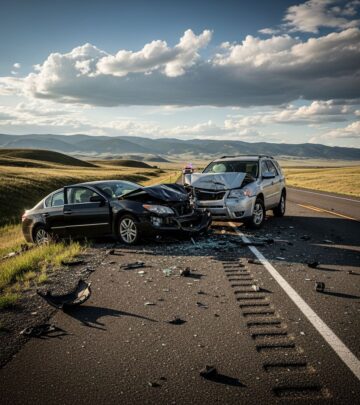
A fundamental legal principle states that the ordinary citizen walking past an accident has no legal obligation to stop and help. This principle protects bystanders from being held liable for failing to render assistance to strangers. A person witnessing a traffic accident cannot be sued merely for continuing to their destination without calling 911, assuming no special circumstances exist.
However, this general rule contains important exceptions. If a bystander initiates rescue efforts—for example, by moving the injured person or beginning first aid—they may create an ongoing obligation to continue that assistance or call for professional help. Abandoning a rescue partway through when doing so creates additional danger could constitute negligence. This protection acknowledges that while the law does not compel heroism, it does prevent negligent abandonment of rescue attempts already underway.
Additionally, some jurisdictions impose mandatory reporting duties in specific circumstances. Healthcare professionals, educators, and social workers may face criminal or civil liability for failing to report certain situations—such as child abuse or elder neglect—even if those reports do not directly involve calling 911. Understanding local mandatory reporting requirements is essential for individuals in regulated professions.
Good Samaritan Law Protections and Limitations
Most jurisdictions have enacted Good Samaritan legislation designed to encourage emergency assistance by protecting well-intentioned rescuers from liability. These laws typically shield individuals who provide emergency aid in good faith from civil damages related to that assistance.
The protection extends to circumstances where someone acts reasonably in believing emergency services need not be called. If an individual assesses an emergency situation, determines in good faith that 911 is unnecessary, and provides assistance accordingly, Good Samaritan protections may shield them from liability even if their judgment later proves incorrect.
However, Good Samaritan laws do not protect negligent conduct. If someone fails to call 911 despite clear evidence of serious injury or medical emergency, the good faith belief defense disappears. Additionally, these protections typically do not apply to healthcare professionals acting within their professional scope, as they face different standards of care. The laws also vary significantly by jurisdiction, with some states offering broader protections than others.
Causation Challenges in Emergency Response Cases
One of the most difficult elements to prove involves demonstrating that the failure to call 911 directly caused or substantially contributed to the plaintiff’s injuries. Emergency situations present inherent complexity because medical conditions can deteriorate rapidly for reasons beyond anyone’s control.
Consider a scenario where someone collapses from a heart attack, and a bystander fails to call 911 for ten minutes. Even if emergency services are eventually called and paramedics arrive within their typical response time, establishing that those specific ten minutes caused additional harm requires medical expert testimony. The plaintiff’s medical team must demonstrate that earlier intervention could have prevented or reduced the harm experienced.
This causation requirement protects defendants from liability when their inaction did not actually worsen outcomes. If someone suffers injuries so severe that immediate professional intervention would not have prevented death or disability, the defendant’s delay in calling 911 cannot be the proximate cause of those particular damages, though it might be relevant to other aspects of the case.
Comparative Negligence and Shared Responsibility
In many jurisdictions, comparative negligence principles allow courts to allocate responsibility among multiple parties when several actors contributed to an injury. If an injured person’s own negligence partially caused their condition, and a bystander’s failure to call 911 also contributed, responsibility may be divided between them.
For example, if someone is injured while engaged in reckless behavior, and a witness fails to call 911, a court might determine that both parties bear some responsibility. The injured person’s share of fault would reduce any recovery they could obtain from the witness. These comparative considerations become particularly important in cases involving multiple defendants or circumstances where the injured party’s own conduct contributed to their harm.
Medical Malpractice and Professional Standards
Healthcare settings present unique liability situations regarding emergency response. Medical professionals operate under heightened duty standards and must maintain specialized knowledge regarding appropriate emergency protocols. A nurse, physician, or other healthcare worker who fails to recognize an emergency or delays calling for emergency assistance faces potential medical malpractice liability.
In medical malpractice cases, expert witnesses typically testify about the standard of care expected in similar circumstances. They explain what a reasonably competent healthcare professional would have done and how the defendant’s conduct fell short of that standard. The plaintiff’s medical team presents this testimony to establish that the defendant breached professional duties owed to the patient.
Proving Negligence Through Expert Testimony
Complex emergency response cases typically require expert witnesses to help courts understand technical medical and professional standards. Experts in emergency medicine, cardiology, neurology, or other relevant specialties can testify about what reasonable intervention would have accomplished and how delayed response affected outcomes.
These experts establish the standard of care expected in specific circumstances, then explain how the defendant’s conduct departed from that standard. They bridge the gap between technical medical reality and legal standards of reasonableness, helping judges and juries understand whether a defendant acted negligently when failing to call emergency services.
Statutory Requirements and Criminal Implications
Beyond civil liability, some jurisdictions impose statutory duties to contact emergency services in specific situations. Many states enforce mandatory reporting laws requiring individuals—particularly professionals—to contact authorities when they witness certain crimes or forms of abuse. Failure to comply with these statutory requirements can result in criminal charges ranging from misdemeanors to felonies.
For instance, discovering child abuse and failing to report it to appropriate authorities can constitute a criminal offense in numerous jurisdictions. These criminal duties exist independent of civil negligence liability and carry distinct penalties including potential imprisonment. Understanding both civil and criminal implications is essential for individuals in regulated professions.
Calculating Damages in Emergency Response Cases
When a plaintiff successfully proves negligence based on failure to call 911, damages typically include several categories of compensation. Economic damages cover quantifiable losses such as medical treatment expenses, hospitalization costs, rehabilitation expenses, and lost wages during recovery periods. These damages aim to restore the injured party to their pre-injury financial position.
Non-economic damages compensate for subjective harms including physical pain, emotional suffering, reduced quality of life, and in severe cases, permanent disability or disfigurement. In wrongful death cases, survivors may recover for loss of companionship, emotional distress, and the decedent’s lost lifetime earnings or inheritance potential.
Punitive damages, available in some jurisdictions when conduct is particularly egregious, aim to punish defendants and deter similar behavior. These damages apply only in circumstances involving gross negligence or intentional wrongdoing, not ordinary negligence.
Defenses Against Emergency Response Negligence Claims
Defendants facing failure-to-call-911 allegations have several potential defenses. The absence of a legal duty represents the strongest defense; if the defendant owed no duty to the plaintiff, no negligence claim can succeed regardless of the failure to call emergency services.
Defendants may also argue lack of causation—that even prompt emergency response would not have altered outcomes. Medical testimony demonstrating that the plaintiff’s injuries were inevitable or that the delay did not contribute to additional harm defeats the causation element necessary for liability.
Good Samaritan protections may shield defendants who acted in good faith without negligence. Comparative negligence defenses allocate responsibility when the plaintiff’s own conduct contributed to their injury. Additionally, defendants may challenge whether they actually knew emergency assistance was necessary, supporting Good Samaritan good faith arguments.
Factors Courts Examine in Emergency Situations
When evaluating whether failure to call 911 constitutes negligence, courts consider numerous contextual factors beyond the simple relationship between parties. The severity of the victim’s condition influences whether reasonable people would recognize the need for emergency assistance. Clear signs of serious medical emergency—unconsciousness, severe bleeding, difficulty breathing—establish obvious need for 911 response.
The defendant’s knowledge and ability to assess the situation matters significantly. Did the defendant recognize medical symptoms? Did they have reason to understand the victim’s condition? Could they physically call 911 or contact others who could? Circumstances that prevented communication or assessment may support Good Samaritan defenses even if 911 ultimately was not called.
Time delays between discovering the emergency and calling for help influence judicial determinations. Minutes-long delays during which the defendant ensured the victim’s safety or gathered additional information differ markedly from hours of unnecessary delay. Patterns of deliberate avoidance establish stronger negligence cases than momentary lapses in judgment.
Frequently Asked Questions About Emergency Response Liability
Q: Can I sue someone for not calling 911 if I was injured at their home?
A: Liability depends on whether that person owed you a legal duty of care. If they were responsible for your safety, created the dangerous condition causing your injury, or initiated a rescue they then abandoned, they might owe such a duty. An ordinary homeowner has no legal obligation to assist a random trespasser, but different rules apply to invited guests or family members in some jurisdictions.
Q: Does Good Samaritan law protect someone who refuses to call 911?
A: Good Samaritan protections shield people providing emergency assistance in good faith, but they do not protect negligent refusal to call for professional help. If someone unreasonably decides 911 is unnecessary when clear signs indicate otherwise, Good Samaritan protections will not apply. The law encourages emergency response, not prevents it.
Q: What if emergency services arrive but the delay caused additional injury?
A: You may potentially recover damages for additional injuries caused by delayed emergency response if you can prove causation—that earlier response would have prevented the additional harm. Medical expert testimony becomes essential to demonstrate this connection between delayed response and specific injuries.
Q: Are mandatory reporting requirements the same as 911 call requirements?
A: No, they differ significantly. Mandatory reporting laws require professionals to report specific situations like child abuse to appropriate authorities, which may or may not involve calling 911. These are typically statutory requirements with criminal penalties for violation, separate from civil negligence liability for emergency response delays.
Q: Can I be held liable for not calling 911 as a random bystander?
A: Generally, no. The law does not impose duties on ordinary citizens to help strangers in emergencies. However, if you begin providing assistance and then abandon your rescue efforts in a way that creates additional danger, you may face liability for negligent abandonment. Additionally, specific professional duties or mandatory reporting requirements might apply depending on your status.
Q: What damages can I recover in a successful emergency response negligence case?
A: Recoverable damages typically include medical expenses related to delayed treatment, lost wages during recovery, pain and suffering, and in severe cases, permanent disability compensation. Wrongful death cases may include funeral expenses and loss of companionship. Punitive damages apply only in cases of gross negligence or intentional wrongdoing.
References
- Can You Sue Someone for Not Calling 911? — West Virginia Personal Injury Lawyer. 2025. https://www.westvirginiapersonalinjurylawyer.net/can-you-sue-someone-not-calling-911/
- When Can You Sue Someone for Not Calling 911? — Leifer Law. 2025. https://www.leiferlaw.com/when-can-you-sue-someone-for-not-calling-911/
- Failure to Call 911 Resulting in Death: Legal Consequences — Edwards Patterson Law. 2025. https://www.edwardspattersonlaw.com/blog/failure-to-call-911-resulting-in-death/
- Is There Liability for Not Calling 911? — Greene Broillet & Wheeler, LLP. 2022. https://www.gbw.law/blog/2022/april/is-there-liability-for-not-calling-911/
- Calling 911: Delay or Failure Can Result in Needless Suit — The Doctors’ Company. 2025. https://cphins.com/emergency-response-calling-911-delay-or-failure-can-result-in-needless-suit/
Similar Articles







Read full bio of medha deb