
Legal Help for Landlords: Practical Guide and Resources
A practical, plain‑language guide to landlord legal help, from everyday disputes to serious litigation and where to find reliable support.
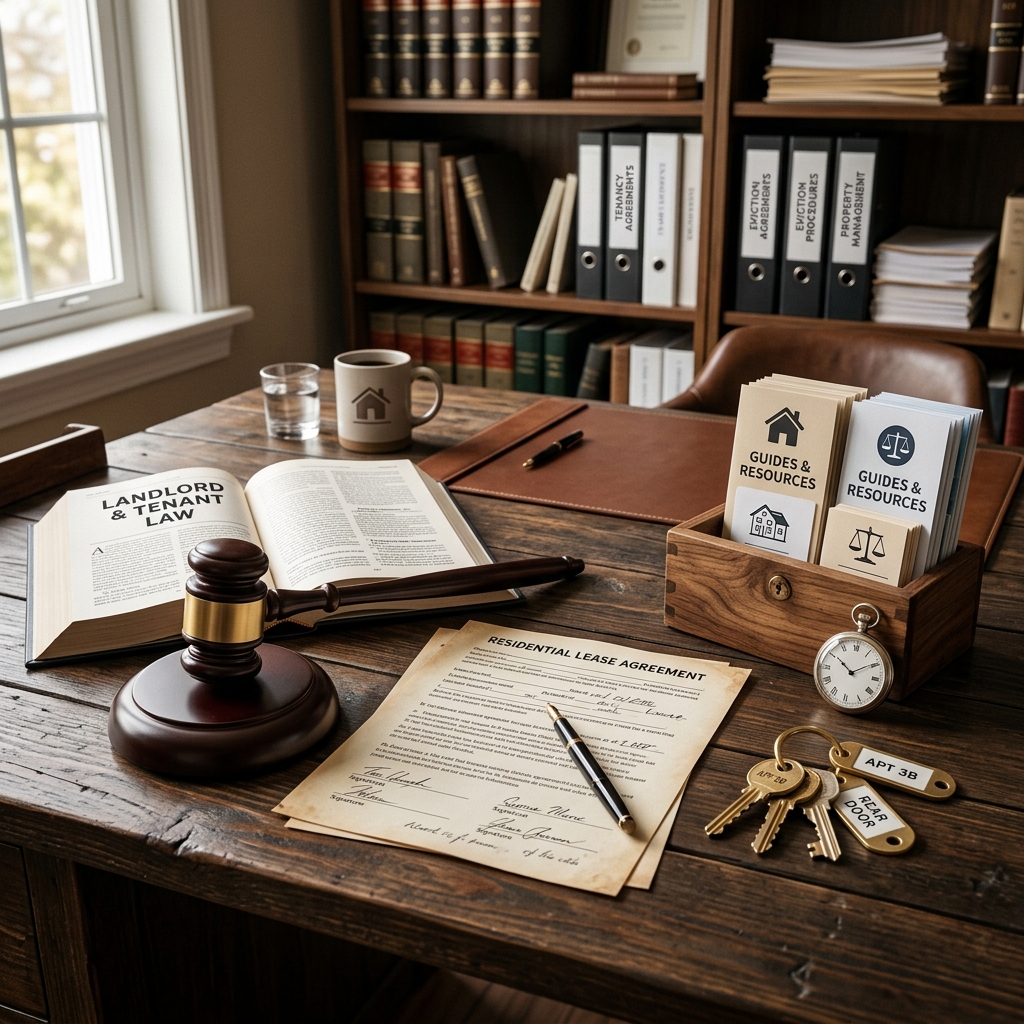
Owning rental property can be a smart financial move, but it also exposes landlords to complex legal risks. Disputes over rent, property damage, repairs, evictions, or alleged discrimination can escalate quickly if the law is misunderstood or deadlines are missed. This guide explains the most common legal issues landlords face, how to prevent problems before they start, when to seek professional legal help, and where to find free or low‑cost assistance when needed.
1. The Landlord’s Legal Role and Core Responsibilities
Landlords are not just property owners; they are legal parties to a housing contract and must comply with federal, state, and local laws that regulate rental housing. These rules apply whether you own a single condo or a portfolio of buildings.
1.1 Key legal duties every landlord should understand
- Providing habitable housing: Many states require landlords to keep rentals safe and livable, including functioning heat, water, and basic structural safety. This duty is often known as the warranty of habitability.
- Following anti-discrimination laws: Federal fair housing laws prohibit discrimination in renting based on race, color, religion, sex, national origin, disability, and familial status.
- Respecting tenants’ privacy: Most states limit entry to reasonable times and usually require advance notice except in emergencies.
- Handling security deposits properly: Many laws regulate how much can be collected, where it must be held, when it must be returned, and what deductions are allowed.
- Complying with local codes and permits: Zoning rules, occupancy limits, and building codes may restrict how a property can be used or altered.
Understanding these duties early helps landlords avoid expensive lawsuits and fines later. Free self-help resources from court systems and legal aid organizations can help you read up on basic landlord–tenant rules in your state.
1.2 Typical legal documents landlords rely on
Strong documentation is one of the best protections a landlord can have. Common documents include:
- Written lease or rental agreement
- Move-in and move-out inspection records
- Repair and maintenance logs
- Rent payment history and receipts
- Copies of all notices sent to tenants (late rent, violation notices, termination notices)
Many court systems and legal aid organizations provide free landlord–tenant forms and instructions to help small landlords prepare proper paperwork.
2. Common Legal Problems Landlords Encounter
Some landlord challenges are routine; others can become serious legal disputes. Recognizing the pattern early helps you decide when to negotiate, when to document carefully, and when to call a lawyer.
2.1 Nonpayment of rent
Nonpayment is one of the most frequent landlord–tenant conflicts. Landlords generally must follow a strict legal process before they can regain possession of the property. Courts typically require:
- Proper written notice giving the tenant a deadline to pay or move out
- Filing a formal eviction (often called an unlawful detainer or similar action)
- A court hearing where both sides can present evidence
- A court order before law enforcement can remove a tenant
Self-help evictions, such as changing locks or shutting off utilities without a court order, are illegal in many states and can expose landlords to damages and penalties.
2.2 Property damage and security deposit disputes
Another common legal conflict arises when tenants move out and landlords believe the property has been left damaged. Typical disagreements include:
- Whether a condition is “normal wear and tear” or damage
- Whether the landlord properly documented the property’s condition at move-in and move-out
- Whether the landlord sent a timely, itemized list of deductions
States often have detailed rules for deposit deadlines, required written statements, and penalties for mishandling deposits. Landlords who follow these steps consistently are less likely to be sued.
2.3 Repairs, maintenance, and habitability complaints
Tenants can sometimes withhold rent, call code enforcement, or sue if they believe a landlord ignored significant repair needs that affect health or safety (such as lack of heat, unsafe wiring, or major leaks). Laws differ by state, but tenants may have options like:
- Reporting the property to local housing or health inspectors
- Requesting a rent reduction
- In some places, using “repair and deduct” procedures
- Moving out if the unit becomes uninhabitable
Landlords who respond quickly to written repair requests and keep detailed records are in a stronger position if a dispute reaches court.
2.4 Allegations of discrimination or retaliation
Claims of illegal discrimination or retaliation can be especially serious. Tenants may file complaints with state or federal agencies if they believe they were treated unfairly because of a protected characteristic or punished for asserting legal rights.
Examples that may trigger complaints include:
- Refusing to rent or renew to a tenant for discriminatory reasons
- Charging different terms or conditions to tenants in protected classes
- Evicting or raising rent soon after a tenant complains to a housing authority
When discrimination or retaliation is alleged, it is usually wise for landlords to get legal guidance quickly because deadlines and procedures can be strict.
3. Preventing Disputes Before They Start
Many landlord problems can be reduced with good communication and solid systems. While no strategy prevents all trouble, smart practices make disputes easier to resolve and easier to defend in court if necessary.
3.1 Drafting clear, lawful rental agreements
A clear lease is one of the best tools a landlord has. Consider these practices:
- Use state-appropriate forms: Rely on leases based on your state’s law, not generic templates.
- Spell out key terms: Rent amount, due dates, late fees (if legal), occupancy rules, pet policies, and maintenance responsibilities.
- Avoid illegal clauses: Clauses that waive basic tenant rights or ignore habitability duties may be unenforceable.
- Review regularly: Laws change; periodically check state landlord–tenant resources or consult an attorney.
3.2 Screening tenants fairly and consistently
Lawful, consistent tenant screening helps reduce risk of nonpayment and conflicts, but screening must respect fair housing rules.
- Use the same application questions for all applicants.
- Apply written standards for income, references, and credit history consistently.
- Avoid questions or rules that target protected classes.
3.3 Communication and documentation
Many conflicts grow because both sides misunderstand each other or cannot prove what was said. Landlords can improve outcomes by:
- Confirming important conversations in writing (email or letter)
- Using written repair request forms or email threads
- Keeping copies of all notices, rent ledgers, and inspection reports
If a dispute turns into a lawsuit, detailed records can be powerful evidence.
4. Options for Solving Landlord–Tenant Problems
When issues arise, landlords are not limited to a single solution. Depending on the situation, negotiation, mediation, administrative complaints, or court cases may all play a role.
4.1 Negotiation and payment plans
For many landlords, the fastest and least expensive solution is direct negotiation. Options include:
- Temporary rent reductions or extensions, documented in writing
- Formal payment plans with clear due dates
- “Cash-for-keys” agreements where a tenant agrees to move out by a set date
Any agreement should be written and signed to avoid future confusion.
4.2 Mediation and community dispute resolution
Some local courts, bar associations, or community groups offer mediation services where a neutral third party helps landlords and tenants reach an agreement. These programs may be faster and cheaper than court, and sometimes are required before filing an eviction.
4.3 When court action becomes necessary
If negotiation and mediation fail, landlords may need to file in court. Common reasons include:
- Eviction for nonpayment of rent or serious lease violations
- Recovering unpaid rent or repair costs
- Defending against tenant lawsuits or administrative complaints
Many state court systems publish self-help guides explaining the eviction process, filing fees, and hearing procedures. However, because eviction laws are detailed and strictly enforced, many landlords benefit from at least a brief consultation with an attorney.
5. When Landlords Should Talk to a Lawyer
Not every problem requires a full retainer and a long-term lawyer–client relationship. But certain warning signs suggest that professional advice may save time and money.
5.1 Red flags that call for legal help
- A tenant hires a lawyer or files a lawsuit against you.
- You receive a complaint or notice from a government agency (housing authority, fair housing office, code enforcement).
- There are allegations of discrimination, harassment, or retaliation.
- A dispute involves serious injuries, major property damage, or insurance coverage questions.
- You are unsure how to follow your state’s eviction procedures correctly.
5.2 Types of legal assistance available to landlords
Landlords have several options for getting legal help, depending on budget and complexity:
| Type of Help | What It Offers | Typical Cost | Best For |
|---|---|---|---|
| Free legal information | Guides, forms, and educational materials from court or legal aid websites | Free | Learning basics, understanding procedures |
| Lawyer referral services | Short consultations with licensed attorneys | Often low fixed fee | Quick legal questions, case evaluation |
| Limited-scope representation | Help with specific tasks like drafting documents or appearing at one hearing | Moderate, pay per task | Landlords comfortable handling some parts on their own |
| Full representation | Lawyer manages the entire case from start to finish | Higher, often hourly or flat fee | Complex or high-stakes cases |
6. Finding Free or Low‑Cost Legal Resources
Although many legal services focus on tenants, landlords can often use the same public resources and court tools. The following types of organizations frequently provide information or referrals that landlords can use.
6.1 Court self-help centers and online portals
Many state courts operate self-help centers that offer free legal information, forms, and sometimes workshops on landlord–tenant law and eviction procedures.
- Self-help centers do not represent you, but they can explain how hearings work and how to use court forms.
- Some courts provide online document assembly tools that guide users through preparing basic filings.
6.2 Legal aid and nonprofit housing organizations
Legal aid programs primarily serve low-income individuals, but they often publish high-quality information that landlords can read as well. Housing-focused nonprofits may also explain local rules and procedures.[10]
- Online articles about landlord–tenant rights, eviction timelines, and court processes
- Hotlines and clinics that sometimes answer general questions
- Guides explaining how security deposits, habitability, and repair laws work in your state
6.3 Lawyer referral services and bar associations
State and local bar associations often run lawyer referral programs that connect landlords with attorneys who handle housing matters.
- Short initial consultations at a reduced fee
- Referrals to attorneys with specific landlord–tenant experience
6.4 Online legal information platforms
Trusted legal information sites make it easier for landlords to understand their rights and responsibilities and to locate legal aid or low-cost services by ZIP code.[10] These platforms may include:
- Plain-language explanations of housing laws and court procedures
- Interactive tools for creating court forms
- Directories of legal aid, mediation, and rental assistance programs
7. Building a Long-Term Legal Strategy for Your Rental Business
Thinking like a business owner—rather than reacting case by case—can reduce legal risk and uncertainty over time.
7.1 Standardize policies and procedures
Create written policies that guide how you handle common issues:
- How and when rent reminders and late notices are sent
- Standard steps before starting an eviction
- Timelines for responding to repair requests
- Uniform screening and approval criteria
Consistency helps avoid discrimination claims and makes it easier to show a judge that you act fairly and predictably.
7.2 Use insurance wisely
Insurance is part of legal risk management. Landlords may want to explore:
- Landlord or rental property insurance for property and liability coverage
- Umbrella policies that provide extra liability protection
- Policy terms addressing lawsuits, injuries, and loss of rental income
When incidents occur, prompt communication with your insurer and lawyer can help protect your rights.
7.3 Develop ongoing relationships with professionals
Even small landlords benefit from a network of trusted advisors, such as:
- A real estate attorney familiar with local landlord–tenant courts
- A tax professional who understands rental property rules
- Reliable contractors for timely repairs and code compliance
Having these relationships in place before a crisis makes it easier to respond quickly when serious legal issues arise.
8. Landlord Legal Help: Frequently Asked Questions
8.1 Do I always need a lawyer to evict a tenant?
Not always. In some states, individual landlords may represent themselves in eviction court, especially for straightforward nonpayment cases. However, eviction laws are technical and mistakes can cause delays or dismissal. Many landlords choose at least a brief consultation to ensure notices and filings are correct.
8.2 What should I bring when I meet with a landlord–tenant lawyer?
To make the most of your time, gather:
- The lease or rental agreement and any written addenda
- Rent payment records and late notices
- Copies of all written communications with the tenant
- Photos, inspection reports, or repair receipts relevant to the dispute
- Any court or agency paperwork you have received
Organized records help the lawyer assess your options quickly and may reduce legal costs.
8.3 Can I charge any late fee I want if the tenant pays rent late?
No. Many states restrict late fees, requiring that they be reasonable and disclosed in the lease. Some areas cap the percentage or amount that may be charged. Check your state’s landlord–tenant law or consult a lawyer before setting or raising late fees.
8.4 Is it legal to refuse to renew a lease if I simply do not want the tenant to stay?
In many locations, landlords generally may choose not to renew a fixed-term lease as long as they provide proper notice and do not act for a discriminatory or retaliatory reason. However, some cities with rent control or tenant protections limit non-renewals. Review local rules or seek legal advice before issuing a non-renewal notice.
8.5 Where can I find accurate landlord–tenant information for my state?
Reliable sources include state court self-help websites, legal aid organizations, and reputable legal information portals that allow you to select your state.[10] These sites usually offer updated guides, forms, and referrals to local legal and mediation services.
References
- Landlord and Tenant Issues – Housing — LawHelpCA (Legal Aid Association of California). 2024-01-01. https://www.lawhelpca.org/issues/housing/landlord-and-tenant-issues
- Eviction | Legal and housing resources — California Courts, Self-Help Guide. 2023-05-01. https://selfhelp.courts.ca.gov/eviction-resources
- House & Apartment Resources — Illinois Legal Aid Online. 2023-10-01. https://www.illinoislegalaid.org/legal-information/house-apartment
- Legal and Rent Assistance Resources for Tenants — Colorado Department of Public Health & Environment / Colorado Division of Housing. 2023-06-01. https://doh.colorado.gov/legal-and-rent-assistance-resources-for-tenants
- Free and Low-Cost Legal Resources in Utah: Housing and Landlord–Tenant — J. Reuben Clark Law School, Brigham Young University. 2022-01-01. https://guides.law.byu.edu/c.php?g=602326&p=4196073
- LawHelp.org | Find legal help — Pro Bono Net. 2024-01-01. https://www.lawhelp.org/
- Free Legal Aid for Housing Issues — Neighborhood Legal Services (NLS). 2023-09-01. https://nls.org/services/housing/
Similar Articles








Read full bio of Sneha Tete


