
Legal Grounds for Suing an Auto Mechanic
Understand your consumer rights when mechanic negligence or fraud damages your vehicle.
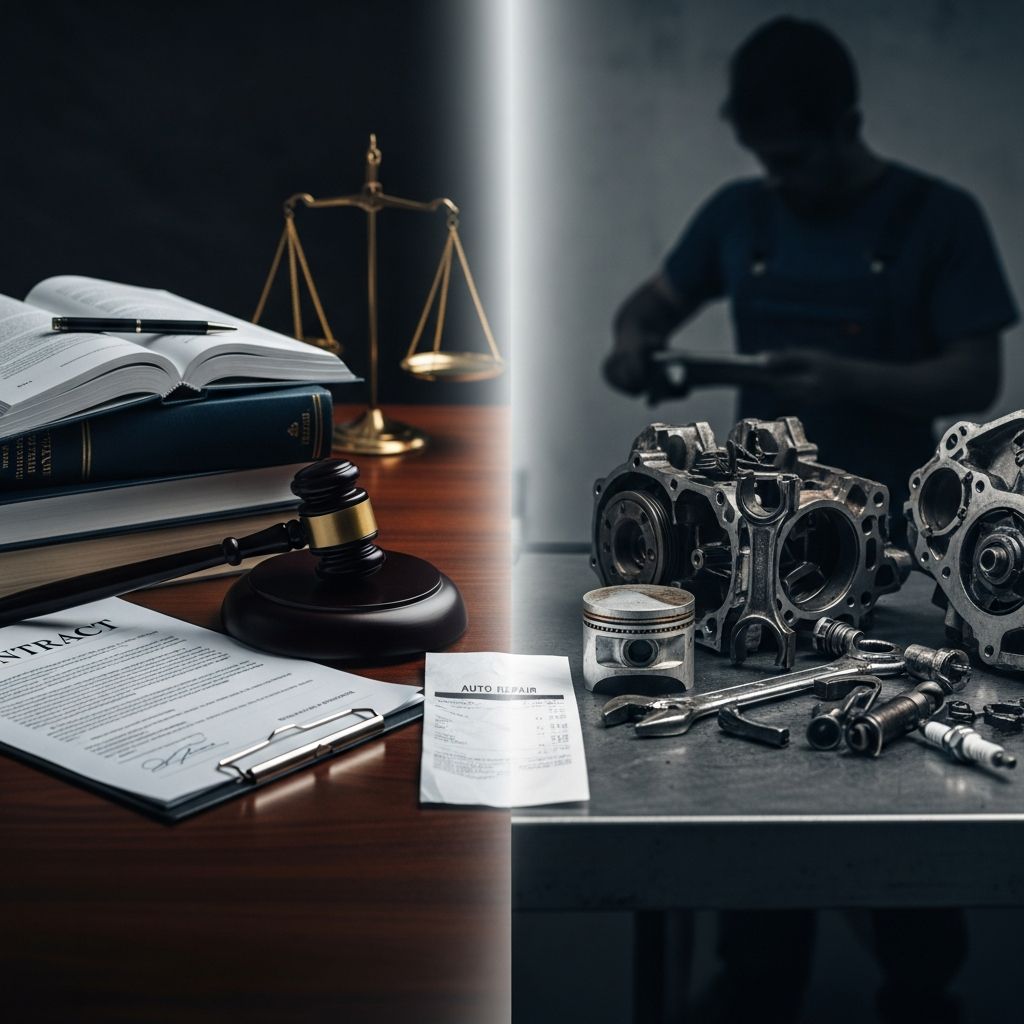
Understanding Your Rights Against Negligent Mechanics
When you entrust your vehicle to a mechanic, you expect professional service that maintains your car’s safety and functionality. Unfortunately, mechanics sometimes fall short of professional standards, leaving vehicle owners facing expensive repairs, safety hazards, or financial losses. If this happens to you, consumer protection laws in most states provide legal avenues for recourse. Understanding when you have valid grounds to pursue legal action is essential for protecting your rights and recovering damages.
Substandard Repair Work and Vehicle Damage
The most prevalent basis for litigation against mechanics involves performing repairs below acceptable professional standards. When a mechanic fails to complete work correctly, the consequences often compound your initial problem. This might include improper installation of components, using incorrect replacement parts, or applying repair techniques that don’t meet industry standards.
To establish a strong legal claim for negligent repairs, you must demonstrate several key elements. First, the mechanic had a professional duty to perform repairs competently and ensure your vehicle remained safe for operation. Second, they breached this duty through inadequate work. Third, this breach directly caused additional damage to your vehicle or created a hazardous condition. Finally, you suffered quantifiable losses as a result.
Common examples of substandard repair work include mechanics who install incorrect components incompatible with your vehicle’s specifications, fail to properly torque fasteners leading to component failures, or use refurbished parts when new ones were required. You can pursue compensation for repair costs that become necessary due to the mechanic’s initial negligence, including any collateral damage to related vehicle systems.
Safety Issues and Dangerous Mechanical Failures
Beyond financial losses from repair failures, mechanics bear responsibility for maintaining your vehicle’s safety systems. When negligence compromises critical safety features, the legal implications become more serious. A mechanic might disable warning systems without authorization, fail to properly install safety components like brakes or steering systems, or leave your vehicle in a condition that creates immediate danger during operation.
If a mechanic’s negligence leads to an accident or injury, you can pursue personal injury claims in addition to property damage claims. Courts recognize that a mechanic who improperly services safety-critical systems has created an unreasonable hazard for the vehicle owner and any passengers or third parties on the road. The damages in these cases can be substantial, including medical expenses, lost wages, pain and suffering, and rehabilitation costs.
For instance, if a mechanic fails to properly reinstall brake components and this results in brake failure causing an accident, both the mechanic and potentially the repair shop can be held liable. The mechanic violated their duty of care regarding safety-critical systems, directly causing the accident and resulting injuries.
Unauthorized Work and Scope Creep
Consumer protection laws in many states require mechanics to obtain explicit authorization before performing work beyond a certain cost threshold. This requirement protects vehicle owners from unexpected charges and prevents mechanics from unilaterally deciding which repairs your vehicle needs. When mechanics exceed the authorized scope of work without permission, you have grounds for legal action.
This violation occurs in several scenarios. A mechanic might suggest a routine oil change, receive authorization only for that service, then perform additional diagnostic work or repairs without calling to obtain approval. Alternatively, a mechanic may provide an estimate for $500 in repairs, obtain your authorization, then charge you $1,200 by performing additional work you never approved.
Your legal remedies for unauthorized work include recovering the cost of services you didn’t authorize, plus any additional expenses resulting from those unauthorized repairs. Some states allow consumers to recover multiple times the unauthorized amount if the mechanic acted willfully or in bad faith, providing stronger incentives for compliance with authorization requirements.
Fraudulent Billing and Deceptive Repair Practices
Beyond simply performing unauthorized work, some mechanics engage in outright fraud through deceptive billing practices. This category of violations includes charging for repairs that were never performed, billing you for premium parts while installing inferior substitutes, or claiming to replace components when the original parts simply required cleaning or adjustment.
Consumer fraud statutes in most states provide strong protections against these deceptive practices. Many jurisdictions allow consumers who fall victim to mechanic fraud to recover treble damages—three times the amount overcharged—plus attorney’s fees when courts determine the fraud was willful or intentional. This multiplier approach significantly increases the financial consequences for dishonest mechanics, creating powerful deterrence.
Examples of fraudulent billing include a mechanic who replaces only one spark plug but charges for a complete set, a shop that bills for a transmission fluid flush that was never performed, or a mechanic who charges diagnostic fees multiple times for the same problem. Establishing fraud requires demonstrating that the mechanic knowingly made false statements or omissions about work performed or parts installed.
Breach of Warranty Obligations
When mechanics provide written warranties for their work, they create legal obligations that extend beyond the initial service. If a repair that was supposed to fix a specific problem fails shortly after completion, the mechanic has breached their warranty. Even without explicit written warranties, many states recognize implied warranties of workmanship, meaning repairs should be performed competently and the work should hold for a reasonable period.
Your legal standing to sue for breach of warranty depends on whether the repair failed due to defective workmanship rather than normal wear or unrelated mechanical issues. If you can demonstrate that the failure resulted from how the mechanic performed the work rather than external factors, you have grounds to demand that the mechanic complete the repair correctly at no additional cost or refund your payment.
For example, if a mechanic replaces your alternator and provides a two-year warranty, but the alternator fails after three months due to improper installation, the mechanic breached their warranty. You could demand either a replacement at no cost or reimbursement for the failed repair and any resulting vehicle downtime.
Excessive Delays and Unreasonable Service Timelines
While less commonly pursued than other mechanic-related claims, excessively prolonged repair timelines can also provide grounds for legal action in certain circumstances. If your vehicle sits in a repair shop for an unreasonable period without progress, you may have claims based on breach of contract or unjust enrichment, depending on your jurisdiction and the specific circumstances.
The definition of “unreasonable” depends on the complexity of repairs needed and local standards for auto repair shops. A simple oil change that takes weeks without explanation differs significantly from a complex engine rebuild that legitimately requires months. However, if a mechanic provides no updates, abandons work in progress, or holds your vehicle hostage while demanding payment for incomplete services, you have valid claims.
Damages for unreasonable delays include rental car costs, loss of use compensation, and potentially diminished vehicle value if the extended storage damages components or creates rust. Some consumers also pursue claims for inconvenience and disruption to their personal and professional lives when mechanics fail to complete promised work within reasonable timeframes.
Building a Strong Legal Case
Pursuing action against a mechanic requires careful documentation and evidence gathering from the outset. Keep all written estimates, repair orders, receipts, and warranty documentation. Photograph any damage discovered after service or defective repairs, and maintain a detailed log of any issues that emerge following mechanic work.
Your evidence should clearly establish the duty of care the mechanic owed you and demonstrate how their actions violated that duty. Supporting documentation might include video footage of workplace conduct, photographs of damaged vehicle components, debris left inside your vehicle, invoices for corrective repairs performed by another mechanic, and expert opinions about whether the original repairs met professional standards.
Before pursuing formal litigation, consider filing complaints with your state’s consumer protection agency or the Better Business Bureau. These organizations sometimes facilitate resolution without requiring costly litigation. Many states also permit small claims court proceedings for smaller amounts, offering a quicker and less expensive alternative to civil court.
Determining Liability Between Mechanics and Shops
When pursuing legal action, you must identify the correct defendant. If you worked with an independent mechanic operating their own shop, you typically sue that individual directly. However, if the mechanic worked for a larger repair chain or dealership, you may have claims against the business itself. Some repair shops hire mechanics as independent contractors, which affects liability and the entities you can pursue.
Shop owners can be held liable for employee negligence under the doctrine of respondeat superior, meaning employers are responsible for employee misconduct during the course of employment. This often provides a more financially viable defendant than pursuing an individual mechanic, as businesses typically carry insurance covering these claims.
Understanding Statute of Limitations
Your state’s statute of limitations determines how long you have to file a lawsuit against a mechanic. Most states allow two to three years from the date you discovered the harm for personal injury and property damage claims related to mechanic negligence. However, specific timelines vary by state and claim type, so consulting your state’s statutes or an attorney ensures you understand your deadline.
Consulting Legal Professionals
Auto repair law involves complex interactions between contract law, consumer protection statutes, and negligence principles. An experienced attorney specializing in consumer protection or personal injury law can evaluate your specific situation, advise whether you have a viable claim, and help you navigate the legal process. Many attorneys offer free initial consultations and work on contingency bases, meaning you pay fees only if you recover damages.
Frequently Asked Questions
Q: What constitutes negligence by a mechanic?
A: Mechanic negligence occurs when they fail to perform repairs to professional standards, breach their duty of care, and this breach directly causes you damage or injury. This includes improper installations, using wrong parts, or failing to complete necessary repairs.
Q: Can I sue for the cost of repairs the mechanic failed to complete?
A: Yes, you can recover the cost of repairs that should have been completed, plus the expense of having corrective work performed by another mechanic to address the initial failure.
Q: What damages can I recover in a mechanic negligence case?
A: Recoverable damages include repair costs, vehicle replacement value if totaled, future repair costs, medical bills from accidents caused by mechanic negligence, lost wages, transportation costs during vehicle downtime, and pain and suffering.
Q: How long do I have to file a lawsuit against a mechanic?
A: Most states provide two to three years from discovery of the harm to file a lawsuit, though this varies by jurisdiction and claim type. Consult your state’s statutes or an attorney for specific deadlines.
Q: Can I recover treble damages against a dishonest mechanic?
A: Many states allow recovery of triple damages plus attorney’s fees when a mechanic engages in willful or intentional fraud, such as charging for work never performed or parts never installed.
Q: Should I pursue small claims court or hire an attorney for a larger claim?
A: Small claims court works well for amounts under $5,000 and allows you to represent yourself. For larger claims involving significant damages or complex liability issues, an experienced attorney provides better protection for your interests.
Q: Can I sue both the mechanic and the repair shop?
A: Yes, you can pursue claims against both the individual mechanic and the business employing them, as the shop may be liable for employee negligence under vicarious liability principles.
Q: What evidence should I gather to support my case?
A: Collect repair orders, receipts, warranty documents, photographs of damage, invoices from corrective repairs, expert mechanic opinions, communications with the original mechanic, and documentation of any resulting losses.
References
- Can I Sue a Car Mechanic for Negligence? — Vaughan & Vaughan. Updated 2024. https://vaughanandvaughan.com/faqs/can-i-sue-a-car-mechanic-for-negligence/
- 5 Situations Where You Can Legally Sue Your Mechanic — Ask Law Firm. Updated 2024. https://asklawfirm.com/5-situations-where-you-can-legally-sue-your-mechanic/
- Can I Sue the Mechanic Auto Repair Shop for Negligence — Texas Personal Injury Firm. Updated 2024. https://www.txpersonalinjuryfirm.com/blog/can-i-sue-the-mechanic-auto-repair-shop-for-negligence/
- Can Mechanics Be Sued for Damages? A Legal Guide for Auto Repair Shops — AutoLeap. Updated 2024. https://autoleap.com/blog/is-a-mechanic-liable-for-damages-from-repairs/
- Legal Answers: Can I Sue a Car Mechanic for Taking Too Long? — AVVO. Updated 2024. https://www.avvo.com/legal-answers/-can-i-sue-a-car-mechanic-for-taking-too-long-to-f-3110265.html
Similar Articles








Read full bio of Sneha Tete


