
Legal Essentials for Launching Your Podcast
Navigate the legal landscape of podcasting with expert guidance on business setup, IP protection, and compliance to safeguard your show.
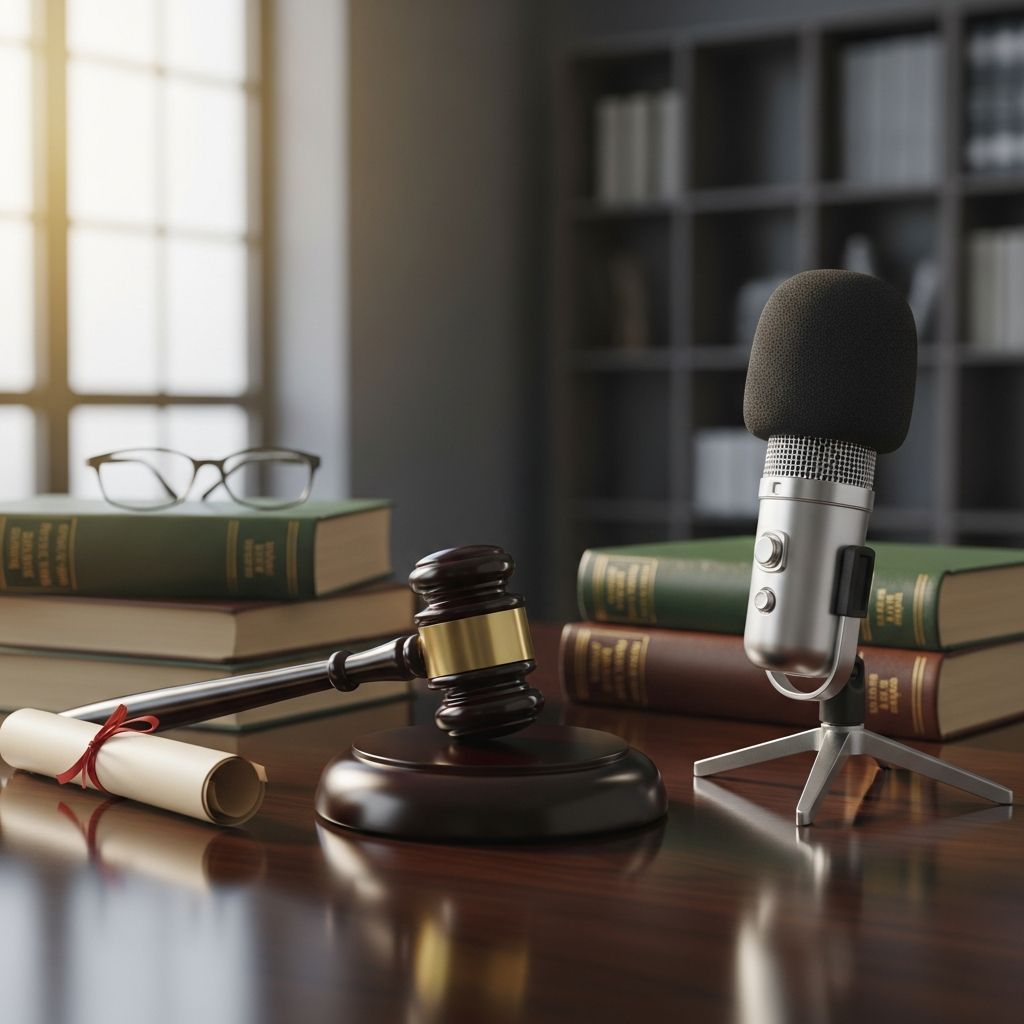
Launching a podcast involves more than just selecting a microphone and topic; it requires careful attention to legal matters to protect your efforts and avoid costly disputes. This guide explores key legal considerations, from forming a business entity to managing intellectual property and contracts, ensuring your podcast thrives without legal hurdles.
Choosing the Right Business Structure
Deciding on a business structure is foundational for any podcast venture. Operating as a sole proprietor exposes personal assets to risks like lawsuits from content disputes or operational debts. Forming a Limited Liability Company (LLC) creates a separation between personal and business liabilities, shielding individuals from company-related claims.
Even hobbyist podcasters benefit from this setup, as episodes can inadvertently lead to legal challenges regardless of revenue. An LLC allows claims to target only the business entity, not personal savings or property. Consult state-specific regulations for formation, as requirements vary by jurisdiction.
- Benefits of an LLC: Liability protection, tax flexibility, and professional credibility.
- Alternatives: While not mandatory, sole proprietorships suffice for low-risk starts, but lack safeguards.
- Next Steps: File articles of organization, obtain an EIN from the IRS, and draft an operating agreement.
Professional advice from an attorney ensures compliance with local laws, especially if expanding internationally.
Protecting Your Brand with Trademarks
A unique podcast name is vital for branding, but using one already in circulation can trigger infringement claims. Conduct thorough searches beyond the USPTO database, including common law usage on platforms like Apple Podcasts or Spotify, to confirm availability.
Registering your podcast name as a trademark with the USPTO strengthens enforcement rights, simplifying takedown requests for copycats. Registration isn’t required for basic rights, but it provides nationwide priority and legal presumptions in disputes. For podcasters, service mark protection under Class 41 (entertainment services) is typical.
| Trademark Search Steps | Description |
|---|---|
| USPTO TESS Search | Check federal registrations and applications. |
| State Databases | Review local trademarks. |
| Domain & Social Check | Verify availability for websites and handles. |
| Common Law Search | Google, podcast directories for unregistered use. |
Once cleared, file promptly to secure exclusive rights and deter imitators.
Safeguarding Content from Copyright Issues
Podcasts often incorporate music, clips, or visuals, making copyright compliance essential. Unauthorized use of copyrighted material, even brief intros, constitutes infringement with potential damages up to $150,000 per work under U.S. law. Opt for royalty-free music from licensed libraries to eliminate risks.
Create original content wherever possible, including jingles and episode art. For third-party elements, secure explicit licenses documenting permissions. Platforms like YouTube or podcast hosts may demonetize or remove episodes flagged by automated systems.
- Risks: Cease-and-desist letters, lawsuits, account suspensions.
- Solutions: Use Creative Commons where permitted; attribute properly.
- Best Practice: Document all licenses in a central file for defense.
Website Legal Foundations: Privacy and Terms
Most podcasts feature websites for promotion, requiring Privacy Policies and Terms of Use. The former discloses data collection (e.g., analytics, emails), storage, and sharing practices, complying with laws like CCPA or GDPR for international audiences.
Terms of Use outline user conduct, content ownership, and liability limits, forming a binding agreement. Update these as features evolve, such as adding forums or shops. Free generators exist, but customization by legal experts prevents enforceability issues.
Essential Contracts for Collaborators and Guests
Co-hosts demand partnership agreements detailing revenue splits, decision-making, content ownership, and exit terms. Without them, disputes over profits or creative control can derail shows. Guest releases grant rights to use voices, likenesses, and promotional materials, mitigating right-of-publicity claims that vary by state.
| Contract Type | Key Provisions |
|---|---|
| Co-Host Agreement | Ownership shares, profit distribution, IP rights, termination clauses. |
| Guest Release | Consent for recording use, marketing permissions, no compensation unless specified. |
| Sponsor Agreement | Payment terms, content guidelines, disclosure requirements. |
Simple forms suffice initially, but scale to detailed contracts as the podcast grows. Digital signatures streamline execution.
Navigating Sponsorships and FTC Disclosures
Monetizing via sponsors triggers FTC endorsement guidelines, mandating clear disclosures of material connections like payments or free products. Place disclosures audibly at promotion start and in show notes to avoid fines up to $50,120 per violation.
For legal-themed podcasts, add disclaimers stating content is informational, not advice, and complies with bar advertising rules (e.g., ‘Attorney Advertising’ in certain states). This protects against unauthorized practice claims.
- Disclosure Examples: “This episode is sponsored by [Brand]; they provided compensation.”
- Legal Podcast Tip: Avoid client specifics to uphold confidentiality.
Ethical Considerations for Professional Podcasters
Lawyers and professionals must align podcasts with conduct rules, eschewing individualized advice and exaggerated claims. Pre-record buffers maintain consistency amid busy schedules. Bar associations offer guidance on permissible formats.
Insurance and Additional Safeguards
General liability insurance covers defamation or IP claims, complementing LLC protections. Errors & Omissions (E&O) policies suit content creators. Review platform terms, as hosts like Libsyn indemnify minimally.
Frequently Asked Questions
Do I need an LLC to start a podcast?
No, individuals can launch without one, but an LLC offers crucial liability protection from potential lawsuits.
Is trademark registration mandatory?
Not required for rights, but USPTO registration bolsters enforcement against infringers.
How do I avoid copyright strikes?
Use royalty-free assets and obtain licenses; create originals to minimize risks.
What should guest agreements include?
Permissions for use, likeness rights, and marketing consents.
Are disclosures needed for all sponsorships?
Yes, FTC rules require clear material connection revelations.
Building a Legally Resilient Podcast Empire
Integrating these legal steps from day one fosters longevity. Regular audits of content and agreements keep pace with growth. Partnering with attorneys versed in media law provides tailored strategies.
Podcasting’s accessibility belies its legal complexities, but proactive measures turn risks into strengths. Start protected, scale confidently.
References
- How to Legally Start a Podcast — The Legalpreneur. 2023. https://thelegalpreneur.com/blog/how-to-legally-start-a-podcast/
- How to Start a Legal Podcast | Step-by-Step Guide for Lawyers — Clio. 2024-10-15. https://www.clio.com/blog/how-to-start-a-legal-podcast/
- How to Start a Podcast Without BREAKING THE LAW! — YouTube (All Up In Yo’ Business with Attorney Aiden Durham). 2023. https://www.youtube.com/watch?v=UljrRuNfQcI
- Starting a Podcast? 6 Legal Issues you Need to Consider — Hawthorn Law. 2024. https://www.hawthornlaw.net/starting-a-podcast/
- Podcasting to grow your business? Consider these simple legal tips — Sheehan Phinney. 2023-05-12. https://www.sheehan.com/news/podcasting-to-grow-your-business-consider-these-simple-legal-tips/
Similar Articles








Read full bio of medha deb




