
Legal Defenses Commonly Used in Theft Crime Cases
Explore the key legal defenses that can be raised in theft prosecutions, from lack of intent and ownership disputes to constitutional and procedural challenges.
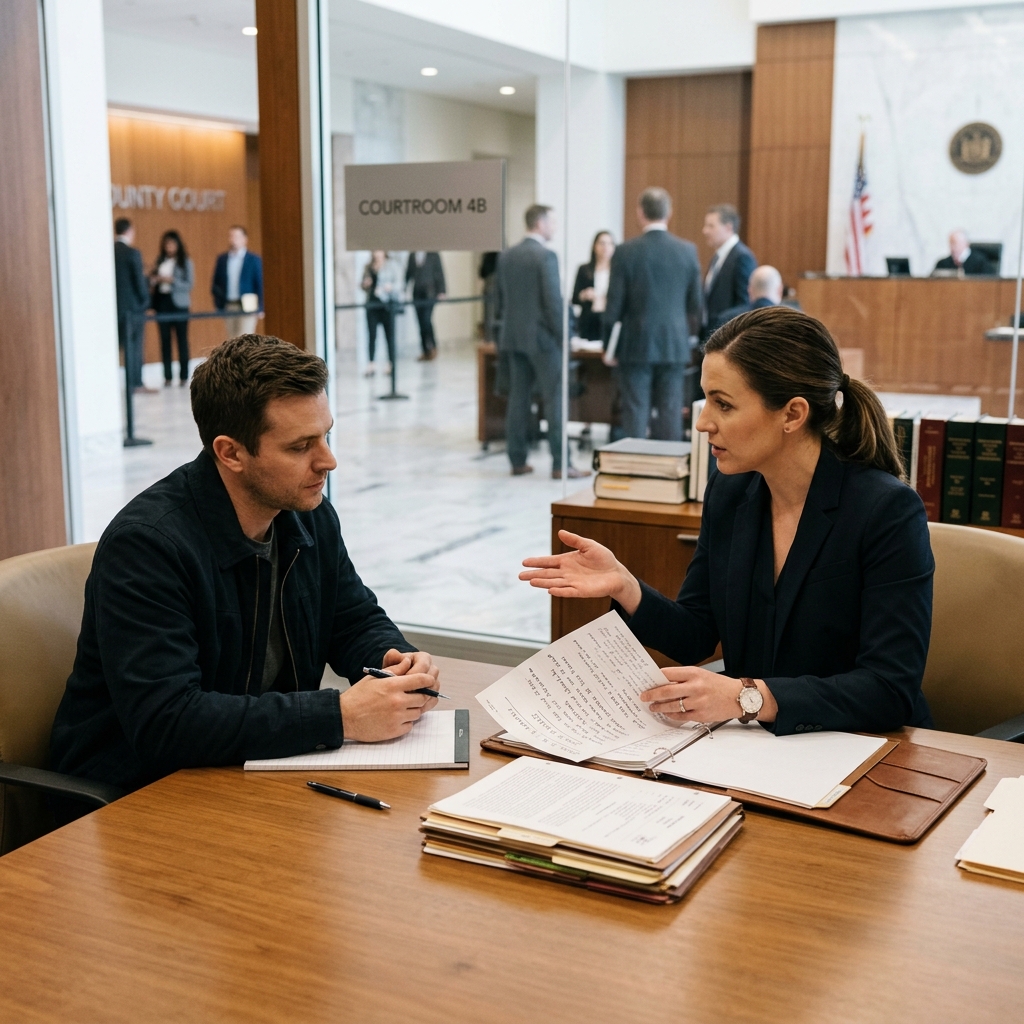
Theft allegations can be frightening and disruptive, affecting your freedom, reputation, and career. Yet many theft cases are far from straightforward. Prosecutors must prove specific elements of the crime beyond a reasonable doubt, and defense attorneys often use a range of legal strategies to challenge those elements, exclude evidence, or negotiate a favorable outcome.
This article explains the principal defenses that arise in theft prosecutions, including cases involving employee theft, shoplifting, embezzlement, and other property crimes. The goal is to help you understand how lawyers analyze theft charges and what kinds of arguments may be available in a given case.
Understanding the Legal Concept of Theft
Although terminology varies by jurisdiction, theft laws usually focus on the unauthorized taking or use of property belonging to another person, combined with the necessary criminal intent. Common labels include larceny, stealing, embezzlement, and theft by unlawful taking, but the underlying ideas are similar.
| Core Element | Typical Legal Requirement |
|---|---|
| Property | Tangible items (cash, merchandise, equipment) or intangible interests (data, trade secrets), depending on the statute. |
| Ownership or Possession | The property must belong to someone other than the defendant, or at least be lawfully possessed by another. |
| Taking or Conversion | There must be a taking, carrying away, or conversion of property for the defendant’s use or benefit. |
| Intent | The defendant must intend to deprive the owner of the property, often permanently or for a significant period. |
Defense strategies typically focus on one or more of these elements. If the prosecution cannot prove each one, the jury should acquit.
Challenging the Prosecution’s Evidence
Criminal defendants are presumed innocent, and the government carries the burden of proving guilt beyond a reasonable doubt. In many theft cases, the strongest defense is simply that the evidence is incomplete, unreliable, or inconsistent.
- Insufficient evidence: The defense argues that the available documents, videos, or witness testimony do not clearly establish a theft occurred or that the accused was responsible.
- Circumstantial evidence only: When the case relies entirely on indirect inferences (for example, a shortage in inventory), defense counsel highlights alternative explanations such as accounting errors, shared access, or mislabeling.
- Unreliable witnesses: Witnesses may have poor memory, bias, or motives to lie. Cross-examination can expose contradictions and weaken their credibility.
- Inaccurate financial calculations: In employee theft or embezzlement cases, the alleged loss may be overstated, miscategorized, or based on flawed audits. Independent forensic review can substantially change the picture.
Demonstrating reasonable doubt does not require proving a different narrative. It is enough to show that the prosecution’s story is not the only plausible explanation for the facts.
Lack of Criminal Intent
Intent is central to almost all theft laws. A person may physically take property without committing theft if they did not have the mental state the statute requires. Defense lawyers therefore spend considerable time examining what the accused believed and intended at the relevant moment.
Claim of Right or Ownership
One common defense is that the accused believed they had a legitimate claim to the property—either because they thought it was theirs or because of a dispute over ownership.
In this scenario:
- The defendant genuinely thinks they own the item or are legally entitled to possess it.
- The belief may be based on prior agreements, unpaid wages, misunderstandings about title, or informal assurances.
- Even if the belief is mistaken, the absence of intent to steal can negate the crime.
Courts usually distinguish between a good-faith claim of right and a pretext that arises only after the individual is caught. Documentation and earlier communications often become crucial evidence.
Consent or Belief in Authorization
Theft requires a lack of permission. If the owner or their agent consented to the use of property, or if the accused reasonably believed consent existed, the offense may not be established.
- Express consent: Direct authorization through written policies, emails, texts, or verbal instructions.
- Implied consent: Past practices, workplace customs, or long-standing habits suggesting the conduct is permitted.
- Reasonable misunderstanding: Situations where the accused misinterpreted ambiguous instructions or unclear company rules.
These issues are particularly common in employment settings, where employees handle money, inventory, discounts, and company accounts as part of their everyday duties.
Mistake of Fact
A mistake of fact occurs when someone acts under an incorrect assumption about the circumstances—for example, picking up the wrong bag or using property they believed had been abandoned. If the mistake is honest and reasonable, it can undermine the intent element.
Examples include:
- Taking an item that looks identical to one you own.
- Borrowing an object believing you had permission, and later forgetting to return it.
- Assuming an item was discarded or free to take.
In these cases, the defense focuses on showing what the defendant genuinely believed at the time, rather than how the situation appears in hindsight.
Intoxication and Impaired Judgment
In some jurisdictions, intoxication can be relevant if it negates specific intent—meaning the person was too impaired to form the required mental state to steal. This does not excuse all behavior, and voluntary intoxication is treated cautiously, but it may support a defense in narrow circumstances.
Defenses Based on Coercion and Entrapment
Sometimes a person engages in conduct that looks like theft but does so under pressure or manipulation from others. The law recognizes several defenses in these situations.
Duress or Coercion
Duress arises where the accused commits the offense under an immediate threat of serious harm, leaving them little practical choice. Courts treat duress carefully, but if the defense is proven it may excuse criminal responsibility.
- The threat typically involves physical injury or similar harm.
- The danger must be imminent rather than hypothetical or distant.
- The defendant must not have voluntarily placed themselves in the situation where the duress arose.
In theft cases, duress might be argued when a person is forced to remove property or transfer funds because another individual threatens violence or other serious consequences.
Entrapment by Law Enforcement
Entrapment occurs when government agents induce someone to commit a crime they would not otherwise have committed. It is a defense recognized in many jurisdictions and can be especially relevant in undercover operations.
- The idea to steal originates with law enforcement rather than the accused.
- Officers use persuasion, pressure, or repeated solicitation to overcome the person’s resistance.
- The accused was not predisposed to commit theft before the government’s involvement.
If the defense shows that the government manufactured the crime, a court may dismiss the charges even if the physical acts otherwise meet the definition of theft.
Procedural and Constitutional Defenses
Beyond disputing the facts, defense attorneys frequently challenge how the case was investigated. Evidence obtained in violation of constitutional rights may be excluded, weakening or even collapsing the prosecution’s case.
Illegal Search and Seizure
In the United States, the Fourth Amendment restricts unreasonable searches and seizures. If police or other authorities collect evidence without a valid warrant or an applicable exception, that evidence can be suppressed.
- Items taken from a home or private workplace without proper legal authority.
- Digital data seized from phones or computers without meeting constitutional standards.
- Searches that exceed the scope of a warrant or consent.
When key documents, recordings, or physical objects are excluded, the prosecution may no longer be able to prove its case.
Violations of Miranda and Interrogation Rules
Statements obtained during custodial interrogation must comply with constitutional safeguards such as the requirement to advise suspects of their rights to remain silent and to consult an attorney. If those rights are not respected, incriminating admissions may be inadmissible.
- Failure to give required warnings before questioning.
- Continuing to interrogate after the suspect requests a lawyer.
- Using coercive or overly prolonged questioning that undermines voluntariness.
In some theft cases—especially where direct evidence is thin—statements made by the accused are central. Excluding those statements can dramatically shift the balance.
Employee Theft and Embezzlement: Special Considerations
When theft allegations arise in the workplace, additional legal and practical factors come into play. Employee theft can involve physical items, cash, misuse of accounts, payroll manipulation, or embezzlement of funds entrusted to the worker.
Elements of Employee Theft and Embezzlement
Embezzlement statutes typically focus on property that has been entrusted to the defendant because of a position of trust, such as a manager, accountant, or bookkeeper.
- The owner or their agent voluntarily entrusts property to the employee.
- The employee then converts or uses that property for personal benefit.
- The employee intends to deprive the owner of the property’s use, even temporarily.
Defense strategies in these cases often revisit questions of authorization, accounting practice, and intent: was the transaction legitimate, mistaken, or deliberately concealed?
Common Defense Themes in Workplace Cases
- Ambiguous policies: Company rules may be unclear about discounts, reimbursements, or use of resources, making it harder to prove intentional theft.
- Shared access: Many employees may have had access to inventory or accounts, creating doubt about who is responsible for losses.
- Retaliation or scapegoating: An employee may be blamed following whistleblowing, internal disputes, or broader financial problems.
- Flawed internal investigations: Inadequate documentation, biased interviews, or improper handling of evidence can undermine the employer’s case.
Because workplace allegations can also impact civil liability, unemployment benefits, and future job prospects, early legal advice is particularly important.
Negotiating Plea Agreements and Alternative Outcomes
Not every theft case ends with a trial. In many jurisdictions, prosecutors and defense counsel work toward plea agreements that reduce charges or penalties in exchange for a guilty or no-contest plea.
- Charge reduction: Negotiating from felony to misdemeanor or from theft to a related but less serious offense.
- Sentencing concessions: Agreements for probation, community service, or restitution instead of jail time.
- Diversion programs: For first-time or low-level offenders, completion of counseling, education, or restitution may lead to dismissal.
Returning property, paying restitution, or showing genuine remorse do not erase the crime, but they can influence negotiations and sentencing decisions.
Practical Steps If You Are Accused of Theft
While the specific defense strategy must be tailored by a qualified attorney, there are general practical steps individuals should consider if they face theft allegations.
- Exercise your right to remain silent: Avoid discussing details of the incident with police, employers, or colleagues until you have legal representation.
- Consult a criminal defense lawyer promptly: Early advice can help protect your rights and shape how evidence is presented.
- Preserve documents and communications: Keep copies of relevant emails, contracts, receipts, logs, and policy manuals that might support a claim of authorization or mistake.
- Avoid destroying or altering records: Tampering with evidence can create additional charges and damage credibility.
- Follow court and workplace procedures: Attend scheduled hearings, comply with conditions of release, and respect internal investigation processes to avoid worsening the situation.
Because theft laws and defenses vary by jurisdiction, it is important to seek advice from counsel familiar with local statutes and court practices rather than relying solely on general information.
Frequently Asked Questions About Theft Defenses
Does returning the property automatically clear me of theft charges?
No. In most jurisdictions, returning stolen property does not erase the offense; the crime occurs at the moment of unlawful taking with the necessary intent. However, prompt return and cooperation can sometimes support arguments about intent or help negotiate reduced penalties.
Can I be convicted of theft if I only intended to borrow the item?
Intent to permanently deprive the owner is often required, but some laws treat significant temporary deprivation as sufficient. If you credibly believed you had permission to borrow the item or intended to return it, that may support a defense based on lack of intent or mistake of fact.
Is it theft if I thought the property was mine?
Where you honestly believe you own the property or have a legal right to it, the claim of right defense may apply. Courts will look at the reasonableness of your belief and any supporting documents or communications.
What if my employer accuses me of theft but has little evidence?
Employers often rely on internal audits, inventory records, or witness reports, but these may be incomplete or inaccurate. A defense attorney can review the documentation, challenge flawed assumptions, and raise reasonable doubt about whether a crime occurred or whether you were responsible.
Do I need a lawyer for a minor shoplifting charge?
Even low-level theft charges can have long-term consequences, including criminal records, immigration implications, and employment barriers. Consulting a qualified attorney can help you understand options such as diversion programs, plea negotiations, or trial defenses.
References
- Theft Defenses — FindLaw. 2024-05-01. https://www.findlaw.com/criminal/criminal-charges/theft-defenses.html
- Common Defenses to Theft Crimes — Knowles Law Firm, PLC. 2025-01-15. https://www.knowleslaw.org/arizona-legal-blog/2025/january/common-defenses-to-theft-crimes/
- Employee Theft / Theft by Embezzlement – PC 484, 503 — Wallin & Klarich. 2023-09-10. https://www.wklaw.com/employee-theft-embezzlement/
- Common Defenses Against Employee Theft Allegations — Houston Criminal Defense Lawyer. 2023-11-20. https://houstoncriminaldefenselawyer.com/theft-attorney-houston-tx/employee-theft/
- Common Defenses in Criminal Cases Involving Theft — Alexander Law Firm. 2022-06-01. https://alexanderlawfirmkc.com/blog/what-are-the-common-defenses-in-criminal-cases-involving-theft/
- The 14 Most Common Types of Employee Theft — HR Acuity. 2023-03-30. https://www.hracuity.com/blog/common-types-of-employee-theft/
Similar Articles








Read full bio of Sneha Tete




