
Legal Consequences of Underage DUI Explained
A detailed look at how underage DUI laws work, the penalties involved, and the long-term impact on a young driver’s future.
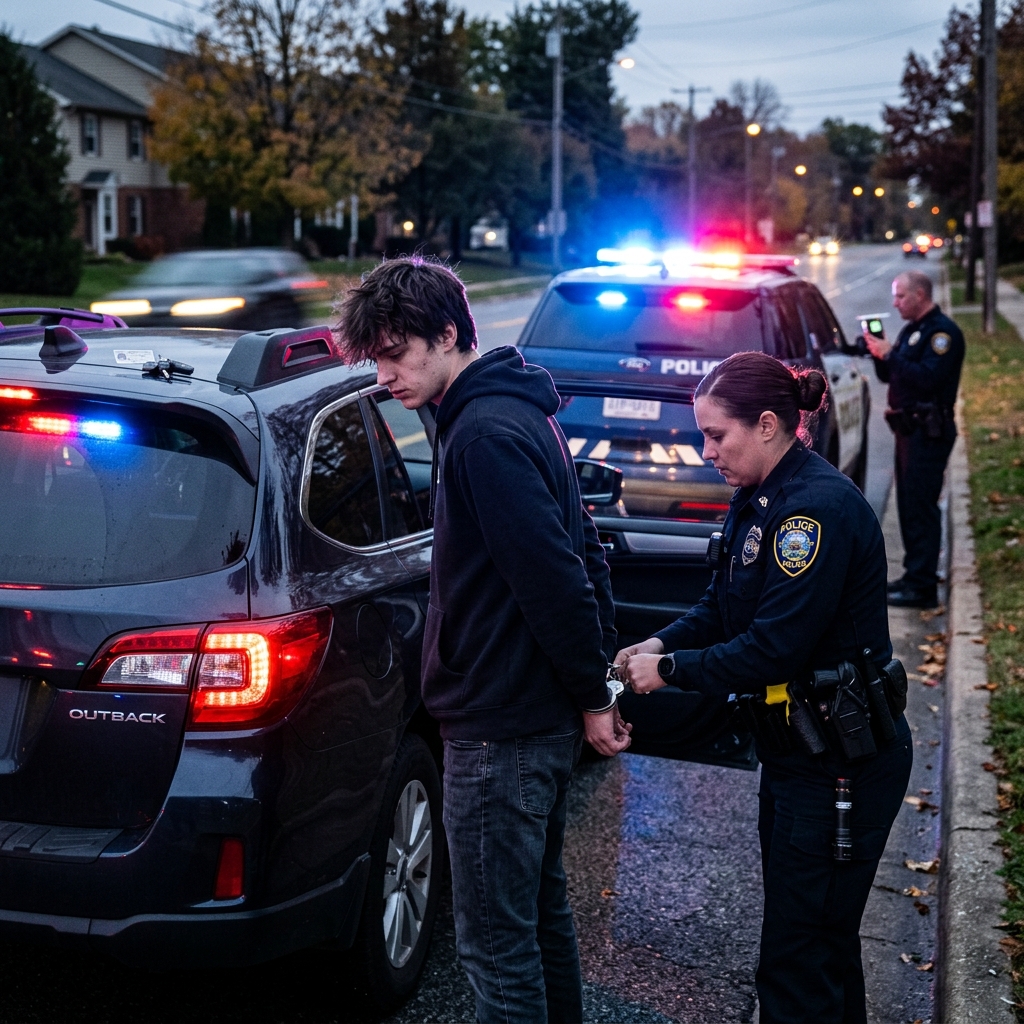
Driving under the influence is a serious offense at any age, but the law treats drivers under 21 in a particularly strict way. Many jurisdictions apply zero-tolerance rules, meaning that even small amounts of alcohol in a minor’s system can trigger penalties, including license suspension, fines, and possible criminal charges. This article walks through how underage DUI laws work, what penalties minors face, and how a single mistake can have long-term consequences.
Why Underage DUI Laws Are Stricter
Underage DUI laws are built around the idea that young drivers are still developing judgment and driving experience, and mixing alcohol or drugs into that equation dramatically increases risk. Legislatures have responded by lowering acceptable blood alcohol concentration (BAC) thresholds and adding specific penalties for minors. In many states, a BAC of 0.01%–0.02% can be enough for an underage DUI or administrative license suspension, even though the standard adult threshold is usually 0.08%.
- Zero-tolerance BAC thresholds: Any detectable alcohol, often around 0.01–0.02%, can lead to sanctions for drivers under 21.
- Public safety concerns: Crash data consistently show higher crash risk when teens mix alcohol and driving, prompting tougher rules and penalties.
- Deterrence goals: Lawmakers aim to discourage both underage drinking and dangerous driving behavior by linking them with strong consequences.
Key Legal Concepts in Underage DUI Cases
Understanding a few core legal terms helps clarify how these cases are handled. Although details vary by state, most underage DUI systems revolve around the following concepts:
- Blood Alcohol Concentration (BAC): The percentage of alcohol in a person’s bloodstream, measured through breath, blood, or urine tests. For adults, 0.08% is a common limit; minors face lower thresholds.
- Per se DUI: A charge based solely on BAC being above the legal limit, regardless of visible driving impairment.
- Zero-tolerance violation: A separate offense or administrative infraction when a minor has any alcohol in their system while driving, often resulting in automatic license suspension.
- Administrative license suspension: A civil consequence imposed by the motor vehicle authority (such as a Department of Motor Vehicles) when a chemical test shows alcohol or the driver refuses testing, independent of criminal court outcomes.
- Juvenile vs. adult court: Younger minors may have their cases heard in juvenile court, while older teens can face adult criminal charges depending on age and circumstances.
Typical Penalties for Underage DUI
While penalties differ across states, several types of sanctions appear repeatedly in underage DUI cases. Many minors face a combination of these, especially when BAC is elevated or there are prior offenses.
License Suspension and Driving Restrictions
Loss of driving privileges is among the most common and immediate consequences. For underage drivers, even a first offense can lead to a license suspension ranging from weeks to several years.
- Short-term suspensions: Some states impose initial suspensions of 30 days or more even for lower-BAC, first-time incidents.
- Longer suspensions: Repeat underage DUI convictions or higher BAC levels can result in multi-year suspensions of full driving privileges, sometimes up to 10 years for multiple convictions.
- Restrictions on re-licensing: Reinstatement may require proof of completion of treatment, education programs, and payment of reinstatement fees.
| Scenario | Typical License Consequence |
|---|---|
| First underage DUI, lower BAC | Suspension from 30 days up to 1 year, often with conditions. |
| Second underage DUI | Extended suspension, commonly several years or more, plus stricter conditions. |
| Zero-tolerance violation (very low BAC) | Administrative one-year suspension in some states. |
| High BAC or crash with injuries | Multi-year revocation and possible felony-related consequences. |
Fines, Fees, and Financial Costs
Underage DUI often carries hundreds or thousands of dollars in fines, plus court costs and administrative fees.
- Criminal fines: Many states set minimum fines in the $300–$500 range for first offenses, with upper limits in the thousands of dollars for more serious or repeat offenses.
- Court and program fees: Minors must frequently pay for alcohol education courses, counseling programs, and license reinstatement.
- Indirect costs: Increased insurance premiums, towing and impound fees, and transportation costs can significantly add to the overall financial burden.
Community Service, Education Programs, and Treatment
Because underage DUI involves both driving safety and substance use, many sentencing systems emphasize education and rehabilitation. Courts and motor vehicle agencies may order minors to complete various structured programs.
- Alcohol-awareness classes: Some states require mandatory classes after underage alcohol-related offenses, even when jail time is not imposed.
- Substance abuse counseling: Evaluations and ongoing treatment may be required, particularly after higher BAC readings or repeat incidents.
- Community service: Sentences often include dozens of hours of service, which can increase for second or third offenses.
Juvenile Detention, Jail, or Probation
While many first-time underage DUI cases do not result in long jail terms, incarceration is legally possible, especially when BAC is high, there is a crash, or the minor has prior offenses.
- Juvenile dispositions: Younger minors may receive probation, supervision, and program requirements instead of confinement, although detention remains an option for serious cases.
- Short jail sentences: Some statutes allow up to several months of jail time for underage DUI, with mandatory minimums for repeat or aggravated offenses.
- Probation conditions: Probation may require regular check-ins, abstention from alcohol, curfews, and compliance with treatment directives.
Zero-Tolerance Laws and Non-Criminal Consequences
Not every underage DUI case involves a full criminal conviction. Some states separate zero-tolerance violations from traditional DUI charges. In those systems, a minor may face civil or administrative penalties solely for driving with detectable alcohol, even if no criminal offense is charged.
- Civil or administrative status: A zero-tolerance violation can be treated as a non-criminal infraction or civil offense, similar to a traffic ticket but with more serious consequences.
- License-only penalties: The main punishment may be a license suspension, without jail time or a criminal record in some zero-tolerance frameworks.
- Overlap with criminal DUI: If the minor’s BAC reaches or exceeds the standard DUI limit (often 0.08%), they can face both criminal charges and administrative sanctions.
Aggravating Factors That Increase Penalties
Certain circumstances can transform an underage DUI from a relatively lower-level offense into a more serious matter. When these aggravating factors are present, penalties can escalate sharply.
- High BAC: Higher alcohol levels tend to increase the likelihood of jail time and larger fines.
- Crash causing injury or property damage: If the DUI involves an accident, especially with serious injuries, charges may be upgraded and include longer incarceration and lengthy license revocation.
- Repeat offenses: Second or third underage DUI cases within a set time frame can result in drastically longer license suspensions and enhanced sanctions.
- Driving with a suspended license: Continuing to drive after suspension can lead to additional misdemeanors or even felony charges in some jurisdictions.
Long-Term Consequences Beyond Court Penalties
The impact of an underage DUI often continues long after court dates and license suspensions end. A conviction or record of alcohol-related driving behavior can affect many aspects of a young person’s future.
- Criminal record: An underage DUI may appear on background checks, potentially influencing college admissions, housing applications, or employment opportunities.
- Education and scholarships: Some educational institutions and scholarship programs consider disciplinary or criminal history when making decisions, which can disadvantage applicants with a DUI record.
- Employment screening: Jobs that require driving, security clearances, or professional licensing may be harder to obtain with a history of impaired driving.
- Insurance costs: Auto insurers commonly raise premiums or decline coverage for drivers with DUI-related incidents, which can significantly increase costs for years.
How Underage DUI Cases Are Typically Processed
Procedures vary, but most underage DUI cases follow a general pattern. Knowing the steps can help families understand what to expect and where decisions are made.
- Investigation and roadside stop: Law enforcement may stop a vehicle based on observed driving behavior, traffic violations, or checkpoints. If alcohol use is suspected, officers typically conduct field sobriety tests and request chemical testing.
- Chemical testing: Breath or blood tests are used to measure BAC. Refusal can itself trigger license suspension, especially in states with implied consent laws.
- Administrative action: Motor vehicle agencies may begin license suspension or revocation processes shortly after test results or refusal, sometimes even before criminal charges are resolved.
- Court hearings: Depending on age and local law, the case may go through juvenile or adult criminal court. At these hearings, judges decide guilt, assign penalties, and set conditions for probation or program participation.
- Compliance and follow-up: Minors must complete all required programs, pay fines and fees, and meet any probation conditions. Failure to comply can result in further penalties or extended supervision.
Preventive Measures and Practical Guidance for Families
While laws focus on punishment and deterrence, families often seek practical steps to avoid underage DUI incidents. Several strategies can reduce risk and encourage responsible behavior.
- Clear family rules about alcohol and driving: Consistent expectations and consequences at home can reinforce legal rules and highlight the seriousness of impaired driving.
- Safe-ride plans: Encouraging minors to call parents, guardians, or trusted adults for rides when they encounter alcohol can prevent impaired driving and reduce fear of seeking help.
- Education about legal consequences: Explaining the real-world impact of underage DUI—license loss, costs, and lasting record—can be more persuasive than abstract warnings.
- Monitoring and support: Staying aware of social environments, peer influences, and stressors, and providing support when problems arise, helps minors make safer choices.
Frequently Asked Questions About Underage DUI
Does a minor need to reach 0.08% BAC to be charged with DUI?
No. Many states have separate rules for underage drivers where much lower BAC levels can lead to sanctions. In some jurisdictions, any measurable alcohol (around 0.01–0.02%) while driving can trigger a zero-tolerance violation or administrative license suspension, even if the BAC is below the adult DUI threshold.
Is jail time common for a first underage DUI?
Jail time is possible but not always imposed for first offenses. Many systems focus on license suspension, fines, and education or treatment programs, especially when BAC is relatively low and no crash occurs. However, if aggravating factors are present, such as high BAC or injuries, the chance of jail or detention increases.
Can an underage DUI affect future job prospects?
Yes. A DUI conviction can create a criminal record that employers may see during background checks, especially for roles involving driving or positions requiring high levels of trust and responsibility. This can limit access to some jobs or internships and may require additional explanation during applications.
What happens if a minor refuses a breath or blood test?
Refusal often triggers separate penalties under implied consent laws. These can include longer license suspensions than those imposed for failing a test, even if the underlying DUI charge has not yet been proven in court. Some states treat refusal as an aggravating factor when sentencing if the minor is later convicted.
Do zero-tolerance violations always appear on a criminal record?
Not necessarily. In some legal frameworks, zero-tolerance offenses are handled as civil or administrative matters rather than criminal convictions, with penalties limited mainly to license suspension and fines. However, the incident may still be documented by motor vehicle agencies and can influence future driving history, insurance, or court decisions.
References
- Traffic and Safety – Teenage DUI — Illinois State Police. 2024-01-01. https://isp.illinois.gov/TrafficSafety/TeenageDui
- Virginia Underage DUI Charges and Penalties — The Wilson Law Firm. 2023-06-15. https://www.tkevinwilsonlawyer.com/blog/virginia-underage-dui-charges-and-penalties.cfm
- What Happens If a Minor Gets a DUI in Florida? — Community Law Firm. 2023-03-10. https://www.communitylawfirm.com/blog/what-happens-if-minor-gets-dui-florida
- Underage DUI & DWI and Zero Tolerance Laws — Justia. 2022-09-01. https://www.justia.com/criminal/drunk-driving-dui-dwi/handling-a-dui-stop/underage-dui/
- Underage Drinking and Driving — Texas Department of Transportation. 2024-02-01. https://www.txdot.gov/safety/driving-laws/impaired-driving/underage-drinking.html
- “Underage DUI” in California – Law, Penalties & Defenses — Shouse Law Group. 2023-05-20. https://www.shouselaw.com/ca/dui/laws/under-21/
- DUI Under 21: Penalties & What to Expect — Intoxalock. 2023-08-15. https://www.intoxalock.com/knowledge-center/dui-under-21-penalties
Similar Articles








Read full bio of Sneha Tete




