
Launch Your Legal Career at America’s Top Party Campuses
Discover how to build a thriving law practice serving students, events, and nightlife at the nation's premier party universities.
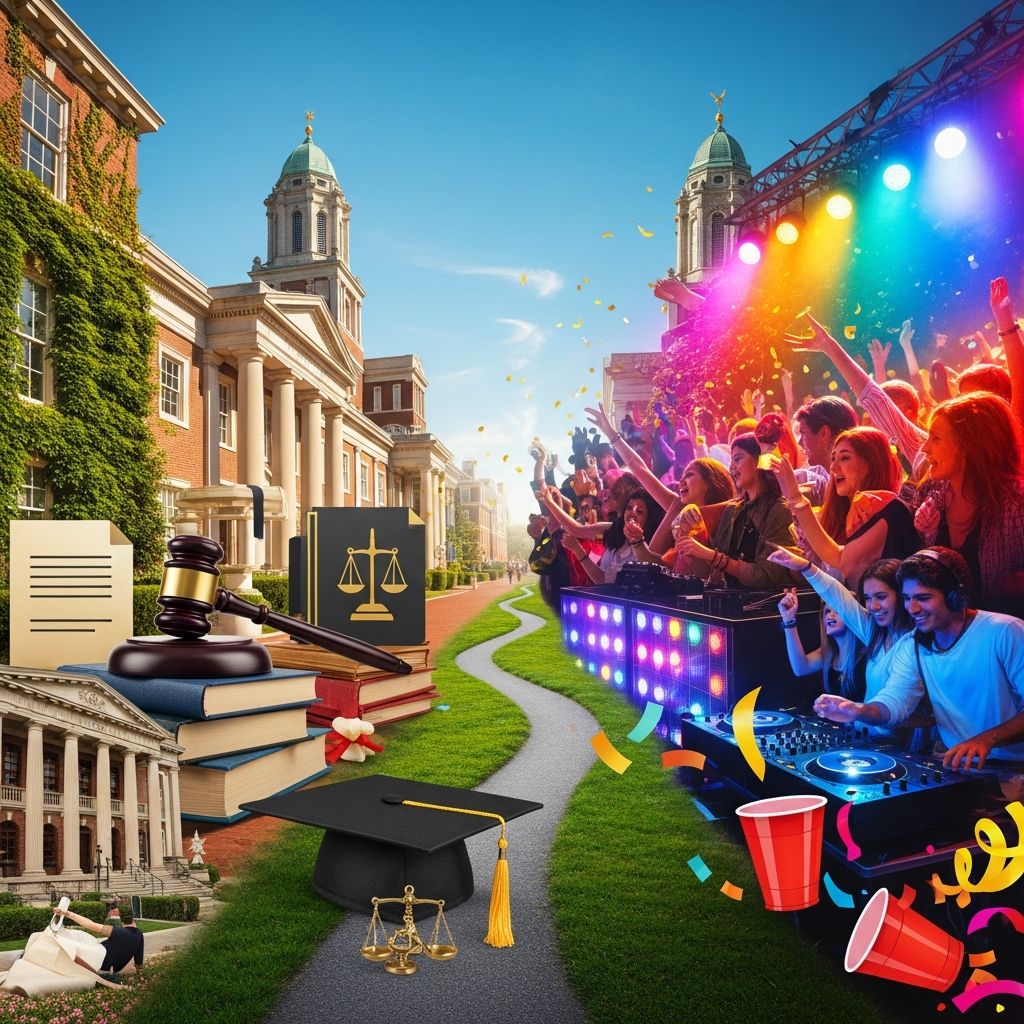
Universities renowned for their lively social atmospheres offer unique prospects for legal professionals. These campuses, often dubbed top party schools, attract large student populations eager for nightlife, events, and Greek life activities. Lawyers who position themselves strategically can build rewarding practices addressing the legal needs arising from such dynamic environments. With Niche’s 2026 rankings highlighting institutions like University of California, Santa Barbara (UCSB) as number one, followed by Florida State University (FSU) and Tulane University, aspiring attorneys have clear targets for specialization.
Understanding the Top Party School Landscape in 2026
The annual Niche rankings evaluate campuses based on student surveys about party scenes, Greek life participation, athletics vibrancy, and proximity to bars and restaurants using U.S. Census data. This methodology reveals institutions where social activities drive significant legal demands, from alcohol-related incidents to event permitting.
For 2026, UCSB retains its top position, celebrated for its beachside location and robust student life. FSU claims second place with its energetic Tallahassee scene, while Tulane rounds out the podium amid New Orleans’ festive culture. Other notables include University of Southern California (USC), University of Wisconsin-Madison, and University of Alabama, each fostering environments ripe for legal services.
| Rank | University | Location | Key Social Factors |
|---|---|---|---|
| 1 | University of California, Santa Barbara | Santa Barbara, CA | Beach access, Greek life, bars |
| 2 | Florida State University | Tallahassee, FL | Athletics, student surveys |
| 3 | Tulane University | New Orleans, LA | Restaurants, nightlife |
| 4 | University of Southern California | Los Angeles, CA | Greek life, urban access |
| 5 | University of Wisconsin-Madison | Madison, WI | Party scene grades |
| 10 | University of Illinois Urbana-Champaign | Champaign, IL | A+ party grade, enrollment |
This table summarizes standout schools, illustrating why their ecosystems demand specialized legal expertise.
Legal Demands Fueled by Campus Social Scenes
Vibrant party cultures generate recurring legal issues. Students face disciplinary hearings, alcohol violations, and noise complaints, creating steady work for defense attorneys. Off-campus bars grapple with licensing, underage serving liabilities, and premises safety regulations. Event organizers for festivals, tailgates, and fraternity parties require counsel on contracts, insurance, and public safety compliance.
Greek organizations, central to many top-ranked schools, navigate hazing allegations, housing codes, and financial disputes. Campus businesses like restaurants and ride-share operators need guidance on employment law amid seasonal student worker influxes. Attorneys attuned to these patterns can cultivate client bases that sustain year-round practices.
Specializing in Student Defense and Disciplinary Matters
One of the most immediate opportunities lies in representing students ensnared in university conduct codes. Top party schools enforce strict policies on substance use, public intoxication, and disruptive behavior, often leading to suspensions or expulsions. Lawyers experienced in administrative hearings can negotiate reductions in penalties, preserving academic records.
Focus on due process rights under campus policies and state laws. Build networks with student affairs offices and deans of students at schools like UCSB or FSU. Offer retainer services to Greek chapters for proactive compliance training, mitigating risks before incidents occur. This niche demands quick response times, especially during peak party weekends.
Navigating Nightlife Regulations for Bars and Venues
Proximity to bars is a key ranking metric, underscoring the legal complexities of alcohol service near campuses. Attorneys can advise on liquor license renewals, dram shop liability (where establishments serve visibly intoxicated patrons), and ADA compliance for nightlife spots. In locales like Madison, WI, or Baton Rouge near LSU (frequent list contenders), seasonal ordinances restrict bar hours during events.
Represent venues in disputes with local enforcers or insurers. Draft contracts for DJs, promoters, and security firms to limit exposure. With student-heavy crowds, personal injury claims from slips, fights, or overserving are common, positioning lawyers as essential risk managers.
Event Planning Law: From Tailgates to Festivals
Large-scale campus events amplify legal needs. Football tailgates at Alabama or Wisconsin draw thousands, necessitating permits for temporary structures, fire safety, and alcohol controls. Music festivals and homecoming celebrations require expertise in crowd management, vendor agreements, and emergency planning.
Specialize in municipal permitting processes, negotiating with city councils wary of disruptions. Advise on force majeure clauses amid weather risks or pandemics. For recurring clients like alumni associations, develop template contracts streamlining future events. This practice thrives at schools with storied athletics programs.
Supporting Greek Life and Fraternity Operations
Greek life ratings heavily influence party school status. Fraternities and sororities face hazing probes, Title IX complaints, and property disputes over chapter houses. Lawyers can conduct internal audits, train leaders on risk reduction, and litigate against university sanctions.
Handle real estate transactions for house renovations, ensuring zoning compliance. Tax-exempt status maintenance for national organizations adds another layer. Position yourself as the go-to counsel for Interfraternity Councils at USC or Tulane, where Greek involvement is intense.
Business Law for Campus Entrepreneurs and Vendors
Party ecosystems spawn startups: food trucks, apparel brands, and app-based delivery services catering to late-night crowds. These ventures need entity formation, intellectual property protection, and vendor permits. Advise on partnerships between students and locals, foreseeing liability in co-hosted parties.
Employment issues arise with transient student staff—wage disputes, workers’ comp claims. For ride-share drivers surging during bar closes, traffic and insurance law intersect. Target entrepreneurship hubs at UT Austin or Penn State, blending business acumen with legal savvy.
Steps to Establish Your Campus-Focused Practice
- Research Local Ordinances: Dive into city codes around target schools, identifying frequent violations like noise or open-container rules.
- Network Aggressively: Attend alumni events, join booster clubs, and volunteer at student legal clinics to build referrals.
- Leverage Digital Presence: Optimize your site for searches like ‘UCSB student lawyer’ or ‘FSU bar attorney,’ offering free consultations.
- Pursue Relevant Certifications: Gain credentials in ADR for conduct hearings or hospitality law for venues.
- Partner with Universities: Propose guest lectures on legal pitfalls of partying to deans and RAs.
These steps create a pipeline of clients, turning party school reputations into professional assets.
Challenges and Ethical Considerations
High-volume social scenes invite ethical tightropes. Avoid conflicts when representing both students and administrators. Manage expectations on criminal matters, as DUIs or assaults carry serious repercussions beyond campus codes. Stay abreast of evolving laws, like cannabis legalization impacting substance policies.
Competition from general practitioners exists, but niche expertise differentiates you. Balance profitability with community impact, perhaps by pro bono work for low-income students.
Frequently Asked Questions (FAQs)
What makes a school a ‘top party school’?
Niche assesses student reviews of party scenes, Greek life, athletics, and bar/restaurant access via Census data.
Is specializing near party schools lucrative?
Yes, recurring issues like conduct violations and licensing sustain high client volumes in student-dense areas.
Do I need a JD from one of these schools?
No, local bar admission and campus knowledge matter more than alma mater.
How do rankings change yearly?
They fluctuate based on updated surveys; UCSB held #1 consecutively.
Can I serve multiple nearby campuses?
Absolutely—regional practices cover clusters like Madison or Baton Rouge effectively.
This FAQ section addresses common queries, enhancing SEO for aspiring campus lawyers.
References
- New list of top party schools in the US for 2026, according to Niche data — FOX 32 Chicago. 2026. https://www.fox32chicago.com/news/top-party-schools-us-2026-niche-data
- The top 10 party schools in the US, ranked — Business Insider. 2026. https://www.businessinsider.com/top-party-schools-universities-in-the-us-ranked
- The Top 50 Party Schools in America — Stacker. Recent. https://stacker.com/stories/careers-education/top-50-party-schools-america
- Top 23 Party Schools in the US: Should You Go to One? — CollegeVine Blog. Recent. https://blog.collegevine.com/top-party-schools-in-the-us
- 2026 Top Party Schools in America — Niche.com. 2026. https://www.niche.com/colleges/search/top-party-schools/
Similar Articles








Read full bio of Sneha Tete




