Lead in Lunchables: What Parents Need to Know
Consumer Reports’ findings on lead in Lunchables raise health, safety, and legal questions for families and schools nationwide.
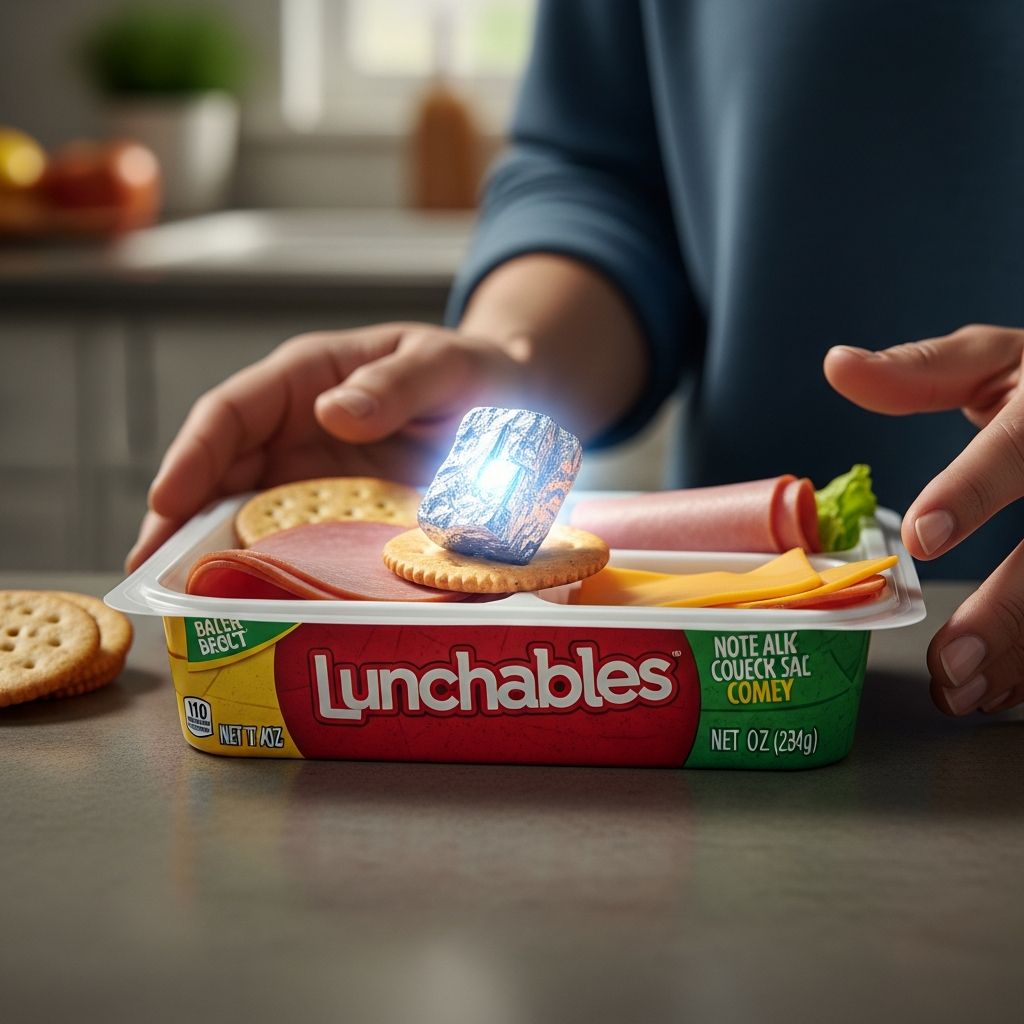
Lead Concerns in Lunchables: A Legal and Safety Deep Dive
Recent testing by Consumer Reports and other advocates has drawn intense scrutiny to Lunchables and similar prepackaged lunch kits marketed to children. These products, long promoted as convenient, kid-friendly options, were found to contain lead, cadmium, and other contaminants, along with high levels of sodium and processed meat. While none of the tested products violated existing federal limits, experts warn that the amounts detected may still be concerning for children’s long-term health.
This article explains what the investigation found, why lead in children’s food matters, what it means for school lunches, and how parents can respond—both from a health perspective and a legal standpoint.
What Did Consumer Reports Find in Lunchables?
Earlier in 2024, Consumer Reports tested a range of store-bought lunch and snack kits, including multiple varieties of Lunchables and similar products from other brands.
- They tested 12 store-bought kits, including Lunchables and comparable products from Armour, LunchMakers, Good & Gather, Greenfield Natural Meat Co., and Oscar Mayer.
- All samples contained lead, cadmium, or both, though none exceeded any federal legal limit for these metals in food.
- Five of the 12 products would expose a person to 50% or more of California’s maximum allowable dose level (MADL) for lead or cadmium in a single serving.
- All but one kit tested positive for phthalates, chemicals associated with plastic that have been linked to reproductive, metabolic, and cancer risks.
- The products also had very high sodium levels, in some cases approaching half a young child’s recommended daily sodium limit in one small kit.
Consumer Reports used California’s Proposition 65 lead and cadmium standards as a reference because there are
no federal limits
for these heavy metals in most foods. For example, one popular kit—Turkey and Cheddar Cracker Stackers—contained about 74% of California’s lead MADL in a single 3.2-ounce serving.Why Lead in Children’s Food Is a Big Deal
Lead is a toxic heavy metal with no safe level of exposure for children, according to public health authorities. While lead can occur naturally in soil and water, modern science agrees that even low exposures can harm developing brains and bodies over time.
Health effects of lead on children
- Cognitive impacts: Lower IQ, learning difficulties, and reduced academic performance.
- Behavioral issues: Attention problems, impulse control issues, and increased risk of behavioral disorders.
- Physical health: Over time, lead exposure can contribute to kidney problems, cardiovascular issues, and other chronic conditions.
- Cumulative risk: Lead accumulates in the body, so repeated small exposures from food, water, and the environment can add up.
Because lead exposure is cumulative, experts stress that children’s diets should minimize every avoidable source of lead—especially products they may eat regularly.
Other Red Flags: Sodium, Processed Meat, and Phthalates
Lead and cadmium are not the only concerns identified in these lunch kits.
Excessive sodium in small portions
Consumer Reports found that several tested kits contained nearly half of a 4–8-year-old’s recommended daily sodium intake in just one small package, even though the kits supply only a fraction of a child’s needed daily calories.
- High sodium in childhood can increase the risk of hypertension and later-life cardiovascular disease.
- The imbalance between low calories and high sodium leaves little room for additional salt from other foods throughout the day.
Highly processed meat and long-term disease risk
Many kits rely heavily on processed meats such as deli turkey or pepperoni. International health authorities have linked frequent consumption of processed meat to an increased risk of certain cancers and heart disease.
Phthalates in packaging and food
Phthalates, commonly used to soften plastics, were found in nearly all tested kits.
- Research has associated phthalate exposure with reproductive problems, diabetes, obesity, and some cancers.
- Phthalates can migrate from plastic packaging or processing equipment into food, particularly into fatty or highly processed items.
How Manufacturers and Regulators Have Responded
Kraft Heinz, which makes Lunchables, has emphasized that lead and cadmium can occur naturally in the environment and stated that its products meet all applicable safety standards. The company has also pointed to recent changes, such as reducing sodium in some crackers and introducing options that include fresh fruit.
Consumer Reports and other advocates argue that regulatory standards for heavy metals in food—especially children’s food—are inadequate. They note that:
- There are currently no federal limits for lead or cadmium in most foods, including lunch kits.
- Testing is not required before many products reach the market.
- California’s Proposition 65 limits are among the strongest benchmarks available, but they do not automatically trigger federal recalls when exceeded.
Impact on the National School Lunch Program
The controversy did not stay confined to grocery store shelves. Consumer Reports also evaluated Lunchables-style kits formulated specifically for schools and served through the National School Lunch Program (NSLP).
- School versions were found to have even higher sodium levels than store-bought counterparts.
- Tests also detected lead and cadmium in school kits.
- In response, Consumer Reports and other groups petitioned the U.S. Department of Agriculture (USDA) to remove Lunchables from school menus.
Following public pressure and advocacy, Kraft Heinz has since removed Lunchables from the National School Lunch Program, according to Consumer Reports and news coverage of the company’s decision.
Legal Ramifications: From Consumer Protection to Potential Lawsuits
Beyond nutrition and safety debates, the findings have clear legal dimensions. Parents, advocacy organizations, and regulators are examining whether marketing and labeling for these products are misleading in light of the contamination concerns.
Consumer protection and misrepresentation claims
- Some lawsuits filed against Kraft Heinz allege that the company failed to adequately disclose that Lunchables contain levels of lead that may be unsafe for children based on strong state standards, even if federal limits are not exceeded.
- These suits generally rely on state consumer protection laws, which prohibit deceptive or misleading advertising and labeling.
- Plaintiffs may argue that packaging and marketing imply that Lunchables are suitable, safe, and appropriate as everyday school lunches, despite the heavy metal and sodium levels identified by testing.
Regulatory and policy implications
The controversy could also influence broader policy debates about:
- Establishing federal limits for heavy metals in children’s foods.
- Requiring more pre-market testing for products heavily marketed to kids.
- Setting stricter NSLP nutritional and contamination standards for school meals.
What Parents Can Do Right Now
Parents do not need to panic, but the findings suggest it is wise to limit reliance on highly processed lunch kits, especially as a daily solution.
Steps to reduce risk from Lunchables and similar products
- Use them sparingly: Treat these kits as an occasional convenience, not a staple.
- Check labels: Look at sodium content and ingredient lists; aim for products with lower sodium and fewer processed meats.
- Rotate foods: Avoid repeatedly serving the same brand or type of processed kit to reduce cumulative exposure to any one source of contaminants.
- Pair with fresh foods: If you choose to use a kit, consider adding fruits, vegetables, and whole grains to help balance the meal nutritionally.
Safer lunchbox ideas
Whenever time and budget allow, simple, less processed options can lower exposure to heavy metals, excess sodium, and phthalates:
- Sliced fresh or frozen fruit and vegetables.
- Whole-grain bread or crackers with nut butter or hummus (if allowed by the school).
- Leftovers from home-cooked meals using minimally processed ingredients.
- Plain yogurt with fruit, oats, or nuts.
Experts also recommend checking whether your local school district has issued any guidance on Lunchables or similar products and engaging with school boards about the types of foods served on campus.
Key Facts at a Glance
| Issue | What Testing Found | Why It Matters |
|---|---|---|
| Lead & cadmium | Detected in all tested kits; up to ~74% of California’s lead MADL in a single serving. | No safe level of lead for kids; exposure is cumulative and can impair brain development. |
| Phthalates | Found in all but one tested kit. | Linked to reproductive, metabolic, and cancer risks in human and animal studies. |
| Sodium | Some kits provide nearly half of a young child’s daily limit in one small package. | High sodium intake in childhood can raise long-term risk of hypertension and heart disease. |
| School Lunch Program | Special school versions had even higher sodium; Lunchables have now been removed from the NSLP. | Millions of children rely on school meals, so NSLP standards have major public health impact. |
Frequently Asked Questions (FAQs)
Q: Did Lunchables break any federal laws with their lead levels?
According to available reporting, none of the tested Lunchables products exceeded existing federal limits for lead or cadmium in food, in part because there are no specific federal limits for these metals in most foods. Consumer Reports relied on California’s stricter Proposition 65 standards to evaluate risk.
Q: Should I stop giving my child Lunchables altogether?
Public health specialists generally recommend limiting, rather than absolutely banning, any one product. Because lead exposure is cumulative and children often have other sources of lead in their environment, experts advise that highly processed kits like Lunchables not be used as an everyday lunch solution. Choosing them occasionally, while emphasizing fresh, minimally processed foods most days, can meaningfully reduce risk.
Q: How did lead get into these products?
Lead and cadmium can enter food through soil, water, and agricultural inputs, as well as from processing equipment and packaging materials. As foods become more processed and pass through multiple industrial steps, metals can become more concentrated. Phthalates, meanwhile, likely migrate from plastics used in packaging or processing.
Q: Are Lunchables still being served in schools?
Following advocacy and petitions to the USDA, Kraft Heinz has removed Lunchables from the National School Lunch Program, according to Consumer Reports and news coverage. However, families may still send store-bought Lunchables from home, and similar lunch kits from other brands remain available in stores and, in some cases, in school à la carte offerings.
Q: Could parents have legal claims related to Lunchables?
Some lawsuits have already been filed, alleging that Kraft Heinz failed to adequately disclose the presence and levels of lead in Lunchables and that its marketing misleads consumers about the products’ safety for children. Whether any individual parent has a viable claim depends on their state’s consumer protection laws, the specific products purchased, and the evidence of harm or economic loss. Parents considering legal action should consult an attorney experienced in product liability or consumer fraud.
Q: What should I ask my pediatrician about lead exposure?
You can ask whether your child should be screened for elevated blood lead levels, particularly if they have frequent exposure to older housing, contaminated water, or recalled foods. Pediatricians can interpret test results, assess overall risk, and provide guidance on nutrition and environmental changes that help reduce ongoing exposure.
References
- Consumer Reports investigation finds high levels of lead in Lunchables — Food Safety News. 2024-04-22. https://www.foodsafetynews.com/2024/04/consumer-reports-investigation-finds-high-levels-of-lead-in-lunchables/
- Lunchables have concerning levels of lead and sodium, Consumer Reports says — CBS News. 2024-04-10. https://www.cbsnews.com/news/lunchables-lead-sodium-consumer-reports-kraft-heinz/
- Consumer Groups Petition USDA to Remove Lunchables From School Lunch Program Due to Toxic Contaminants — Food Safety Magazine. 2024-04-10. https://www.food-safety.com/articles/9730-consumer-groups-petition-usda-to-remove-lunchables-from-school-lunch-program-due-to-toxic-contaminants
- Lead in Lunchables: Plaintiff Sues Kraft Heinz for Consumer Fraud — Milberg. 2024-05-01. https://milberg.com/news/lead-lunchables-lawsuit/
- The go-to cheat for feeding your kids—Lunchables—has lead in it, and maker Kraft says it is a naturally occurring part of food products — Fortune. 2024-04-12. https://fortune.com/2024/04/12/lunchables-has-lead-in-it-and-maker-kraft-says-it-is-a-naturally-occurring-part-of-food/
- Kraft Heinz removes Lunchables from the national school lunch program following CR testing — Consumer Reports Advocacy. 2024-10-02. https://advocacy.consumerreports.org/press_release/kraft-heinz-removes-lunchables-from-the-national-school-lunch-program/
- Should Parents Be Concerned About Lead in Children’s Food? — Northeastern Global News. 2024-06-11. https://news.northeastern.edu/2024/06/11/lead-in-childrens-food/
- Lunchables removed from National School Lunch Program — ABC7 New York. 2024-10-04. https://abc7ny.com/post/lunchables-removed-national-school-lunch-program/15542432/
Similar Articles








Read full bio of Sneha Tete