
Lawyers and Social Media: Ethical Pitfalls to Avoid
Essential guidelines for attorneys navigating social media without violating professional ethics or risking discipline.
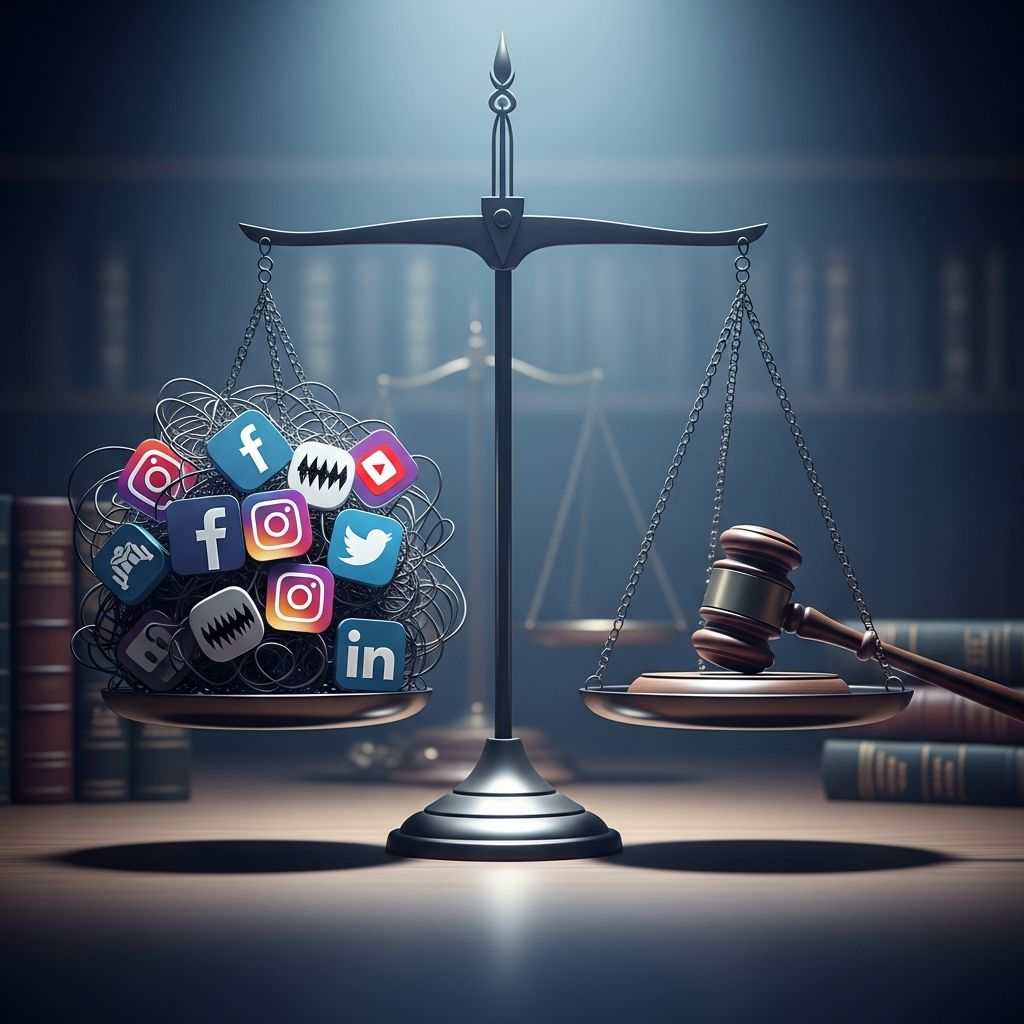
Social media has become an indispensable tool for lawyers seeking to network, market their services, and stay informed. However, the casual nature of platforms like LinkedIn, X (formerly Twitter), and Facebook can lead to serious ethical violations if not handled with care. Attorneys must balance the benefits of digital engagement with strict adherence to professional conduct rules, such as those outlined by the American Bar Association (ABA).
Understanding the Core Ethical Framework
The foundation of legal ethics on social media rests on several ABA Model Rules of Professional Conduct. Rule 1.6 mandates safeguarding client confidentiality, extending to all information related to representation, regardless of source. Rule 4.1 prohibits false statements of material fact or law to third parties, while Rule 4.2 bars communication with represented persons without consent. These rules apply equally online, where a single post or interaction can trigger unintended consequences.
Law firms must also consider Rule 5.3, which holds supervising attorneys responsible for staff conduct. A paralegal’s ill-advised tweet could implicate the entire firm. Early training and clear policies are essential to mitigate these risks.
Maintaining Client Confidentiality Online
One of the most common pitfalls is breaching confidentiality. Even hypothetical discussions or anonymized case stories can reveal sensitive details if not carefully worded. For instance, describing a ‘recent divorce case with unique custody issues’ might allow savvy readers to identify the parties involved.
Attorneys should never discuss ongoing matters publicly. When responding to negative online reviews, responses must be measured to avoid disclosing protected information without client consent. Rule 1.6 exceptions are narrow, requiring informed consent or imminent harm to permit disclosure.
- Review all posts for potential identifiers before publishing.
- Use private profiles for personal venting; never mix with professional accounts.
- Advise clients on preserving social media evidence in litigation, as deletion can constitute spoliation.
Navigating Communications with Parties and Witnesses
Contacting individuals via social media demands precision. Viewing public profiles is generally permissible and does not constitute communication. However, sending friend requests or messages crosses into regulated territory.
For represented parties, Rule 4.2 prohibits direct or indirect contact about the case subject. Requesting access to private content equates to communication, potentially violating ethics rules in jurisdictions like D.C. and West Virginia.
Unrepresented persons fall under Rule 4.3: lawyers must disclose their role, client, and matter purpose before seeking private information. Pretextual friend requests—using fake profiles or deception—are strictly forbidden, even via agents, per Rule 8.4.
| Scenario | Permissible Action | Prohibited Action |
|---|---|---|
| Public Profile Review | View freely | N/A |
| Represented Party | Monitor public posts | Friend request or DM |
| Unrepresented Witness | Disclose identity first | Use pretext or agent covertly |
| Jurors | Passive viewing | Direct interaction |
Advertising and Solicitation Best Practices
Social media marketing offers vast reach but triggers Rule 7.3 restrictions on solicitation. General educational posts are fine, but targeted direct messages to vulnerable individuals risk being seen as improper. Platforms like LinkedIn require clear labeling: ‘Attorney Advertising’ with firm details.
Recommendations and endorsements must be authentic; lawyers cannot solicit them coercively. Preserve ad copies for at least one year, and pre-approve firm-wide content to ensure compliance.
Interactions with Judges and Jurors
Rule 3.5 governs extrajudicial communications. Friending a judge on Facebook or commenting on their posts compromises impartiality perceptions. For jurors, avoid any direct contact; even platform notifications from viewing might skirt rules, though passive review is often allowed.
Courts have disciplined lawyers for such lapses, emphasizing that social connections must predate cases or remain professional.
Firm-Wide Social Media Policies
Effective policies include regular training, content approval workflows, and monitoring tools. Designate a compliance officer to audit posts. Separate personal and professional accounts rigidly—personal rants have led to bar complaints when linked to attorneys.
Conduct ethical online research: use public data for investigations but document methods to defend against challenges.
Case Studies: Lessons from Real Violations
Consider a litigator who friended a represented witness under a pseudonym: courts excluded the evidence and sanctioned the firm. Another attorney raged against a judge on Twitter, resulting in contempt findings and public reprimand. These underscore the permanence of digital footprints.
In one instance, a firm’s paralegal leaked case details, triggering Rule 5.3 liability. Proactive ethics training prevented escalation.
Responding to Online Criticism
Negative reviews test restraint. Acknowledge issues generally without specifics: ‘We appreciate feedback and are committed to client satisfaction.’ Disclosing case details violates Rule 1.6; wait until matters conclude if responding substantively.
Future Trends and Emerging Risks
AI-generated content and deepfakes pose new challenges—verify sources to avoid Rule 4.1 violations. Evolving platforms like Threads demand ongoing education. State bars are updating guidelines; consult jurisdiction-specific resources.
Frequently Asked Questions (FAQs)
Can lawyers view a represented party’s public social media?
Yes, passive viewing of public content is not a communication under Rule 4.2.
Is it okay to use a fake profile for investigations?
No, pretextual accounts violate Rules 4.1, 4.2, 4.3, and 8.4.
How should firms handle staff social media use?
Implement training, policies, and monitoring per Rule 5.3.
Can I post about my cases anonymously?
Rarely; even hypotheticals risk breaching Rule 1.6.
What if a client wants to delete litigation-related posts?
Advise preservation; deletion may be spoliation.
Conclusion: Prioritizing Ethics in the Digital Era
By embedding ethical vigilance into social media habits, lawyers protect their license, clients, and reputation. Regular review of ABA rules and state adaptations ensures compliance amid rapid tech changes.
References
- 7 Tips to Navigate Social Media Ethics for Lawyers — PracticePanther. 2023-05-15. https://www.practicepanther.com/blog/7-tips-to-navigate-social-media-ethics-for-lawyers/
- 6 Key Ethics Rules for Litigators Using Social Media — The Law for Lawyers Today. 2025-11-06. https://www.thelawforlawyerstoday.com/2025/11/6-key-ethics-rules-for-litigators-using-social-media/
- Social Media Ethics Guidelines — University at Buffalo School of Law. 2019-02-06. https://www.law.buffalo.edu/content/dam/law/restricted-assets/pdf/cle/190206/NYSB_Social_Media_Ethics_Guidelines.pdf
- There’s No Place Like Home: Ethical Considerations for Lawyers Working Remotely and Using Social Media — K&L Gates. 2021-05-19. https://www.klgates.com/Theres-No-Place-Like-Home-Ethical-Considerations-for-Lawyers-Working-Remotely-and-Using-Social-Media-5-19-2021
- Social Media Use by Legal Professionals — Georgetown Law Legal Ethics Journal. 2024-01-12. https://www.law.georgetown.edu/legal-ethics-journal/blog/social-media-use-by-legal-professionals/
- Ethics Spotlight: Dealing With Negative Comments on Social Media — California Lawyers Association. 2023-08-22. https://calawyers.org/california-lawyers-association/ethics-spotlight-dealing-with-negative-comments-on-social-media/
Similar Articles








Read full bio of Sneha Tete


