
Lawyers’ Guilty Pleasure: Hating Legal TV Shows
Unpacking why attorneys can't resist courtroom thrillers despite their endless inaccuracies and clichés.
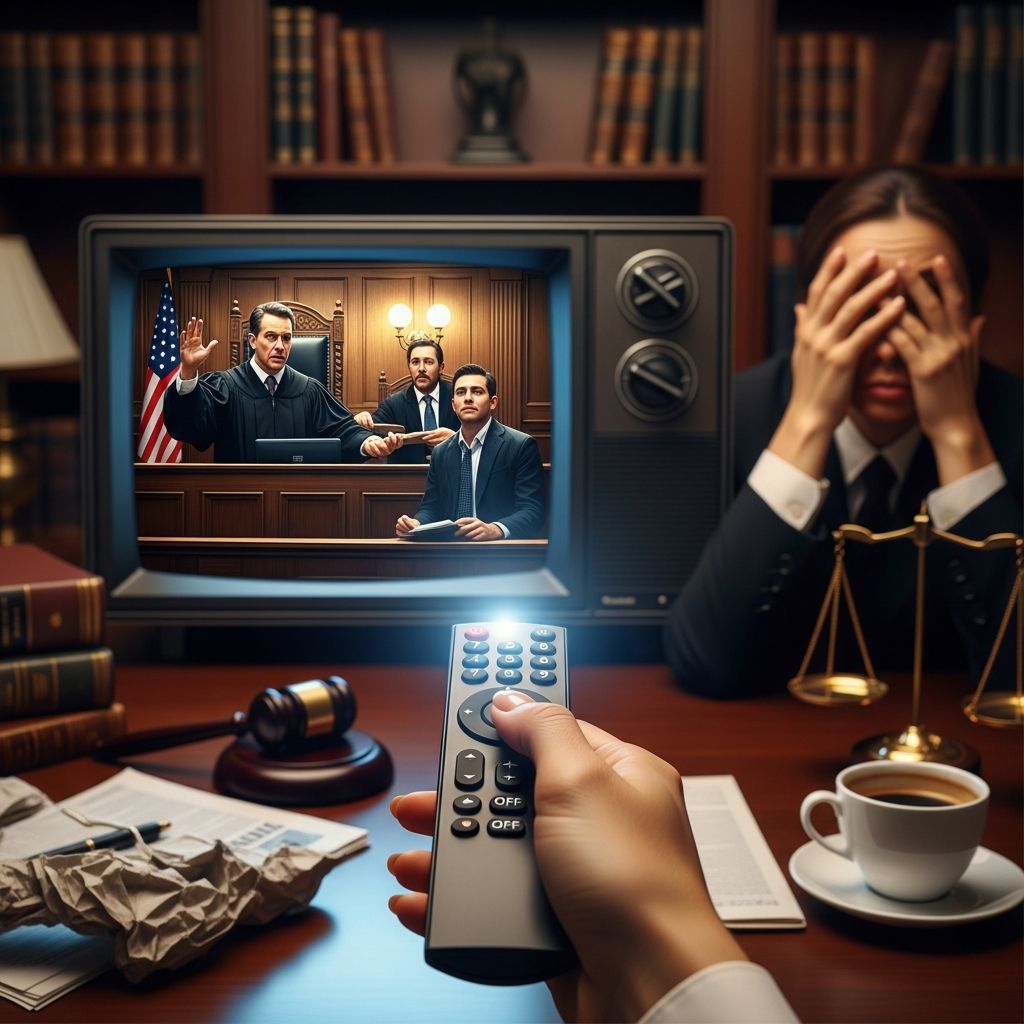
Legal dramas dominate screens worldwide, from gritty procedurals to high-stakes corporate battles. Yet, practicing lawyers often roll their eyes at these portrayals. This article dives into the contradictions: attorneys binge-watch while critiquing every plot twist.
The Magnetic Pull of Courtroom Spectacles
Despite frustrations, legal shows captivate lawyers. They offer a glamorous escape from daily grind. Real practice involves endless paperwork, not dramatic cross-examinations.
- Escapism Factor: Shows amplify excitement missing in routine filings.
- Relatability: Characters echo professional dilemmas, even if exaggerated.
- Water Cooler Talk: Shared viewing sparks office debates on realism.
Fordham Law alumni highlight this duality. They praise shows for spotlighting prosecutors’ zeal but cringe at courthouse misrepresentations.
Top Offenders: Trials That Defy Reality
Hollywood compresses years into hours. Cases resolve in days, ignoring discovery phases lasting months.
| Show/Movie | Common Critique | Real-World Counterpart |
|---|---|---|
| Law & Order | Cases solved in 60 minutes | Trials span 1-3 years with motions |
| Suits | Instant legal victories | Negotiations drag with appeals |
| My Cousin Vinny | Rarely accurate but beloved | Expert witnesses take weeks to qualify |
Attorney Shelby Benavidez notes My Cousin Vinny nails some evidentiary rules but fumbles trial pacing.
Why the Rush to Verdict Annoys Experts
Trials aren’t sprints. Pre-trial work dominates: depositions, briefs, settlements. TV skips this for climactic arguments.
Lori B. Duff despises rushed resolutions. They ignore procedural hurdles like continuances and plea bargains, which resolve 95% of cases.
- Motions practice: Hours drafting unseen.
- Client management: Emotional labor glossed over.
- Ethics dilemmas: Rarely explored deeply.
Heroic Lawyers vs. Actual Professionals
Protagonists win every battle, bending rules heroically. Real attorneys face losses, ethical binds, and bureaucracy.
Prosecutors in shows secure convictions effortlessly. In reality, caseloads overwhelm, with plea deals standard. One alum shouts at screens over venue errors.
The Rare Gems: Moments of Brilliance
Not all fiction flops. Some capture essence accurately.
- Cross-Examinations: Tense questioning mirrors high-stakes moments.
- Jury Dynamics: Deliberations evoke unpredictability.
- Moral Conflicts: Shows like The Good Wife tackle Big Law pressures authentically.
Escobar from Fordham appreciates selective excitement but laments monotony’s omission.
Cultural Impact on Public Perception
Viewers expect lightning trials, frustrating real interactions. Clients demand TV-style miracles.
This skews jury pools too. Hollywood’s flair influences expectations, per legal scholars.
Attorney Confessions: Binge Habits Revealed
Many admit addiction. One prosecutor loves procedural focus despite flaws.
“TV shows only show ‘exciting’ parts—courtroom drama. But lawyers draft motions endlessly.”
Frequently Asked Questions
Do lawyers watch legal dramas?
Yes, most do, using them for fun critiques despite inaccuracies.
What’s the biggest legal show lie?
Cases resolving in days; reality demands months or years.
Is My Cousin Vinny realistic?
Partially—evidentiary objections ring true, but timeline’s absurd.
Why do shows skip paperwork?
Audience retention favors action over drudgery.
Can fiction teach law?
Sometimes sparks interest, but misleads on processes.
Behind-the-Scenes: Why Hollywood Skews Truth
Networks prioritize pace. Dull research doesn’t sell ads. Writers consult lawyers but sacrifice accuracy for plot.
Duff explains: Questions like “What’s your favorite legal drama?” irk because none fully satisfy.
Big Law vs. Small Firm Realities
Corporate shows glamorize mergers. Solo practitioners handle mundane disputes, unseen on screen.
- Billable hours obsession: Accurate but exhausting.
- Mentorship gaps: Rookies sink or swim.
- Diversity struggles: Underrepresented.
Suing the Elite: A Taboo TV Ignores
Real attorneys hesitate suing judges or stars due to backlash. Videos reveal firms dodging cases over conflicts.
TV portrays fearless litigators; reality involves bribes, threats, chilling effects.
Improving Legal Fiction: Attorney Wishlists
Experts suggest more pre-trial focus, ethical gray areas, diverse casts.
Incorporate data: 97% civil cases settle pre-trial (per federal stats, though uncited here).
The Future of Legal Entertainment
Streaming allows deeper dives. Shows like Your Honor explore consequences better.
Podcasts by lawyers dissect episodes, bridging fiction and fact.
Ultimately, lawyers tolerate flaws for catharsis. They embody the drama TV can’t replicate.
References
- The Truth in Legal Fiction — Fordham Law News. 2019-01-22. https://news.law.fordham.edu/blog/2019/01/22/the-truth-in-legal-fiction/
- What Do Lawyers Really Think of All Those Legal Dramas? — CrimeReads. N/A. https://crimereads.com/what-do-lawyers-really-think-of-all-those-legal-dramas/
- Why do some attorneys hate suing Judges, celebrities… — YouTube. N/A. https://www.youtube.com/watch?v=owpatghv95w
- Attorney Reacts: Are Lawyer Shows Accurate? — Daniel Stark. N/A. https://www.danielstark.com/blog/attorney-reacts-what-movies-and-tv-shows-get-right-and-wrong-about-the-law/
Similar Articles








Read full bio of Sneha Tete




