
Law Firms’ Hesitation on Full Remote Work
Unpacking the deep-rooted reasons why legal firms resist fully remote operations despite proven benefits.
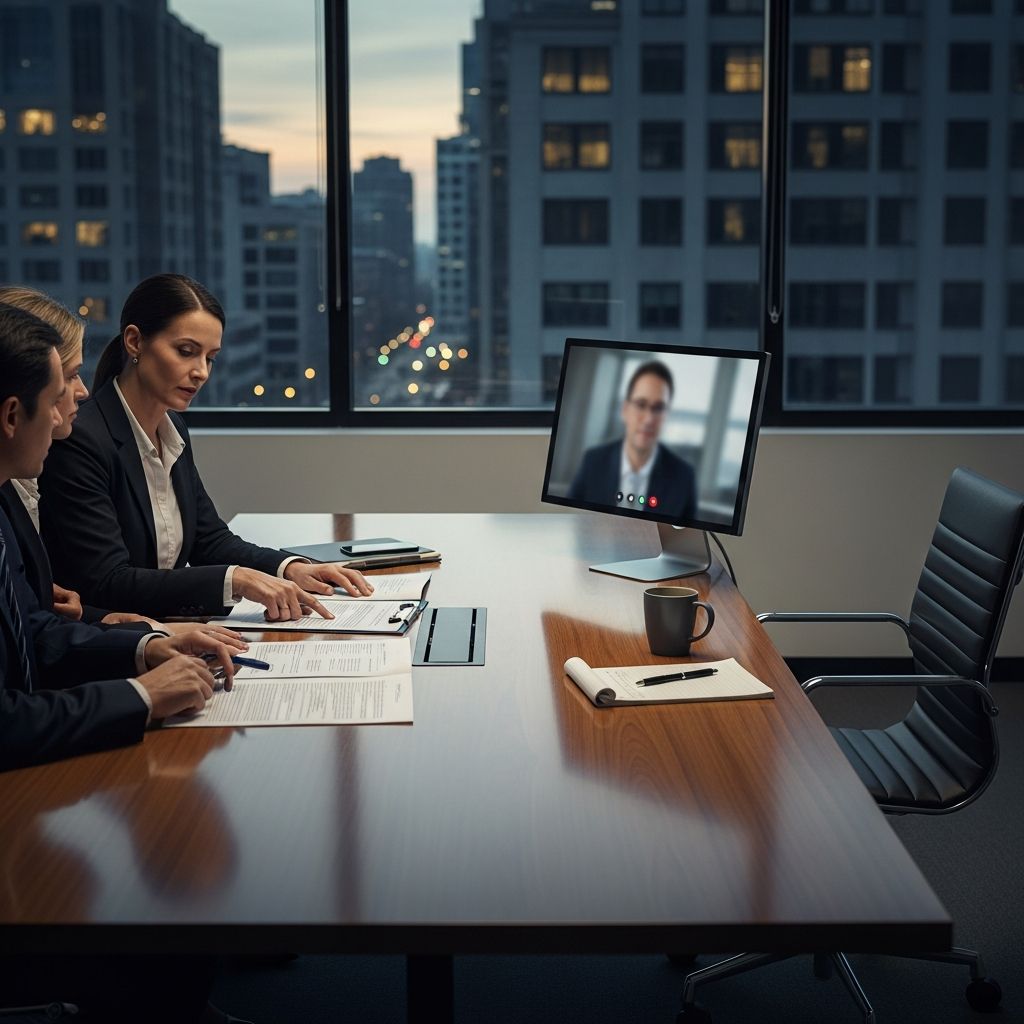
Law firms continue to grapple with the shift to fully remote operations, favoring hybrid arrangements despite data showing productivity gains from flexible work. This resistance stems from entrenched cultural norms, economic incentives, and practical challenges unique to legal practice.
Historical Context of Work Models in Legal Practice
The legal profession has long been defined by its office-based culture, where physical presence symbolized dedication and availability. Pre-pandemic surveys indicated low client appetite for remote legal services, with only 23% open to virtual lawyers in 2018, rising sharply to 79% by 2021 amid COVID adaptations. This evolution forced firms to confront the viability of remote work, yet many have reverted to requiring 3-5 office days weekly.
Younger attorneys push for flexibility, citing enhanced productivity without commutes, while senior partners invoke traditions of in-person mentorship. Studies post-COVID reveal no significant productivity drop in remote setups, challenging the narrative that “if you’re not in the office, you’re not working.”
Core Barriers to Adopting Full Remote Structures
Several interconnected factors explain this reluctance. Partners often prioritize immediate access to associates for quick consultations, viewing remote setups as less convenient despite tools like videoconferencing.
- Perceived Control Loss: Senior lawyers feel more oversight in physical spaces, enabling impromptu oversight that remote tools can’t fully replicate.
- Convenience for Billable Hours: Immediate availability supports high-pressure deadlines, a hallmark of legal work.
- Cultural Inertia: Older generations equate office time with proving commitment, a rite they endured early in careers.
These preferences are amplified by low institutional loyalty, where partners with portable client books focus on personal gains over firm-wide strategy.
The Impact of Cash-Based Business Models
Most law firms operate on cash-basis accounting, distributing profits annually with minimal reinvestment. This structure incentivizes short-term maximization, where partners demand associate presence to protect their revenue streams rather than investing in long-term talent retention.
High lateral mobility means influential partners can depart easily, pressuring management to accommodate their preferences. Consequently, policies mandating office attendance persist, even tying bonuses to physical presence, undermining morale and increasing turnover.
| Business Model Aspect | Impact on Remote Work | Example Consequence |
|---|---|---|
| Cash-Basis Profits | Prioritizes immediate gains | Resistance to flexibility investments |
| Partner Autonomy | Low firm loyalty | Easy exits for dissatisfied partners |
| Annual Payouts | No long-term planning | Higher associate burnout and attrition |
Training and Mentorship Challenges in Virtual Environments
A common argument against full remoteness is the difficulty of training junior lawyers. Informal interactions—hallway chats, shared reviews—are seen as irreplaceable for skill development. While technology like screen-sharing and virtual meetings bridges some gaps, they lack the serendipity of in-person encounters.
However, forward-thinking firms counter this by implementing structured virtual mentorship programs. Data from the pandemic shows associates adapted quickly, producing comparable work quality remotely. Still, concerns linger about nuanced feedback delivery without face-to-face dynamics.
Client Expectations and Service Delivery
Clients increasingly accept remote interactions, preferring videoconferencing (56% in 2020). Yet, some high-stakes matters demand perceived gravitas from office settings. Fully remote firms must invest in professional virtual presentations to maintain trust.
Virtual models excel in transactional work, allowing talent recruitment beyond geographic limits. Firms like those adopting remote transactional teams report better retention by offering location flexibility.
Productivity Myths and Real-World Data
Skepticism about remote productivity persists, fueled by anecdotes of distractions. Yet, comprehensive reports affirm lawyers maintain or exceed output remotely, aided by tools like practice management software (adopted by 14% during COVID).
Hybrid mandates often stem from unverified biases rather than metrics. Progressive firms track output via billable hours, revealing no correlation with location.
Perils of Performative Flexibility
Many firms tout remote options but enforce rigid hybrid rules—61% require office time despite 82% offering some flexibility. This leads to “flexibility fatigue,” where attorneys feel surveilled via keystroke monitoring or mouse jigglers, eroding autonomy.
- Mental exhaustion from constant availability without true control.
- Disrupted workflows ignoring offline tasks like document review.
- Stifled growth due to chaotic internal systems.
True flexibility requires cultural shifts, empowering attorneys to manage their time effectively.
Success Stories of Remote and Hybrid Innovations
Some firms thrive fully remote, leveraging cloud-based security and e-signatures. Fennemore Craig’s remote program for transactional attorneys demonstrates talent attraction benefits. Others blend models: 2-3 office days for collaboration, remote for focused work.
These pioneers prioritize outcomes over presence, using analytics to refine policies.
Future Outlook: Balancing Tradition and Innovation
As talent shortages intensify, firms ignoring flexibility risk attrition. Younger lawyers demand work-life balance, and clients embrace virtual services. Expect more data-driven hybrids, with full remote viable for solos and niche practices.
Overhauling partner incentives toward equity models could foster long-term thinking, reducing resistance.
Frequently Asked Questions (FAQs)
Why do law firm partners prefer in-office work?
Partners value control, convenience, and immediate access, rooted in traditional models where physical presence equates to productivity.
Has remote work improved client satisfaction?
Yes, client preference for remote options surged from 23% in 2018 to 79% in 2021.
Can junior lawyers train effectively remotely?
With structured programs and tools, yes, though informal learning benefits from hybrid setups.
What percentage of firms offer remote work?
82% offer some level, but 61% mandate office time.
Will law firms ever go fully remote?
Likely not universally, but niches like transactional law will, driven by talent needs.
References
- Why Law Firms Won’t Fully Embrace Remote Work — Tech Law Crossroads. 2025-02-01. https://www.techlawcrossroads.com/2025/02/why-law-firms-wont-fully-embrace-remote-work-hint-its-the-business-model/
- How Viable Is Remote Work For Lawyers? — Answering Legal. 2023-05-15. https://www.answeringlegal.com/blog/how-viable-is-remote-work-for-lawyers
- Flexibility Fatigue in Attorneys: When Remote Work Isn’t Enough — Practus. 2024-08-20. https://practus.com/flexibility-fatigue-in-attorneys-when-remote-work-isnt-enough/
- Beyond Brick and Mortar: The Evolution and Impact of Virtual Law Firms — New York State Bar Association. 2024-11-10. https://nysba.org/beyond-brick-and-mortar-the-evolution-and-impact-of-virtual-law-firms/
- Why Law Firms Are Going Fully Remote — YouTube (Timesolv Channel). 2024-03-12. https://www.youtube.com/shorts/w3twK67eqZQ
Similar Articles








Read full bio of medha deb




