
Elevate Your Law Firm with an Art Collection
Discover how integrating art into your law firm boosts branding, employee morale, client impressions, and offers smart financial advantages.
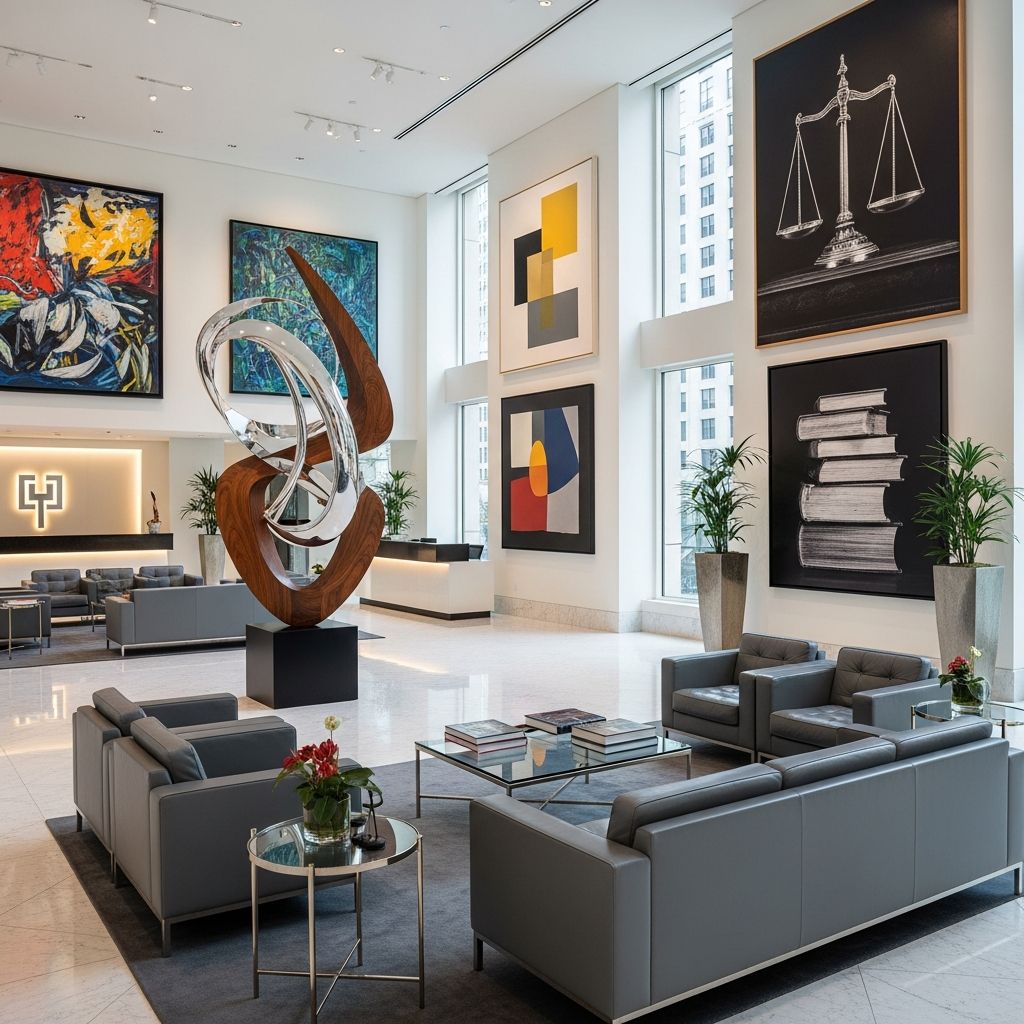
Integrating artwork into a law firm’s environment represents a forward-thinking approach to business enhancement. Beyond mere decoration, art serves as a multifaceted tool that influences perceptions, productivity, and financial outcomes. Law firms adopting this practice report stronger client relationships and heightened team satisfaction, positioning themselves as modern, culturally aware entities in a competitive field.
Transforming Office Ambiance for Peak Performance
Artwork fundamentally alters the atmosphere of professional spaces. In law offices, where high-stakes discussions occur daily, visually stimulating surroundings can mitigate tension and spark innovation. Studies indicate that exposure to art lowers stress levels and elevates creative thinking among professionals. For legal teams navigating complex cases, this translates to sharper focus and more dynamic problem-solving.
Consider the daily impact on staff: corridors lined with vibrant pieces or serene abstracts create a sense of calm amid deadlines. Clients entering such spaces immediately sense a commitment to excellence that extends beyond legal prowess. This subtle elevation of the environment fosters loyalty and referrals, key drivers in legal services.
Strengthening Your Firm’s Brand Identity
Art curation acts as a silent ambassador for your firm’s values. Selecting pieces that resonate with your practice—whether bold abstracts symbolizing tenacity or landscapes evoking stability—communicates sophistication and cultural engagement. In saturated markets, this differentiation is invaluable.
Firms in urban hubs like New York or Chicago use art to embody their ethos, attracting clients who appreciate nuanced branding. A thoughtfully chosen collection signals prestige, much like bespoke office design, setting your practice apart from sterile competitors.
Boosting Employee Engagement and Retention
Workplaces adorned with art promote a sense of pride and community. Employees feel valued when their environment reflects investment in well-being, leading to higher motivation and lower turnover.
- Art sparks conversations, building interpersonal bonds among staff.
- It humanizes the office, countering the rigidity often associated with legal work.
- Visual inspiration enhances mood, supporting mental health initiatives.
Programs like artist residencies, as seen in innovative firms, further deepen this engagement by involving teams in cultural initiatives.
Creating Memorable Client Interactions
Clients form impressions within seconds of arrival. Art installations turn waiting areas into engaging experiences, conveying confidence and approachability. Research shows that aesthetically pleasing settings improve satisfaction and trust, crucial for long-term partnerships.
Imagine a reception featuring local artists’ works: it not only impresses but also opens dialogues, humanizing attorneys and making consultations more relatable. In high-expectation regions like Los Angeles or Miami, this edge can secure premium clientele.
Financial and Tax Strategies with Art Leasing
Acquiring art need not strain budgets. Leasing options allow firms to spread costs while claiming significant deductions. For legal professionals, this can mean 100% tax exemptions on rental payments, preserving cash flow for core operations.
| Leasing Benefit | Description | Financial Impact |
|---|---|---|
| Tax Deduction | Full rental amount deductible | Reduces taxable income significantly |
| Cash Flow | No large upfront payment | Preserves liquidity for cases |
| Asset Growth | Option to own post-lease | Potential appreciation value |
| Flexibility | Short-term or rotating collections | Adapts to firm evolution |
Platforms specializing in art financing streamline the process, offering rapid approvals and vast selections from global artists. This approach supports emerging talents while optimizing firm heritage.
Curating the Perfect Collection: A Step-by-Step Guide
Building an art portfolio requires intention. Start by assessing your firm’s identity: aggressive litigation might favor dynamic pieces, while family law suits softer tones.
- Define Objectives: Align art with branding goals and audience.
- Consult Experts: Engage art advisors for tailored selections.
- Select Themes: Mix contemporary, local, and abstract works for variety.
- Implement Securely: Use proper contracts to protect investments, ensuring galleries act as trustees.
- Rotate Regularly: Refresh displays to maintain interest and support new artists.
Legal expertise in art agreements safeguards against disputes, blending your firm’s strengths with this venture.
Real-World Success Stories from Leading Firms
Innovative practices demonstrate tangible results. A New York firm installed a rotating lobby exhibit, boosting community ties and client feedback. Chicago offices transformed conference rooms with modern installations, reporting increased meeting productivity.
Global players like Quinn Emanuel offer studio residencies, nurturing artists and enriching office culture. These examples illustrate how art drives measurable growth, from morale to market positioning.
Overcoming Common Challenges in Art Integration
Budget concerns are valid but addressable via leasing. Space limitations? Opt for scalable installations or digital displays. Maintenance? Professional services handle insurance and care.
- Partner with reputable consultants to avoid mismatches.
- Secure consignments with ironclad contracts.
- Leverage tax perks to offset costs.
With planning, these hurdles become opportunities for distinction.
Future Trends: Art’s Evolving Role in Legal Spaces
Digital art, NFTs, and immersive installations are emerging, offering interactive elements. Firms embracing these trends stay ahead, appealing to tech-savvy generations. Sustainability-focused collections, highlighting eco-conscious artists, align with corporate responsibility.
As workplaces hybridize, art in physical offices becomes a premium draw for talent and clients alike.
Frequently Asked Questions
What types of art suit a law firm?
Contemporary abstracts, local landscapes, or thematic pieces reflecting your practice area work best, balancing professionalism with inspiration.
Is art leasing viable for small firms?
Yes, flexible terms and tax benefits make it accessible, with no large initial outlay.
How does art impact employee well-being?
It reduces stress, boosts creativity, and fosters unity, per workplace studies.
Can art collections appreciate in value?
Often yes, especially with strategic buys from emerging artists, providing dual aesthetic and economic returns.
What legal protections are needed for art?
Consignment agreements designating galleries as trustees protect against creditors and ensure payments.
References
- Leasing of works of art for lawyers: 100% tax exemption — Artmajeur. 2023. https://www.artmajeur.com/en/magazine/11-collect-and-invest/leasing-of-works-of-art-for-lawyers-100-tax-exemption-for-your-purchases-of-works-of-art/335023
- Why Law Firms Are Investing in Art Installations — IPaintMyMind. 2023. https://ipaintmymind.org/blog/why-law-firms-investing-art-installations/
- It Takes Two to Tango: The Importance of Artist-Gallery Contracts — ITS Art Law. 2023. https://itsartlaw.org/art-law/it-takes-two-to-tango-the-importance-of-artist-gallery-contracts/
- Quinn Emanuel Launches First-of-Its-Kind Arts Foundation — Quinn Emanuel. 2023. https://www.quinnemanuel.com/the-firm/news-events/quinn-emanuel-launches-first-of-its-kind-arts-foundation-deepening-commitment-to-emerging-artists-across-the-globe/
- Art Lawyers, Attorneys & Solicitors — Withers Worldwide. 2023. https://www.withersworldwide.com/en-gb/experience/sectors-and-focus-areas/art
- Creativity Activities Guide — Institute for Well-Being in Law. 2023-03. https://lawyerwellbeing.net/wp-content/uploads/2023/03/creativity-guide_2023.pdf
Similar Articles








Read full bio of medha deb




