Legal Recourse for Laundry Pod Injuries: Understanding Your Rights
Explore your legal options if you or a loved one suffered harm from detergent pods.
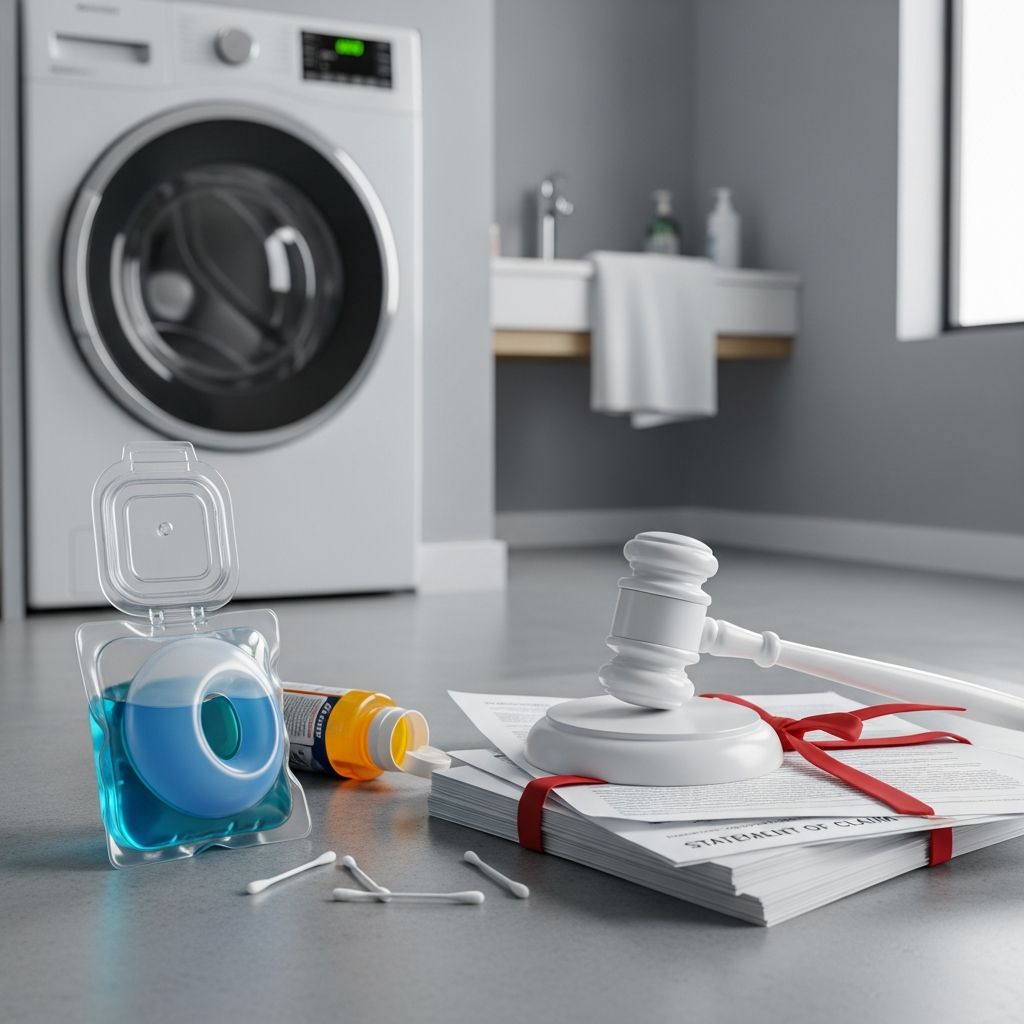
Understanding Laundry Pod-Related Injuries and Legal Pathways
Laundry detergent pods represent a modern convenience that millions of households rely on daily. However, these concentrated cleaning capsules have emerged as a significant public health concern, particularly for young children and vulnerable adults. Between January 2014 and December 2022, over 114,000 exposures to laundry detergent packets among children younger than 6 years were documented. When injury or poisoning occurs from these products, victims and their families often wonder whether legal action is viable. Understanding the framework for pursuing compensation requires familiarity with product liability law, manufacturer responsibilities, and the specific circumstances surrounding the incident.
The Scope of Laundry Pod Poisoning and Exposure Incidents
Laundry pods have become increasingly problematic because they concentrate cleaning chemicals into small, colorful packages that closely resemble candy or toys. This visual similarity creates a dangerous situation, particularly for children under age 5, who frequently mistake these products for edible items. The statistics underscore the severity of this trend: poison control centers received over 62,000 calls regarding laundry detergent exposure in children under 6 years old between January 2013 and December 2014, with laundry detergent packets accounting for 60 percent of those calls.
The consequences of exposure extend beyond minor irritation. Research published in medical journals and compiled by poison control centers reveals that exposure to laundry pods frequently results in serious clinical outcomes. Children exposed to laundry pod contents experienced documented cases of coma, respiratory arrest, pulmonary edema, and cardiac arrest. Studies have demonstrated that young children exposed to liquid laundry detergent pods were four times more likely to require hospitalization compared to those exposed to traditional detergent formulations. Additionally, chemical eye injuries associated with laundry detergent pods increased significantly in young children between 2012 and 2016.
Primary Theories of Legal Liability in Detergent Pod Cases
When pursuing compensation for laundry pod injuries, attorneys typically advance several distinct legal theories. Each theory examines different aspects of manufacturer conduct and product design. Understanding these frameworks helps victims determine whether a viable claim exists.
Design Defect Claims
A design defect theory argues that the fundamental structure or composition of the product makes it inherently dangerous, even when manufactured correctly. In laundry pod cases, plaintiffs contend that concentrating potent chemicals into small, colorful, bite-sized capsules represents a defective design. The brightly colored packaging and appealing appearance to young children form the core of this argument. Consumer groups and legal advocates have specifically highlighted that manufacturers packaged these pods in ways that appear attractive to children, thereby creating foreseeable risks of injury. A successful design defect claim typically requires demonstrating that a reasonable alternative design existed that would have substantially reduced the risk of harm without significantly impairing the product’s utility.
Failure to Warn
This legal theory focuses on inadequate or missing warnings and instructions regarding product risks. Manufacturers have a duty to provide warnings that are conspicuous, clearly communicate serious dangers, and reach the appropriate audience. In laundry pod litigation, families have alleged that manufacturers failed to adequately warn consumers about the risks of severe injury and death to young children and older adults with diminished capacity. The failure-to-warn theory addresses not merely the presence of warnings but their sufficiency, visibility, and ability to communicate the genuine magnitude of danger posed by the product.
Strict Liability
Strict liability differs from negligence because it does not require proving the manufacturer acted carelessly. Instead, victims must demonstrate only that the product was defective and caused their injury. Many jurisdictions apply strict liability in product liability cases, meaning that even if manufacturers exercised reasonable care, they remain liable if the product proved defective. This theory has particular force in laundry pod cases because manufacturers cannot claim they were unaware of risks when poison control centers and medical literature documented thousands of incidents involving their products.
Defenses Commonly Raised by Manufacturers
Major manufacturers like Procter & Gamble, which commands approximately 78 percent of the laundry pod market, have mounted vigorous legal defenses in response to lawsuits. These manufacturers assert that laundry pods are reasonably safe for normal use and that children’s poisonings resulted from parental negligence rather than product defects. Manufacturers argue that proper storage and supervision prevent access by young children. Additionally, they contend that warnings exist on packaging and that the products function safely when used as intended by adults.
Some manufacturers have introduced design modifications in response to litigation and public pressure, such as opaque packaging that reduces the toy-like appearance and more robust child-resistant closures. However, these improvements came years after widespread injury reports and litigation commenced, raising questions about earlier negligence.
Establishing Causation and Demonstrating Injury
Successfully pursuing a laundry pod injury claim requires clearly establishing that exposure to the product caused the harm alleged. Medical documentation becomes essential to this process. Victims should retain medical records from emergency department visits, hospitalizations, and follow-up care. These records provide objective evidence of the injuries sustained and their severity.
Poison control center records and emergency department data consistently show the types of injuries resulting from laundry pod exposure. Between July 2013 and December 2016, approximately 89 percent of patients exposed to liquid laundry packets were treated and released, while approximately 8 percent required admission or transfer to another hospital unit. This epidemiological data helps establish patterns of harm and demonstrates that serious injuries occur with measurable frequency.
Testimony from medical professionals, toxicologists, and poison control specialists can establish the causal connection between exposure and injury. Expert witnesses can explain how specific chemicals in laundry pods caused documented injuries such as chemical burns to eyes, mouth and throat, respiratory distress, and mental status changes.
Compensation and Damages Available to Victims
Victims who successfully establish liability in laundry pod cases may recover various categories of compensation:
- Medical Expenses: All costs associated with emergency care, hospitalizations, surgical procedures, specialist consultations, and ongoing medical treatment
- Lost Wages: Income lost by parents or caregivers who missed work to provide care or attend medical appointments
- Pain and Suffering: Compensation for physical pain, emotional distress, and diminished quality of life resulting from the injury
- Scarring and Disfigurement: Additional damages when injuries result in permanent visible marks or functional impairment
- Punitive Damages: In cases involving gross negligence or willful misconduct, some jurisdictions permit punitive damages intended to punish manufacturers and deter similar conduct
Class Action Litigation and Collective Relief
Many laundry pod injury cases have proceeded as class actions, combining claims of numerous victims to address systemic issues with product design and marketing. Class actions provide efficiency and collective bargaining power, allowing injured parties to pursue compensation even when individual claims might not justify separate lawsuits. Settlement agreements in class actions typically establish compensation funds from which eligible claimants may recover damages based on the nature and severity of their injuries.
Timing Considerations and Statute of Limitations
Victims must initiate legal action within specified timeframes established by statute of limitations laws. These periods vary by jurisdiction but typically range from two to three years from the date of injury or from the date when the victim reasonably discovered or should have discovered the injury. For cases involving children, some jurisdictions toll the statute of limitations, meaning the clock does not start running until the child reaches the age of majority. Consulting an attorney promptly ensures compliance with applicable deadlines and preserves evidence.
The Role of Regulatory Action and Litigation Precedent
Legal claims against laundry pod manufacturers are strengthened by regulatory scrutiny and prior litigation outcomes. Health agencies, including the CDC, have documented the health hazards associated with laundry detergent pods. Poison control data compiled over years provides statistical evidence of foreseeable risks. Additionally, previous settlements and jury verdicts establish that courts recognize manufacturer liability in these cases. This litigation history strengthens new claims by demonstrating that courts have found manufacturers liable and that juries have awarded substantial compensation to injured parties.
Investigation and Evidence Preservation
Pursuing an effective claim requires thorough investigation and careful evidence preservation. Key evidence includes the product container and packaging, which may be examined for adequacy of warnings and child-resistant features. Photographs and videos of the packaging and product condition at the time of injury provide visual documentation. Medical records, emergency dispatch logs, and poison control center reports create a contemporaneous record of the incident and response. Witness statements from caregivers, medical professionals, and others present during the exposure or treatment provide corroborating testimony.
When to Consult a Personal Injury Attorney
Families whose children or vulnerable adults suffered laundry pod poisoning or chemical injury should consult experienced personal injury attorneys to evaluate their legal options. Many law firms specializing in product liability handle laundry pod cases on a contingency basis, meaning clients pay no attorney fees unless the case results in settlement or judgment in their favor. An initial consultation allows families to discuss the circumstances of the injury, understand their rights, and determine whether viable claims exist. Attorneys can explain the likelihood of success, potential damages, and the litigation timeline.
Frequently Asked Questions About Laundry Pod Injury Claims
Q: How serious do injuries need to be to justify filing a lawsuit?
A: Any documented medical injury causally connected to laundry pod exposure may support a claim. Injuries range from minor chemical irritation to life-threatening conditions. Severity influences the compensation amount but does not determine whether a claim exists. Consult an attorney to evaluate your specific circumstances.
Q: Can adults pursue claims for laundry pod poisoning?
A: Yes. While children comprise the majority of poisoning cases, adults with diminished cognitive capacity who mistake pods for candy or food have also suffered serious injuries and pursued successful legal claims. Elderly individuals with dementia and developmentally disabled adults represent vulnerable populations in laundry pod litigation.
Q: What evidence do I need to prove my case?
A: Essential evidence includes medical records documenting injuries, the product container and packaging, poison control center reports, eyewitness testimony, and expert opinions connecting the exposure to harm. Photographs of the incident scene and product condition strengthen your claim.
Q: How long does laundry pod litigation typically take?
A: Timeline varies significantly. Cases may settle relatively quickly or proceed through extensive discovery and trial preparation lasting several years. Class actions typically move more slowly than individual cases due to increased complexity and coordination requirements.
Q: Are manufacturers still producing laundry pods despite litigation?
A: Yes, manufacturers continue producing laundry pods with some design modifications including improved child-resistant packaging and less appealing visual design. However, the fundamental concentrated liquid format remains unchanged. Ongoing litigation and regulatory scrutiny continue to address safety concerns.
References
- Tide Pod & Laundry Detergent Packet Exposure Statistics — Buckfire Law. 2019. https://buckfirelaw.com/case-types/product-liability/tide-pods/
- Slowing The Tide Of Detergent Pod Litigation — Law360. 2016-07-07. https://mslaw.gjassets.com/content/uploads/2019/07/Slowing_The_Tide_Of_Detergent_Pod_Litigation.pdf
- Laundry Pod Lawsuits See Report Of Over 1500 Young Children Exposed to Laundry Pods in First Two Months of 2017 — Your Legal Help. 2017-04-04. https://yourlegalhelp.com/2017/04/04/laundry-pod-lawsuits-see-report-of-of-over-1500-young-children-exposed-to-laundry-pods-in-first-two-months-of-2017/
- Health Hazards Associated with Laundry Detergent Pods — Centers for Disease Control and Prevention (CDC). 2012. https://www.cdc.gov/mmwr/preview/mmwrhtml/mm6141a1.htm
- Pediatric Injuries and Poisonings Associated with Detergent Packets — National Center for Biotechnology Information (NCBI). 2024. https://pmc.ncbi.nlm.nih.gov/articles/PMC11238368/
- Laundry Detergent Pods Poisoning Cases Involving Young Children Rise — Washington DC Injury Lawyers. 2016. https://www.washingtondcinjurylawyers.com/laundry-detergent-pods-poisoning-cases-involving-young-children-rise/
- Laundry Pod Lawsuits Look To Study Showing Liquid Pods Are More Dangerous to Young Children Than Traditional Detergents — Your Legal Help. 2016-04-27. https://yourlegalhelp.com/2016/04/27/laundry-pod-lawsuits-look-to-study-showing-liquid-pods-are-more-dangerous-to-young-children-than-traditional-detergents/
Similar Articles








Read full bio of Sneha Tete