
Launch Your Clothing Brand: Complete Guide
Master the essentials of building a profitable clothing brand from concept to customer in 2026 with proven strategies.
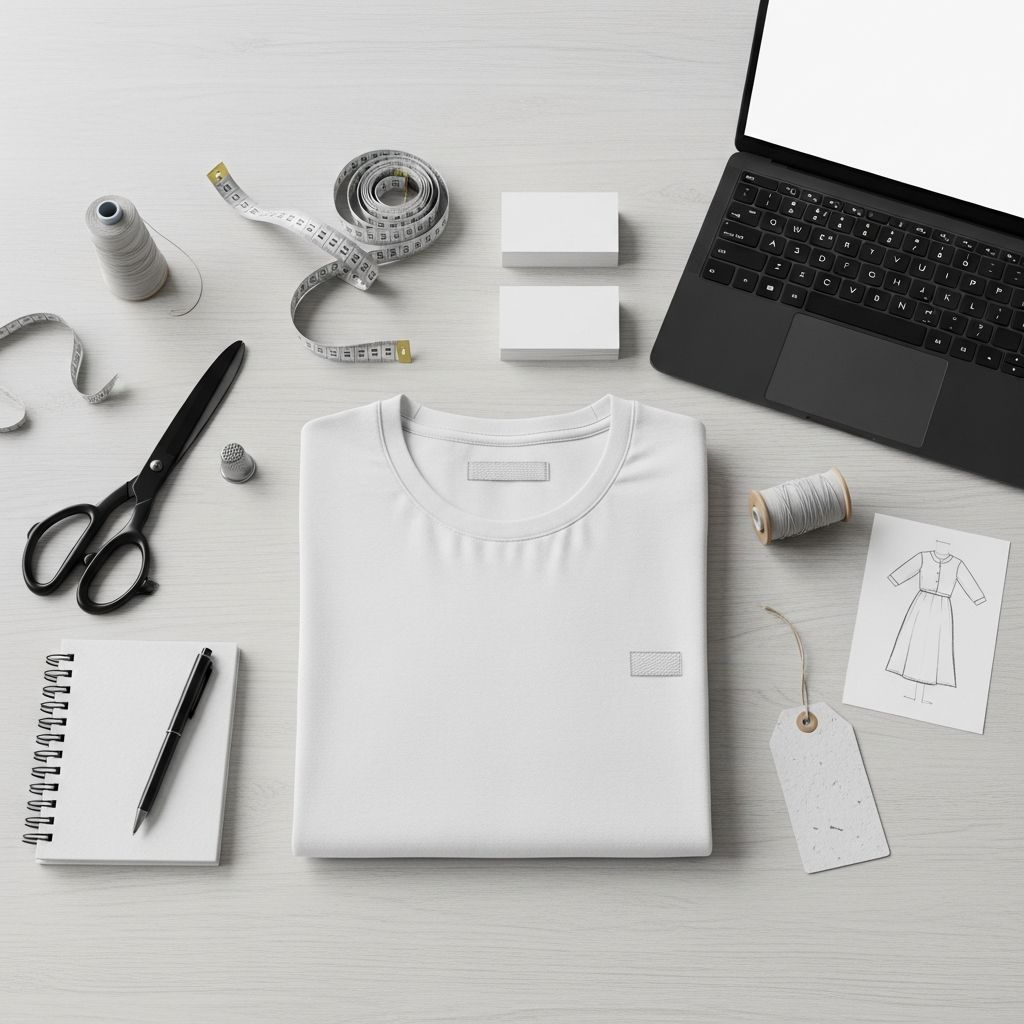
Starting a clothing brand requires strategic planning, creative vision, and operational savvy. This guide outlines every phase, from initial ideas to scaling sales, helping aspiring entrepreneurs build a viable fashion venture in today’s competitive market.
Defining Your Market Niche
Success begins with pinpointing a specific audience segment. Analyze demographics like age, lifestyle, and preferences to tailor offerings that resonate deeply. Use tools such as social media analytics to observe competitor ad targeting and customer behaviors.
Conduct thorough research by surveying potential buyers and reviewing sales data from platforms like Instagram or TikTok. Identify underserved gaps, such as sustainable activewear for urban professionals or inclusive sizing for plus-size fashion. Validate ideas through small polls or pre-order campaigns to gauge interest before heavy investment.
- Examine trending hashtags like #SustainableFashion or #Streetwear to spot rising demands.
- Profile ideal customers: their income levels, shopping habits, and pain points with existing brands.
- Competitor analysis: Note pricing, quality, and marketing gaps you can exploit.
Crafting a Solid Business Plan
A detailed business plan serves as your roadmap, projecting finances, operations, and growth. Outline revenue streams, startup costs (typically $5,000-$25,000), and break-even timelines. Include sales forecasts based on market size data from industry reports.
| Component | Description | Example Metrics |
|---|---|---|
| Executive Summary | High-level overview of mission and goals | Aim for $100K revenue in year 1 |
| Market Analysis | Target audience and competition | 10% growth in eco-fashion niche |
| Financial Projections | Costs, pricing, profit margins | 50% gross margin on tees |
| Operations | Production and sales channels | Print-on-demand initially |
Refine your plan iteratively with real data from test sales. Secure funding via bootstrapping, loans, or crowdfunding platforms suited for creatives.
Building a Memorable Brand Identity
Your brand’s visual and narrative elements create emotional connections. Develop a logo, color scheme, and typography that align with your niche—vibrant hues for youthful streetwear or muted tones for luxury minimalism.
Write a compelling brand story: origins, values like sustainability or empowerment, and unique selling points. Consistent voice across packaging, website, and social media builds loyalty. Tools like Canva or Figma aid in prototyping assets affordably.
- Mission statement: e.g., “Empowering confident style for every body.”
- Core values: Ethical sourcing, inclusivity, innovation.
- Visual guidelines: Primary colors, fonts, imagery style.
Mastering Product Design and Development
Design with trends in mind but prioritize timeless appeal. Research via fashion week coverage, Pinterest boards, and customer feedback. Sketch concepts, select fabrics (organic cotton, recycled polyester), and create digital mockups using software like Adobe Illustrator.
Prototype through pattern makers and fit models. Test for comfort, durability, and sizing accuracy across body types. Start with 5-10 SKUs to minimize risk, focusing on hero products like signature hoodies or versatile dresses.
- Gather trend insights from Vogue or social influencers.
- Develop mood boards for color and texture inspiration.
- Produce samples; iterate based on wear tests.
Quality control ensures repeat business—inspect seams, fades, and washes rigorously.
Navigating Legal and Operational Foundations
Register as an LLC for liability protection, obtain EIN, and check local business licenses. Trademark your brand name and logo via USPTO to prevent copycats. Comply with labeling laws (fiber content, care instructions) under FTC guidelines.
Set up a dedicated business bank account and accounting software like QuickBooks. For boutiques, secure retail permits; online sellers need sales tax nexus awareness across states. Consult attorneys for contracts with suppliers or influencers.
Selecting Production Partners
Choose between print-on-demand (POD) for low entry (no inventory risk), cut-and-sew for custom control, or wholesale sourcing. POD platforms handle printing, fulfillment, and shipping, ideal for startups.
For full-package production (FPP), partners manage sourcing, cutting, and assembly, offering scalability and expertise. Vet manufacturers via samples, MOQs (minimum order quantities), lead times, and ethical audits (e.g., fair labor certifications).
- POD pros: Zero upfront stock, fast testing.
- FPP pros: Customization, cost savings at scale.
- Key checks: Sustainability practices, quality consistency.
Strategic Pricing and Financial Modeling
Calculate costs: materials + labor + overhead + shipping. Markup 2-4x for retail (e.g., $10 production tee sells at $40). Factor competitor pricing and perceived value—premium fabrics justify higher tags.
Test pricing with A/B promotions. Monitor margins via spreadsheets: aim for 40-60% gross to cover marketing (20-30% of revenue).
Establishing Your Online Sales Hub
Select platforms like Shopify or WooCommerce for flexibility and POD integrations. Design mobile-optimized sites with high-res photos (multiple angles, lifestyle shots), detailed descriptions (sizes, fabrics), and size charts to cut returns.
Integrate payments (Stripe, PayPal), shipping calculators, and abandoned cart recovery. SEO-optimize with keywords like “sustainable graphic tees.” Launch with 10-20 products, categorized clearly (tops, bottoms, accessories).
Marketing and Customer Acquisition Tactics
Leverage Instagram and TikTok for visuals: user-generated content, reels, stories. Build email lists via pop-ups offering 10% off. Partner with micro-influencers (5K-50K followers) for authentic endorsements.
Run Meta ads targeting lookalikes of competitor audiences. Host giveaways, pop-ups, or collaborations. Track ROI with Google Analytics; retarget site visitors.
| Channel | Tactics | Expected ROI |
|---|---|---|
| Social Media | Daily posts, Stories, Reels | 3-5x ad spend |
| Newsletters, flows | 40x return | |
| Influencers | Gifted products, affiliate codes | 2-4x per post |
Scaling and Long-Term Growth
Once hitting consistent sales, expand collections, enter marketplaces like Etsy or Amazon, or open pop-ups. Reinvest profits in inventory or ads. Analyze data: best-sellers, churn rates, feedback loops.
Diversify with accessories or seasonal lines. Build community via loyalty programs or events. Monitor trends quarterly to pivot swiftly.
Frequently Asked Questions
What are startup costs for a clothing brand?
Expect $5,000-$25,000 covering website, samples, marketing, and initial inventory, varying by model like POD vs. custom manufacturing.
Do I need fashion design experience?
No—focus on vision and outsource sketching, patterning, and production to specialists while using accessible tools for mockups.
How to choose between POD and traditional manufacturing?
POD suits testing with low risk; switch to manufacturing for branding control and margins once validated.
What legal steps are essential?
Business registration (LLC), trademarks, tax setup, and product labeling compliance protect and legitimize operations.
How long to launch?
90 days: 30 for planning/brand, 30 for production/site, 30 for marketing/launch.
References
- How to Start a Clothing Brand in 2026 — Printful. 2026. https://www.printful.com/blog/how-to-start-a-clothing-brand
- How to Start a Clothing Business – 2026 Step-by-Step Guide — Elementor. 2026. https://elementor.com/blog/start-a-clothing-business/
- How to Start a Clothing Line in 2025: The Complete Guide — Hawthorn International. 2025. https://www.hawthornintl.com/how-to-start-a-clothing-line
- How To Start a Clothing Brand From Scratch: A 15-Step Guide — Melengo. N/A. https://www.melengo.com/post/how-to-start-a-clothing-brand-from-scratch-a-15-step-guide
- How to Start a Clothing Boutique Business — Wolters Kluwer. N/A. https://www.wolterskluwer.com/en/expert-insights/how-to-start-a-clothing-boutique-business
Similar Articles








Read full bio of Sneha Tete


