
Naming Your Landscaping Enterprise: Complete Strategy Guide
Master the art of selecting and registering the perfect name for your landscaping venture.
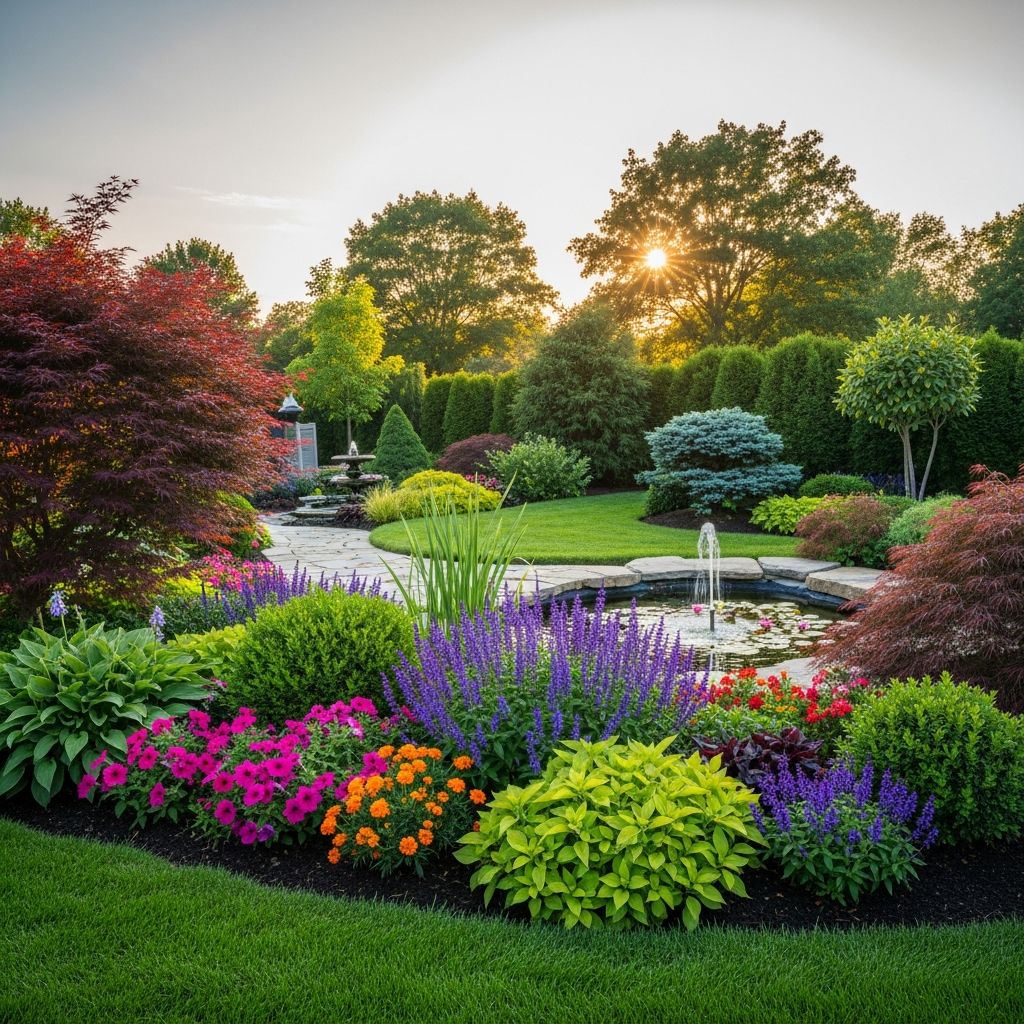
Launching a landscaping business requires numerous critical decisions, and few are as fundamental as selecting the right business name. Your company name serves as the foundation of your brand identity, influences how potential customers perceive your services, and establishes your professional presence in a competitive market. The process of naming a landscaping venture involves far more than simply brainstorming catchy phrases—it encompasses strategic thinking, market research, legal considerations, and brand positioning that will resonate with your target audience for years to come.
Understanding the Strategic Importance of Your Business Identity
The name you choose for your landscaping company functions as your most visible marketing asset. Unlike other business elements that evolve over time, your company name often remains constant throughout your entire entrepreneurial journey. This permanence makes the initial selection process critically important. A well-chosen name communicates professionalism, conveys your service specialization, and creates an immediate impression with potential clients who encounter your business through signage, advertisements, or word-of-mouth referrals.
Your landscaping business name also influences your digital presence and searchability. In today’s online-driven marketplace, customers frequently search for local landscaping services using search engines and social media platforms. A name that includes relevant keywords—such as location references or service descriptors—can improve your visibility in local search results and make it easier for customers to identify what your company offers at a glance.
Beyond marketing considerations, your business name carries legal weight. It determines your business registration requirements, impacts how you file taxes, and establishes the legal identity through which you enter contracts and operate within your industry. The name you select must comply with state and local regulations while being distinctive enough to protect your brand in the marketplace.
Developing Your Naming Framework and Brand Positioning
Before generating specific name ideas, establish a clear framework that aligns your business name with your company’s mission, target market, and service offerings. This foundational approach prevents random name selection and ensures your choice supports your broader business strategy.
Consider these essential questions as you develop your naming framework:
- What specific landscaping services form the core of your business—maintenance, design, hardscaping, irrigation, or specialized services like golf course maintenance?
- Who represents your primary customer base—residential homeowners, commercial property managers, municipal entities, or a combination?
- What geographic territory will your business serve, and should your name reflect a location advantage?
- What competitive advantages or unique selling propositions should your name communicate?
- What tone and personality should your name convey—professional and corporate, creative and artistic, or friendly and approachable?
- Are you planning to expand your service offerings in the future, and should your name accommodate that growth?
Your answers to these questions create parameters that guide your naming process and ensure alignment between your business identity and your operational reality. This strategic foundation prevents selecting a name that sounds appealing but fails to support your actual business positioning or growth trajectory.
Exploring Effective Naming Approaches and Structures
Landscaping businesses employ various naming strategies, each with distinct advantages and considerations. Understanding these approaches helps you select a structure that best serves your brand objectives.
Descriptive Names directly communicate what your business does. These names include service-related terms such as “lawn care,” “landscaping,” or “grounds maintenance” combined with geographic identifiers or descriptive elements. Advantages include immediate clarity about your services and improved search engine visibility for relevant terms. However, descriptive names offer limited brand differentiation in a crowded marketplace and may feel generic compared to creative alternatives.
Owner-Centric Names incorporate the proprietor’s name or surname, creating a personal brand that emphasizes individual expertise and builds trust through personal connection. This approach particularly benefits landscape design professionals who want to establish themselves as recognized specialists. The primary limitation is reduced flexibility if you eventually sell the business or expand beyond a single-owner operation.
Creative and Metaphorical Names employ clever wordplay, botanical references, nature-inspired terminology, or indirect associations with landscaping concepts. These names demonstrate creativity, enhance brand memorability, and create emotional connections with customers. However, creative names may obscure your specific services, potentially requiring more marketing investment to establish clear understanding of what your business offers.
Geographic-Based Names incorporate location references such as neighborhood names, city designations, or regional landmarks. This approach reinforces your local market presence and appeals to customers seeking trusted neighborhood service providers. Geographic names work particularly well for service-based businesses operating within defined territories but may limit expansion to new regions.
Acronym-Based Names create memorable initialisms from multiple words or concepts. While acronyms can be catchy and concise, they typically require significant brand-building investment since customers cannot intuitively understand your services from the acronym alone.
Conducting Market Research and Validation
Once you’ve generated potential names aligned with your brand framework, conduct systematic research to validate their effectiveness and viability. This research phase prevents costly mistakes and ensures your chosen name resonates with your target market.
Begin by testing name candidates with your target audience. Show potential customers a list of your top name choices and gather feedback about which names they find most appealing, memorable, and relevant to landscaping services. Pay particular attention to whether your target market immediately understands your service offerings from your proposed name, or whether additional explanation becomes necessary.
Research competitor naming strategies within your local market and regional landscape. Analyze what names your direct competitors have selected, identify any dominant naming patterns or conventions, and ensure your choice creates sufficient differentiation while remaining professional and credible within industry norms. If most competitors use descriptive naming approaches, a creative name might help you stand out—or it might appear unprofessional compared to expected industry standards.
Investigate the availability and searchability of your preferred names across digital platforms. Check domain name availability, search engine results for your proposed names, and social media platform availability. If your ideal domain name has been purchased by someone else or your proposed name generates numerous unrelated search results, you may struggle to establish a clear digital presence.
Navigating Legal Registration and Trademark Considerations
After selecting a name that aligns with your brand strategy and passes market validation, you must address legal registration requirements. The registration process varies based on your business structure, location, and whether you’re operating under your legal name or a “Doing Business As” (DBA) designation.
Business Structure and Registration
Your choice of business structure—sole proprietorship, partnership, limited liability company (LLC), or corporation—determines your registration pathway. If you’re operating as a sole proprietor using your personal name, registration requirements may be minimal. However, if you’re using a name other than your personal name, you’ll need to file a “Doing Business As” (DBA) form with your state or local government.
For LLC or corporation structures, you’ll register your business entity with your state’s secretary of state office or corporation commission. This registration establishes your legal business identity and is typically a prerequisite before applying for licenses and permits. Some states require business name approval before you can formally register your entity.
Name Availability Verification
Before finalizing your registration, verify that your proposed business name is available and has not been registered by another business in your state. Most states maintain online business name databases where you can search registered entities. This verification prevents legal conflicts and ensures exclusive use of your chosen name within your jurisdiction.
Trademark Protection Considerations
While state business registration protects your name within your specific state, federal trademark registration provides broader protection across the United States. If your landscaping business plans to operate across multiple states, serve customers nationally, or develop branded products or services, consulting with a trademark attorney about federal registration options can protect your intellectual property investment.
Employer Identification Numbers and Tax Registration
After registering your business name, you’ll need to obtain an Employer Identification Number (EIN) from the IRS. This nine-digit number functions as a federal tax identification for your business and is necessary for numerous operational requirements. You’ll need an EIN to hire employees, open a business bank account, file business taxes, and apply for licenses and permits. The application process is straightforward and free—you can apply online through the IRS website.
Digital Presence and Online Brand Establishment
Your landscaping business name must work effectively across digital platforms where potential customers will encounter your brand. When evaluating name options, consider how the name functions as a website domain, within social media platforms, and in online search results.
Securing your domain name immediately after registering your business name prevents another party from purchasing it and potentially damaging your online presence or brand integrity. If your ideal .com domain is unavailable, alternative extensions like .co, .net, or geographic-specific extensions might serve your purposes, though .com domains typically offer superior branding and customer trust.
Your business name should be short enough to remember, spell easily without confusion, and pronounce clearly when customers refer you to others. Long, complex, or difficult-to-spell names create barriers to word-of-mouth marketing and online searchability.
Licensing Requirements and Industry-Specific Considerations
Your landscaping business name selection may interact with licensing and regulatory requirements in your jurisdiction. Many states require landscaping contractors to obtain specific licenses for services like hardscaping, irrigation installation, or pesticide application. When registering your business name, verify whether your state and local jurisdiction have specific requirements about how licensed contractors must display or format their business names on licenses, vehicles, or signage.
Additionally, if your business name includes terms like “certified,” “licensed,” or “professional,” ensure these claims are accurate and substantiated by actual credentials. False claims in your business name could expose you to regulatory violations or consumer protection lawsuits.
Frequently Asked Questions
Q: Can I change my landscaping business name after I’ve registered it?
A: Yes, you can modify your business name, but the process involves filing amendments with your state and local authorities, updating your business registration, and potentially registering a new DBA if applicable. This process incurs fees and administrative effort, so choosing carefully initially prevents unnecessary complications.
Q: Do I need a trademark attorney to protect my business name?
A: State registration provides basic protection within your jurisdiction. However, if you plan multi-state operations or develop branded products, consulting an attorney about federal trademark registration ensures comprehensive protection and prevents future legal conflicts.
Q: Should my business name include the word “landscaping” or a service descriptor?
A: Including descriptive terms improves search engine visibility and immediately communicates your services. However, this approach may feel less distinctive than creative names. Your choice depends on whether you prioritize search visibility or brand differentiation.
Q: What happens if someone else registers a similar name in another state?
A: State business registration provides exclusive rights only within your state. If another business uses a similar name in a different state, potential conflicts depend on trademark status and whether customers could experience confusion. Federal trademark registration prevents nationwide conflicts.
Q: How quickly can I register my business name once I’ve selected it?
A: Business registration timelines vary by jurisdiction and business structure. Many online registrations process within days, while others may require longer review periods. Planning ahead prevents delays in launching your business operations.
Key Takeaways for Successful Business Naming
Selecting your landscaping business name represents a strategic decision with lasting implications for your brand, market positioning, and operational success. By developing a clear naming framework aligned with your business strategy, conducting market validation, navigating legal registration requirements, and establishing strong digital presence, you create a foundation for recognizable, credible, and legally protected business identity.
Your business name communicates professionalism to potential customers, influences your searchability in local markets, and establishes the legal identity through which you operate. Taking time to select thoughtfully and registering properly prevents future complications and positions your landscaping business for growth and success in a competitive industry.
References
- How to Start a Landscaping Business in 5 Steps — DynaScape. Accessed 2026-02-09. https://www.dynascape.com/blog/how-to-start-landscaping-business/
- Arizona Landscape License Registration Requirements — Harbor Compliance. Accessed 2026-02-09. https://www.harborcompliance.com/arizona-landscape-license
- Register Your Business — U.S. Small Business Administration. Accessed 2026-02-09. https://www.sba.gov/business-guide/launch-your-business/register-your-business
- What Licenses Are Needed to Start a Landscaping Business? — Insurance Canopy. Accessed 2026-02-09. https://www.insurancecanopy.com/blog/landscaping-business-license
- Landscaping Business Licenses and Requirements for Each State — YourAspire. Accessed 2026-02-09. https://www.youraspire.com/blog/landscaping-business-license-requirements
- How To Start A Landscape Business: Registration & Startup Costs — YouTube. Accessed 2026-02-09. https://www.youtube.com/watch?v=lRygO_aWElM
Similar Articles








Read full bio of medha deb


