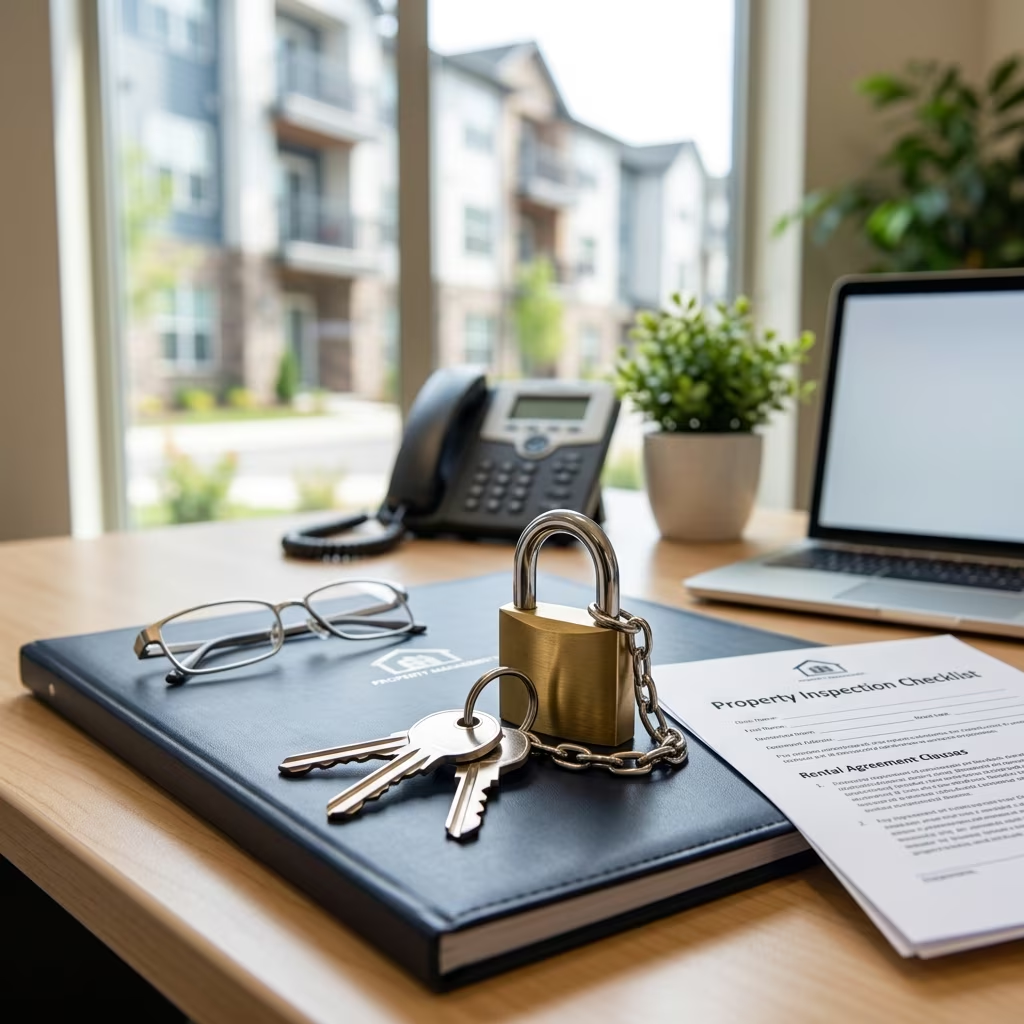
Illegal drug activity in rental housing is not only harmful to residents and neighborhoods; it can also create substantial legal, financial, and reputational risk for landlords. Government agencies and courts increasingly expect property owners to take reasonable steps to prevent their premises from becoming hubs for drug trafficking or manufacturing. At the same time, landlords must balance these responsibilities with fair housing obligations and respect for tenant rights.
This article offers a practical, step-by-step framework for landlords to:
- Reduce the risk of renting to individuals involved in illegal drug activity
- Strengthen day-to-day property management to deter crime
- Recognize common warning signs of drug dealing or manufacturing
- Respond appropriately and lawfully when suspicious activity arises
- Coordinate with law enforcement and community partners while limiting liability
Why Landlords Matter in Combating Drug Activity
Research in crime prevention highlights that the way rental properties are managed significantly affects whether they attract or repel drug dealers. Effective place management—meaning active oversight of tenants, physical conditions, and rules of use—can dramatically reduce the likelihood that criminal activity takes hold in a building or complex.
Several key points explain why landlords play a pivotal role:
- Control over access: Landlords decide who can live or operate businesses on their property, shaping the population and risk profile.
- Authority to set rules: Lease terms and house rules can explicitly ban illegal drug activity and define consequences such as eviction.
- Influence on environment: Physical upkeep, lighting, and visible oversight make properties less attractive to drug dealers, who seek locations where owners do not intervene.
- Legal expectations: Many jurisdictions impose duties on landlords not to “knowingly permit” premises to be used for drug offences and to take reasonable preventive measures.
In practice, this means that landlords who ignore clear signs of drug activity or fail to act on credible information may face fines, civil liability, or even criminal penalties under certain local or national laws.
Designing a Risk-Aware Tenant Screening Process
One of the most effective stages to prevent drug-related problems is the tenant selection process. Thoughtful screening does not guarantee that illegal activity will never occur, but it significantly reduces the likelihood of renting to high-risk individuals.
Core Principles of Fair and Effective Screening
Landlords must remain compliant with fair housing laws while considering risk factors. A well-designed screening process typically includes:
- Consistent criteria: Apply the same requirements (income, references, rental history) to all applicants to avoid discriminatory treatment.
- Focus on conduct, not status: Decisions based on prior convictions or demonstrably poor rental behavior are more defensible than decisions based on protected characteristics such as disability or race.
- Documented decisions: Keep written records explaining why an applicant was accepted or declined.
Practical Screening Steps That Help Reduce Drug Risks
Landlords can integrate the following practices into their application process:
- In-person or video meetings: Speak directly with applicants to assess their responsiveness and to verify consistency with written information.
- Verification of identity and employment: Confirm government-issued ID, income sources, and employment to detect obvious fraud.
- Rental history checks: Contact previous landlords and property managers to ask about payment reliability, property care, and any history of complaints related to illegal activity.
- Criminal background checks, where lawful: Subject to local law and fair housing guidance, review official records for relevant convictions involving drug distribution or manufacturing.
- Reference questions: When speaking with references, use open-ended questions such as “Were there any issues with visitors, noise, or police involvement?” rather than only yes/no queries.
Payment Practices as a Risk Indicator
Although not conclusive, payment methods can provide clues to suspicious activity. Legal guidance often warns that landlords who accept untraceable payment streams may inadvertently benefit from illegal proceeds.
| Payment Method | Advantages | Potential Concerns |
|---|---|---|
| Electronic transfer (bank, app) | Clear records; easy tracking; convenient | Requires banking access for tenants |
| Check or money order | Documented payments; supports accounting | May require more administrative handling |
| Cash | Immediate payment | Difficult to document; may raise questions if large amounts are involved or inconsistent with reported income |
Best practice is to discourage cash payments and require methods that create reliable records of amount and timing. This protects both landlord and tenant and can be important evidence if disputes or investigations occur later.
Strengthening Property Management to Deter Crime
Even with diligent screening, landlords must stay engaged with their properties. Studies show that when owners respond promptly to problems and maintain good physical conditions, crime—including drug dealing—declines.
Regular Visits and Visible Presence
Landlords or managers should visit properties at reasonable intervals, in accordance with legal notice requirements and tenant privacy rules. These visits can be used to:
- Observe common areas, entrances, parking lots, and exterior conditions
- Identify damaged lighting, uncontrolled access points, or signs of neglect
- Informally speak with tenants and neighbors about safety concerns
A visible management presence communicates that the property is actively supervised, which reduces its appeal to individuals seeking low-risk venues for illegal activities.
Physical Environment and Security Measures
Simple environmental improvements can have a sizable impact on crime prevention:
- Lighting: Keep entryways, hallways, parking areas, and outdoor pathways well lit.
- Access control: Maintain locks, gates, and, where appropriate, controlled entry systems to limit unauthorized access.
- Signage: Post clear rules against illegal activity and indicate that suspicious behavior will be reported to authorities.
- Cleanliness and repair: Promptly address broken windows, graffiti, or excessive trash, which can signal neglect and attract further disorder.
In some contexts, the installation of video cameras in common areas—always in compliance with privacy and surveillance laws—can aid in documenting activity and deterring crime.
Record-Keeping for Payments and Incidents
Meticulous documentation helps landlords manage risk, demonstrate reasonable efforts, and cooperate effectively with law enforcement when needed.
Recommended records include:
- Payment logs: Dates, amounts, and methods of rent and security deposit payments for each tenant.
- Communication notes: Brief summaries of key conversations, complaints, or warnings provided to tenants.
- Incident records: Date, time, and description of any observed or reported suspicious behavior, including who reported it and any follow-up actions.
Recognizing Possible Signs of Drug Activity
Landlords are not expected to conduct criminal investigations, but recognizing common indicators of drug dealing or manufacturing can guide appropriate responses. Indicators are context-dependent, and none is conclusive on its own—however, patterns may justify further inquiry or contact with law enforcement.
Behavioral and Environmental Indicators
Possible signs include:
- Unusually frequent short-term visitors at all hours, especially if visits last only a few minutes
- Strong chemical or unusual odors emanating from a unit or building
- Covered windows, blocked views, or attempts to prevent anyone from seeing inside
- Large amounts of trash containing chemical containers or packaging materials
- Tenants who consistently avoid interaction and display unusual secrecy about the premises
Neighbors or other tenants may also report concerns, such as suspected sales in parking lots or frequent deliveries that appear inconsistent with normal residential use.
Crafting Leases That Address Illegal Drug Activity
Leases are a landlord’s primary tool for defining acceptable behavior and consequences. Many legal resources recommend expressly prohibiting illegal drug activity and reserving the right to terminate tenancies when serious violations occur.
Key Lease Provisions to Consider
With appropriate legal review to ensure compliance with local law, landlords might include clauses that:
- Prohibit illegal drug activity: State that engaging in, facilitating, or permitting drug-related crimes on the property is a material breach of the lease.
- Extend responsibility to guests: Clarify that tenants are responsible for the conduct of household members and visitors.
- Allow termination for serious violations: Reserve the right to initiate eviction or other legal remedies if credible evidence of drug-related crime arises.
- Permit cooperation with law enforcement: Inform tenants that the landlord may work with police and other authorities where safety or criminal issues are involved.
Such provisions should be written clearly, avoiding vague language, and should be discussed with tenants at move-in to ensure mutual understanding.
Responding When Drug Activity Is Suspected
If a landlord suspects that drug activity is occurring on the property, actions should be measured, lawful, and well documented. U.S. Department of Justice guidance and legal analysis emphasize that landlords should not attempt to conduct their own criminal enforcement but should support official investigations.
Initial Steps and Documentation
Reasonable steps may include:
- Note observations: Record dates, times, and descriptions of suspicious behavior, without confronting tenants directly in a way that might escalate risk.
- Maintain safety: Avoid personal investigation or confrontation that could put the landlord or other tenants in danger.
- Consult legal counsel: Seek advice from an attorney familiar with landlord-tenant and criminal law before taking steps such as issuing notices or initiating eviction.
Engaging Law Enforcement and Community Resources
Law enforcement agencies often have formal procedures for working with landlords, including letters, meetings, and follow-up after raids or arrests. Evidence shows that direct engagement between police and landlords can significantly reduce future crime and increase appropriate evictions of offending tenants.
Helpful actions include:
- Contacting police with detailed information: Provide names, descriptions, vehicle information, times of suspected activity, and any relevant video footage.
- Cooperating with investigations: Share lease documentation and contact details for responsible tenants, as permitted by privacy law.
- Partnering with community organizations: Work with neighborhood groups, businesses, or faith communities to support broader crime-prevention initiatives.
Eviction and Legal Remedies
When evidence of drug-related crime is strong, landlords may consider termination of the tenancy. Some jurisdictions have specific laws that allow or require landlords to act in response to illegal drug activity, and may define defences if the landlord has taken reasonable preventive measures.
Critical considerations include:
- Due process: Follow all local notice and eviction procedures to avoid violating tenant rights.
- Evidence standards: Consult with legal counsel about what documentation or official records are necessary to justify termination.
- Non-retaliation: Ensure that any eviction is based on documented conduct, not retaliatory motives or discriminatory criteria.
Understanding Legal Liability and “Reasonable Measures”
Legal frameworks vary by jurisdiction, but many share a core principle: landlords should not knowingly permit their property to be used for illegal drug activity. Where laws specify penalties, they often also provide defences if landlords can show reasonable efforts to prevent and address such activity.
Examples of Reasonable Measures
While statutes rarely list exhaustive measures, examples drawn from legal commentary and policy research include:
- Maintaining a clear, fair tenant screening process
- Including explicit lease provisions against illegal drug activity
- Regularly monitoring and maintaining property conditions
- Promptly responding to credible complaints or signs of crime
- Reporting suspected drug activity to law enforcement and cooperating with follow-up
Documenting these efforts is crucial; written policies and records help show that the landlord acted responsibly if their property becomes linked to a criminal investigation or regulatory action.
Frequently Asked Questions (FAQ)
1. Can a landlord be held legally responsible for a tenant’s drug activity?
Yes, in some jurisdictions landlords may face civil or criminal consequences if they knowingly permit premises to be used for illegal drug activity or fail to take reasonable steps once they become aware of the problem. Whether liability applies depends on local law, the landlord’s knowledge, and documented efforts to prevent or address the issue.
2. What should a landlord do first if neighbors report suspected drug dealing?
Landlords should document the complaint, avoid direct confrontation with the suspected tenant, and contact law enforcement or legal counsel for guidance. The landlord can provide descriptive information to police and then follow counsel’s advice about lease enforcement or other actions.
3. Are landlords allowed to install security cameras?
Many landlords use cameras in common or exterior areas to deter crime and support investigations, but they must comply with privacy laws and avoid recording inside private units. Legal advice is recommended before installing cameras to ensure proper notice and placement.
4. Is it discriminatory to consider criminal history during tenant screening?
Using criminal history requires careful compliance with fair housing rules and guidance. Landlords generally focus on relevant convictions (such as recent drug distribution offences) and must apply criteria consistently, without targeting protected classes. Local regulations or guidance may further limit how criminal records are used.
5. Can accepting cash rent increase a landlord’s risk?
Accepting cash is not illegal in itself, but it complicates documentation and may raise questions if linked to illegal proceeds. Encouraging traceable payment methods, such as electronic transfers or checks, helps landlords demonstrate legitimate income and maintain clear records.
References
- Combating Drug Trafficking in Our Communities: A Landlord’s Role — U.S. Attorney’s Office, District of Vermont, U.S. Department of Justice. 2024-01-10. https://www.justice.gov/usao-vt/combating-drug-trafficking-our-communities-landlord-s-role
- Landlords Now Liable for Tenants’ Criminal Acts — Sorbara Law. 2025-03-01. https://www.sorbaralaw.com/resources/knowledge-centre/publication/landlords-now-liable-for-tenants-criminal-acts
- Reducing Crime and Drug Dealing by Improving Place Management — National Institute of Justice, U.S. Department of Justice. 1998-06-01. https://www.ojp.gov/library/publications/reducing-crime-and-drug-dealing-improving-place-management-randomized-1
- Preventing Crime by Controlling Drug Dealing on Private Rental Property — John E. Eck, Center for Problem-Oriented Policing, Arizona State University. 1998-01-01. https://popcenter.asu.edu/sites/g/files/litvpz3631/files/64-eck-preventing_crime_by_controlling_drug_dealing_on_priva.pdf
- Criminal Acts and Activities: Landlord Liability FAQ — Royal Legal Solutions. 2022-09-15. https://royallegalsolutions.com/criminal-acts-and-activities-landlord-liability-faq
- Drug Activity and Rental Property — LegalMatch. 2023-05-20. https://www.legalmatch.com/law-library/article/drug-activity-and-rental-property.html