
Landlord and Tenant Duties for Rental Repairs
Understand who must fix what in a rental home, how to request repairs, and what legal options exist when maintenance is ignored.
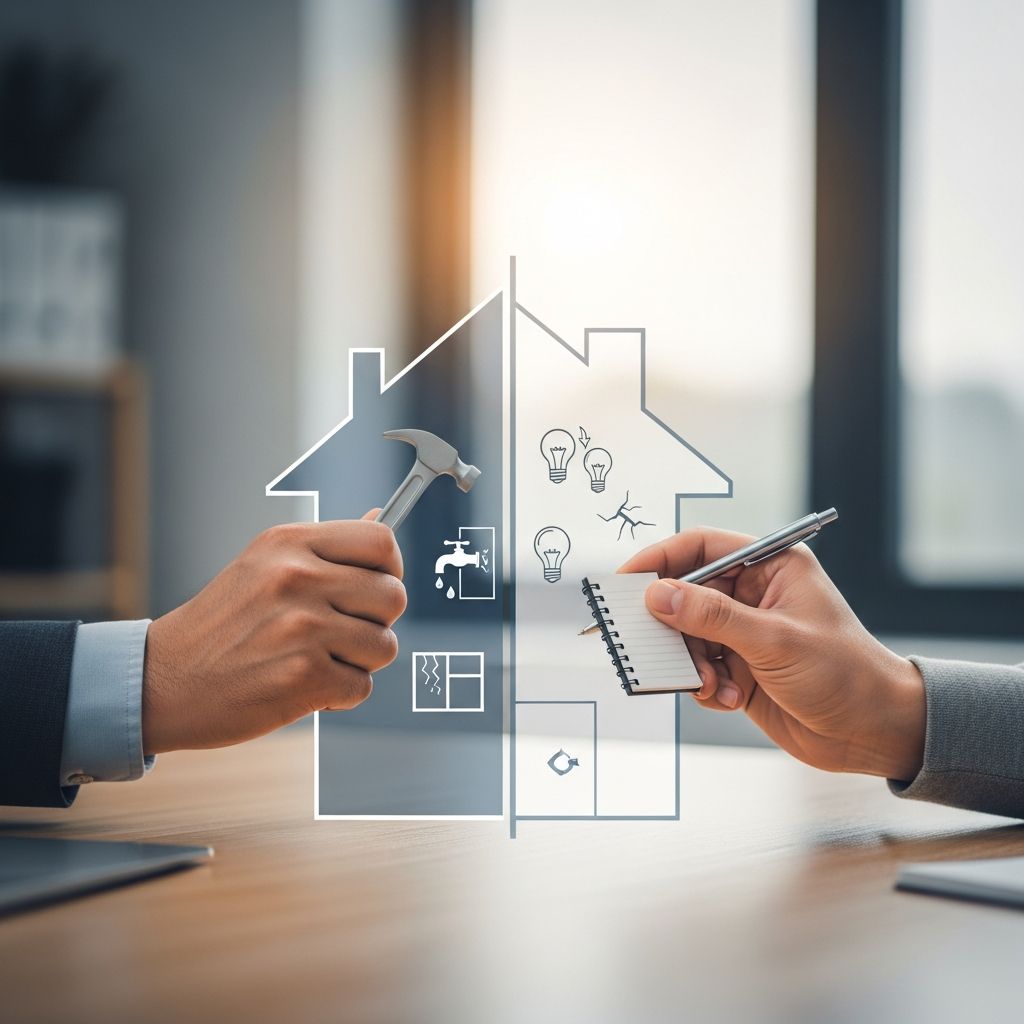
Every rental relationship eventually faces repair and maintenance questions. Understanding who is responsible for fixing problems, how quickly repairs must be made, and what happens when someone fails to act can prevent disputes and protect both property and people. This guide explains typical repair duties for landlords and tenants, the legal standards for habitable housing, and practical steps you can take when something breaks.
1. The Legal Foundation of Rental Repairs
In most U.S. states, repair and maintenance duties are shaped by three main sources of law:
- Lease or rental agreement – spells out many day-to-day responsibilities and procedures.
- State and local laws – impose minimum health and safety standards that cannot be waived.
- Building, housing, and fire codes – set technical requirements for structural safety and basic utilities.
Even if a lease is silent or poorly written, courts in many states recognize an implied warranty of habitability. That doctrine generally requires landlords to provide safe, sanitary, and livable housing in exchange for rent.
1.1 What “Habitability” Usually Includes
While exact rules differ by jurisdiction, habitability commonly covers:
- Sound structural elements (roof, walls, floors, and foundation).
- Working plumbing and safe drinking water.
- Functional electrical systems and safe wiring.
- Heating (and in some states, cooling) adequate for the climate.
- Protection from serious pest infestations and mold that threatens health.
- Smoke detectors and other basic safety devices, as required by code.
A landlord generally cannot shift these core habitability duties to a tenant through a lease clause. If a provision conflicts with state or local law, it is usually unenforceable.
2. Typical Landlord Repair Responsibilities
Although leases differ, landlords are almost always responsible for major repairs and for keeping the property legally habitable.
2.1 Common Categories of Landlord Duties
| Area | Examples of Landlord Obligations |
|---|---|
| Structure | Repair roof leaks, exterior walls, foundation cracks, broken stairs, failing porches, and insecure exterior doors and windows. |
| Plumbing | Maintain hot and cold running water; address major leaks; fix clogged main drains and toilets when not caused by misuse; keep water heaters working. |
| Electrical | Repair faulty wiring, replace unsafe outlets, address repeated breaker trips, and ensure enough power for normal use. |
| Heating / Cooling | Maintain heating in cold climates, and in some states, air conditioning in hot climates, to meet local standards. |
| Common Areas | Keep hallways, lobbies, stairwells, laundry rooms, and parking areas reasonably safe, clean, and well lit. |
| Health & Safety | Address serious pest infestations, unsafe mold, exposed asbestos or lead hazards, and maintain required smoke or carbon monoxide alarms. |
2.2 Timeframes for Landlord Repairs
Many states require landlords to fix serious habitability problems within a defined period after receiving notice. For example, some jurisdictions give landlords roughly 14 days to correct health and safety issues once notified in writing, or they may face tenant remedies in court.
Where no specific deadline is set, landlords must usually act within a “reasonable time”, which depends on the urgency, availability of parts or contractors, and the nature of the problem.
3. Typical Tenant Maintenance Responsibilities
Tenants are not passive occupants. Even where landlords must handle major repairs, tenants still have critical duties to protect the property and uphold the lease.
3.1 Everyday Responsibilities of Tenants
- Keeping the unit reasonably clean – regular cleaning reduces pests, mold, and damage.
- Using fixtures and appliances properly – avoiding overloading outlets, misusing plumbing, or abusing equipment.
- Preventing damage by guests and household members – tenants are usually responsible for harm caused by people they allow on the property.
- Following the lease and building rules – including pet policies, smoking restrictions, and limits on alterations.
3.2 Damage Beyond Normal Wear and Tear
Landlords are generally responsible for normal wear and tear (such as minor scuffs or aging paint), but tenants must pay for excess damage caused by negligence or misuse.
Examples of tenant-caused damage often include:
- Broken doors, windows, or locks from rough use, not crime or storms.
- Clogged drains from foreign objects or grease poured down sinks.
- Large wall holes, damaged flooring, or broken fixtures from carelessness.
Landlords may charge tenants directly for such repairs or deduct the reasonable cost from the security deposit, as allowed by law and the lease.
3.3 Tenant Duties to Report Problems
Tenants usually must notify the landlord promptly when something important breaks. Delayed reporting can allow small issues—like a minor leak—to turn into costly structural damage, and may affect a tenant’s rights and potential remedies.
4. The Central Role of the Lease Agreement
The lease is the first place to look when a repair dispute arises. It often divides specific tasks between landlord and tenant, as long as it does not violate housing laws.
4.1 What a Strong Repair Clause Should Cover
Many well-drafted leases will address:
- Who handles minor repairs (for example, replacing light bulbs or air filters).
- Whether tenants may perform repairs themselves and under what conditions.
- How tenants must submit maintenance requests (written notice, online portal, or other method).
- Expected timeframes for non-emergency repairs.
- Rules about alterations, such as painting or installing fixtures.
Courts often enforce these negotiated terms, provided they do not attempt to waive basic habitability standards.
5. How Tenants Should Request Repairs
When something substantial goes wrong in a rental, tenants should take a methodical approach. Proper documentation not only helps get problems fixed but also protects legal rights if the dispute escalates.
5.1 Step-by-Step Process
- Review the lease
Confirm who is responsible, what notice is required, and any specific procedures for maintenance requests. - Notify the landlord in writing
Even if verbal notice is common, written notice (email, letter, or portal submission) creates a clear record of the date and issue. - Describe the problem clearly
Include the location, the nature of the issue, how long it has existed, and why it affects health, safety, or normal use. - Allow reasonable access
Landlords usually have the right to enter at reasonable times, with notice, to inspect and repair, except in emergencies. - Keep records
Save copies of notices, photos or videos of the problem, and any responses from the landlord. This is vital if legal remedies later become necessary.
5.2 Emergencies vs. Routine Problems
Tenants should distinguish true emergencies—such as gas leaks, major flooding, total loss of heat in winter, or electrical hazards—from routine issues like a sticking door. Emergencies generally justify immediate contact by phone or other rapid means, followed by written confirmation.
6. Remedies When a Landlord Fails to Repair
If a landlord ignores legitimate repair requests, tenants often have several possible remedies. The options and procedures differ by state, so tenants should review their local landlord–tenant laws or consult an attorney.
6.1 Court-Based Remedies
In many states, when a serious habitability problem is not fixed within the legally required time after written notice, tenants may ask a court to:
- Order the landlord to complete the repairs.
- Reduce the rent to reflect the lower value of the defective unit.
- Award monetary damages and, in some jurisdictions, reasonable attorney’s fees.
- Allow early termination of the lease without penalty in severe cases.
6.2 Other Possible Tenant Strategies
Depending on state law, additional strategies may include:
- Repair-and-deduct – in some jurisdictions, tenants may pay for necessary repairs themselves and subtract the reasonable cost from future rent, but strict rules usually apply.
- Reporting to code enforcement or health departments – inspectors can cite code violations that pressure landlords to act.
- Withholding rent – allowed in some places for major habitability defects, but often risky if not done exactly as the law requires.
Because these remedies can carry legal risk, many tenants benefit from legal advice before withholding rent or arranging substantial repairs on their own.
7. Consequences When Tenants Fail to Maintain or Cooperate
Just as tenants can hold landlords accountable for serious neglect, landlords may take action when tenants ignore their own obligations.
7.1 Lease Violations and Potential Liability
If a tenant refuses to perform clearly assigned maintenance duties or causes significant damage, the landlord may:
- Hire professionals to complete necessary work and seek reimbursement from the tenant.
- Deduct damage costs from the tenant’s security deposit, following applicable state rules.
- Issue lease violation notices and, in serious cases, seek eviction through court.
Landlords should also document tenant-caused damage with photos, repair invoices, and written communications before pursuing compensation.
8. Preventive Practices for Landlords and Tenants
Good communication and routine care prevent many disputes. Both sides can take steps to protect their interests and keep the property in good shape.
8.1 Best Practices for Landlords
- Use a detailed written lease that clearly allocates repair and maintenance duties, consistent with local law.
- Conduct move-in and move-out inspections with checklists and photos.
- Respond quickly to written repair requests, prioritizing health and safety issues.
- Maintain relationships with licensed contractors for plumbing, electrical, and structural work.
- Keep accurate records of all notices, inspections, and repairs.
8.2 Best Practices for Tenants
- Read and understand the lease before signing, especially maintenance clauses.
- Document the condition of the unit at move-in with photos or video.
- Report problems promptly and in writing, even if you also call.
- Follow reasonable house rules that help maintain the property (trash removal, proper use of appliances, etc.).
- Cooperate with reasonable requests for entry to complete repairs.
9. Frequently Asked Questions (FAQs)
Q1: Can a landlord make the tenant fully responsible for all repairs?
A landlord generally cannot transfer core habitability duties—such as keeping the structure safe or ensuring basic utilities—onto the tenant, even if the lease attempts to do so. Courts often refuse to enforce lease terms that conflict with housing codes or the implied warranty of habitability.
Q2: How fast must my landlord fix a serious issue?
Time limits depend on state law and the severity of the problem. Some states set specific deadlines (for example, around 14 days for serious health and safety issues once written notice is given), while others use a flexible “reasonable time” standard. Emergencies like gas leaks or total heat loss usually require much faster action.
Q3: Am I allowed to hire my own repair person and bill the landlord?
In some jurisdictions, tenants may use a repair-and-deduct remedy for urgent, necessary repairs, but there are often strict limits on cost, notice, and frequency. Because the rules vary and mistakes can lead to nonpayment-of-rent claims, tenants should check local law or seek legal advice before hiring a contractor and expecting reimbursement.
Q4: What happens if I damage something accidentally?
Accidental damage beyond normal wear and tear is usually the tenant’s financial responsibility. The landlord may choose to repair the problem and charge the tenant or deduct the reasonable cost from the security deposit, as allowed under state law and the lease.
Q5: Can I break my lease if my unit is unlivable?
When a serious habitability problem is not repaired within the time required by law after proper notice, many states allow tenants to seek court permission to terminate the lease without penalty or to obtain a rent reduction or other relief. The specific remedy and procedure depend on local statutes and court decisions, so legal guidance is often helpful.
References
- Repair Responsibilities for Tenants and Landlords — LawDepot. 2023-06-15. https://www.lawdepot.com/us/resources/real-estate-articles/repair-responsibilities-for-tenants-and-landlords/
- Who Is Legally Responsible for Repairs in a Rental? — Super Lawyers / Thomson Reuters. 2022-08-10. https://www.superlawyers.com/resources/landlord-and-tenant/who-is-legally-responsible-for-repairs-in-a-rental/
- Tennessee Landlord Responsibilities for Habitability — iPropertyManagement. 2024-01-05. https://ipropertymanagement.com/laws/tennessee-landlord-responsibilities
- Tennessee Landlord-Tenant Rental Laws and Rights — Avail. 2025-02-01. https://www.avail.co/education/articles/tennessee-landlord-tenant-laws-overview-for-landlords
- Things Landlords Cannot Do in Tennessee — Steadily. 2023-09-18. https://www.steadily.com/blog/things-landlords-cannot-do-in-tennessee
- Tennessee Landlord Tenant Rental Laws & Rights for 2025 — DoorLoop. 2025-01-10. https://www.doorloop.com/laws/tennessee-landlord-tenant-rights
- Renters: Rights and Responsibilities — Tennessee Department of Health. 2021-04-12. https://www.tn.gov/health/cedep/environmental/healthy-homes/hh/renters.html
- Uniform Residential Landlord and Tenant Act Summary — Tennessee State Courts. 2020-07-01. https://www.tncourts.gov/sites/default/files/docs/general_sessions_cases_handout.pdf
Similar Articles








Read full bio of medha deb


