
Landlord Responsibility: 6 Steps After Crime At Rental Property
A practical guide to landlord responsibilities, tenant safety, and legal risk when crime affects a rental property.
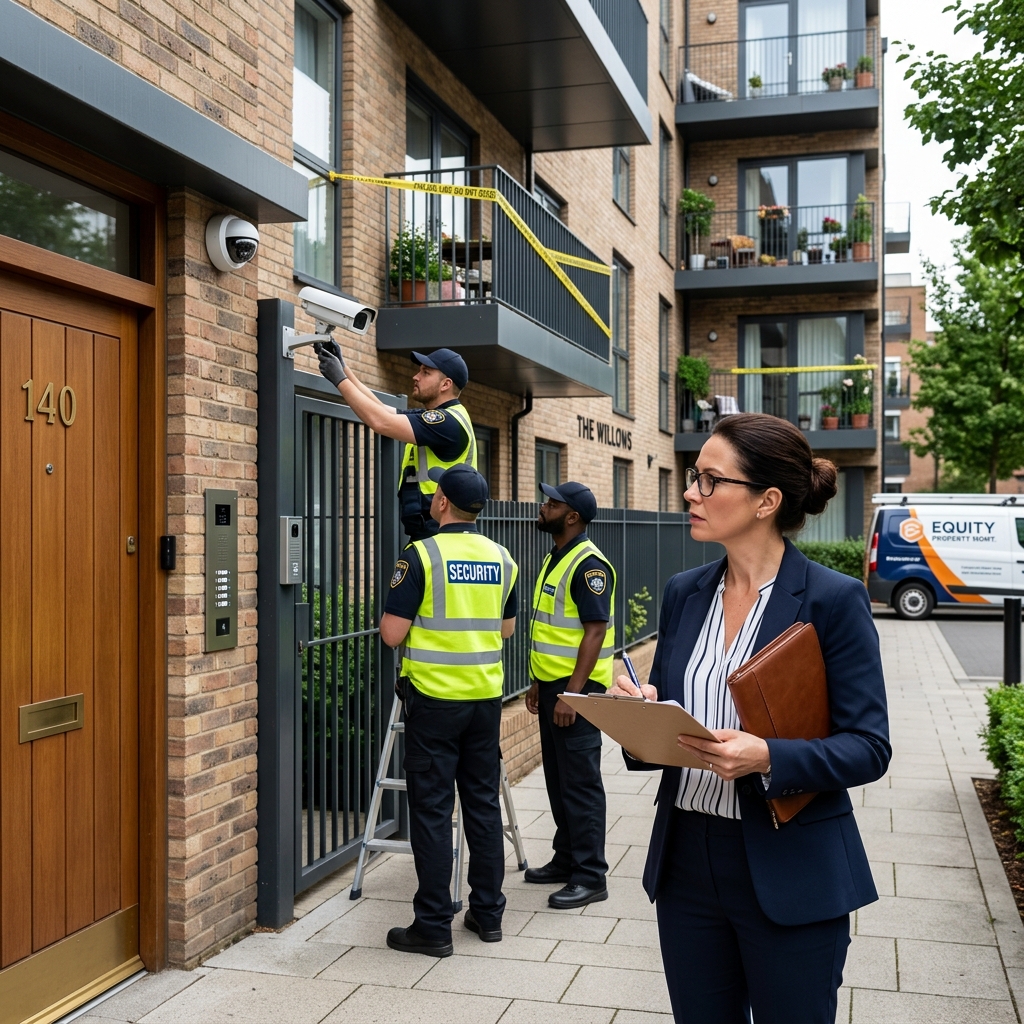
Crime at a rental property creates urgent safety concerns, but it can also raise legal questions for landlords. A landlord is not automatically responsible for every illegal act committed by a tenant, guest, or outsider. However, once a landlord knows about a problem or should reasonably know about it, the duty to respond can increase. The central issue is usually whether the landlord took reasonable steps to protect tenants, preserve habitability, and avoid allowing a dangerous situation to continue.
This article explains how landlord responsibility is commonly analyzed when crime occurs on or near a rental property, what practical steps can reduce risk, and how landlords can respond without overstepping legal limits. The exact rules vary by state and city, but the basic themes are consistent: safety, notice, documentation, and lawful enforcement.
What a landlord is expected to prevent
Landlords are generally not insurers against all criminal conduct. A rental owner is usually judged by whether they acted reasonably under the circumstances, not by whether they achieved perfect safety. In practice, that means a landlord may need to address known security defects, repeated disturbances, or patterns of illegal conduct that create foreseeable danger.
Examples of issues that may trigger landlord concern include:
- Repeated break-ins or attempted break-ins in common areas
- Broken locks, poor lighting, or other obvious security defects
- Known drug activity, violence, or threats tied to a unit
- Serious nuisance behavior that attracts police calls
- Unsafe common spaces that make crime easier to commit
The legal theory behind liability is often tied to foreseeability. If a landlord knew about a risk and had practical ways to reduce it, doing nothing can become a problem. Courts and statutes may also look at whether the landlord maintained the property in a habitable condition and whether the response was prompt enough to matter.
Reasonable safety measures landlords should consider
Reasonable precautions do not have to be expensive or elaborate. They do, however, need to match the property’s condition, location, and level of risk. A modest building in a low-crime area will not be held to the same security plan as a large complex with a long record of incidents, but both require basic care.
| Risk area | Practical landlord response |
|---|---|
| Entry points | Repair deadbolts, rekey locks after approved removals, and keep doors and windows in working order |
| Lighting | Maintain exterior and hallway lighting so entrances and pathways are visible |
| Common areas | Check for broken gates, damaged fencing, unsafe stairwells, and blind spots |
| Tenant reports | Respond promptly to complaints about threats, suspicious visitors, or vandalism |
| Security patterns | Review whether cameras, access control, or patrols are appropriate for the property |
One of the most important points is responsiveness. A landlord who receives a report about a broken lock, then delays for weeks, may be exposed to claims if a criminal incident occurs during that delay. Prompt maintenance and careful follow-through can make a significant difference.
When tenant misconduct can become a landlord problem
Tenant behavior can create legal and practical trouble when it crosses into repeated nuisance or illegal conduct. Landlords are often expected to act if a tenant is using the property for drug-related activity, violent conduct, prostitution, or ongoing disruptive behavior that affects others. The landlord’s response does not have to be immediate eviction in every situation, but it usually should not be passive.
Common response options include warning notices, lease enforcement, coordination with law enforcement, and, when permitted by law, termination of the tenancy. A lease that clearly prohibits criminal activity can help the landlord enforce those rights. Even where the lease is silent, a landlord may still have remedies under state law or local nuisance ordinances.
In many cases, the most important legal distinction is between an isolated incident and an ongoing pattern. A single argument or one isolated police call may not justify drastic action, while repeated complaints, arrests, or verified illegal use of the property can support stronger enforcement.
What to do after a crime occurs on the property
A landlord’s first job after a criminal incident is to protect people, not paperwork. If there is any immediate threat, emergency services should be contacted right away. Once the scene is stable, the landlord should begin documenting the condition of the property and any damage that may affect safety or repairs.
- Call law enforcement when needed and cooperate with official investigations
- Check whether any tenant, guest, or employee needs emergency assistance
- Photograph or video visible damage before cleanup begins
- Preserve records of complaints, notices, and repair requests
- Notify the insurer if the incident may lead to a claim
- Make temporary repairs if needed to restore safety and habitability
Communication matters as well. Other tenants may need to know that a security issue has been addressed, but a landlord should avoid sharing unnecessary details. Privacy concerns are especially important when the event involved a victim, a criminal investigation, or sensitive personal information.
How insurance and documentation fit into the response
Landlord insurance often plays a major role after a crime, especially when there is property damage, loss of income, or a claim that the landlord failed to maintain safe conditions. Policies differ, so the owner should review what is covered and what notice requirements apply. Early reporting is usually better than waiting until repairs are complete.
Documentation is equally important. Good records can help show that the landlord took complaints seriously and acted within a reasonable time. Useful records may include:
- Maintenance tickets and repair invoices
- Written tenant complaints
- Police incident reports, when available
- Photos of damaged locks, windows, lights, or common areas
- Copies of lease warnings or notices to cure
If a dispute later turns into litigation, these records may become the clearest evidence of whether the landlord acted responsibly.
Using the lease to address illegal activity
A strong lease can help prevent confusion about expectations. The best leases do not just forbid crime in general; they describe conduct that will be treated as a serious breach. That can include drug distribution, violent behavior, property damage, unauthorized occupants, interference with other tenants, and repeated police intervention.
Clear lease language helps in two ways. First, it gives tenants notice that the property rules are strict. Second, it supports enforcement if the landlord later needs to issue warnings or begin termination proceedings. A lease clause alone is not enough to solve the problem, but it can make the landlord’s position much stronger.
At the same time, landlords must be careful not to write or enforce lease rules in a discriminatory way. The goal is to prohibit unlawful conduct, not to target protected status or retaliate against a tenant for making a complaint.
Eviction is not immediate, and self-help usually is not allowed
When illegal activity becomes severe enough to justify removing a tenant, the landlord still has to follow the legal eviction process. In most jurisdictions, that means proper notice, court involvement, and, if the landlord wins, lawful execution by the appropriate authority. Changing locks, shutting off utilities, removing belongings, or otherwise forcing a tenant out without legal process can create serious liability.
That rule matters even when the tenant seems obviously at fault. The law generally expects landlords to use the court system rather than take matters into their own hands. A rushed reaction can turn a valid complaint about tenant misconduct into a separate legal problem for the landlord.
Because eviction rules vary widely, landlords should verify local notice periods, proof requirements, and whether criminal activity qualifies for expedited removal in their state.
Balancing safety, privacy, and fairness
Managing crime in a rental setting is often a balancing act. Tenants want safety, neighbors want peace, and landlords want to avoid both danger and liability. The best approach is usually measured and consistent: investigate credible complaints, repair defects promptly, enforce the lease evenly, and escalate only when the facts support it.
Fairness also matters. A landlord should avoid assumptions based on rumors alone. Unverified accusations can lead to wrongful action, while inaction in the face of confirmed danger can increase risk. The key is to rely on documented facts whenever possible and to consult local counsel if the issue is serious.
Common mistakes landlords make
Many disputes arise not because a landlord had no options, but because the wrong option was chosen. Common mistakes include delaying repairs, ignoring repeated complaints, failing to document the problem, and trying to evict without proper notice. Another frequent error is over-sharing with other tenants or neighbors, which can create privacy concerns and unnecessary conflict.
- Ignoring broken security features after a tenant reports them
- Assuming one complaint is too small to matter
- Waiting until police are repeatedly called before acting
- Using informal pressure instead of lawful notices
- Trying to remove a tenant without court approval
A careful landlord does not need to become a security expert, but should know when a problem has crossed the line from routine maintenance into a legal and safety issue.
FAQ: Landlord responsibility and criminal activity
Can a landlord be liable for a tenant’s criminal act? Yes, in some situations a landlord can face liability if they knew or should have known about a risk and failed to take reasonable steps to address it.
Does a landlord have to stop all crime on the property? No. The law usually requires reasonable action, not perfect protection. The landlord’s duty is usually tied to notice, foreseeability, and practical prevention measures.
Should a landlord call the police after serious illegal conduct? If there is an immediate threat or an active crime, involving law enforcement is often appropriate. A landlord should also cooperate with any investigation.
Can a landlord evict a tenant for drug activity or violence? Often yes, if the lease or local law permits it and the landlord follows proper legal procedures.
Can a landlord change locks after a crime? Only in situations allowed by law, such as after a lawful removal or when a tenant’s rights permit it. In general, lock changes should not be used as a shortcut to eviction.
What is the most important step after a crime? Protect occupants first, then document the event, notify the insurer if needed, and determine what repairs or legal action are required.
References
- Landlord/Tenant Law in Florida — Florida Department of Agriculture and Consumer Services. 2026-07-09. https://www.fdacs.gov/Consumer-resources/landlord-tenant-law-in-florida
- Rights and Duties of Tenants and Landlords — The Florida Bar. 2026-07-09. https://www.floridabar.org/public/consumer/tip014/
- Providing Property Security as a Landlord & Avoiding Legal Liability — Justia. 2026-07-09. https://www.justia.com/real-estate/landlord-tenant/information-for-landlords/liability-for-criminal-activity/
- Landlord Responsibilities After Crime at Rental Property — RentPost. 2026-07-09. https://rentpost.com/resources/article/landlord-responsibilities-rental-property-crime/
- Can Landlords Be Held Responsible For Criminal Activities On Their Property? — Belong. 2026-07-09. https://belonghome.com/blog/landlords-criminal-activity-rentals
Similar Articles








Read full bio of Sneha Tete


