
Land Use Laws: A Practical Guide for Property Owners
Understand how land use and zoning rules shape what you can build, how you can develop, and how to protect your real estate investment.
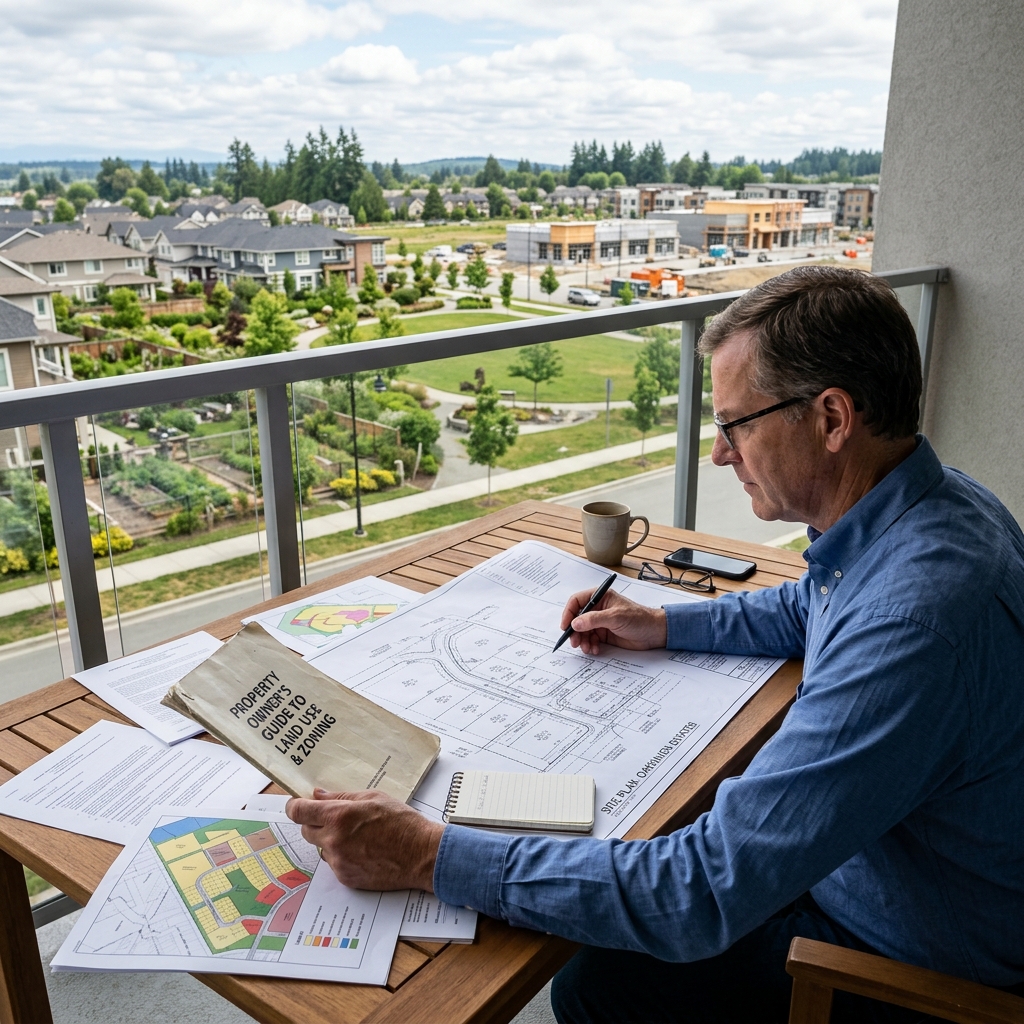
Owning real estate does not mean you are free to use the land in any way you choose. Across the United States, land use and zoning laws set boundaries on how property can be developed, altered, and occupied, with the goal of protecting public health, safety, and welfare. Understanding these rules is essential for avoiding costly mistakes and maximizing the value of your investment.
This guide explains how land use laws work, why zoning matters, which common restrictions owners encounter, and when it is wise to involve a land use attorney. It is written for residential, commercial, and mixed-use property owners who want practical, legally informed insight before they buy, build, remodel, or repurpose land.
What Land Use Law Covers
Land use law is an umbrella term for the rules that govern how land is planned, developed, preserved, and redeveloped within a jurisdiction. These rules appear in local zoning ordinances, subdivision regulations, building codes, environmental statutes, and comprehensive plans.
At its core, land use law answers several basic questions:
- Where different types of uses belong (homes, shops, factories, farms).
- How intense development can be (height, density, lot coverage).
- What design and safety standards buildings must meet (setbacks, parking, fire codes).
- Which natural or cultural resources must be protected (wetlands, historic districts).
These rules are primarily local. Cities, towns, and counties adopt land use regulations under authority granted by state law, and they administer those regulations through planning, zoning, and building departments. Federal and state agencies typically become involved where environmental, transportation, or civil rights concerns arise.
Zoning: The Core Tool for Organizing Land Use
Zoning is the most recognizable form of land use control. It divides a community into mapped districts and assigns allowed and prohibited uses to each district. Zoning also sets dimensional standards for lots and buildings.
| Common Zoning Category | Typical Primary Uses | Typical Restrictions |
|---|---|---|
| Residential | Single-family homes, multi-family dwellings | Limits on number of units, building height, setbacks, lot size. |
| Commercial | Retail stores, offices, restaurants | Requirements for parking, signage, hours of operation, buffering from homes. |
| Industrial | Manufacturing, warehouses, distribution | Controls on noise, emissions, truck traffic, and proximity to sensitive uses. |
| Agricultural / Rural | Farming, forestry, low-density housing | Limits on subdivision, protection of soils or open space, lower infrastructure expectations. |
Zoning ordinances usually regulate more than just use. They may address:
- Minimum lot area and width.
- Minimum front, side, and rear yards (setbacks).
- Maximum building height and floor area ratio (FAR).
- Off-street parking and loading requirements.
- Number of buildings allowed per lot and number of dwelling units in a district.
Nearly every major urban area in the United States has adopted zoning regulations to separate incompatible uses—for example, keeping heavy industrial facilities away from schools and neighborhoods.
Key Land Use Concepts Every Owner Should Know
Several basic concepts recur in land use law and often determine whether a project can move forward:
Permitted, Conditional, and Prohibited Uses
- Permitted uses are allowed by right in a zoning district. If your proposal meets all dimensional and design standards, you generally receive approvals through a straightforward administrative process.
- Conditional or special uses are allowed only if you obtain a specific permit (often called a conditional use permit or special use permit) and show that the use will not harm the public or neighboring properties.
- Prohibited uses are not allowed in the district. Attempting to establish a prohibited use generally requires a zoning change, not a simple permit.
Nonconforming Uses and Structures
Nonconforming uses arise when a property was lawfully established under prior rules but no longer complies with updated zoning. Many ordinances allow these uses to continue, but limit expansion, rebuilding after damage, or change to another nonconforming use.
Variances
A variance is a limited exception from strict application of zoning standards, granted when an owner shows that unique physical conditions on the property create practical difficulties or unnecessary hardship. Variances typically address dimensional requirements, such as:
- Relaxing a setback to fit a building on an irregular lot.
- Adjusting height limits where topography creates challenges.
Obtaining a variance usually requires a public hearing before a zoning board and evidence that the exception will not harm the public interest.
How Land Use Laws Protect Public Interests
Land use regulation sometimes frustrates owners who feel constrained in using their land. However, these laws serve several widely recognized public purposes:
- Health and safety: Building codes, fire codes, and site design standards help prevent structural failures, fire hazards, and unsafe access.
- Orderly growth: Zoning and subdivision rules coordinate development with roads, utilities, and public services, reducing congestion and infrastructure overload.
- Environmental protection: Environmental regulations limit pollution, protect wetlands and floodplains, and manage development in sensitive ecosystems.
- Property value stability: Separating conflicting uses (such as heavy industry and homes) helps maintain predictable neighborhood character, which markets tend to reward.
- Civil rights and fairness: Federal laws like the Fair Housing Act prohibit discriminatory housing practices, ensuring that land use decisions do not become a vehicle for unlawful discrimination.
Because land use decisions affect entire communities, most significant projects require some form of public review or hearing, where neighbors and interested parties can comment.
Common Restrictions Owners Encounter
In addition to basic zoning categories, property owners frequently encounter more specialized land use controls.
Overlay Districts and Special Zones
Local governments often adopt overlay districts that layer additional rules on top of base zoning. Examples include:
- Historic districts with stricter design, demolition, and renovation standards.
- Floodplain overlays that require elevated construction, floodproofing, or limitations on certain uses.
- Environmental protection zones that restrict disturbance of wetlands, steep slopes, or habitats of endangered species.
Lot Size, Density, and Growth Controls
To manage growth and infrastructure capacity, some jurisdictions implement controls such as:
- Minimum lot sizes that limit how finely land can be subdivided.
- Maximum density or units-per-acre caps in residential districts.
- Urban growth boundaries separating areas intended for near-term urbanization from rural or preservation areas.
Design and Site Standards
Beyond use and size, regulations may dictate site layout and building appearance:
- Location and number of driveways.
- Landscaping and buffering between incompatible uses.
- Signage type, size, and illumination.
- Parking stall counts and accessibility requirements.
Environmental and Regulatory Due Diligence
For many projects, especially redevelopment of older or industrial properties, land use planning must account for environmental constraints and regulatory approvals. Public guidance emphasizes several due diligence steps:
- Identify environmentally sensitive areas: wetlands, floodplains, and habitats for protected species may trigger special permits or limit development.
- Assess contamination and cleanup obligations: brownfield sites or former industrial uses may require remediation before new construction.
- Review encumbrances: deed restrictions, easements, and liens can limit use or transfer of property.
- Check existing plans: comprehensive plans, open space plans, and economic development strategies often signal preferred future uses and policy constraints.
These evaluations help owners compare the cost of remediation and compliance against the expected post-development value of the property.
Approval Pathways: How Projects Move Through the System
A successful project requires more than a good concept; it must pass through the right approval channels. While procedures vary by jurisdiction, common steps include:
- Zoning verification: Confirm the zoning district, permitted uses, and whether your proposal fits within existing rules.
- Pre-application consultation: Many cities encourage a meeting with planning or zoning staff to flag issues early.
- Site plan and building review: Detailed drawings and specifications are submitted for compliance review against zoning, subdivision, and building codes.
- Public hearings: For variances, conditional uses, or rezonings, boards or councils hold hearings with public notice.
- Permits and licenses: If approved, you receive zoning permits, building permits, and any special licenses needed to operate the proposed use.
Owners should also be aware of regulatory pre-notification periods—lead times that agencies require before closing, modifying, or transferring certain permits or licenses.
How Land Use Attorneys Help Protect Property Interests
Land use law can be complex, highly local, and procedurally demanding. Experienced land use attorneys play a critical role in guiding property owners through this landscape and safeguarding their rights.
Strategic Due Diligence Before You Buy or Build
Before purchasing property or launching a project, an attorney can:
- Analyze zoning regulations and confirm what uses and densities are realistically attainable.
- Review environmental regulations that may affect development.
- Identify restrictions, easements, or covenants that limit use.
- Evaluate whether the project will likely need variances, special permits, or rezonings, and estimate the risk of denial.
Navigating the Permitting and Hearing Process
Attorneys assist owners in preparing applications, coordinating with design professionals, and representing them in hearings. Their work often includes:
- Drafting narratives that demonstrate compliance with legal standards.
- Responding to concerns raised by planning staff, reviewing agencies, or neighbors.
- Negotiating conditions of approval that are workable and enforceable.
Defending Property Rights in Disputes
When governments deny approvals or impose conditions that owners view as unlawful, land use attorneys can challenge those actions through administrative appeals or litigation. They may argue that regulations have been misapplied or that government action amounts to an improper taking of property without just compensation, an area closely tied to constitutional property rights.
Owner Checklist: Before You Change How Land Is Used
Whether you plan a modest renovation or a major redevelopment, use this checklist to reduce risk:
- Confirm zoning: Verify your zoning district, permitted uses, and dimensional standards on official maps and in the ordinance.
- Review local plans: Check comprehensive and neighborhood plans to see how your area is expected to evolve.
- Identify overlays and constraints: Determine whether historic, floodplain, or environmental overlays apply.
- Assess infrastructure capacity: Consider whether roads, utilities, and services can support your proposed intensity of use.
- Consult a land use attorney when your project is complex, controversial, or dependent on discretionary approvals.
FAQs: Common Owner Questions About Land Use Laws
Do land use laws apply even if I owned my property before the ordinance was adopted?
Yes. Existing uses and structures that were lawful at the time they were established may gain nonconforming status, but new changes usually must comply with current regulations. Nonconforming rights are limited and often cannot be expanded without approvals.
Can I get around zoning rules if my project is beneficial to the community?
Beneficial projects may receive support, but they still must follow legal pathways—typically variances, special use permits, or rezonings. Decision-makers must apply statutory standards, not just their view of a project's merits.
Why do I need both zoning approval and a building permit?
Zoning approval focuses on how land is used and how a structure fits on the site. Building permits deal with structural safety, fire protection, accessibility, and other technical building code issues. Both are required to ensure safe and lawful development.
How do environmental laws interact with local zoning?
Environmental laws often overlay local land use controls. A project that meets zoning requirements may still need separate approvals to disturb wetlands, manage stormwater, remediate contamination, or build in a floodplain.
When is it essential to hire a land use attorney?
It is particularly important to involve an attorney when you seek variances or rezonings, when a project may face opposition, when environmental issues are significant, or when you believe government action has unfairly limited your property rights.
References
- Zoning and Land Use Laws — Justia. 2023-05-01. https://www.justia.com/real-estate/home-ownership/owning-a-home/zoning-and-land-use/
- Real Estate Laws and Regulations — Century 21 Blackwell. 2023-03-10. https://www.century21blackwell.com/blog/real-estate-laws-and-regulations/
- How Land Use Attorneys Can Protect Your Property Interests — Dickson Frohlich Phillips Burgess. 2022-11-15. https://www.dicksonlegal.com/how-land-use-attorneys-can-protect-your-property-interests/
- Land Use & Property Rights — National Association of REALTORS®. 2024-02-01. https://www.nar.realtor/land-use-property-rights
- The Basics of Land Use and Zoning Law — Tulane University Law School. 2021-09-30. https://online.law.tulane.edu/blog/land-use-and-zoning-law
- Land Use and Regulatory Guidelines — New York State Energy Research and Development Authority (NYSERDA). 2023-06-01. https://www.nyserda.ny.gov/All-Programs/Just-Transition-Site-Reuse-Planning-Program/Land-Use-and-Regulatory-Guidelines
- Land Use — Legal Information Institute, Cornell Law School. 2020-08-15. https://www.law.cornell.edu/wex/land_use
Similar Articles








Read full bio of Sneha Tete


