
Kroger Pet Food Recall: What Owners Should Know
Understand how pet food recalls happen, what vitamin D risks mean, and how to check your pantry quickly.
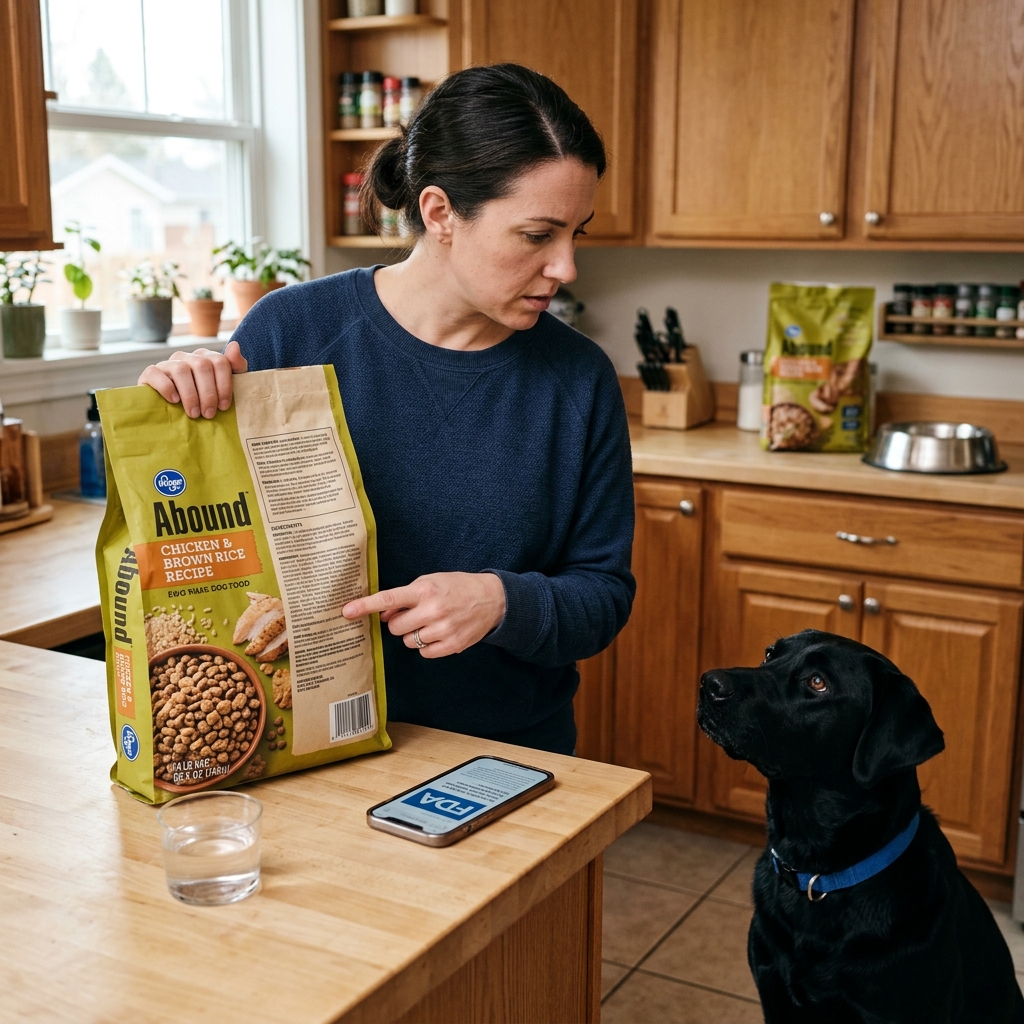
When a pet food recall is announced, the concern is immediate: a product that was meant to nourish an animal may instead put its health at risk. In the Kroger recall tied to Abound Chicken & Brown Rice Recipe dog food, the issue was an elevated level of vitamin D, a nutrient that is essential in small amounts but dangerous in excess. The recall highlights why pet owners should pay close attention to product notices and know how to respond quickly.
Why this recall mattered
The Kroger notice involved a specific dry dog food product that had already been removed from sale after a supplier recall. According to the FDA, the product was linked to an elevated level of vitamin D, which can cause renal failure in dogs if consumed in large amounts. The affected product was limited to a particular item, size, and best-by range, rather than every pet food sold under the brand name.
That distinction matters because recalls are usually targeted. A consumer may have the same brand at home, yet only one production lot or one date code may be implicated. For that reason, checking the package details is more important than relying on the front label alone.
What went wrong with the food
Vitamin D is not harmful by definition. Dogs need it for normal bodily functions, including calcium and phosphorus balance. The problem arises when the amount becomes far higher than intended. In the Kroger case, the recall was triggered because the product may have contained an excessive level of vitamin D, and the FDA warned that very high intake can lead to serious health complications, including kidney dysfunction.
Reporting around the recall noted that the supplier, Sunshine Mills, had produced the affected product and that no illness or injury had been reported at the time of the notice. The absence of immediate reports did not reduce the seriousness of the hazard; it only meant the recall was preventive rather than reactive.
Signs a dog may have eaten unsafe food
Owners should watch for symptoms consistent with vitamin D toxicity. The FDA identified vomiting, loss of appetite, increased thirst, increased urination, excessive drooling, and weight loss as warning signs. These symptoms may appear after a dog has been exposed to elevated vitamin D over time or after a single significant exposure.
Because those symptoms can overlap with other illnesses, a veterinarian should evaluate the animal if there is any reason to suspect exposure to recalled food. A pet that seems mildly unwell can deteriorate quickly if the underlying cause is a toxic ingestion.
How to check whether your product is affected
Recall notices are most useful when they are specific. For the Kroger dog food recall, the affected item was Abound Chicken & Brown Rice Recipe Dog Food sold in a 4-pound bag, with UPC 11110-83556 and best-by dates from November 1, 2018 through November 16, 2019. The FDA notice also stated that the product had been sold in one Kroger store location in Louisville, Kentucky.
To confirm whether any food in your home is involved in a recall, compare all available identifying details, including the brand, product name, package size, UPC, lot number, and date code. If the package has already been discarded, receipts, loyalty accounts, and photos of the bag can help reconstruct the purchase details.
| Recall detail | Information |
|---|---|
| Product | Abound Chicken & Brown Rice Recipe Dog Food |
| Package size | 4 lb. |
| UPC | 11110-83556 |
| Best-by dates | November 1, 2018 through November 16, 2019 |
| Reason for recall | Potential elevated vitamin D level |
What to do if you have the recalled food
If you still have the product at home, do not feed it to your dog. The FDA advised customers to return the food to the store for a refund or replacement. The notice also directed consumers to contact the company if they had questions.
- Stop feeding the product immediately.
- Keep the bag sealed if possible, especially if your veterinarian may want the package information.
- Record the lot, UPC, and best-by date before disposing of it.
- Return the product or follow the retailer’s instructions for a refund.
- Call your veterinarian if your dog has eaten the food and is showing symptoms.
It is also sensible to separate a suspected recalled bag from other pet supplies so it is not accidentally used later. When a recall concerns a nutrient overdose or contamination, even a partially used bag can still be risky.
Why recalls like this happen
Pet food recalls can arise from manufacturing errors, formulation problems, or contamination during production. In this case, the concern was not a foreign object or bacterial contamination, but an imbalance in a nutrient that should have been controlled precisely. The broader lesson is that even routine ingredients can become dangerous when production controls fail.
Industry reporting on the same event noted that the recall followed another action by Sunshine Mills and that similar dog food products from other brands were also affected around the same period. This suggests a supplier-wide quality issue rather than an isolated packaging mistake.
Why vitamin D can be so dangerous for dogs
Vitamin D toxicity is especially concerning because it affects the kidneys and can create a medical emergency. Dogs that consume excessive amounts may develop renal dysfunction, which can lead to dehydration, electrolyte problems, and in severe cases permanent damage. The FDA explicitly warned that very high vitamin D intake may cause renal failure.
Unlike a short-term stomach upset, kidney injury can be harder to notice at first. That is why recall notices often urge owners to contact a veterinarian even before symptoms become severe. Early intervention can make a major difference in outcome.
How this recall fits into the bigger pet food safety picture
The Kroger incident was one example among several pet food recalls that have been issued over time for nutrient issues, contamination, or manufacturing defects. News coverage at the time described other recalled dry dog foods sold through major retailers after testing found potentially toxic vitamin D levels.
For consumers, the repeated lesson is that pet food safety depends on both manufacturer controls and rapid recall communication. Stores, suppliers, and regulators each play a role, but pet owners remain the final line of defense by reading notices carefully and acting quickly.
Practical steps for safer feeding habits
Recalls are not avoidable, but owners can reduce risk by building a few habits into daily pet care. Those habits make it easier to respond when a notice appears and to avoid feeding a product that should be removed from circulation. The goal is not panic; it is preparation.
- Save photos of pet food labels when you buy a new bag.
- Check company recall pages and FDA alerts regularly.
- Use up opened bags quickly so old stock does not sit unnoticed.
- Register products when a brand offers registration for recall alerts.
- Keep your veterinarian’s contact information easy to find.
When legal and consumer questions come up
Many owners first think about the health issue, but recalls can also raise consumer concerns about refunds, retailer responsibilities, and product traceability. The public notice in this case explained that customers could return the item for a refund or replacement, which is standard practice in many recalls.
When a recall affects a mass-market consumer product, the questions are often practical rather than abstract: Which package is affected? Where was it sold? What should a customer do now? Clear recall notices help answer those questions, and they are most effective when consumers read the fine print rather than relying on social media summaries.
Frequently asked questions
Was every Kroger pet food product recalled?
No. The FDA notice identified a specific Abound Chicken & Brown Rice Recipe Dog Food product with a particular UPC, package size, and date range. Other Kroger pet foods were not included in that notice.
What should I do if my dog already ate some?
Monitor your pet closely and contact a veterinarian if any symptoms appear, especially vomiting, loss of appetite, increased thirst, increased urination, excessive drooling, or weight loss. If possible, bring the package information to the vet.
Is vitamin D always bad for dogs?
No. Dogs need vitamin D in proper amounts. The danger comes from excessive intake, which can damage the kidneys and cause severe illness.
Can I trust a pet food brand after a recall?
A recall does not automatically mean every product from a brand is unsafe. It does mean the specific affected product should not be fed, and owners may want to review how the company handled the event, whether the recall was limited or repeated, and whether the brand’s quality controls appear reliable.
References
- Kroger Louisville recalls dog foods made by Sunshine Mills — Pet Food Industry. 2018-12-05. https://www.petfoodindustry.com/news-newsletters/pet-food-news/article/15465291/kroger-louisville-recalls-dog-foods-made-by-sunshine-mills
- Dog Food Recall List Includes Kroger, Lidl — Business Insider. 2018-12-04. https://www.businessinsider.com/dog-food-recall-list-kroger-lidl-2018-12
- Kroger Louisville Division Recalls Abound Chicken and Brown Rice Dog Food Because of Elevated Vitamin D Levels — U.S. Food and Drug Administration. 2018-12-03. https://www.fda.gov/safety/recalls-market-withdrawals-safety-alerts/kroger-louisville-division-recalls-abound-chicken-and-brown-rice-dog-food-because-elevated-vitamin-d
Similar Articles








Read full bio of medha deb


