
Know Your Rights When Disputing a Credit Report
Learn the legal protections, step‑by‑step process, and practical strategies for challenging credit report errors effectively.
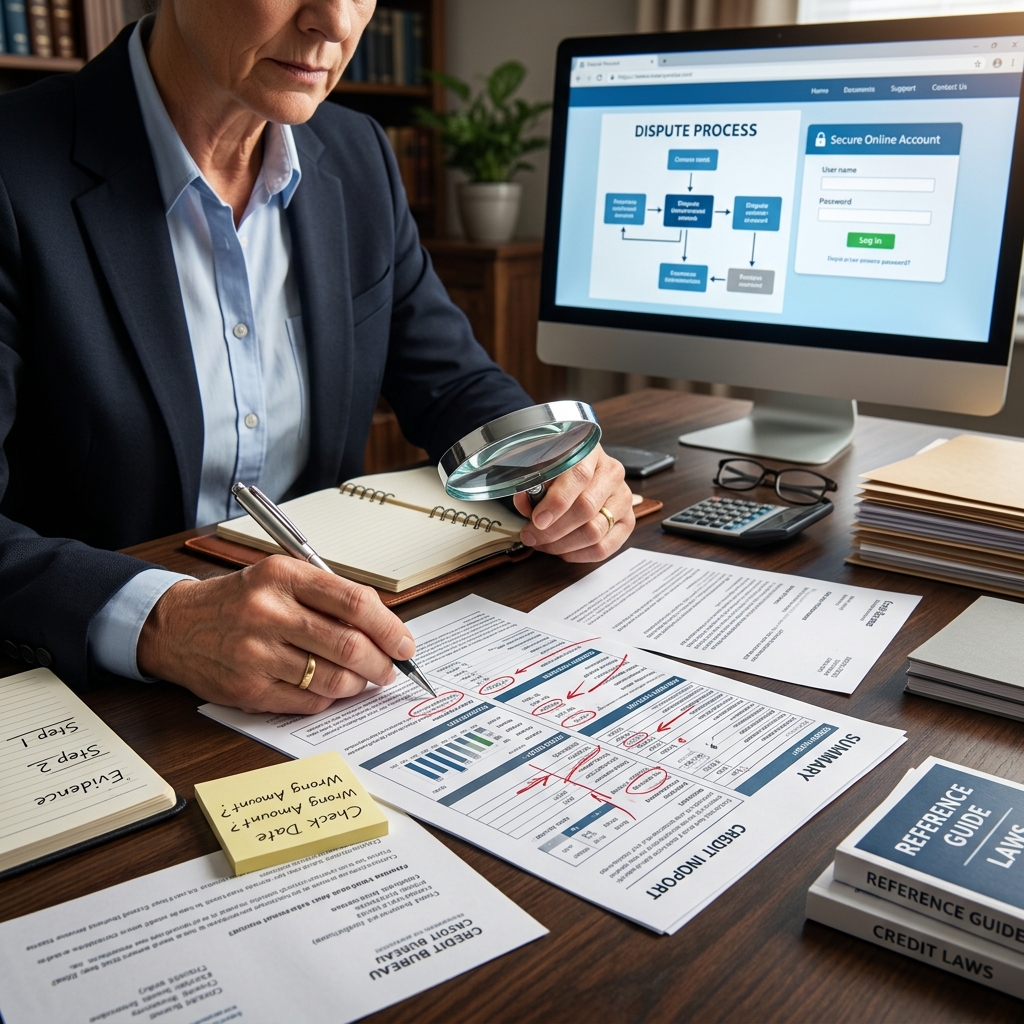
Your credit report influences whether you can get a loan, rent an apartment, or even qualify for some jobs. When that report contains errors, the impact can be serious—but you are not powerless. U.S. federal law gives you specific rights to access, review, and dispute information in your credit files, and requires credit reporting companies and creditors to investigate and correct inaccuracies when properly notified. This article explains those rights in plain language and walks you through how to use them.
Understanding Credit Reports and Who Controls Them
A credit report is a detailed record of your borrowing and repayment history compiled by consumer reporting agencies, often called credit bureaus. The three nationwide bureaus—Equifax, Experian, and TransUnion—collect data from banks, credit card issuers, collection agencies, and other lenders (known as data furnishers). They then provide that information to creditors, insurers, landlords, and other organizations that legally request it.
- Credit reporting agencies (CRAs) maintain your file and issue credit reports to third parties.
- Data furnishers are the businesses that report information to the CRAs (for example, your credit card issuer or auto loan lender).
- Credit scores are numerical summaries of your report, calculated under separate models. While scores are important, most legal dispute rights focus on the underlying report information.
Because mistakes can occur at either the furnisher or bureau level, federal rules allow you to challenge errors with both.
Your Core Legal Rights Under Federal Law
The primary federal statute governing credit reporting is the Fair Credit Reporting Act (FCRA). Together with related consumer protection rules, it grants several important rights when dealing with credit reports.
| Right | What It Means for You |
|---|---|
| Right to access your report | You can obtain a copy of your credit report from nationwide CRAs and review what is being reported about you. |
| Right to dispute inaccuracies | You may dispute incomplete or inaccurate information directly with a credit bureau and, in many situations, with the furnisher that provided the data. |
| Right to a reasonable investigation | Once a valid dispute is received, the CRA must investigate and generally resolve it within about 30 days, or 45 days in specific circumstances. |
| Right to correction or deletion | If information cannot be verified, or is shown to be inaccurate or incomplete, it must be corrected or removed from your report. |
| Right to a dispute statement | You may add a brief statement explaining your dispute to your file, which can be included with future reports. |
| Right to be informed if information is used against you | You must be told when your credit report or score is used to deny credit, insurance, employment, or other significant benefits. |
| Right to seek legal and regulatory remedies | If errors are not properly addressed, you can file complaints with regulators and, in some cases, bring private lawsuits. |
Common Errors You Can Challenge
Not every negative entry on a credit report is an error. But there are many types of inaccuracies and problems that consumers regularly encounter and successfully dispute.
- Identity errors
- Accounts belonging to someone else with a similar name or Social Security number
- Mixed files combining information from different people
- Incorrect personal information (address, date of birth, employment)
- Account information errors
- Payments reported late that were made on time
- Wrong account balances or credit limits
- Accounts listed as open that were closed, or vice versa
- Duplicate reporting of the same debt
- Fraud or identity theft
- Accounts you never opened
- Hard inquiries from companies you did not authorize
- Legal and status errors
- Bankruptcies older than allowed reporting periods
- Collections that remain after being paid or settled
- Incorrect public records, such as judgments that were vacated
If any of these appear on your report, federal law gives you tools to insist on a review and correction.
Step 1: Obtain and Review Your Credit Reports
You cannot dispute what you have not seen. Your first step is to request and carefully review your credit reports from each nationwide CRA. Under federal rules, you are entitled to free annual reports from Equifax, Experian, and TransUnion through a central portal.
- Use the official free report system identified by federal regulators to order copies.
- Check all three reports, not just one—an error may appear on one but not the others.
- Look for unfamiliar accounts, incorrect balances, wrong dates, and inconsistencies between reports.
As you review, highlight or note each item that appears inaccurate, incomplete, or potentially fraudulent. Organize them by creditor name and account number to make the dispute process smoother.
Step 2: Gather Evidence Before You Dispute
Investigations are stronger when backed by documentation. While you can raise a dispute without extensive records, evidence increases the likelihood of a correction.
Useful supporting materials can include:
- Billing statements showing timely payments
- Bank records or canceled checks proving dates and amounts paid
- Letters or emails from creditors acknowledging errors or confirming account status
- Police reports or identity theft complaints, if fraud is involved
- Court documents, bankruptcy discharge orders, or satisfaction of judgment notices
Make copies of all documents. Keep originals in a safe place and send only copies when mailing disputes.
Step 3: Dispute With Credit Reporting Companies
You have the right to dispute errors directly with any credit bureau that reports the problematic information. Bureaus accept disputes online, by mail, and sometimes by phone, but written disputes—especially by mail—create a clearer record of your efforts.
What to Include in a Dispute Letter
When disputing by mail, consumer protection authorities recommend including specific details so the CRA can identify and investigate the right items.
- Your full name, current address, and phone number
- Any report confirmation number shown on your credit file
- A clear list of each item you are contesting
- Account numbers and creditor names for disputed accounts
- Explanation of why each item is wrong or incomplete
- A specific request—such as deletion, correction, or update
- A copy of the relevant page of your credit report with disputed entries marked
- Copies of documents supporting your position
Sending your letter by certified mail with return receipt helps prove when the bureau received your dispute, which is important because the FCRA imposes investigation time limits.
Using Online Dispute Portals
Major bureaus also offer online dispute centers where you can submit challenges and upload documentation.
- Online systems may provide faster acknowledgement and status updates.
- Some portals guide you through selecting dispute reasons and attaching files.
- Keep screenshots or printouts of your submissions for your records.
Whether you choose mail or online, the bureau must forward relevant information you provide to the data furnisher and conduct a reasonable investigation.
Step 4: Dispute Directly With the Data Furnisher
In addition to contacting the bureaus, you can often dispute errors with the creditor or other company that supplied the data. Furnishers have their own duties under the FCRA to investigate disputes they receive and report accurate information.
- Send a written dispute to the address the creditor designates for credit reporting issues.
- Include account details, a description of the error, and supporting documentation.
- Request that the furnisher correct its records and notify all bureaus to which it reports.
Informing furnishers can be especially helpful when the problem clearly arises from their records—for example, if your lender misapplied a payment or failed to update a paid collection.
What Happens During the Investigation
Once a bureau receives your dispute, it must investigate within specific time frames, typically 30 days from receipt, or up to 45 days in certain circumstances, such as if you obtained your report through a free annual request and the bureau needs additional time.
During the investigation:
- The bureau reviews the information you provided and contacts the furnisher.
- The furnisher checks its own records and responds, confirming, updating, or deleting the item.
- The bureau decides whether the information can be verified and whether it must be modified or removed.
At the end of the process, the bureau must give you written results and, if changes are made, a free copy of your updated report.
If the Investigation Fixes the Problem
If the disputed information is found to be inaccurate or cannot be verified, the bureau must correct or delete it. You can then take additional steps:
- Confirm that the update appears on reports from all major bureaus, not just the one you contacted.
- Ask how long it will take for the corrected information to reach lenders that recently requested your report.
- Consider requesting that the bureau send an updated report to any creditor or employer who received a copy while the error was present. Some agencies may charge a fee for this service.
If the Investigation Does Not Resolve the Error
Sometimes bureaus and furnishers do not agree with your dispute, or they verify information that you still believe is wrong. Federal law offers several next steps in this situation.
Add a Dispute Statement to Your File
You may ask the bureau to include a brief statement explaining your side of the story in your credit file. Future reports can show that you dispute a particular account or entry.
- Keep the statement concise and specific to the item and issue.
- Understand that some recipients may still rely on the underlying data but will at least see your explanation.
Submit Additional Documentation and Re-dispute
If you obtain new evidence, you can raise the dispute again and provide the added documentation.
- Highlight what is different from your prior dispute.
- Reference earlier case or confirmation numbers to show history.
File Complaints With Regulators
If you believe that a bureau or furnisher is not following the law, you can complain to regulators such as the Consumer Financial Protection Bureau (CFPB)
- CFPB accepts complaints online, by phone, or by mail and forwards them to the company for response.
- State authorities may have additional consumer protection rules or enforcement tools.
Seek Legal Advice or Consider Litigation
In some cases, consumers may pursue private lawsuits under the FCRA against credit reporting agencies or furnishers that fail to reasonably investigate disputes or continue to report known inaccuracies. Guidelines from legal advocates recommend consulting an attorney experienced in consumer law if repeated disputes do not resolve clear errors.
Best Practices for Effective Credit Report Challenges
While the law provides structure, your approach can significantly affect how smoothly disputes are handled. The following practices improve your chances of success:
- Dispute with all relevant bureaus: If an error appears on more than one report, contact each bureau individually.
- Keep thorough records: Maintain copies of letters, dispute confirmations, and supporting documents in a dedicated folder.
- Use clear, calm language: Focus on facts—what is reported, why it is wrong, and what evidence supports your position.
- Follow up after deadlines: If 30–45 days pass without an answer, contact the bureau to check the status, referencing your prior communications.
- Monitor reports regularly: Periodic checks help catch new errors quickly, especially after major life events like moving, refinancing, or dealing with identity theft.
Frequently Asked Questions (FAQs)
Do I have to pay to file a credit report dispute?
No. Federal law allows you to dispute inaccurate information without paying a fee. Bureaus cannot charge you simply for filing a dispute, though there may be modest fees for optional services, such as asking them to send corrected reports to past recipients.
How long does a credit bureau have to investigate my dispute?
Under the FCRA, a credit reporting agency generally has about 30 days to investigate a dispute, or up to 45 days in specific circumstances, such as when you request your file through the free annual system and the bureau needs more time.
Should I dispute online or by mail?
Both methods are legally recognized. Online systems can be faster and allow you to upload documents directly, while mailed letters (especially sent by certified mail) establish a strong paper trail and let you control the wording of your dispute. Many consumer advocates recommend written disputes by mail when the error is serious or complex.
Can I dispute information directly with my lender or collector?
Yes. Data furnishers, such as lenders and collection agencies, have obligations to investigate disputes they receive and to provide accurate information to bureaus. Sending disputes to both the bureau and the furnisher can be more effective than contacting only one.
What if an item is negative but technically accurate?
Your dispute rights focus on information that is inaccurate, incomplete, or cannot be verified. If an item is negative but factually correct—for example, a legitimately late payment—bureaus are not required to remove it. You may still work directly with creditors on goodwill adjustments or other solutions, but that is separate from FCRA dispute rights.
Will disputing an item hurt my credit score?
The act of disputing does not itself lower your score. However, if an investigation confirms negative information as accurate, that information may continue to affect your score. If the dispute leads to deletion or correction of an error, your score may improve, especially when serious inaccuracies such as wrongful collections are removed.
Key Takeaways for Protecting Your Credit Profile
Credit reports play a central role in financial life, and errors can be costly. Federal consumer protection laws give you the right to:
- Access and review your credit files regularly
- Dispute incomplete or inaccurate information with bureaus and furnishers
- Receive investigations within legally defined time frames
- Demand corrections or deletions when information cannot be verified or is wrong
- Escalate unresolved issues through dispute statements, regulatory complaints, or legal action
By understanding and using these rights, you can actively safeguard your credit history and ensure that the information influencing key financial decisions is as accurate and fair as the law requires.
References
- How do I dispute an error on my credit report? — Consumer Financial Protection Bureau. 2023-05-01. https://www.consumerfinance.gov/ask-cfpb/how-do-i-dispute-an-error-on-my-credit-report-en-314/
- Filing a dispute — AnnualCreditReport.com (authorized by federal law). 2023-04-01. https://www.annualcreditreport.com/filingADispute.action
- Credit Reporting — Office of the Comptroller of the Currency (U.S. Department of the Treasury). 2022-10-01. https://www.occ.gov/topics/consumers-and-communities/consumer-protection/credit-reporting/index-credit-reporting.html
- Your FCRA Rights — LexisNexis Risk Solutions Consumer Disclosure. 2022-09-15. https://consumer.risk.lexisnexis.com/rights
- Disputing Errors in a Credit Report — National Consumer Law Center. 2019-09-01. https://www.nclc.org/wp-content/uploads/2022/09/cf_disputing-errors-in-a-credit-report.pdf
- How to Dispute Credit Report Information — Experian. 2023-06-10. https://www.experian.com/blogs/ask-experian/credit-education/faqs/how-to-dispute-credit-report-information/
- How to Dispute an Error — Consumer Data Industry Association. 2023-03-01. https://www.cdiaonline.org/for-consumers/how-to-dispute-an-error/
Similar Articles








Read full bio of Sneha Tete




