
Know Your Rights During Police Encounters
A practical, plain-language guide to asserting your legal rights and staying safer in encounters with police in the United States.
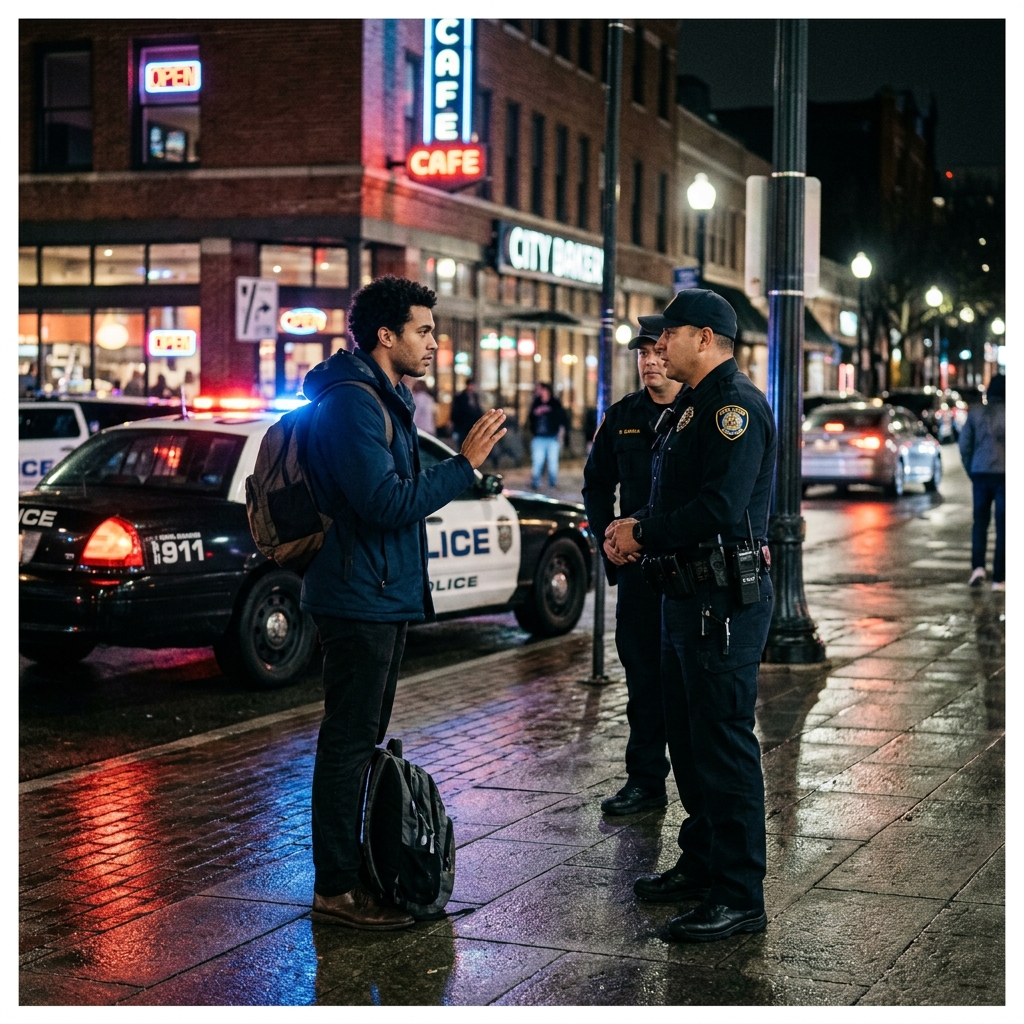
Encounters with police can be stressful and confusing, especially if you are unsure of what the law allows officers to do and what rights you have in return. Understanding these rights ahead of time helps you stay safer, protect yourself legally, and make better decisions in the moment.
This guide explains core rights during police interactions in the United States, offers practical language you can use, and outlines steps to take after an incident to document what happened. It is general information, not legal advice, and laws can vary by state, so consulting a lawyer about your specific situation is always wise.
Core Legal Principles Behind Police Encounters
Most police encounters are governed by the Fourth Amendment (searches and seizures), the Fifth Amendment (right against self-incrimination), and the Sixth Amendment (right to counsel). These constitutional protections shape what officers may do and what you can refuse.
- Fourth Amendment: Protects against unreasonable searches and seizures. Police generally need probable cause, a warrant, or a legally recognized exception (such as a frisk for weapons) to search you or your property.
- Fifth Amendment: Includes the right to remain silent. You are not required to answer questions that could incriminate you.
- Sixth Amendment: Provides the right to an attorney once you are formally charged and during critical stages of prosecution, but in practice you should ask for a lawyer as soon as you are arrested or subjected to custodial questioning.
These rights apply in different ways depending on whether you are simply being questioned, stopped in your car, detained, or under arrest.
Types of Police Encounters and What They Mean
A critical step in protecting your rights is understanding what kind of encounter you are experiencing. The officer may not volunteer this information, but you can ask.
| Type of encounter | What it generally means | Your basic rights |
|---|---|---|
| Consensual contact | Officer is speaking with you, but you are free to leave and not answer questions. | May walk away, decline to answer questions, and refuse consent to searches. |
| Investigatory stop (Terry stop) | Officer detains you briefly based on reasonable suspicion of criminal activity. | Right to remain silent; may be frisked for weapons; ask if you are free to go. |
| Arrest | Officer takes you into custody based on probable cause. | Right to remain silent and to an attorney; you will be searched incident to arrest. |
A useful phrase in almost every situation is: “Am I free to leave?” If the officer says yes, you may calmly walk away. If the officer says no, you are being detained and should act accordingly.
Your Right to Remain Silent
One of the most important protections you have is the right to remain silent. This right exists both before and after you receive any formal Miranda warnings.
- You generally do not have to answer questions about where you are going, what you have been doing, or other details of your life.
- In many states you may be required to provide basic identifying information (such as your name) in specific circumstances, especially while driving, but you can still decline to answer further questions.
- To clearly assert this right, you can say, “I want to remain silent.” or “I am exercising my right to remain silent.”
Once you assert your right to remain silent and ask for a lawyer, questioning should stop. Continuing to talk voluntarily, however, can weaken those protections, so it is best to stay consistent once you invoke them.
Your Rights Regarding Searches
Police often ask, directly or indirectly, for permission to search you, your bag, your vehicle, or your home. You commonly have the right to refuse consent to these searches, even though police may still conduct certain limited searches without consent under the law.[10]
Refusing Consent
In many situations, officers will say something like, “Do you mind if I look in your bag?” or “Can I search your car?” Unless they already have a legal basis to search, your consent makes the search lawful.
- You may say, calmly and clearly, “I do not consent to any search.”
- Refusing consent does not guarantee that a search will not occur, but it preserves your legal rights if you later challenge the search in court.
- Even if officers pat you down for weapons, you may still say you do not agree to a broader search of your pockets, bag, or vehicle.
Common Search Situations
- Pat-downs for weapons: If officers reasonably suspect you are armed and dangerous, they may frisk your outer clothing for weapons. This limited search does not require your consent, but you can still verbally note that you do not consent to any additional search.
- Vehicle searches: Officers often request consent to search a car during a traffic stop. You generally have the right to refuse, although exceptions exist, such as probable cause or searches incident to arrest.
- Home searches: Police need a warrant, valid consent, or a recognized emergency to enter and search your home. If officers say they have a warrant, you can ask to see it before letting them in.
Because search law is complex and highly dependent on specific facts, asserting your rights politely and then speaking with a lawyer afterward is usually the best approach.
Traffic Stops: What To Do in Your Vehicle
Traffic stops are one of the most common ways people encounter law enforcement. Staying calm and following clear steps can reduce risk and help you protect your rights.
- Pull over safely and promptly. Use your signal, choose a well-lit area if possible, and stop as far out of traffic as you reasonably can.
- Turn off the engine, lower your window, and keep your hands visible, ideally on the steering wheel.
- Gather documents only after the officer requests them, and explain your movements: “I’m going to reach into the glove compartment for my registration now.”
- Provide required documents such as your driver’s license, registration, and proof of insurance when asked.
- Remain polite and avoid arguing, even if you believe the stop is unjustified. You can challenge it later through legal channels rather than on the roadside.
If you receive a ticket, signing it is usually not an admission of guilt but a promise to appear or respond. Refusing to sign can itself lead to arrest in some jurisdictions.
When You Are Stopped on Foot
Being stopped while walking or in public spaces can be confusing, but many of the same principles apply.
- Ask, “Am I free to go?” If the officer says yes, you may calmly walk away.
- If the officer says no, you are being detained. You can then ask, “Can you tell me why you are stopping me?”
- Keep your hands where the officer can see them and avoid sudden movements.
- Do not run, push, or physically resist, even if you feel the stop is unlawful. Resistance can lead to additional charges and physical risk.
- Assert your right to remain silent if you do not wish to answer questions beyond basic identification where required by law.
If You Are Arrested
An arrest means you are not free to leave and will likely be taken to a police station or jail. Your actions immediately after arrest can strongly affect your legal situation.
- Ask clearly for a lawyer: “I want to talk to a lawyer.”
- Reassert your right to remain silent and do not give explanations, stories, or excuses about what happened.
- Do not sign documents or make decisions without speaking to an attorney, especially written statements or waivers.
- Use any phone calls you are given to contact a lawyer, trusted family member, or another person who can help you arrange legal representation and bail.
Even if you believe you are innocent or the arrest is a mistake, it is usually safer to argue your case later in court instead of during the arrest. Anything you say or do at the time can be used against you in legal proceedings.
Safety Tips During Police Encounters
Protecting your rights is important, but so is staying physically safe. How you communicate and behave can influence how the encounter unfolds.
- Speak calmly and clearly. Avoid yelling, insulting, or escalating the tone of the conversation.
- Keep your hands visible at all times and avoid reaching into pockets, bags, or the console without explaining your actions.
- Do not threaten, attempt to flee, or physically resist, even if you believe the officers are violating your rights.
- Think carefully about your body language and facial expressions; frustration is understandable, but visible aggression can increase danger.
- If you choose to record the encounter, do so from a safe distance and without interfering with police activity. In many places you have the right to record officers in public, but laws can vary.
Documenting and Challenging Rights Violations
If you believe your rights were violated, it is generally best to focus on safety during the encounter and pursue remedies afterward.
Immediately After the Incident
- Write down everything you remember as soon as you can, including:
- Time, date, and location of the encounter
- Names, badge numbers, and patrol car numbers of officers, if you saw them
- What was said by everyone involved
- Actions taken (searches, use of force, confiscation of property, arrests)
- Names and contact information of witnesses, if any
- If you are injured, seek medical attention as soon as possible and document your injuries with photographs over time.
Filing Complaints and Seeking Legal Help
- File a written complaint with the internal affairs division or civilian oversight body associated with the law enforcement agency involved.
- Contact civil rights organizations or legal aid groups that address police misconduct to ask about potential next steps.
- Speak with a qualified attorney about whether your rights were violated and what legal options are available, such as suppression of evidence or civil litigation.
It is generally not helpful—and sometimes harmful—to argue with officers on the scene or to announce you will file a complaint. Instead, calmly document events and follow up later through official channels.
Frequently Asked Questions
Do I always have to identify myself to police?
Laws about identifying yourself differ by state. While driving, most jurisdictions require you to provide a driver’s license and certain documents when lawfully stopped. As a pedestrian, some states have stop and identify laws that may require you to give your name in specific circumstances, while others do not. Because these rules vary, it is wise to learn the law in your state and consult a lawyer if you are unsure.
Can police search my car without my consent?
Officers often ask for consent, and you generally have the right to refuse. However, police may still search a vehicle without consent in certain situations, such as when they have probable cause to believe it contains evidence of a crime or when they are conducting a search incident to a lawful arrest. Refusing consent does not necessarily stop the search, but it can be important if you later challenge it in court.
What should I say if I do not want to answer questions?
To clearly assert your rights, you can say something like, “I want to remain silent.” and “I want to talk to a lawyer.” After that, avoid further conversation with officers about the incident, even if they continue asking questions.
Is it legal to record the police?
In many parts of the United States, you have a right to record police officers who are performing their duties in public, as long as you do not interfere with their work. You should keep a safe distance, avoid obstructing officers, and comply with lawful orders that relate to safety or crime scene management. Because recording laws can differ by state, it is helpful to review local rules.
What if police come to my home?
If officers knock on your door and do not have a warrant, you generally do not have to let them in or answer questions. You can speak with them through the door, ask why they are there, and decline consent to enter. If they say they have a warrant, you may ask to see it; if it is valid, they may enter even without your consent.
Practical Phrases You Can Use
Memorizing a few short statements can make it easier to assert your rights under stress. Examples include:
- To clarify your status: “Am I free to go?”
- To remain silent: “I want to remain silent.”
- To refuse a search: “I do not consent to any search.”
- To request a lawyer: “I want to talk to a lawyer.”
Using calm, clear language and repeating these phrases when necessary helps ensure that your rights are on the record if questions later arise about what happened.
References
- What Are My Rights When Stopped by the Police? — Super Lawyers. 2021-06-15. https://www.superlawyers.com/resources/civil-rights/what-are-my-rights-when-stopped-by-the-police/
- Stopped by Police — American Civil Liberties Union. n.d. https://www.aclu.org/know-your-rights/stopped-by-police
- Know Your Rights: Police Interactions — ACLU of Northern California. 2023-03-01. https://www.aclunorcal.org/know-your-rights/police-interactions/
- When Stopped by an Officer — ACLU of Southern California. 2022-09-10. https://www.aclusocal.org/know-your-rights/when-stopped-officer/
- Your Rights with Law Enforcement — ACLU of Idaho. 2020-08-20. https://www.acluidaho.org/know-your-rights/your-rights-law-enforcement/
- Know Your Rights: If Stopped by Police — ACLU of Virginia. 2017-08-14. https://www.acluva.org/app/uploads/2017/07/140814-KYR-if-stopped-by-police.pdf
- Know Your Rights: ID to Police — ACLU of Massachusetts. 2023-03-23. https://www.aclum.org/app/uploads/2023/03/id_to_police_-_draft_know_your_rights_-_updated_march_23.pdf
Similar Articles








Read full bio of Sneha Tete




