
Key Signs Your Car May Qualify Under California Lemon Law
Learn how to spot serious vehicle defects, track repairs, and recognize when California’s Lemon Law may entitle you to a refund or replacement.
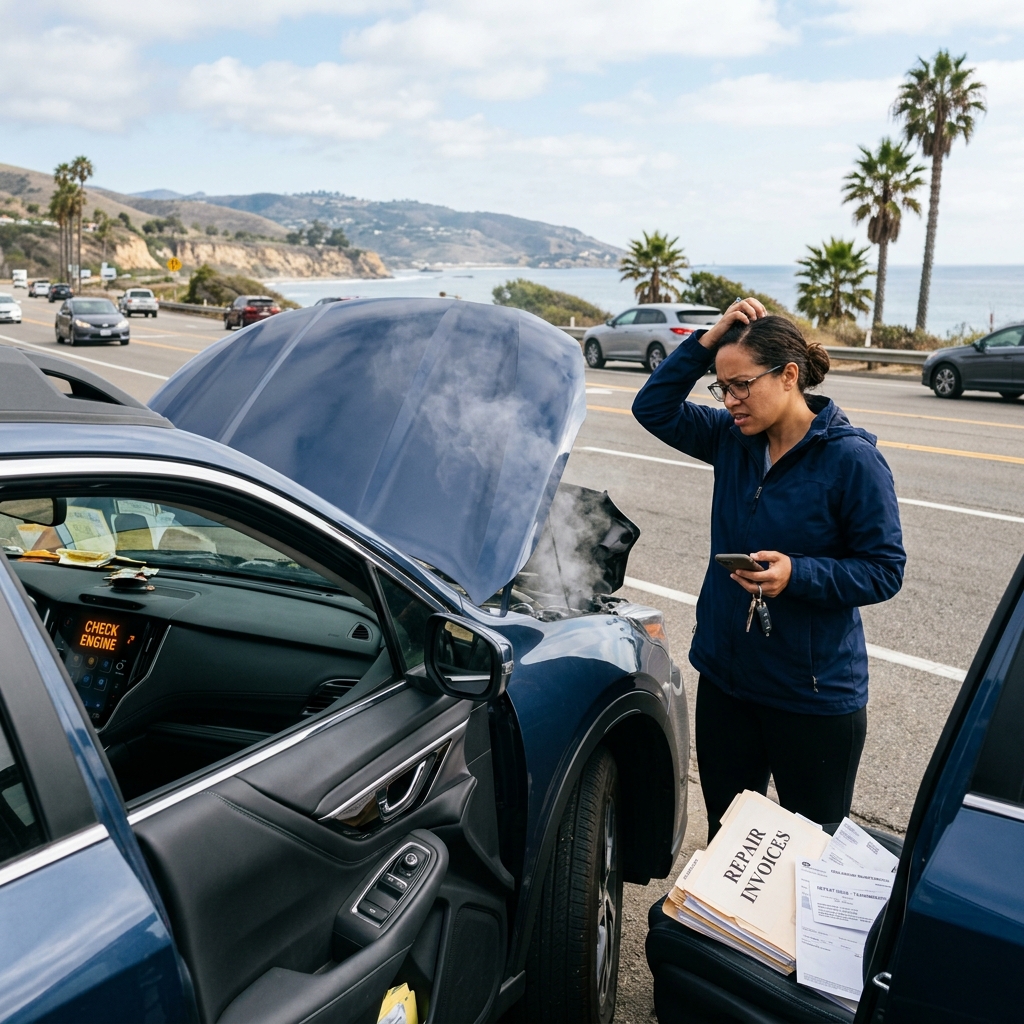
Buying or leasing a vehicle in California comes with important legal protections, especially when serious defects keep your car in the repair shop instead of on the road. Understanding the clues that your vehicle might be covered by California’s Lemon Law can help you act quickly, preserve your rights, and potentially secure a refund or replacement if the manufacturer cannot fix the problem.
This guide explains how California’s Lemon Law works, highlights practical signs that your car may qualify, and outlines the steps you can take if repeated defects are disrupting your daily life.
Overview of California Lemon Law Protection
California’s Lemon Law is primarily found in the Song-Beverly Consumer Warranty Act, supplemented by the Tanner Consumer Protection Actrepurchase or replace certain defective vehicles when they cannot repair covered problems after a reasonable number of attempts.
In simple terms, if your car has a substantial defect that is covered by the manufacturer’s warranty and the defect is not fixed after multiple repair attempts or extended time in the shop, you may be entitled to legal remedies.
Which Vehicles Are Generally Covered?
Although the exact coverage depends on the warranty and circumstances, California’s Lemon Law typically applies to:
- New vehicles purchased or leased for personal, family, or household use, as long as they are under the manufacturer’s written warranty.
- Certain used or certified pre-owned vehicles that still carry the original manufacturer’s warranty or a dealer warranty.
- Vehicles under 10,000 pounds gross vehicle weight in most standard consumer situations.
The law focuses on warranty-covered defects, not normal wear and tear or problems created by misuse.
Core Criteria That Suggest Your Car May Be a Lemon
California does not label every problematic car a “lemon.” Instead, the law uses specific criteria to determine whether a vehicle qualifies for repurchase or replacement. Several key elements must generally be present:
| Factor | What It Means |
|---|---|
| Substantial defect | Problem must significantly affect the vehicle’s use, value, or safety. |
| Warranty coverage | Defect must arise during the manufacturer’s written warranty period. |
| Reasonable repair attempts | Manufacturer or dealer has multiple chances to fix the defect but fails. |
| No misuse | Problem cannot be caused by abuse, neglect, or unauthorized modifications. |
When these elements appear together, you may be dealing with more than just a minor annoyance—you may have a lemon.
Warning Sign 1: Repeated Repairs for the Same Problem
One of the clearest signs your vehicle might qualify as a lemon is repeated attempts to fix the same defect without success. California law includes a “Lemon Law Presumption” that helps judges and arbitrators decide when enough is enough.
What Counts as a “Reasonable” Number of Attempts?
State guidance provides a helpful framework for what may be considered reasonable within the first 18 months after delivery or the first 18,000 miles, whichever comes first:
- Four or more repair attempts for the same defect that reduces the use, value, or safety of the vehicle.
- Two or more repair attempts for a defect that could cause death or serious bodily injury.
- 30 or more cumulative days out of service for warranty-covered repairs, even if the days are not consecutive.
If your repair history fits one or more of these patterns, the law may presume that the manufacturer has had a reasonable number of chances to fix the defect.
Practical Clues to Watch For
Consider these everyday situations as potential red flags:
- You keep returning to the dealer for the same dashboard warning (for example, a persistent airbag or brake system warning) and technicians cannot permanently resolve it.
- The car repeatedly stalls, refuses to start, or loses power, and the dealer replaces parts but the issue comes back.
- Repair orders show multiple visits for identical complaints—such as transmission slipping or severe vibration—over many months.
Although one or two repair visits are common with modern vehicles, a pattern of unsuccessful attempts is a strong clue that your car may be a candidate for lemon law relief.
Warning Sign 2: Extended Time in the Repair Shop
Another major indicator is how long your car spends out of service for warranty repairs. Even if the dealer is working on different issues, excessive downtime can trigger protections.
30-Day Benchmark for Out-of-Service Time
Under California’s Lemon Law, there is a presumption that the vehicle may be a lemon if it has been in the repair facility for more than 30 cumulative days for warranty-covered problems within the first 18 months or 18,000 miles.
Important aspects of this rule include:
- The 30 days do not need to be consecutive; multiple shorter visits can add up.
- The days must be related to issues covered by the written warranty, not elective maintenance or cosmetic upgrades.
- Long wait times for parts, repeated test drives, or extended diagnoses still count as days out of service.
If your vehicle calendar looks more like a service bay schedule than a driving log, that is a significant clue you should explore lemon law options.
Warning Sign 3: Defects That Threaten Safety
Safety-related defects receive heightened attention under California’s framework. When a problem has the potential to cause serious bodily injury or death, fewer repair attempts may be enough to qualify for relief.
Examples of Safety-Related Defects
Common safety issues that may support a lemon law claim include:
- Brake failures or severe braking inconsistencies.
- Airbag malfunctions, including warning lights that persist despite repair attempts.
- Steering problems, such as loss of power steering or difficulty controlling the vehicle.
- Electrical defects that disable essential systems like headlights, wipers, or instrument clusters.
- Engine or transmission issues that lead to sudden stalling or loss of acceleration.
If the dealer has tried to fix a serious safety problem two or more times within the qualifying period and the defect remains, the Lemon Law presumption may apply.
Warning Sign 4: Major Impact on Use or Value
Not every defect is life-threatening, but a problem can still be “substantial” if it significantly affects how you use or value the car. California’s Lemon Law focuses on defects that materially reduce the vehicle’s usefulness or market worth.
Use-Related Impairment
A defect may impair use if it consistently interferes with ordinary driving. For example:
- Persistent transmission shudder that makes highway driving uncomfortable and unpredictable.
- Climate control failures in extremely hot or cold environments, making the car impractical for daily commuting.
- Door lock or window malfunctions that prevent routine use or secure storage.
Value-Related Impairment
A defect may impair value when it significantly reduces resale or trade-in value. Clues include:
- Repeated major repairs documented on the vehicle history report, discouraging potential buyers.
- Ongoing mechanical issues that would require substantial future expenses to fix.
- Visible or audible symptoms (e.g., constant warning chimes, vibrations, smoke) that make the car unattractive in the marketplace.
The more the defect interferes with normal, safe, and reliable use of the vehicle, the stronger the argument that your car may be covered by lemon law protections.
Situations That Typically Do Not Qualify
It is important to distinguish between problems that may be protected by Lemon Law and those that likely are not. Generally, the law does not cover:
- Issues caused by unauthorized modifications, racing, overloading, or other misuse.
- Neglect, such as failing to perform basic maintenance or ignoring warning lights.
- Cosmetic concerns that do not affect use, value, or safety (minor paint flaws, small scratches, or typical wear).
- Problems arising after the warranty period has expired, unless another legal theory applies.
If the defect is minor, occasional, or clearly linked to owner misuse, it is less likely to support a successful lemon law claim.
Steps to Take if You Suspect Your Vehicle Is a Lemon
If the warning signs above sound familiar, taking organized, timely steps can greatly improve your position. State agencies and consumer advocates consistently emphasize documentation and communication.
1. Carefully Document Every Repair Attempt
Thorough records are essential when evaluating or pursuing a lemon law claim. You should:
- Save all repair orders, invoices, and receipts from the dealer or authorized repair facility.
- Note the date, mileage, and specific complaint for each visit.
- Keep copies of diagnostic reports and technician comments if available.
- Store written communications (emails, letters, text messages) with the dealer and manufacturer.
These documents help show how often you sought repairs, what was done, and how long the vehicle was unavailable.
2. Allow Reasonable Opportunities to Repair
California’s Lemon Law expects owners to give manufacturers a fair chance to fix defects. You should bring the car to an authorized dealer promptly when problems arise and follow the instructions in the warranty and owner’s manual.
If the defect persists after several visits that match the thresholds described earlier (two safety-related attempts, four non-safety attempts, or 30 days out of service), you may be approaching a point where lemon law remedies become available.
3. Review Your Warranty and Owner’s Manual
The manufacturer’s written warranty explains what is covered, for how long, and what steps you may need to take to request further assistance. Carefully reading these documents can help you confirm whether:
- The defect arose during the warranty period.
- You complied with maintenance and reporting requirements.
- There are specific procedures for notifying the manufacturer about unresolved problems.
4. Provide Written Notice to the Manufacturer
State guidance often recommends notifying the manufacturer in writing if a serious defect remains after multiple repair attempts. Written notice can include:
- A letter or email describing the defect, repair history, and why you believe the issue remains unresolved.
- Copies of relevant repair orders and warranty information.
- A clear request for repair, replacement, or repurchase under the Lemon Law.
Having written proof that you alerted the manufacturer can be important if your case proceeds to arbitration or court.
5. Consider Speaking With a Qualified Professional
If you are unsure whether your situation qualifies or want help asserting your rights, you may benefit from consulting:
- A consumer law attorney experienced in California Lemon Law cases.
- Local consumer protection offices or legal aid organizations.
- Manufacturer-sponsored or independent arbitration programs, if offered.
Professional guidance can clarify your options and help you evaluate whether a buyback or replacement is realistic under the facts of your case.
Potential Remedies if Your Vehicle Is a Lemon
If your vehicle meets the legal criteria and the manufacturer cannot fix the defect, California’s Lemon Law may require the manufacturer to repurchase or replace the vehicle.
Depending on the circumstances, remedies can include:
- A refund of the purchase price or lease payments, with certain lawful deductions for mileage and use.
- A replacement vehicle of comparable value, configuration, and features.
- Reimbursement of incidental expenses related to the defect, such as towing or rental car costs, if applicable.
Under California law, when the vehicle qualifies as a lemon, consumers generally have the right to choose a refund instead of a replacement vehicle.
Frequently Asked Questions About California Lemon Law Clues
Does my car have to be brand new to qualify as a lemon?
No. While California’s Lemon Law is most commonly associated with new vehicles, certain used or certified pre-owned cars can also qualify if the defect appears during a valid manufacturer or dealer warranty period and the other criteria are met.
What if the dealer says the problem is normal or cannot be duplicated?
If a defect materially affects use, value, or safety but the dealer dismisses it as normal or cannot replicate it, you should document each visit and complaint. Continued symptoms, failed diagnoses, or “no fault found” notes can still support a lemon law claim if the problem persists and meets the legal thresholds.
Do minor annoyances qualify under Lemon Law?
Typically, no. The law focuses on substantial defects that significantly impair use, value, or safety. Minor cosmetic issues, intermittent noises, or trivial inconveniences are unlikely to qualify unless they are part of a larger pattern of serious mechanical problems.
Is arbitration required before I can sue?
Some manufacturers offer or require participation in informal dispute-resolution or arbitration programs described in the warranty. Participation requirements vary, and you should review your warranty and, if needed, seek professional advice to understand whether arbitration is mandatory in your case.
Can I keep driving the car while pursuing a lemon law claim?
In many situations, owners continue using the vehicle while the dispute is ongoing; however, safety should be the priority. If the defect creates a serious risk of injury or death, it may be unsafe to drive the car, and you should consult repair professionals or legal advisors for guidance.
References
- California Lemon Law — BBB National Programs. 2023-05-01. https://bbbprograms.org/programs/dr/lemon-law/california
- Buying and Maintaining a Car — California Department of Justice, Office of the Attorney General. 2023-04-10. https://oag.ca.gov/consumers/general/cars
- The Lemon Law — Los Angeles County Department of Consumer and Business Affairs. 2022-09-15. https://dcba.lacounty.gov/portfolio/the-lemon-law/
- What Qualifies as a Lemon in California? — Barnes Law Firm. 2023-07-20. https://www.lemonlaw4california.com/lemon-law/what-qualifies-as-a-lemon-/
- California Lemon Law Explained — Banker’s Hill Law Firm, A.P.C. 2023-06-05. https://bhlflaw.com/blog/what-is-lemon-law/
- Common Vehicle Defects Covered by Lemon Law — Attain Law Corp. 2023-02-18. https://attainlaw.com/california/vehicle-defects/common-vehicle-defects-covered-by-lemon-law
- 7 Vehicle Defects Covered Under California Lemon Law — Los Angeles Magazine. 2022-11-30. https://lamag.com/contributor-content/7-vehicle-defects-covered-under-california-lemon-law/
Similar Articles








Read full bio of medha deb


