Thoughtful planning is one of the most powerful ways to protect the people and assets you care about most. When illness, incapacity or death occurs, clear legal documents are what turn your wishes into enforceable instructions. Without them, family members may face delays, conflict and unnecessary expense in trying to manage your affairs.
This guide explains the most important legal documents that help safeguard your family, business interests and property. It is designed for individuals, couples and business owners who want a practical roadmap to putting basic protections in place.
Why Legal Documents Matter for Everyday Families and Owners
Estate planning and business planning are not only for the wealthy or for large corporations. According to major financial institutions, a complete estate plan typically includes a will, some form of trust, an advance healthcare directive, and at least one power of attorney, regardless of asset size. These documents help to:
- Ensure assets pass to the people or charities you choose.
- Empower someone you trust to make financial and medical decisions if you cannot.
- Provide guidance to doctors and family during a medical crisis.
- Support the continuity of a family business after retirement, disability or death.
- Reduce the likelihood of family disputes and court intervention.
In short, planning today can prevent confusion tomorrow.
Core Personal Estate Planning Documents
The foundation of protecting your family and property is a small group of personal documents that nearly every adult should consider. Legal professionals often highlight the following as essential: a will, one or more powers of attorney, and a healthcare directive or living will.
Last Will and Testament
A will is the central document in most estate plans. It explains what happens to your assets when you die and appoints the person responsible for carrying out those instructions.
Common features of a well-drafted will include:
- Asset distribution — Who should receive your home, savings, investments and personal belongings.
- Executor appointment — The individual or institution you trust to settle your estate and work with the court.
- Guardianship of minor children — Who should raise your children if both parents die.
- Charitable gifts — Any organizations you want to support at your death.
Without a will, state law determines who inherits your property, which may not match your wishes.
Revocable Living Trust
A revocable living trust is a flexible document you create during your lifetime to hold and manage assets. It can help avoid or streamline the court process often required at death and can provide continuity if you become incapacitated.
Key benefits include:
- The ability to change or revoke the trust while you are still capable.
- Potential to reduce delays in transferring assets after death.
- Centralized management of property by a trustee you select.
- Built-in instructions for what happens if you can no longer manage your own affairs.
Trusts are often used alongside a will: the will may direct any remaining assets into the trust at death, while the trust owns and controls significant property during life.
Durable Financial Power of Attorney
A durable power of attorney for finances authorizes a trusted person, often called your agent, to handle money and legal matters on your behalf if you become unable to do so.
This document can allow your agent to:
- Pay bills and manage bank accounts.
- Handle tax filings and financial transactions.
- Manage real estate and investment accounts.
- Sign contracts and legal documents when you cannot.
Because this authority can be broad, it is important to choose an agent who is trustworthy and capable. Without this document, family members may need to seek court appointment to manage your finances.
Healthcare Power of Attorney (Healthcare Proxy)
A healthcare power of attorney
It can cover decisions such as:
- Consent to or refusal of medical procedures.
- Choice of hospitals, doctors and care facilities.
- End-of-life care options, in coordination with your written wishes.
Having a designated healthcare decision-maker ensures that someone you trust, rather than a court or distant relative, can work directly with clinicians during difficult moments.
Advance Healthcare Directive and Living Will
An advance healthcare directiveliving will is a written statement of your preferences for medical treatment in situations where you cannot express them yourself, especially at the end of life.
These documents often address:
- Use of life-sustaining treatments, such as ventilators or feeding tubes.
- Pain management and comfort-focused care.
- Organ and tissue donation if permitted by local law.
By documenting your wishes in advance, you reduce uncertainty and stress for loved ones and give guidance to your healthcare proxy and medical team.
Documents That Protect Your Property and Beneficiaries
Beyond wills and powers of attorney, several other tools play a key role in determining how specific assets are passed on and who benefits from them.
Beneficiary Designations
Many financial accounts and insurance policies allow you to name beneficiaries who will receive funds directly at your death. These designations often override instructions in a will, so keeping them up to date is crucial.
Common items with beneficiary designations include:
- Retirement accounts (such as employer plans or individual retirement accounts).
- Life insurance policies.
- Some investment or bank accounts.
Regularly reviewing these forms helps ensure that money goes to the people or charities you intend.
Property Titles and Deeds
Legal ownership of real estate and certain personal property is proven through titles and deeds. Clear records support transfers during life and at death and may influence whether property passes through a court estate process or directly to co-owners.
Owners should keep:
- Recorded deeds for homes and land.
- Titles for vehicles and other major assets.
- Documentation for business interests that own property.
Storing these documents with your other estate planning materials helps executors and trustees efficiently manage and distribute assets.
Protecting a Family Business: Governance and Succession Documents
For families who own businesses, personal estate planning must be coordinated with documents that apply to the company. Legal and financial experts emphasize the importance of organizational and succession documents designed specifically for closely held or family-run enterprises.
Organizational Agreements (Shareholder, Partnership or Operating Agreements)
Depending on the structure of your business, you may need a shareholder agreement, partnership agreement or operating agreement. These documents govern decision-making and ownership transitions within the company.
Typical provisions address:
- How important decisions are made and who has authority.
- Rules for transferring ownership within or outside the family.
- Procedures if an owner dies, becomes disabled or wants to exit.
- Methods for valuing the business in buyout situations.
For family businesses, these agreements help balance family relationships with business realities, which can support long-term stability.
Written Succession Plan
A succession plan describes how leadership and ownership should change when current leaders retire, become incapacitated or die. Attorneys who focus on family businesses strongly recommend these plans to maintain continuity and protect both owners and employees.
Key elements often include:
- Identification of future leaders and timelines for transition.
- Training and development steps for the next generation.
- Financial strategies for retirement or buyout of current owners.
- Coordination with personal estate plans to ensure consistent transfer of shares.
Early succession planning allows families to prepare over time rather than rushing decisions during a crisis.
Family Employment Policies
Many advisors recommend a written family employment policy that sets expectations for relatives working in the business and establishes fair treatment for non-family employees.
Such a policy may address:
- Criteria for hiring family members, such as education or outside experience.
- Compensation and promotion standards applied consistently to all staff.
- Resolving workplace conflicts that involve relatives.
Having these rules in writing can reduce misunderstandings and help preserve professionalism in a family-run company.
Corporate Governance and Formalities Checklist
A corporate governance checklist helps owners ensure that their business follows required legal formalities and best practices. Treating a family business like any other company can reduce risk and support compliance with regulations.
Governance practices may include:
- Regular board or member meetings documented with minutes.
- Clear record-keeping for major decisions and transactions.
- Policies regarding conflicts of interest.
- Periodic review of bylaws, operating agreements and succession plans.
Operating with proper formalities helps protect owners from personal liability and supports the long-term health of the business.
Supporting Documents and Information to Keep With Your Plan
In addition to formal legal documents, it is helpful to maintain a centralized set of information that allows family members and professionals to act quickly if needed. Financial institutions and nonprofit organizations that focus on estate planning often recommend keeping a comprehensive list of assets and key contacts with your core documents.
Asset and Account Inventory
An asset inventory is a detailed list of your financial accounts and valuable property, including how to locate or access them. This may include bank accounts, investments, retirement plans, loans, insurance policies and tax returns.
Benefits of creating and updating an inventory include:
- Helping your executor, trustee or agent quickly understand your financial landscape.
- Reducing the risk that assets are overlooked or unclaimed.
- Providing a convenient snapshot of your holdings for planning purposes.
Personal and Identity Records
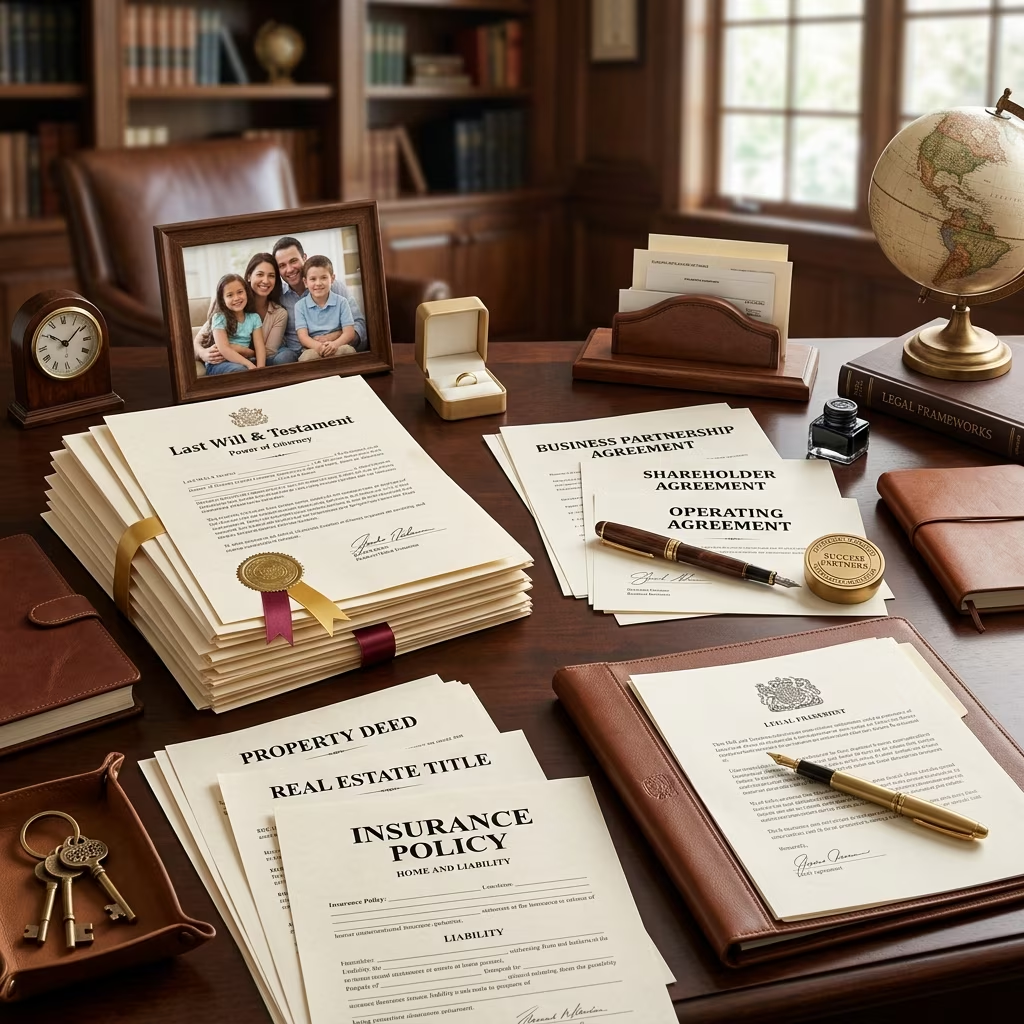
Gathering key identity documents in one place can greatly assist your executor or family members. Recommended items include birth and marriage certificates, Social Security information, divorce decrees, and any military discharge papers.
Organizing these records alongside your estate planning documents simplifies administrative tasks during what is often a stressful period.
Comparing Key Legal Documents at a Glance
| Document | Main Purpose | Effective When | Who It Protects |
|---|---|---|---|
| Will | Directs distribution of assets and names executor and guardians. | After death | Family, beneficiaries and minor children. |
| Revocable Trust | Manages assets during life and after death, often avoiding probate. | During life and after death | Property owners, heirs and trustees. |
| Financial Power of Attorney | Authorizes an agent to handle financial and legal matters if incapacitated. | During life, upon incapacity | The individual and their dependents. |
| Healthcare Power of Attorney | Names a person to make medical decisions when you cannot. | During life, upon incapacity | The individual and healthcare team. |
| Living Will / Advance Directive | Expresses end-of-life treatment preferences. | During life, when unable to communicate | Family, healthcare proxy and clinicians. |
| Shareholder / Operating Agreement | Sets rules for ownership, management and transfers in a business. | During life of the business | Owners, employees and the business itself. |
| Succession Plan | Guides leadership and ownership transitions in a family business. | At retirement, incapacity or death of leaders | Owners, successors and staff. |
Frequently Asked Questions
Do I need these documents if I don't have many assets?
Yes. Professionals emphasize that wills, powers of attorney and healthcare directives are important for everyone, not just those with substantial wealth. These documents manage decision-making and care, not just money.
How often should I update my estate planning documents?
It is wise to review your documents after major life changes such as marriage, divorce, birth of a child, starting a business or significant changes in your financial situation. Periodic updates ensure your plan still reflects your current wishes and circumstances.
What happens if I don't have a power of attorney?
Without a financial or healthcare power of attorney, loved ones may need to ask a court to appoint someone to act on your behalf. This process can take time and may result in a decision-maker you would not have chosen yourself.
Is a trust always necessary?
A trust is not required in every situation, but it can be very useful for people who own real estate in more than one state, have complex family circumstances, or want to provide ongoing management for beneficiaries. Many estate plans still rely on a will as the primary document, with trusts added as needed.
Why should my business documents match my estate plan?
If you own part or all of a business, your personal estate plan should coordinate with shareholder or operating agreements and any succession plan. This alignment ensures that the transfer of your business interests follows both your wishes and the rules of the company, minimizing conflict among heirs and co-owners.
Practical Steps to Get Started
- List your priorities — Protecting children, planning for healthcare decisions, preserving a business or supporting charities.
- Gather key information — Asset inventory, identity records and existing business agreements.
- Consult appropriate professionals — Estate planning attorneys, financial advisors and, if needed, business counsel.
- Store documents safely — Use secure physical and electronic storage and inform trusted individuals where to find them.
- Schedule regular reviews — Revisit your plan over time as your life and goals evolve.
By taking these steps, you build a framework of legal documents that works together to protect your family, business and property through both expected transitions and unforeseen events.
References
- Secure your legacy with these 4 essential estate documents — Comerica Bank. 2023-05-01. https://www.comerica.com/insights/wealth-management/wealth-preservation/estate-planning-documents.html
- Five Legal Documents Every Adult Should Have — Deppman Law. 2022-04-15. https://www.middlaw.com/five-legal-documents-every-adult-should-have
- Protect Your Future: The 3 Essential Documents Everyone Needs — Harford Financial Group. 2023-03-10. https://www.harfordfinancialgroup.com/blog/protect-your-future-the-3-essential-documents-everyone-needs-for-peace-of
- Estate Planning 101: 10 Documents to Leave a Lasting Legacy — Valley of the Sun United Way. 2021-09-01. https://vsuw.org/blog/estate-planning-101-10-documents-to-leave-a-lasting-legacy/
- What common legal documents should a family business have in place — MacDonald Illig Attorneys. 2019-07-20. https://www.macdonaldillig.com/resources/frequently-asked-questions/faq-item/what-common-legal-documents-should-a-family-business-have-in-place
- Five Legal Documents Every Family Business Should Have (and Use) — Davis Wright Tremaine LLP. 2015-08-26. https://www.dwt.com/blogs/family-business-resource-center/2015/08/five-legal-documents-every-family-business-should
- Getting Your Affairs in Order: Essential Legal Documents — American College of Trust and Estate Counsel (ACTEC). 2020-11-12. https://www.actec.org/resource-center/video/getting-your-affairs-in-order-essential-legal-documents/