
Key Legal Answers About Domestic Violence in the U.S.
A plain-language guide to domestic violence laws, victim protections, and common legal questions in the United States.
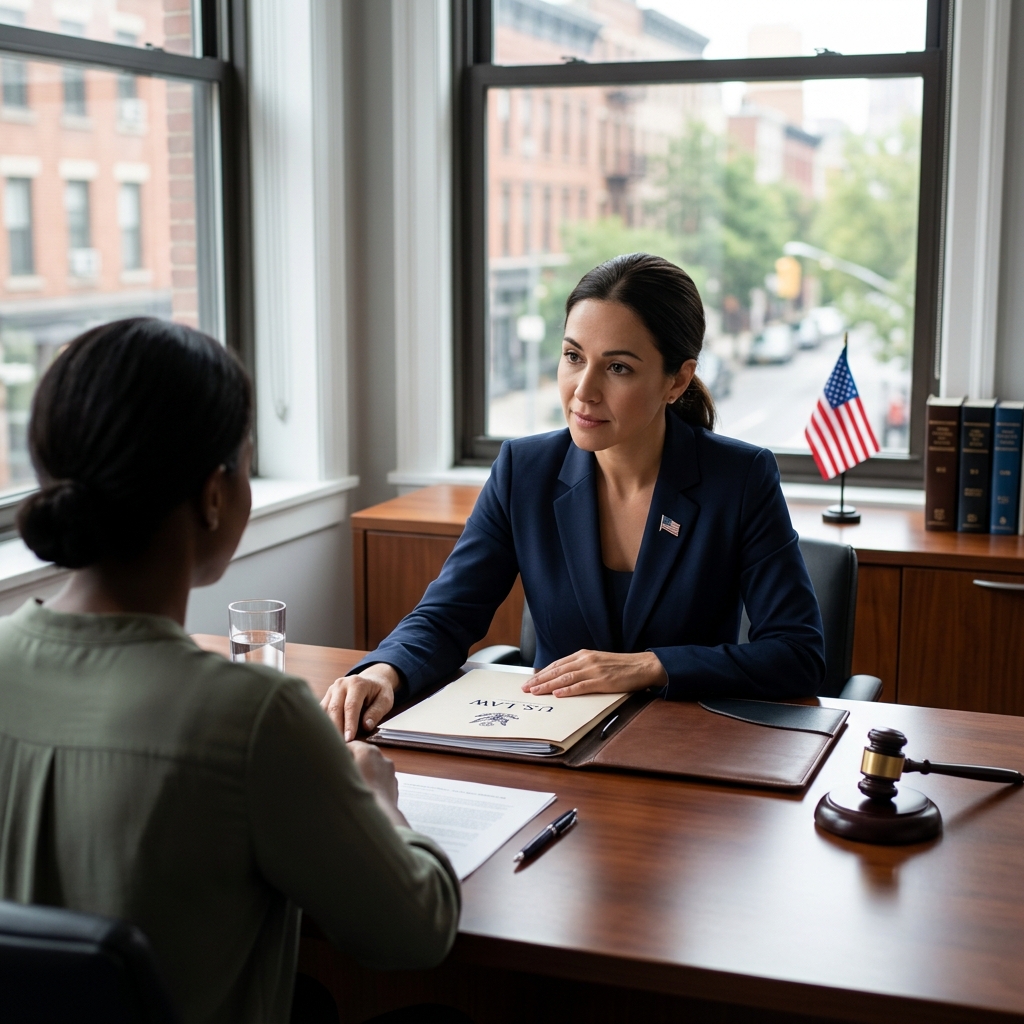
Domestic violence is both a serious public safety issue and a complex area of law in the United States. While every state has its own rules and procedures, there are important federal protections and criminal laws that apply nationwide. This guide explains how domestic violence is defined, what legal options exist for victims, and how criminal charges, restraining orders, housing rights, and firearm restrictions work under U.S. law.
Understanding What Counts as Domestic Violence
Domestic violence is more than physical assault. Under federal law, the term covers a range of crimes and coercive behaviors committed by certain intimate partners or family members.
Legal Definitions Under Federal Law
The Violence Against Women Act (VAWA) provides a widely used definition of domestic violence for federal programs and victim services. It includes crimes committed by:
- A current or former spouse
- A person with whom the victim shares a child
- A current or former intimate partner or cohabitant
- Other individuals in similar close domestic relationships, as defined in specific statutes
VAWA’s victim services definition emphasizes that domestic violence can involve:
- Physical abuse or attempted physical abuse
- Sexual abuse or attempted sexual abuse
- A pattern of coercive behavior used to gain or maintain power and control, which can include verbal, psychological, economic, or technological abuse, even if those acts are not separately criminal.
Individual states refine this definition for their own criminal codes and civil protections. For example, California defines domestic violence as abuse against a spouse, former spouse, cohabitant, former cohabitant, someone with whom the person has had a child, or someone in a current or former dating relationship.
Forms of Abuse Recognized by Law
Domestic violence laws typically recognize multiple forms of abuse, including:
- Physical violence (hitting, choking, use of weapons)
- Sexual violence (forced sexual acts, sexual assault within a relationship)
- Threats and intimidation (threatening harm, brandishing weapons)
- Stalking (following, monitoring, or harassing in person or electronically)
- Economic abuse (controlling money or employment to restrict independence)
- Psychological and emotional abuse (degradation, isolation, coercive control)
Not all abusive conduct is charged under a specific “domestic violence” label; some behaviors may be prosecuted as assault, sexual assault, stalking, harassment, or other offenses, with domestic status affecting penalties and protections.
Criminal Domestic Violence: How Federal and State Laws Interact
Most domestic violence crimes are prosecuted under state law, such as assault, battery, or violation of a protection order. However, several federal crimes apply when certain conditions are met, particularly when state lines are crossed or firearms are involved.
Core Federal Domestic Violence Crimes
Under VAWA and related statutes, the federal government can prosecute domestic violence in specific situations.
| Federal Crime | Key Conduct | Legal Basis |
|---|---|---|
| Interstate domestic violence | Crossing state lines or entering/leaving Indian country and physically injuring an intimate partner. | Violence Against Women Act (VAWA) federal crime |
| Interstate stalking | Crossing state lines to stalk or harass, or stalking in U.S. maritime or territorial jurisdiction. | VAWA and related federal stalking statutes |
| Interstate protection order violations | Traveling across state lines or into/out of Indian country with intent to violate a qualifying protection order, and then violating it. | VAWA provisions on protection orders |
These federal offenses are felonies, and can result in significant prison time if proven in federal court.
Federal Firearm Prohibitions in Domestic Violence Cases
The U.S. Gun Control Act, as amended, contains key provisions addressing firearms in domestic violence contexts.
- It is a federal crime to possess a firearm or ammunition while subject to a qualifying domestic violence protection order that meets specific statutory criteria (such as findings of credible threats or explicit bans on use of force).
- It is a federal crime to possess a firearm or ammunition after conviction of a qualifying misdemeanor crime of domestic violence.
- Providing or selling a firearm to someone you know is convicted of a domestic violence misdemeanor or subject to a qualifying restraining order is also a federal offense.
These provisions were strengthened by the Domestic Violence Offender Gun Ban (often called the Lautenberg Amendment), enacted in 1996, which extended firearm prohibitions to certain misdemeanor domestic violence convictions and qualifying protection orders.
How Federal and State Cases Can Overlap
Because states handle most domestic violence prosecutions, victims sometimes wonder when a case becomes “federal.” In practice:
- Conduct may be prosecuted in state court (for assault or similar offenses) while also forming the basis for a federal firearm or interstate crime.
- Victims do not need to choose between state and federal remedies; criminal cases can proceed while victims pursue civil orders, divorces, or custody actions.
- Local prosecutors and federal authorities may coordinate when interstate travel, protection order violations, or firearms are involved.
Protection Orders: How They Work and What They Do
Protection orders (often called restraining orders) are civil court orders designed to limit contact and reduce risk for victims of domestic violence. They may be available from family, civil, or criminal courts, depending on state law.
Typical Protections in a Domestic Violence Order
Although details vary by state, protection orders commonly provide:
- No-contact requirements (no in-person, phone, text, or online contact)
- Stay-away provisions from the victim’s home, work, school, or other locations
- Temporary custody and visitation rules for shared children
- Orders to vacate the shared residence in certain cases
- Limits on firearms possession consistent with federal and state law
Violating a protection order can lead to arrest and criminal charges. In some circumstances, crossing state lines to ignore a protection order becomes a federal offense, especially when the person travels intending to violate the order and then does so.
Relationship to Federal Law
Protection orders interact with federal domestic violence laws in two major ways:
- Qualifying orders can trigger federal firearm bans, making possession of guns or ammunition a federal crime.
- VAWA facilitates interstate enforcement by allowing federal charges when someone travels across state lines to violate an order.
Additionally, many states and federal law enforcement agencies cooperate to ensure that valid protection orders are recognized and enforceable when a victim relocates to another state.
Housing Protections for Survivors Under VAWA
Domestic violence often forces survivors to move or seek new housing. The Violence Against Women Act includes important housing protections for survivors in federally subsidized or assisted housing programs administered by the U.S. Department of Housing and Urban Development (HUD).
Core Housing Rights for Survivors
Under HUD’s implementation of VAWA, tenants and applicants in covered housing programs have specific rights that are designed to prevent homelessness and further harm.
- They cannot be denied admission to or assistance under a HUD-subsidized program because they experienced domestic violence, dating violence, sexual assault, or stalking.
- They cannot be evicted or have assistance terminated solely due to violence or abuse committed against them.
- They must have the option to stay in their housing, even when criminal activity is directly related to the violence against them.
- They can request an emergency transfer to another unit for safety reasons.
- They have a right to strict confidentiality regarding their status as survivors.
Lease Bifurcation and Safety Planning
VAWA allows survivors to ask for lease bifurcation, meaning a landlord can remove the perpetrator from the lease while allowing the survivor to remain in the unit, subject to program rules and applicable law.
- This tool can help survivors maintain stability without being forced to move because of the abuser.
- Housing providers may require documentation, but they are restricted in how they can use and disclose information.
These housing protections apply regardless of whether the survivor is married to, related to, or living with the perpetrator, and can apply even if the violence occurred some time ago.
Firearms, Domestic Violence, and Safety Considerations
Firearms significantly increase the risk of fatal outcomes in domestic violence situations. U.S. law responds to this risk through restrictions on gun possession by individuals with certain domestic violence histories.
Who Is Prohibited From Having Guns?
Under federal law, people are prohibited from possessing firearms and ammunition when:
- They are subject to a qualifying domestic violence protection order that includes findings of danger or explicit bans on the use of force.
- They have been convicted of a qualifying misdemeanor crime of domestic violence, as defined by federal statute.
The Domestic Violence Offender Gun Ban applies in every state and covers many situations that previously might not have barred firearm possession, particularly misdemeanor convictions.
Practical Implications for Victims and Defendants
These firearm restrictions can affect:
- Defendants, who may face federal charges if they keep or obtain guns despite a qualifying conviction or order.
- Victims, who may receive added protection when courts enforce surrender requirements and coordinate with law enforcement.
- Employment, especially for individuals in jobs requiring firearms (such as certain law enforcement or security roles), because federal law may bar them from performing key duties after a domestic violence conviction.
Common Legal Questions About Domestic Violence
Domestic violence survivors and accused individuals often share similar questions about how the law works. While details depend on state law and the specific facts, the following issues frequently arise.
Can I Pursue Both Criminal Charges and Civil Remedies?
Yes. Domestic violence law distinguishes between criminal proceedings and civil remedies such as protection orders, divorce, and custody actions. Victims may report abuse to law enforcement while simultaneously seeking civil court orders to restrict contact, divide property, or address parenting.
Do Federal Protections Apply Even If I Do Not Move States?
Many federal protections, like VAWA housing rights and access to victim services funded through federal programs, apply regardless of interstate travel. Federal criminal provisions involving interstate movement or federal jurisdiction are triggered by specific conduct—such as crossing state lines to commit violence or violate a protection order—but survivors can benefit from federal resources while their cases proceed in state court.
What If the Abuser Is Not a Spouse?
Domestic violence laws often extend beyond spouses to include dating partners, cohabitants, and other intimate relationships. VAWA expressly covers domestic violence, dating violence, sexual assault, and stalking against survivors who may or may not be married or living with the perpetrator.
Can I Lose My Housing Because of the Abuse Against Me?
In HUD-assisted housing covered by VAWA, survivors cannot be evicted or denied assistance solely because they experienced domestic violence or related crimes. They may seek to stay in their current unit, request emergency transfers, or ask for lease bifurcation to separate from the abuser while staying housed.
Practical Steps for Survivors Seeking Legal Help
Domestic violence law can be difficult to navigate alone, especially when safety concerns are urgent. Survivors benefit from combining immediate safety planning with legal advice and specialized support.
Immediate Safety and Support
- If there is imminent danger, contacting local law enforcement is often the fastest way to obtain emergency help.
- National hotlines, such as the National Domestic Violence Hotline, can connect survivors to local shelters, advocates, and legal resources.
- Medical providers and victim service organizations may help document injuries and provide referrals.
Legal Options to Consider
With the assistance of an attorney, legal aid office, or advocate, survivors may explore:
- Applying for a civil protection order through family or civil courts.
- Reporting the abuse for potential criminal investigation and charges.
- Pursuing divorce, separation, or custody proceedings where appropriate.
- Accessing VAWA-based housing protections if they live in or seek HUD-assisted housing.
Frequently Asked Questions (FAQ)
Is domestic violence always treated as a felony?
No. Most domestic violence cases are prosecuted under state law, and the offense level depends on the specific statute and facts. Some domestic violence-related crimes are misdemeanors under state law, while certain federal domestic violence crimes and firearm violations are felonies.
Do I have to stay in public housing with my abuser?
No. Under VAWA, survivors in HUD-assisted housing may request lease bifurcation to remove the abuser from the lease, ask for emergency transfers, or assert their right to remain in the unit while the perpetrator is excluded, subject to program rules and safety considerations.
Can a protection order from one state protect me if I move?
Yes, in many cases. Federal law and state practice support the recognition and enforcement of valid protection orders across state lines, and federal crimes can be charged when someone travels intending to violate an order and does so.
Is domestic violence limited to physical injuries?
No. Legal definitions and victim services frameworks recognize patterns of coercive behavior, including psychological, economic, and technological abuse, as part of domestic violence, even when those behaviors are not separately charged as crimes.
Where can I get more information about domestic violence laws in my state?
State-specific domestic violence law information is available through official state court or legal information websites, and national organizations provide Q&A style summaries of state laws to help survivors understand local protections.
References
- Federal Domestic Violence Laws — U.S. Department of Justice. 2016-01-15. https://www.justice.gov/usao-wdtn/victim-witness-program/federal-domestic-violence-laws
- domestic violence | Wex | US Law — Legal Information Institute, Cornell Law School. 2023-05-01. https://www.law.cornell.edu/wex/domestic_violence
- Domestic Violence Federal Crimes — People’s Law Library of Maryland. 2022-09-10. https://www.peoples-law.org/node/190/printable/print
- Violence Against Women Act (VAWA) — U.S. Department of Housing and Urban Development. 2022-11-30. https://www.hud.gov/vawa
- History of Domestic Violence Laws in the U.S. — FindLaw. 2021-08-15. https://www.findlaw.com/family/domestic-violence/domestic-violence-background.html
- Violence Against Women Act — National Network to End Domestic Violence. 2022-06-24. https://nnedv.org/content/violence-against-women-act/
- Know the Laws — By State — WomensLaw.org. 2023-03-10. https://www.womenslaw.org/laws/general
Similar Articles








Read full bio of medha deb


