
Disadvantages Of Condos And Co-Ops: What To Know Before Buying
Understand the hidden costs, restrictions, and resale challenges that can make condo and co-op ownership less attractive than it first appears.
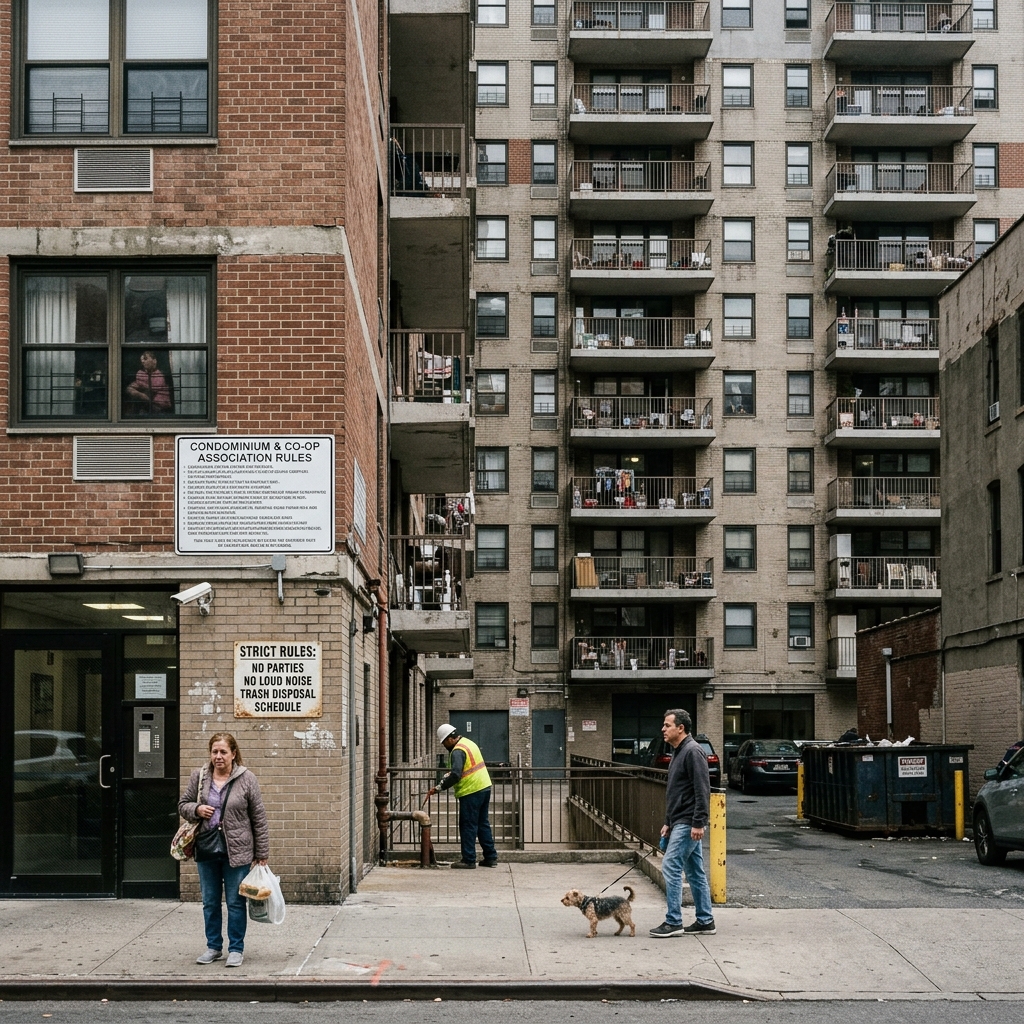
Buying into a condominium or a housing cooperative (co‑op) can be an appealing way to become a homeowner, especially in dense urban markets where single-family homes are expensive or scarce. Yet these properties come with a unique set of disadvantages that can affect your monthly budget, your autonomy as an owner, and even your long‑term financial returns.
This guide walks through the major financial, legal, and practical drawbacks of condos and co‑ops so you can evaluate whether the trade‑offs fit your priorities.
How Condos and Co‑ops Differ in Ownership
Understanding what you actually own is the starting point for understanding the risks.
| Feature | Condo | Co‑op |
|---|---|---|
| Ownership type | You own your individual unit (real property) plus a shared interest in common areas. | You own shares in a corporation that owns the building, plus a proprietary lease giving you the right to occupy a specific unit. |
| Title or deed | Deed to a specific unit, recorded in land records. | No deed to the unit; you hold a share certificate and lease. |
| Governing body | Homeowners association (HOA) or condo association. | Co‑op board of directors elected by shareholders. |
| Monthly charges | HOA dues for maintenance, amenities, reserves; you pay your own property taxes and utilities in many jurisdictions. | Maintenance or carrying charges that often include building mortgage, property taxes, and building utilities. |
This structure shapes many of the disadvantages discussed below, from higher ongoing costs to reduced control and challenging resale.
Financial Downsides: Fees, Assessments, and Financing Hurdles
One of the biggest surprises for new condo or co‑op owners is how the economics differ from owning a detached home.
High Monthly Fees
Both condos and co‑ops charge mandatory monthly fees, which can be substantial.
- Condo HOA dues typically fund exterior repairs, landscaping, shared amenities, building insurance, and reserve funds. In buildings with gyms, pools, or doormen, fees can be especially high.
- Co‑op maintenance fees often appear even higher because they can bundle building mortgage payments, property taxes, insurance, and utilities into a single charge.
These fees do not build equity in the same way mortgage payments do, but they can dramatically raise your housing cost and continue indefinitely.
Special Assessments and Unpredictable Costs
When a building needs major work—such as roof replacement, façade repairs, elevator upgrades, or compliance with new safety codes—the association or co‑op can levy a special assessment on owners.
- Assessments may be charged as a large one‑time payment or an added monthly amount over several years.
- The cost is spread among unit owners, but your share may be large if your unit is bigger or in a small building.
- Owners generally have limited ability to opt out of assessments, even if they disagree with the project.
This unpredictability can make long‑term budgeting difficult and exposes owners to collective maintenance decisions they do not fully control.
Financing Difficulties, Especially for Co‑ops
Getting a loan to buy a condo or co‑op can be more complex than financing a single‑family home.
- Condos usually qualify for traditional mortgages, but lenders scrutinize the building’s financial health, owner‑occupancy ratio, and litigation history. Problematic developments may be ineligible for certain loan programs.
- Co‑ops often require share loans rather than standard mortgages. Some co‑ops do not permit any financing, while others mandate higher down payments.
Lenders may be wary of co‑ops because the collateral is shares rather than real property, and because the co‑op’s own mortgage and financial obligations create additional risk.
Control and Governance: Living With a Board
When you buy into a condo or co‑op, you also buy into the rules and governance system that controls the building.
Board Power and Restrictive Rules
Condo associations and co‑op boards have broad authority to set and enforce community rules.
Common restrictions include:
- Pet policies (limits on size, breed, or number of animals).
- Noise rules and quiet hours.
- Renovation rules, including which materials you can use, when work can be done, and contractor approvals.
- Use restrictions, such as bans or limits on short‑term rentals, home businesses, or subletting.
Boards may impose fines, pursue legal enforcement, or even take steps toward foreclosure if owners violate governing documents. For buyers used to full control over their property, this loss of autonomy can be a substantial drawback.
Intrusive Application and Approval Processes
Co‑ops are particularly known for rigorous application procedures.
- Prospective buyers often must submit extensive financial disclosures, tax returns, employment records, and reference letters.
- A board interview is common, allowing directors to evaluate whether a buyer fits the community’s financial and social expectations.
- Boards can approve or deny buyers without giving detailed reasons, subject to fair housing and anti‑discrimination laws.
Condos typically have more limited approval rights, but some associations still exercise screening powers for purchasers and tenants, which can slow transactions and deter potential buyers.
Resale and Marketability Concerns
When it comes time to move, condo and co‑op owners may face more hurdles than single‑family homeowners.
Co‑ops Can Be Harder to Sell
Because co‑op boards must approve buyers, sellers cannot simply accept the highest offer.
- Every potential purchaser must pass the same intensive application and interview process, which can eliminate otherwise qualified buyers.
- Board denials can delay sales and force sellers to return to the market, sometimes at lower prices.
- Some co‑ops place caps on resale prices or limit how much profit a seller can keep.
These factors can narrow the pool of buyers and prolong time on market, weakening appreciation potential compared to more flexible housing types.
Condos: Easier Resale, but Sometimes Limited Upside
Condos are generally easier to sell than co‑ops because buyers obtain direct title and face fewer approval barriers. However, there are still disadvantages:
- High HOA fees can deter buyers, especially when fees approach or exceed what a comparable single‑family home would cost to maintain.
- If a building’s reserves are low or major repairs are looming, buyers may worry about future assessments and walk away.
- In markets saturated with new condo developments, resale units may struggle to compete with brand‑new buildings offering more amenities.
For investors, restrictive rental policies can also reduce the unit’s attractiveness as an income‑producing property.
Legal and Liability Considerations
Because condos and co‑ops operate as common‑interest communities or corporations, your rights and obligations are intertwined with those of other owners.
Shared Responsibility for Building Problems
In both structures, serious building‑wide issues—such as construction defects, structural failures, or lawsuits—can impact all owners.
- Associations or co‑ops may need to raise fees or levy assessments to fund legal costs or repairs.
- If the building holds a mortgage (common in co‑ops), financial distress can affect every shareholder’s equity and ability to obtain refinancing.
- Insurance coverage gaps can leave owners exposed to loss beyond their unit’s walls.
While boards have fiduciary duties to the community, individual owners have limited control over litigation strategy, vendor selection, or risk management decisions.
Complex Governing Documents
Condo declarations, bylaws, proprietary leases, and house rules can be lengthy and technical.
- Important restrictions on use, leasing, remodeling, and resale are often buried in dense legal language.
- Disputes over interpretation or enforcement can lead to internal conflict and, in some cases, litigation between owners and the board.
- Changing unpopular rules may require supermajority votes or formal amendments, which can be difficult to achieve.
The complexity of these documents makes it crucial—but sometimes costly—to obtain legal review before buying.
Lifestyle Drawbacks: Noise, Crowding, and Limited Privacy
Beyond finances and legal structure, condos and co‑ops can present day‑to‑day living challenges that do not arise in less dense housing.
Less Privacy and More Shared Space
Multifamily buildings inherently involve more interaction with neighbors.
- Shared hallways, elevators, lobbies, and amenities reduce privacy compared to detached homes.
- Guest policies, package handling procedures, and building security measures can feel intrusive.
- Rules about hallway décor, balcony use, and window treatments limit personal expression.
While some owners appreciate the community environment, others find the constant proximity and oversight restrictive.
Noise and Building Design Limitations
Even well‑built condo and co‑op buildings may transmit noise between units.
- Footsteps, music, plumbing sounds, or elevator noise can travel through walls and ceilings.
- Boards may adopt flooring rules (such as mandatory carpeting) to mitigate noise, further limiting owner choice.
- Retrofitting for better sound insulation can be expensive and sometimes requires board approval.
In older buildings, layout constraints and aging infrastructure may also limit the ability to modernize units or add in‑demand features.
When Condos and Co‑ops May Not Be a Good Fit
Condos and co‑ops can work well for some buyers, but the disadvantages make them a poor fit for others. They may be especially problematic if you:
- Expect to relocate in the short term and need maximum resale flexibility.
- Plan to use the property primarily as an investment or short‑term rental.
- Want full control over design choices, renovations, and landscaping.
- Have an irregular income or limited cash reserves, making surprise assessments difficult to absorb.
- Own pets that may run afoul of building policies.
For buyers in these situations, a townhouse, fee‑simple row home, or detached house may better align with their financial and lifestyle priorities, even if the purchase price is higher.
Practical Steps to Protect Yourself Before Buying
If you are considering a condo or co‑op despite the disadvantages, careful due diligence can mitigate some risks.
Questions to Ask About the Building
- How large are current monthly fees, and how have they changed over the last five years?
- What is the balance of reserve funds for future repairs?
- Are there any pending or recently approved special assessments?
- What is the owner‑occupancy rate versus investor‑owned units?
- Is the building involved in any ongoing litigation?
Documents to Review Carefully
- Condo declaration, bylaws, rules and regulations, or co‑op proprietary lease and house rules.
- Recent financial statements and budgets for the association or co‑op.
- Board meeting minutes, which may reveal recurring issues or upcoming projects.
- Building insurance policies and coverage limits.
Working with an experienced real‑estate attorney can help you interpret these materials and understand how the building’s policies could affect your ownership experience.
Frequently Asked Questions About Condo and Co‑op Drawbacks
Are condos or co‑ops more expensive in the long run?
Co‑ops often have lower purchase prices than comparable condos but higher monthly fees that include taxes and building mortgage charges. Condos may cost more up front and at closing, but long‑term costs depend on HOA dues, assessments, tax rules, and how long you stay in the property.
Which has more rules: condos or co‑ops?
Both have rules, but co‑ops typically exercise tighter control over buyers and residents, including strict subletting policies and resale conditions. Condo rules can still be restrictive, especially regarding pets, short‑term rentals, and renovations.
Is a condo or co‑op a good investment property?
It depends on the building. Condos generally offer more flexibility for renting and resale, which can suit investors, but high fees and rental caps can still limit returns. Co‑ops often discourage or heavily restrict rentals, making them less suitable purely as investment vehicles.
Can a condo or co‑op board reject a buyer?
Co‑op boards almost always have the right to approve or deny buyers provided they comply with fair housing laws. Condo associations have more limited approval rights but may still screen purchasers in some jurisdictions.
How can I avoid unpleasant surprises after buying?
The best protection is thorough due diligence: review governing documents, budgets, reserves, and recent meeting minutes; ask detailed questions about upcoming projects; and work with professionals familiar with condo and co‑op transactions. This preparation cannot remove all risk but can significantly reduce the chance of costly surprises.
References
- Condo vs. Co-op in Chicago — Best Chicago Properties. 2023-05-10. https://bestchicagoproperties.com/blog/condo-vs-co-op/
- Condominium vs co-ops: pros and cons — Pilka Adams & Reed, P.A. 2024-03-15. https://www.pilka.com/blog/2024/03/condominium-vs-co-ops-pros-and-cons/
- Co-Op vs. Condo: What to Know — JPMorgan Chase Bank. 2023-08-01. https://www.chase.com/personal/mortgage/education/finding-a-home/co-op-vs-condo
- Condo vs. co-op: A complete guide — Rocket Mortgage. 2023-11-20. https://www.rocketmortgage.com/learn/condo-vs-coop
- Co-op Vs. Condo Explained: Advantages, Disadvantages, and More — Guaranteed Rate. 2023-09-05. https://www.rate.com/mortgage/resource/condos-vs-co-ops-which-one-is-right-for-you
- Co-op vs. condo: The ultimate explainer for NYC buyers — StreetEasy. 2022-09-30. https://streeteasy.com/blog/co-ops-vs-condos-nyc-home-buyers-guide/
- What are the advantages and disadvantages of co-ops? — PCK Law. 2017-10-18. https://www.pck-law.com/blog/2017/10/what-are-the-advantages-and-disadvantages-of-co-ops/
Similar Articles








Read full bio of medha deb


