
Kentucky Court Protections for Sexual Assault Victims
A practical look at how Kentucky courts reduce exposure, preserve privacy, and support survivors in sexual assault cases.
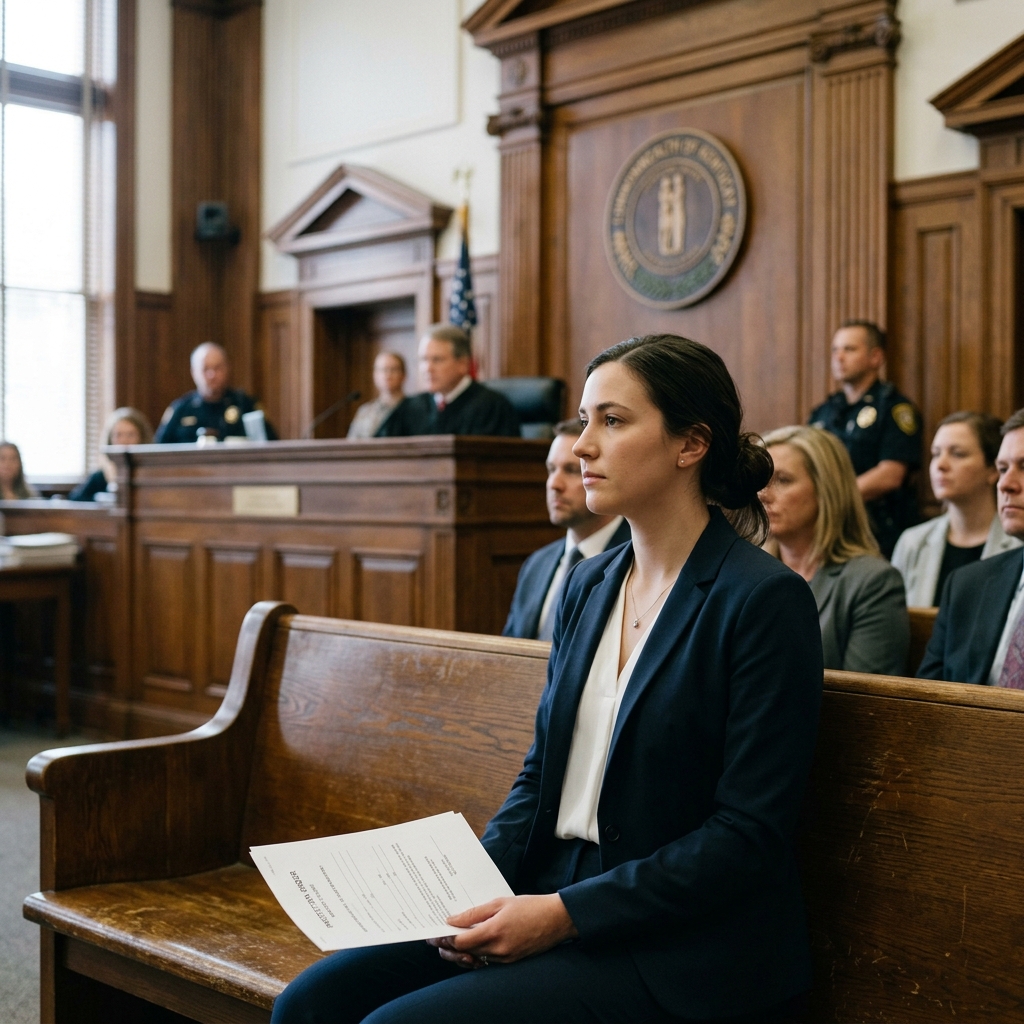
Sexual assault cases often raise a difficult question for survivors: how can someone pursue justice without losing privacy or being forced to relive the most painful details of the abuse? In Kentucky, the court system offers several safeguards intended to limit unnecessary exposure, reduce retaliation, and keep irrelevant sexual history out of the case. Those protections do not erase the trauma of litigation, but they can make the process more manageable and more fair for victims.
Many of the strongest protections come from two places: Kentucky’s evidentiary rules and the discretion judges have in civil proceedings. Together, they help determine what information may be disclosed, who must be identified publicly, and when a case can remain confidential. Survivors also may have access to protective orders and confidential settlements, depending on the circumstances of the case.
Privacy Is Not Lost Simply Because a Claim Is Filed
One common fear is that filing a lawsuit automatically puts a survivor’s name, history, and personal details on display. That is not always true. While court filings are generally public records, Kentucky lawyers can sometimes file a case using a pseudonym to help keep a victim’s identity out of the public record. The opposing party still has rights to know who is bringing the claim, but the public may not see the person’s full name in the court file.
That distinction matters. A case can move forward in court while the survivor’s personal identifying information remains less visible to outsiders. In practice, this means a person may pursue civil remedies without necessarily creating the same level of public exposure that many fear at the outset.
| Issue | General Kentucky Court Approach |
|---|---|
| Public access to filings | Court records are usually public unless a protection applies. |
| Use of a pseudonym | A lawyer may ask to file under a false name to protect privacy. |
| Defendant’s rights | The accused still has the right to know the identity of the person making the claim. |
Judges Can Limit Disclosure of a Survivor’s Identity
After a sexual abuse lawsuit is filed, a judge may need to decide whether a victim must reveal their identity in the public record. The outcome can depend on the victim’s age, the stage of the case, and the facts presented to the court. Kentucky practice recognizes that minors deserve especially strong confidentiality protections.
If the victim was a minor when the case was filed, confidentiality is typically much more secure. Even where the abusive conduct happened earlier, courts may still be reluctant to force disclosure if the person was a child when the lawsuit began. This reflects a broader policy choice: children who report abuse should not be exposed to additional harm simply because they sought legal help.
Where the victim is now an adult, the analysis can be more nuanced. Judges may weigh privacy interests, fairness to the defense, and the public nature of the courtroom. Still, courts often look for ways to avoid unnecessary identification when the underlying allegations involve sexual abuse.
Sexual History Usually Stays Out of the Case
Another major protection is Kentucky’s rape shield rule. Survivors sometimes worry that the defense will use their sexual history to discredit them or suggest that prior consensual activity somehow weakens the assault claim. Kentucky law generally rejects that idea. Evidence about a victim’s other sexual behavior or sexual predisposition is usually not admissible simply to attack credibility or imply consent.
This rule applies in both criminal and civil cases involving alleged sexual misconduct. That is important because civil survivors often fear that filing suit opens the door to invasive and irrelevant questioning. The law is designed to prevent exactly that kind of misuse.
There are limited exceptions in some cases, but the overall rule is clear: a person’s past sexual behavior is not automatically relevant just because they allege sexual assault. Courts focus on the conduct at issue in the lawsuit, not on a broad review of the survivor’s private life.
- Evidence of unrelated sexual activity is generally excluded.
- A survivor’s sexual reputation is not, by itself, proof of consent.
- The same principle applies in criminal and civil proceedings.
Protective Orders Can Add Another Layer of Safety
Civil court protections are not limited to privacy. In many situations, Kentucky victims may seek a protective order to reduce the chance of further contact, intimidation, or retaliation. Depending on the facts, a court may issue an emergency order first and then hold a hearing later to decide whether longer-term protection is appropriate.
Protective orders can be especially important when the accused knows where the survivor lives, works, studies, or receives care. By limiting contact and setting enforceable boundaries, the court can help prevent the litigation process from becoming a channel for continued abuse.
These orders are separate from the question of whether a criminal case exists. A survivor may request court protection even if no criminal conviction has occurred. The goal is prevention and safety, not punishment alone.
Confidential Settlements Can Keep the Resolution Private
Not every sexual assault case ends with a trial. Some are resolved through settlement, and in Kentucky those settlements can sometimes be kept fully confidential. That can include both the survivor’s name and the financial or factual terms of the agreement.
Confidentiality in settlement can matter for several reasons. Some survivors want to avoid public testimony. Others want to prevent an accused person or institution from using the publicity of the case to reframe the narrative. A confidential resolution can also give survivors more control over how and when their story is shared.
When a settlement includes a non-disclosure agreement or a court order enforcing privacy, the parties may be bound to keep the matter out of public circulation. That does not mean the case never existed. It means the public record may reveal far less than a fully litigated proceeding would.
The Statute of Limitations Still Matters
Privacy protections are important, but survivors also need to pay attention to filing deadlines. Kentucky law places time limits on sexual abuse claims, and those deadlines can differ depending on whether the alleged wrongdoer is an individual or an institution. Claims involving child abuse may have a longer limitations period, but the exact deadline can still depend on the facts and the type of defendant.
That means a survivor who is considering a civil lawsuit should not wait too long to ask for legal advice. The rules on timing can affect whether a case is filed at all, regardless of how strong the underlying facts may be.
In practical terms, the statute of limitations is not just a procedural detail. It is often the first threshold question a lawyer must examine before a survivor can move forward with a claim.
How These Protections Work Together
Each safeguard plays a different role. A pseudonym can help conceal identity from the public. The rape shield rule can keep irrelevant sexual history out of evidence. Protective orders can reduce the risk of contact or retaliation. Confidential settlements can prevent private details from becoming public. And filing deadlines determine how long a survivor has to act.
When combined, these rules are meant to make the legal process less punishing for the person coming forward. They do not remove the burden of proving a claim, but they can reduce some of the secondary harms that often discourage reporting in the first place.
For many survivors, the strongest reassurance is knowing that the law does not treat their past as an open invitation to scrutiny. Kentucky courts generally aim to keep the focus on the alleged abuse, not on the survivor’s private life.
What Survivors Can Expect in Practice
Although the law provides these protections, each case still depends on judicial decisions and the facts presented by the parties. A judge may allow anonymous filing in one case but require more disclosure in another. One case may settle quietly, while another proceeds to public hearings. The legal system is not identical for every survivor, but it does contain meaningful tools that can be used to reduce exposure.
For someone considering a claim, the practical steps often include:
- Speaking with a lawyer familiar with sexual abuse litigation.
- Asking early whether a pseudonym is possible.
- Reviewing whether a protective order is appropriate.
- Identifying any statute-of-limitations issues before filing.
- Discussing whether settlement confidentiality is important.
These decisions are usually best made early, because privacy concerns can become harder to manage once a case is already public.
Frequently Asked Questions
Can a sexual assault case in Kentucky be filed without using the victim’s real name?
In some cases, yes. A lawyer may ask the court to allow the case to proceed under a pseudonym so the survivor’s name is not publicly displayed in the record.
Will the defendant still know who accused them?
Yes. Even when a pseudonym is used in public filings, the defendant generally retains the right to know the identity of the person bringing the claim.
Can the defense use a survivor’s prior sexual history against them?
Usually no. Kentucky’s rape shield rule generally bars evidence of other sexual behavior or predisposition when it is offered to attack the survivor or suggest consent.
Are civil settlements in sexual assault cases public?
Not necessarily. Some settlements can be made confidential through a non-disclosure agreement or a court order, keeping both the terms and the survivor’s identity private.
Do these protections apply only in criminal cases?
No. Several important safeguards, including the rape shield rule, apply in both criminal and civil sexual misconduct cases.
What if the victim was a minor when the case was filed?
Courts often treat minors as deserving stronger confidentiality protections, and the identity of a minor plaintiff is typically kept confidential.
Why Legal Guidance Matters Early
Sexual assault litigation involves more than proving what happened. It also involves decisions about privacy, timing, safety, and the long-term effects of public exposure. Because those issues can shape the case from the beginning, survivors often benefit from legal advice before anything is filed.
An attorney can help evaluate whether a lawsuit should be anonymous, whether an order of protection is available, whether a settlement should include confidentiality terms, and whether the claim is still within the legal deadline. Those choices are often as important as the merits of the claim itself.
Kentucky’s courts cannot undo the harm of sexual assault, but they can reduce some of the legal risks survivors face when they seek justice. That combination of privacy rules, evidentiary limits, and protective procedures can make the system more accessible to people who might otherwise stay silent.
References
- Domestic Violence – Kentucky Attorney General — Kentucky Office of the Attorney General. 2026-07-10. https://ag.ky.gov/Resources/Victim-Resources/Pages/domestic-violence.aspx
- Kentucky Restraining Orders — WomensLaw.org. 2026-07-10. https://www.womenslaw.org/laws/ky/restraining-orders/all
- Select Victims’ Rights – Kentucky — Lewis & Clark Law School. 2026-07-10. https://law.lclark.edu/live/files/32019-select-victims-rights-guide-kentuckypdf
- Protective/No Contact Orders — Henderson County, Kentucky. 2026-07-10. https://www.hendersoncountyky.gov/461/ProtectiveNo-Contact-Orders
- PROTECTIVE ORDERS — Commonwealth Attorney. 2026-07-10. https://www.bgkyprosecutor.com/protective-orders
Similar Articles








Read full bio of medha deb




