
Juvenile Life Without Parole: 2025 Guide To Reform And Review
An overview of juvenile life without parole, the law, and why reform matters for youth sentencing.
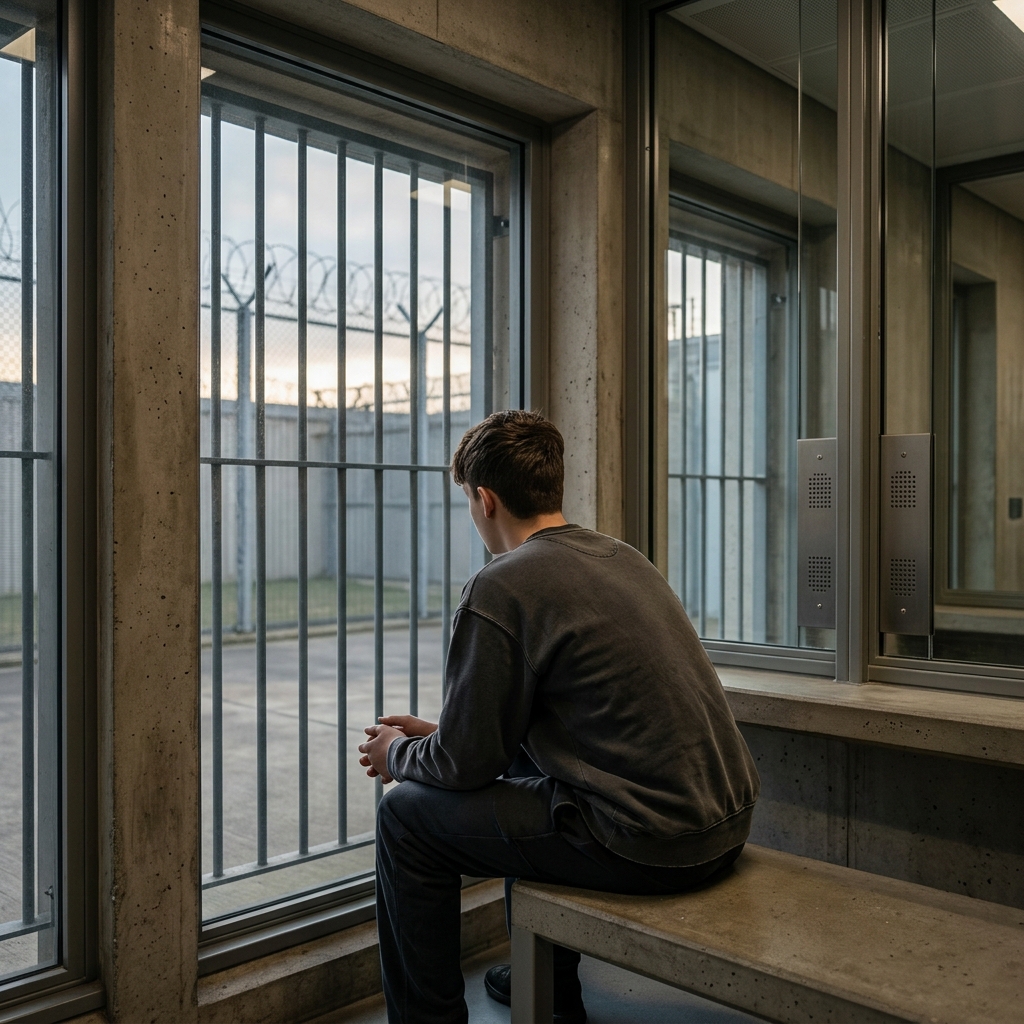
Juvenile life without parole, often shortened to JLWOP, is one of the harshest penalties available in the American criminal legal system. It means a person who was under 18 at the time of the offense can be sentenced to spend the rest of their life in prison without any realistic chance of release.
This article explains how the sentence works, why it has been challenged by courts and advocates, and how state and national reforms have changed the landscape for young people. The goal is not only to define the punishment, but also to show why it remains a major issue in juvenile justice policy.
What the Sentence Means
When a court imposes juvenile life without parole, it tells the defendant that their youth will not be treated as a meaningful factor in sentencing. The punishment is designed to keep someone incarcerated for life, even if they later show rehabilitation, maturity, or remorse.
Unlike a sentence that allows parole review after a set number of years, JLWOP removes the possibility of a future hearing based on growth or change. That is why critics describe it as a sentence that denies a young person any chance to demonstrate they are different from the child who committed the offense.
- It applies to offenses committed before age 18.
- It bars release through parole review in the future.
- It can function as the practical equivalent of dying in prison.
Why Youth Sentencing Is Different
Juvenile sentencing has long been debated because children and adolescents are not fully developed adults. Research in neuroscience and psychology shows that young people are still developing in areas related to impulse control, judgment, and risk assessment. That does not excuse serious wrongdoing, but it does matter when courts decide how much punishment is appropriate.
Advocates against JLWOP argue that a child’s background, trauma, immaturity, and capacity for growth should matter at sentencing. They say a system that treats youth as permanently incorrigible ignores the reality that young people change over time.
| Issue | Why It Matters |
|---|---|
| Maturity | Teenagers are still developing decision-making skills. |
| Background | Family instability, abuse, and poverty may shape behavior. |
| Rehabilitation | Youth often have a greater ability to change over time. |
| Parole review | A future hearing can assess growth and readiness for release. |
How the Law Has Changed
The legal status of juvenile life without parole has shifted significantly over the past two decades. Court rulings have narrowed when the sentence can be imposed, especially for children. Nationally, the Supreme Court has recognized that juveniles are constitutionally different from adults for sentencing purposes, and that the harshest penalties require close scrutiny.
Those rulings helped reshape state laws, parole rules, and resentencing procedures. Some states abolished JLWOP entirely, while others limited it or created parole eligibility after long terms. Even where the sentence is still possible in theory, reforms have reduced how often it is actually used.
- Some states have eliminated JLWOP as a sentencing option.
- Other states have replaced it with parole eligibility after decades.
- Courts now require greater attention to youth-related mitigating factors in many cases.
The Core Arguments Against the Sentence
Opponents of juvenile life without parole usually make three broad arguments. First, they say the sentence is too severe for children because it ignores the qualities that make juveniles less culpable than adults. Second, they argue it fails to serve the traditional goals of punishment, especially when applied without individualized consideration. Third, they point to the possibility of reform, noting that a teenager who commits a serious offense may later become a productive and law-abiding adult.
There is also a moral argument. Many reform advocates believe that society should not decide, at the moment of adolescence, that a person is beyond redemption for the rest of their life. That approach treats a child’s worst act as a complete and permanent definition of who they are.
International Standards and Comparative Practice
Outside the United States, juvenile life without parole is widely rejected. International human rights standards generally disfavor or prohibit sentencing children to die in prison. This has made the United States an outlier in global debates about youth punishment.
The international critique is not simply symbolic. It reflects a broader principle that children should be held accountable in ways that leave room for development, education, and eventual return to society when appropriate. That approach places emphasis on rehabilitation as well as public safety.
Public Safety and Rehabilitation
Supporters of reform argue that ending JLWOP does not mean ignoring serious harm. Instead, it means using sentences that are severe but still allow review. A long sentence with parole eligibility can protect the public while still recognizing that people may change over time.
Parole review creates a structured process for examining whether someone has matured, taken responsibility, built skills, and reduced their risk. In that model, the question is not whether the original offense was serious; the question is whether continued incarceration remains necessary after many years of demonstrated growth.
- Parole review can evaluate rehabilitation.
- It keeps public safety central to the decision.
- It gives correctional systems a reason to support education and treatment.
State Reform Trends
Recent years have brought substantial state-level change. Many legislatures have moved away from the automatic imposition of life without parole for youth, especially in the wake of court decisions that emphasized the importance of youth-specific sentencing. Some states now allow review after a set period, while others have ended the sentence altogether for people convicted as minors.
These changes reflect a broader shift in how states think about children in the criminal legal system. Instead of assuming permanent dangerousness, many lawmakers now accept that serious youth offenses should still leave room for a second chance.
| Reform Model | Effect on Youth Sentences |
|---|---|
| Abolition | JLWOP is no longer available. |
| Parole after years served | Release is possible after a long minimum term. |
| Individualized resentencing | Courts revisit older sentences using modern standards. |
What Critics Say About the Original Crime
People who support JLWOP often focus on the seriousness of the underlying offense. They argue that some crimes are so grave that they justify permanent incarceration, even when committed by a teenager. That position is usually tied to concerns about deterrence, victims’ rights, and community safety.
Reformers respond that the seriousness of the offense should matter, but not in a way that erases all possibility of change. They point out that youth cases often involve coercion, unstable homes, trauma, gang pressure, or immaturity that a court should weigh before imposing the harshest sentence possible.
Why the Possibility of Release Matters
The chance of release is not the same as guaranteed release. A parole board or court can still deny freedom if a person remains dangerous or has not shown meaningful growth. But the opportunity itself matters because it creates an incentive for rehabilitation and an avenue for review after decades of incarceration.
For many people sentenced as children, parole eligibility is the first moment when the legal system can fully account for who they have become. It is also the moment when decades of education, work, therapy, and accountability can be judged on their own terms rather than dismissed in advance.
Frequently Asked Questions
What is juvenile life without parole?
It is a sentence that keeps a person in prison for life for an offense committed before age 18, with no possibility of parole release.
Is juvenile life without parole still used?
Yes, but its use has been reduced in many places because of legal reforms and court decisions. Some states have abolished it, while others allow parole review after long periods of incarceration.
Why do advocates oppose it?
They argue that children are less culpable than adults, are more capable of change, and should not be permanently written off based on offenses committed in adolescence.
Does ending JLWOP mean releasing everyone?
No. Ending the sentence means creating a chance for review, not automatic release. Decision-makers can still deny parole when a person has not shown rehabilitation or remains a public safety risk.
How does this connect to juvenile justice reform?
JLWOP is part of a larger debate about whether the legal system should punish youth as if they were fully formed adults or recognize their developmental differences and potential for growth.
Looking Ahead
The future of juvenile life without parole will likely depend on continued legal challenges, legislative action, and public debate about punishment and redemption. As more states move toward review-based sentencing, the idea that a child can be permanently beyond hope continues to lose ground.
At its core, the issue asks a simple but difficult question: should one mistake made in youth define the rest of a person’s life, or should the law leave room for accountability, change, and eventual return? The growing trend in reform suggests that more jurisdictions are choosing the latter.
References
- Juvenile Life Without Parole — Texas CJE. 2025-10. https://texascje.org/sites/default/files/2025-10/Juvenile%20Life%20Without%20Parole.pdf
- Life without parole for juvenile offenders — Mental Health America. 2026-01-01. https://mhanational.org/position-statements/life-without-parole-for-juvenile-offenders/
- Juvenile Life Without Parole (JLWOP) — Palo Alto University. 2024-01-01. https://paloaltou.edu/resources/business-of-practice-blog/juvenile-life-without-parole
- New Study Provides First Nationwide Window on Juvenile Lifer Population — UCLA Luskin. 2023-01-01. https://luskin.ucla.edu/new-study-provides-first-nationwide-window-on-juvenile-lifer-population
- Juvenile Life Without Parole (JLWOP) — Restore Justice Foundation. 2024-01-01. https://restorejustice.org/issues/sentencing/juvenile-life-without-parole/
- Juvenile Life without Parole by State — Campaign for the Fair Sentencing of Youth. 2026-01-01. https://cfsy.org/media-resources/states-that-ban-juvenile-life-without-parole/
Similar Articles








Read full bio of medha deb




