
Navigating Judicial Remarks on Attire in Court
Expert strategies for professionals and litigants to handle judge's comments on appearance with poise and professionalism.
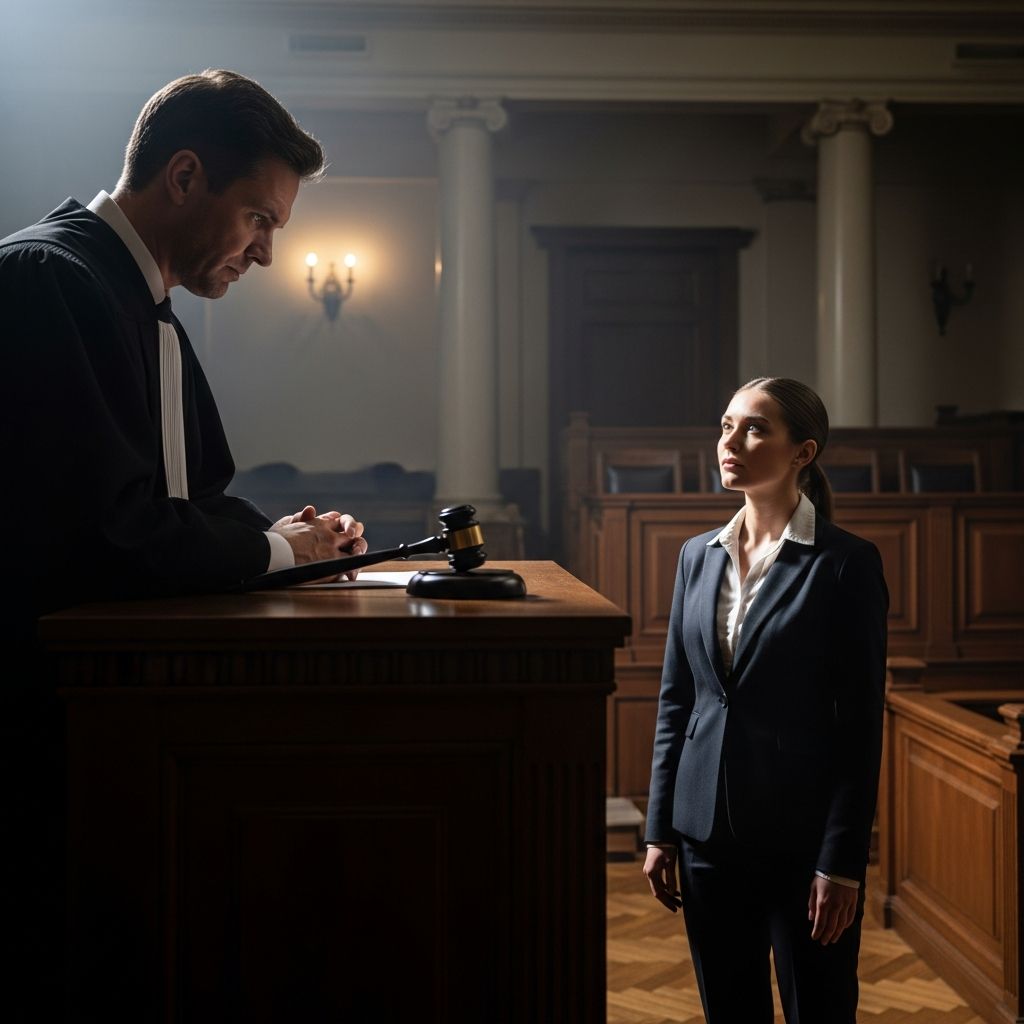
In the high-stakes environment of a courtroom, every interaction counts. When a judge comments on your attire or grooming, it can catch you off guard, potentially shifting the dynamics of the proceedings. Such moments test your composure, respect for the court, and ability to maintain focus on the merits of your case. This comprehensive guide equips attorneys, self-represented litigants, and witnesses with strategies to respond effectively, drawing from established courtroom etiquette principles to turn potentially awkward situations into opportunities for demonstrating professionalism.
Understanding the Courtroom’s Unwritten Dress Code
Courtrooms demand a level of formality that reflects the gravity of legal proceedings. Appropriate attire signals respect for the judicial process, the judge, and all participants. Business professional clothing—such as suits, dress shirts, blouses, skirts, or slacks in conservative colors like navy, black, gray, or beige—is standard. Avoid flashy accessories, revealing clothing, or casual wear like jeans, t-shirts, or athletic shoes, as these can undermine your credibility.
Judges often view appearance as an extension of one’s seriousness toward the case. For instance, men should wear ties and jackets, while women opt for modest dresses or suits. Grooming matters too: clean-shaven or neatly trimmed facial hair, controlled hair, and minimal makeup or jewelry project professionalism. These norms aren’t arbitrary; they stem from centuries of legal tradition emphasizing decorum to ensure fair, orderly justice.
- Core Attire Principles: Opt for subdued colors and fits that allow comfortable standing and movement.
- Grooming Essentials: Ensure hair is tidy, nails clean, and scents subtle to avoid distracting others.
- Accessories Caution: Limit to a watch or simple earrings; remove piercings if possible.
Violating these can prompt judicial intervention, not as personal criticism but to uphold courtroom standards. Recognizing this context prepares you to respond without defensiveness.
Why Judges Address Appearance: Context and Intent
Judicial comments on attire typically arise to maintain order and impartiality. A judge might note inappropriate clothing to remind participants of expectations, prevent distractions, or set a tone of respect. In some cases, it underscores perceived lack of preparation or seriousness, influencing perceptions of your arguments.
From official guidelines, judges hold authority to regulate courtroom conduct, including appearance, to ensure proceedings remain focused. Such remarks are rarely malicious; they enforce decorum uniformly. For pro se litigants—those representing themselves—missteps are common due to unfamiliarity, making preparation crucial. Attorneys must model compliance for clients, as visible lapses can erode trust with the bench.
| Situation | Possible Judicial Intent | Impact on Case |
|---|---|---|
| Casual clothing (e.g., shorts) | Enforce formality | May signal unpreparedness |
| Excessive jewelry or tattoos visible | Minimize distractions | Could bias jury perception |
| Untidy grooming | Uphold dignity | Undermines witness credibility |
Understanding these motivations allows measured responses that acknowledge the judge’s role while redirecting to substantive issues.
Immediate Response Strategies: Stay Composed
Your first priority is composure. When a judge remarks on your appearance—e.g., ‘Counselor, that tie is quite colorful’ or ‘Is that appropriate attire?’—pause briefly, stand if seated, and address the judge directly as ‘Your Honor.’ A simple acknowledgment like ‘Thank you for noting that, Your Honor. I will ensure compliance moving forward’ diffuses tension without argument.
Avoid sarcasm, excuses, or challenges, as these invite contempt findings. Instead, pivot politely: ‘Your Honor, I appreciate the guidance and apologize if my attire has distracted from the matter at hand.’ This shows respect and refocuses on the case. If represented, defer to counsel: ‘Your Honor, my attorney will address any concerns.’
- Listen Fully: Don’t interrupt; let the judge finish.
- Acknowledge Politely: Use phrases like ‘Understood, Your Honor’ to affirm respect.
- Correct if Feasible: If possible, step out to adjust (e.g., tuck in a shirt).
- Document Internally: Note for appeal if it seems biased, but respond neutrally first.
Maintaining a stoic demeanor prevents escalation, preserving your position.
Proactive Steps to Avoid Appearance-Related Issues
Prevention trumps reaction. Arrive early to observe others’ attire and court postings. Consult local rules via court websites or clerk offices, as standards vary by jurisdiction—federal courts often stricter than municipal ones. Pack a neutral blazer or scarf for quick fixes.
For virtual hearings, ensure professional backgrounds, lighting, and attire from the waist up. Turn off phones, silence notifications, and test tech beforehand. These habits minimize risks, allowing focus on advocacy.
- Pre-Court Checklist:
- Confirm dress code via court resources.
- Iron clothes night before.
- Practice standing/speaking posture.
Self-represented parties benefit from free legal aid clinics offering attire advice, reinforcing that preparation extends beyond arguments.
Long-Term Professionalism: Building Judicial Rapport
Consistent etiquette fosters goodwill. Always stand for judge’s entry/exit, address as ‘Your Honor,’ and avoid side conversations. Treat staff and opponents courteously—their input influences judges. Over time, impeccable presentation positions you as reliable, potentially swaying discretionary rulings.
In trials, jury perceptions amplify attire’s role; conservative looks enhance trustworthiness. Post-comment, follow up in chambers if needed, but only via counsel. Track patterns across judges for firm-wide training.
Special Scenarios: Handling Unique Challenges
Pro Se Litigants and Cultural Attire
Unrepresented parties face higher scrutiny. Respond humbly: ‘Your Honor, as a first-time litigant, I seek your guidance on attire.’ For religious or cultural garments, explain briefly if relevant: ‘This head covering is required by my faith; I assure it won’t interfere.’
Family or Juvenile Court Contexts
With children present, prioritize modesty. If a child disrupts due to your appearance, address immediately. Judges here emphasize parental fitness, so polished looks reinforce stability.
High-Profile or Media Cases
Visibility demands extra conservatism; avoid logos or trends that media might amplify negatively.
Frequently Asked Questions (FAQs)
What if a judge’s comment feels discriminatory?
Respond respectfully in the moment, then consult counsel for potential motions or complaints to judicial conduct boards. Document precisely without arguing on record.
Can I change clothes mid-hearing?
If permitted, yes—request a brief recess: ‘Your Honor, may I have a moment to adjust my attire?’
How strict are federal vs. state courts?
Federal often more formal; always check specific guidelines.
What about accommodations for disabilities?
Request in advance via ADA forms; judges must accommodate reasonable needs.
Does attire affect case outcomes?
Indirectly yes, via impressions of credibility and respect.
Mastering responses to judicial attire comments enhances your courtroom presence. By blending preparation, poise, and respect, you safeguard your case’s integrity amid unexpected scrutiny. Apply these insights to navigate with confidence.
References
- Guide to Proper Courtroom Etiquette | How to Behave in Court — Eric G. Johnson Law. 2023-05-15. https://www.ericgjohnsonlaw.com/essential-guide-appropriate-courtroom-behavior/
- A Lawyer’s Guide to Courtroom Etiquette: Eight Tips for Success — Texas Bar Practice. 2024-02-10. https://www.texasbarpractice.com/blog/courtroom-etiquette-tips/
- Court Etiquette and Decorum — Vestavia Hills Municipal Court. 2023-11-01. https://vhal.org/court-etiquette-and-decorum/
- Courtroom Etiquette | Third Judicial District, KS – Official Website — Shawnee Court. 2024-08-20. https://www.shawneecourt.org/332/Courtroom-Etiquette
- Tips for your day in court | California Courts | Self Help Guide — California Courts Self-Help. 2025-01-05. https://selfhelp.courts.ca.gov/tips-your-day-court
- Code of Conduct for United States Judges — U.S. Courts. 2024-03-12. https://www.uscourts.gov/administration-policies/judiciary-policies/ethics-policies/code-conduct-united-states-judges
Similar Articles








Read full bio of medha deb


