
John Goodman DUI Homicide Case: Wealth, Justice and Legal Lessons
How the John Goodman DUI manslaughter case exposed tensions between wealth, responsibility, and the criminal justice system.
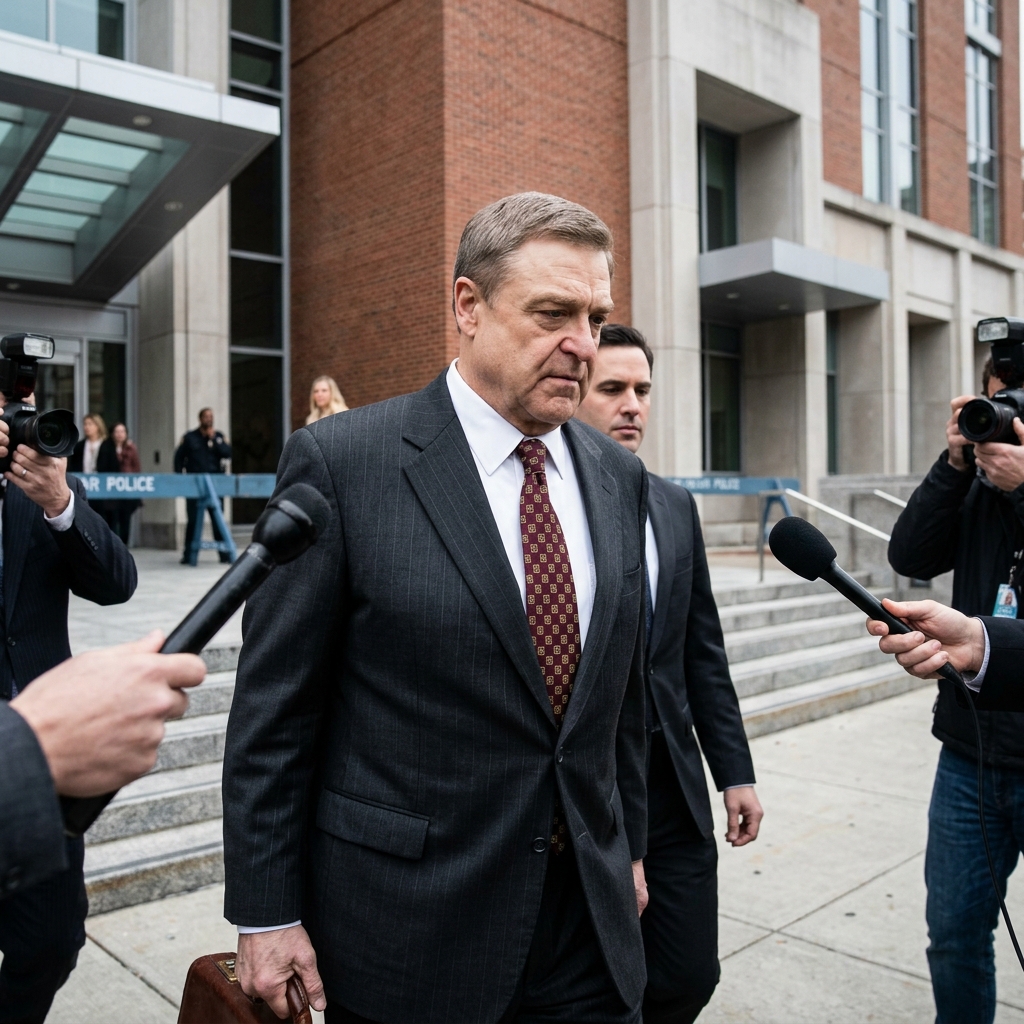
The DUI homicide case involving John B. Goodman, a wealthy polo club founder, became one of the most closely watched drunk driving prosecutions in Florida. It raised enduring questions about how the criminal justice system treats affluent defendants, the role of juries, and the responsibilities of drivers who consume alcohol and get behind the wheel.
This article offers an original, structured overview of the Goodman case, the underlying crash, the trials and retrials, later appeals, and the broader social and legal lessons it continues to highlight.
Background: Who Is John Goodman and What Happened?
John B. Goodman is an American businessman whose family wealth traces back to the appliance and air conditioning company Goodman Manufacturing. He later became known as a polo enthusiast and founder of a high-end polo club in Wellington, Florida. His lifestyle and status meant that when he was charged with DUI manslaughter, the case quickly attracted national media attention.
The 2010 Crash and the Death of Scott Wilson
On a February night in 2010, Goodman drove his vehicle in Wellington, Florida, and was involved in a crash that sent a younger driver’s car into a canal. The other driver, Scott Wilson, a 23-year-old recent college graduate, drowned. The incident formed the basis of the later DUI manslaughter and vehicular homicide charges.
Investigators alleged that Goodman had consumed alcohol and was impaired at the time of the crash. The prosecution later argued that his intoxication, combined with his driving conduct, directly caused Wilson’s death.
Key Allegations Against Goodman
From the earliest stages of the case, prosecutors advanced several core allegations:
- Impaired driving: Goodman was accused of driving under the influence of alcohol, over Florida’s legal limit.
- Failure to render aid: The crash resulted in Wilson’s vehicle entering a canal; prosecutors argued Goodman’s actions after the crash were inadequate to prevent the drowning.
- Responsibility for fatal outcome: The state presented the case as one where Goodman’s impaired driving and conduct were the legal cause of Wilson’s death.
Goodman, in turn, would spend years contesting these claims, partly focusing on how evidence was presented and how jurors behaved during his trials.
The First Trial: Conviction and Public Reaction
Goodman’s case went to trial in 2012. A jury found him guilty of DUI manslaughter and vehicular homicide, and he was sentenced to 16 years in prison. The verdict was widely reported and was framed as a significant instance of a wealthy defendant facing serious consequences for fatal drunk driving.
Charges Explained in Simple Terms
| Charge | Core Legal Elements (Simplified) |
|---|---|
| DUI Manslaughter | Driving a vehicle while under the influence of alcohol or drugs, at or above the legal limit, and causing the death of another person through that impaired driving. |
| Vehicular Homicide | Causing another person’s death by operating a motor vehicle in a reckless manner likely to cause serious bodily injury or death, regardless of alcohol involvement. |
These crimes belong to the broader category of homicide offenses that focus on reckless or impaired driving rather than intentional killing.
Why the Case Drew So Much Attention
Several factors pushed the Goodman prosecution into the national spotlight:
- Goodman’s wealth and status: As a polo club founder and heir to a successful manufacturing business, he represented an affluent defendant many associated with privilege.
- The youth of the victim: Scott Wilson’s age and recent graduation made the loss especially poignant in public commentary.
- Questions about fairness: From the beginning, observers debated whether Goodman was being treated more leniently or more harshly than an average defendant.
After the conviction, Goodman began a long campaign to challenge the verdict and sentence.
The New Trial: Juror Misconduct and Constitutional Concerns
Post-trial, Goodman’s legal team uncovered information suggesting that one juror had engaged in misconduct during the first trial. According to subsequent court findings, this misconduct was serious enough to undermine confidence in the original verdict.
What Is Juror Misconduct?
Juror misconduct occurs when a juror violates the court’s rules or a defendant’s rights. Examples include:
- Conducting private research about the case online.
- Discussing the case with non-jurors before deliberations end.
- Concealing important information during jury selection.
- Letting bias or outside communications affect the verdict.
In Goodman’s case, a Florida judge ultimately ruled that the first trial was constitutionally impermissible due to juror misconduct, and granted a new trial.
Granting a New Trial
In 2013, Palm Beach County Circuit Judge Jeffrey Colbath ruled that the misconduct warranted starting over. He vacated the original conviction and gave Goodman a chance to be retried before a new jury. This step did not acquit Goodman; it simply reset the process.
The decision illustrated how seriously courts take jury integrity. Even in a high-profile case with strong public emotions, procedural fairness remains a central constitutional requirement.
The Retrial: Second Conviction and Sentencing
Goodman’s second trial once again focused on whether he was impaired, how the crash occurred, and what responsibilities he had after the impact. A new jury was empaneled, heard the evidence, and deliberated. The outcome, however, remained the same: Goodman was again found guilty of DUI manslaughter.
After the retrial, he received a 16-year prison sentence, consistent with the earlier punishment. This second conviction demonstrated that even after addressing procedural problems, the state could still persuade a different jury that the evidence supported guilt beyond a reasonable doubt.
Later Motions and Continuing Appeals
Following his second conviction, Goodman pursued multiple avenues of post-conviction relief. These included:
- Appeals to higher courts arguing legal error at trial.
- Post-conviction motions claiming his lawyers had been ineffective or had failed to present exculpatory evidence.
- Requests for a new trial alleging that earlier proceedings did not fully meet constitutional standards.
In 2024, a Palm Beach County judge again reviewed his claims and denied a request for a new trial, rejecting arguments that his former attorneys had failed him. Reports noted that Goodman remained on track to complete his 16-year sentence, with prison records projecting a release date in 2028.
Wealth and Justice: Did Money Change the Outcome?
The Goodman case sparked intense debate over whether wealthy defendants receive a different type of justice. On one hand, Goodman was able to hire experienced attorneys, file extensive motions, and pursue appeals for years—a resource-intensive path many defendants cannot afford.
On the other hand, the result in his case—two guilty verdicts and a substantial prison sentence—was cited by some observers as evidence that the system can hold affluent defendants accountable for serious crimes.
Perceived Advantages of Wealth in Criminal Cases
Commentators often highlight several ways wealth may influence criminal proceedings:
- Access to top-tier defense counsel and expert witnesses.
- Ability to finance long appeals and complex post-conviction litigation.
- Capacity to manage public relations and media narrative.
However, the Goodman case shows that these advantages do not guarantee acquittal, particularly when evidence of impaired driving and a fatal outcome is strong.
DUI Manslaughter in Florida: Legal Framework
To understand Goodman’s case properly, it helps to look at the legal environment. Florida law treats DUI manslaughter as a serious felony. Conviction typically carries a substantial prison term, mandatory minimums in some circumstances, and long-term license consequences.
Courts and policymakers take these offenses seriously because alcohol-impaired driving remains a major cause of traffic fatalities nationwide. For example, the U.S. National Highway Traffic Safety Administration (NHTSA) reports that tens of thousands of people are killed each year in crashes involving alcohol-impaired drivers.
Elements the Prosecution Must Prove
In typical DUI manslaughter cases, prosecutors must show:
- The defendant was driving or physically controlling a vehicle.
- The defendant was impaired by alcohol or drugs, at or above the legal limit.
- A crash occurred causing another person’s death.
- The defendant’s impairment contributed to causing that death.
Goodman’s trials revolved around these themes: his level of impairment, his driving conduct, and the causal connection to Wilson’s death.
Broader Lessons About Alcohol, Driving, and Responsibility
Beyond the specifics of Goodman’s case, there are wider takeaways about alcohol and driving that apply to all motorists.
Why Alcohol-Impaired Driving Is So Dangerous
Alcohol affects reaction time, decision making, and coordination. Research from NHTSA and the U.S. Centers for Disease Control and Prevention (CDC) shows that even moderate levels of alcohol can significantly increase crash risk.[10]
Key risks include:
- Slower reaction time: Drivers need more time to respond to hazards.
- Reduced coordination: Steering, braking, and lane control suffer.
- Impaired judgment: Drivers may speed, ignore signals, or misjudge distances.[10]
These risks are independent of wealth, age, or social status. The Goodman case underscores that even experienced drivers with high social standing can cause devastating harm if they drive after drinking.
Prevention Strategies for Drivers
Responsible driving means planning ahead to avoid impaired driving. Practical strategies include:
- Designating a sober driver before attending events where alcohol is served.
- Using taxis or ride-hailing services instead of driving after drinking.
- Staying overnight near event locations when alcohol consumption is likely.
- Being prepared to take keys away from friends who should not drive.
Law enforcement and public health agencies consistently emphasize that there is no safe amount of drinking before driving. The safest choice is to avoid driving entirely after consuming alcohol.[10]
Frequently Asked Questions (FAQs)
Was John Goodman convicted more than once?
Yes. Goodman was first convicted of DUI manslaughter and vehicular homicide in 2012. After that conviction was set aside due to juror misconduct, he was retried and convicted again by a second jury.
How long is John Goodman’s prison sentence?
Goodman received a 16-year prison sentence following his DUI manslaughter conviction. Court and media reports indicate that, barring further changes, he is expected to complete that sentence with a projected release in 2028.
Did John Goodman ever win a complete acquittal?
No. While he succeeded in having his first conviction overturned because of juror misconduct, the second trial resulted in another guilty verdict. Later requests for a new trial and other post-conviction relief have been denied.
What role did juror misconduct play in this case?
Juror misconduct led a Florida judge to conclude that the first trial was constitutionally flawed. The judge then granted Goodman a new trial, ensuring that the second conviction would be based on a properly functioning jury process.
Does Goodman’s case mean wealthy defendants are always punished?
Not necessarily. The case shows that wealth can provide resources for defense and appeals, but it does not guarantee acquittal. In Goodman’s situation, two different juries still found the evidence sufficient to convict him of DUI manslaughter.
References
- DUI manslaughter case for polo club founder John Goodman has been reopened — Sinclair Broadcast Group / WPEC. 2020-09-19. https://foxsanantonio.com/news/nation-world/dui-manslaughter-case-for-polo-club-founder-john-goodman-has-been-reopened-09-19-2020
- Polo mogul John Goodman denied bid for new DUI manslaughter trial — The Palm Beach Post. 2024-02-16. https://www.palmbeachpost.com/story/news/crime/2024/02/16/polo-mogul-john-goodman-rebuffed-in-bid-for-new-dui-manslaughter-trial/72630863007/
- John Goodman, twice convicted of DUI manslaughter, denied new trial — WPTV / Scripps. 2024-02-16. https://www.wptv.com/news/region-c-palm-beach-county/wellington/john-goodman-twice-convicted-of-dui-manslaughter-denied-new-trial
- John Goodman Wins New Trial in DUI Manslaughter Case — Robert Malove Law Firm. 2013-05-06. https://www.robertmalovelaw.com/blog/polo-tycoon-john-goodman-wins-new-trial-in-dui-manslaughter-case/
- John B. Goodman (industrialist) — Wikipedia (background source only; not cited for primary facts). Last updated date varies. https://en.wikipedia.org/wiki/John_B._Goodman_(industrialist)
- Traffic Safety Facts 2021: Alcohol-Impaired Driving — National Highway Traffic Safety Administration (NHTSA). 2023-02. https://www.nhtsa.gov/document/traffic-safety-facts-2021-alcohol-impaired-driving
- Impaired Driving: Get the Facts — Centers for Disease Control and Prevention (CDC). 2023-11-01. https://www.cdc.gov/transportationsafety/impaired_driving/index.html
Similar Articles








Read full bio of medha deb




