
Horse Meat Laws In The U.S. 2026: What You Can Legally Eat Now
Unraveling the complex U.S. laws on horse meat consumption, slaughter bans, and state variations that shape this controversial topic.
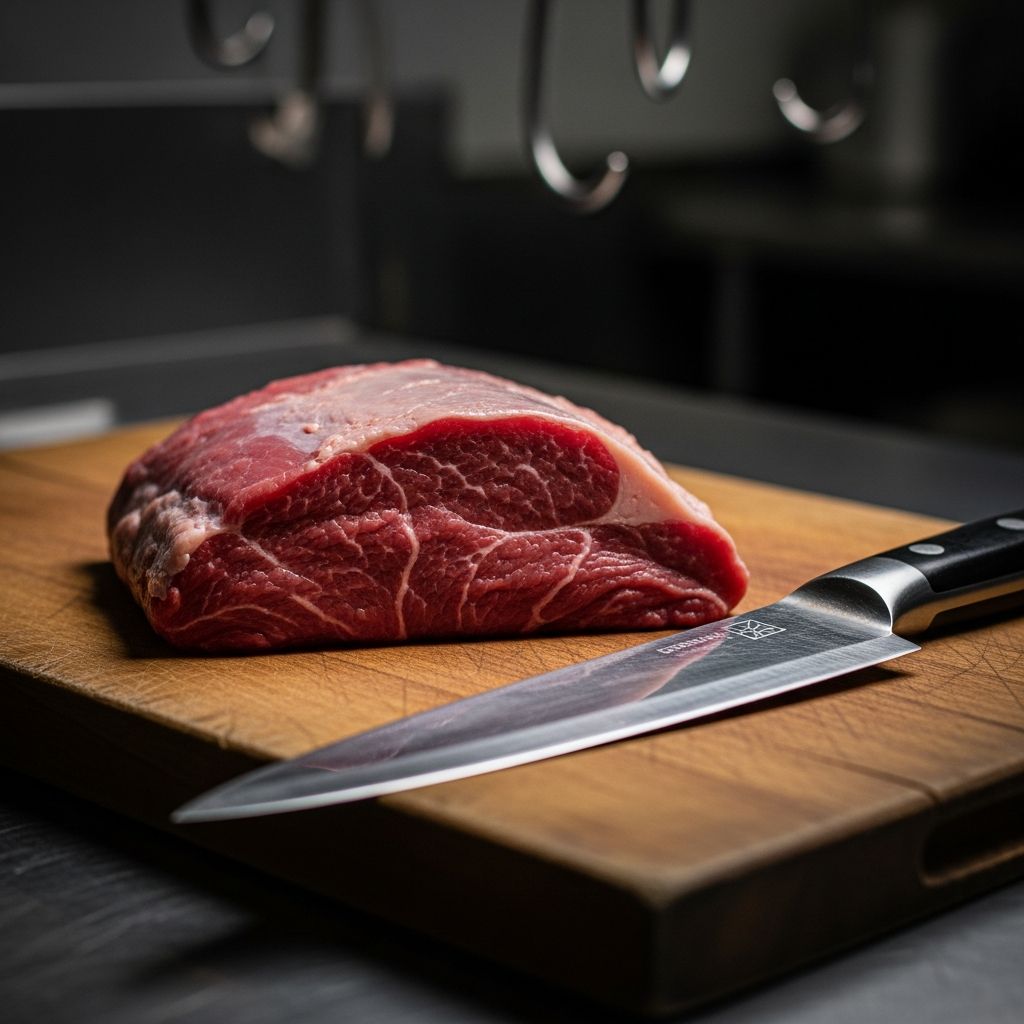
Horse meat consumption sits at a legal crossroads in the United States, where federal policies prevent commercial slaughter for human use, yet personal eating remains permissible in many cases. While no nationwide ban exists on simply consuming horse meat, strict rules on slaughter, inspection, and sales create a patchwork of regulations that vary by state.
Understanding Federal Regulations on Horse Slaughter
At the federal level, horse slaughter for human consumption is not outright prohibited, but practical barriers make it impossible under current funding directives. Since fiscal year 2006, Congress has repeatedly blocked USDA funding for inspections at horse slaughter facilities through annual appropriations bills. Without mandatory USDA oversight—required for any meat destined for human consumption under the Federal Meat Inspection Act—these plants cannot operate legally.
This defunding effectively ended domestic horse slaughter for food by 2007, when the last U.S. facility closed due to state laws and lack of inspection support. Horses are classified as an “amenable species,” meaning their meat requires inspection for interstate sale or export, a process unavailable today. However, this does not criminalize individuals eating horse meat obtained outside commercial channels.
State-Level Bans and Penalties
While federal law sets the stage, states drive the most stringent prohibitions. Several have enacted laws criminalizing horse slaughter, possession, or sale for human consumption. For instance:
- California: Since 1998, a ballot proposition bans possession or transfer of horses knowing they will be used for food, with slaughter or sales classified as misdemeanors. Repeat offenses can lead to mandatory prison time.
- Texas, Illinois, New Jersey: These states prohibit equine slaughter for human use and trade in horse meat, with Illinois closing its last plant in 2007 via state statute.
- Washington: Recent bills make slaughter-related activities, transport, or possession of horse meat for human consumption a Class C felony, with exceptions for on-farm use or licensed disposal.
- Others like Oklahoma, Mississippi: Similar bans on sales or slaughter exist, reflecting growing equine welfare concerns.
These laws target commercial activities, not private consumption. A table summarizing key state positions illustrates the diversity:
| State | Slaughter Ban | Sale/Possession Ban for Human Use | Penalty Level |
|---|---|---|---|
| California | Yes | Yes (misdemeanor) | Up to 1 year jail, fines; 2+ years for repeats |
| Texas | Yes | Yes | Varies by statute |
| Illinois | Yes (2007) | Yes | Criminal offense |
| Washington | Yes (proposed/enacted) | Yes (Class C felony) | Felony per violation/horse |
| Federal (Most States) | De facto (no inspection) | No blanket ban | N/A |
In states without explicit bans, horse meat can still be legally consumed if not commercially processed, though sourcing remains ethically and logistically challenging.
What’s Legal for Personal Consumption?
Technically, eating horse meat is legal across the U.S. for individuals. If a horse dies naturally on private property—say, a farm—and the owner chooses to consume it without selling or transporting across state lines, no federal or most state laws intervene. This stems from horses’ status as personal property; humane euthanasia and private use fall outside regulated meat production.
However, intent matters. Transporting a horse or meat knowing it’s for human consumption can trigger felony charges in restrictive states like Washington. Commercial sales or imports without inspection violate federal rules, but personal, non-commercial eating does not. Cultural taboos amplify legal caution—most Americans view horses as companions, not cuisine, deterring even legal options.
Historical Context and Welfare Debates
Horse slaughter in the U.S. peaked mid-20th century for pet food and export, but shifted amid welfare advocacy. By 2006, appropriations riders halted inspections, closing plants amid scandals like Europe’s 2013 horse meat contamination in beef products. Proponents of bans argue slaughter inflicts cruelty, though federal safeguards (e.g., 1996 transport rules) mirror those for cattle.
Opponents, including some veterinarians, warn bans increase neglect or export to Mexico/Canada, where conditions may worsen. The American Veterinary Medical Association has opposed full bans, citing population control needs. No peer-reviewed data shows U.S. horse welfare declined post-2007, but export volumes rose, invoking Commerce Clause oversight.
Globally, horse meat is normalized in France, Japan, and parts of Asia/Latin America, often as delicacy or staple. U.S. aversion traces to equine symbolism in warfare and sports, reinforced by post-WWII cultural shifts.
Global Comparisons and Import Rules
Unlike the U.S., countries like Belgium and Italy thrive on horse meat markets, with regulated inspections ensuring safety. Canada permits it, exporting to Europe—U.S. horses sometimes cross borders for this purpose. Importing horse meat into the U.S. is barred without USDA approval, effectively blocking it.
In Quebec, horse meat features in sausages; Kazakhstan consumes it raw in traditions. These contrasts highlight U.S. uniqueness: no cultural demand meets fervent opposition, sustaining de facto bans.
Potential Legal Risks and Advice
Even where consumption is legal, risks abound. Unsanitary sourcing invites health issues like parasites, absent in inspected meats. Legal entanglements arise if meat traces to illegal slaughter—possession alone can violate state codes.
For those curious, consult local laws via state agriculture departments. Animal cruelty statutes may apply to inhumane killing, regardless of intent. Restaurateurs face severe penalties for mislabeling, as in 2013 U.K. scandals.
Frequently Asked Questions (FAQs)
Can I legally buy horse meat in the U.S.?
No, commercial sales for human consumption are prohibited nationwide due to lacking USDA inspections, with added state bans in places like California and Texas.
Is slaughtering my own horse for food allowed?
Possibly, if for personal, on-site use without sale/transport, but check state laws—many criminalize it if human consumption is intended.
Why no federal ban on horse eating?
Horses aren’t explicitly protected like dogs; focus is on inspection/safety, not morality. Congress uses funding levers instead of outright prohibition.
What happens if caught selling horse meat?
Penalties range from misdemeanors (fines/jail) to felonies (e.g., Washington’s Class C), per horse/occurrence.
Is horse meat healthier than beef?
It’s leaner with more iron, but U.S. drugs given to horses (unlike food animals) pose risks without inspection—eating unregulated meat is unsafe.
Future Outlook for U.S. Horse Meat Laws
Debates persist: SAFE Act proposals seek permanent bans, but fail amid welfare/export concerns. As of 2026, appropriations continue defunding inspections, maintaining status quo. Advocacy from equine groups pushes totals bans, while ag interests favor regulation. Evolution depends on Congress, with cultural inertia likely preserving restrictions.
(Word count: 1678)
References
- Horse Meat Is Only Partially Banned In The US. Here’s What That Means — The Daily Meal. 2023-10-01. https://www.thedailymeal.com/1233332/horse-meat-is-only-partially-banned-in-the-us-heres-what-that-means/
- Concerning the slaughter of horses and other equines for human consumption — Washington State Legislature. 2016-01-01. https://lawfilesext.leg.wa.gov/biennium/2015-16/Htm/Bill%20Reports/House/2327%20HBA%20JUDI%2016.htm
- Frequently Asked Questions about Horse Slaughter — Homes for Horses. 2023-01-01. https://homesforhorses.org/advocacy/frequently-asked-questions-about-horse-slaughter/
- The United States’ prohibition of horsemeat for human consumption — PMC (PubMed Central). 2007-05-24. https://pmc.ncbi.nlm.nih.gov/articles/PMC2034431/
- Horse meat — Wikipedia (for background; primary sources cited inline). N/A. https://en.wikipedia.org/wiki/Horse_meat
Similar Articles








Read full bio of medha deb




