
Does Insurance Cover Riot and Curfew Losses?
Uncover how business and property insurance handles damages from riots, looting, vandalism, and curfew-related disruptions for small enterprises.
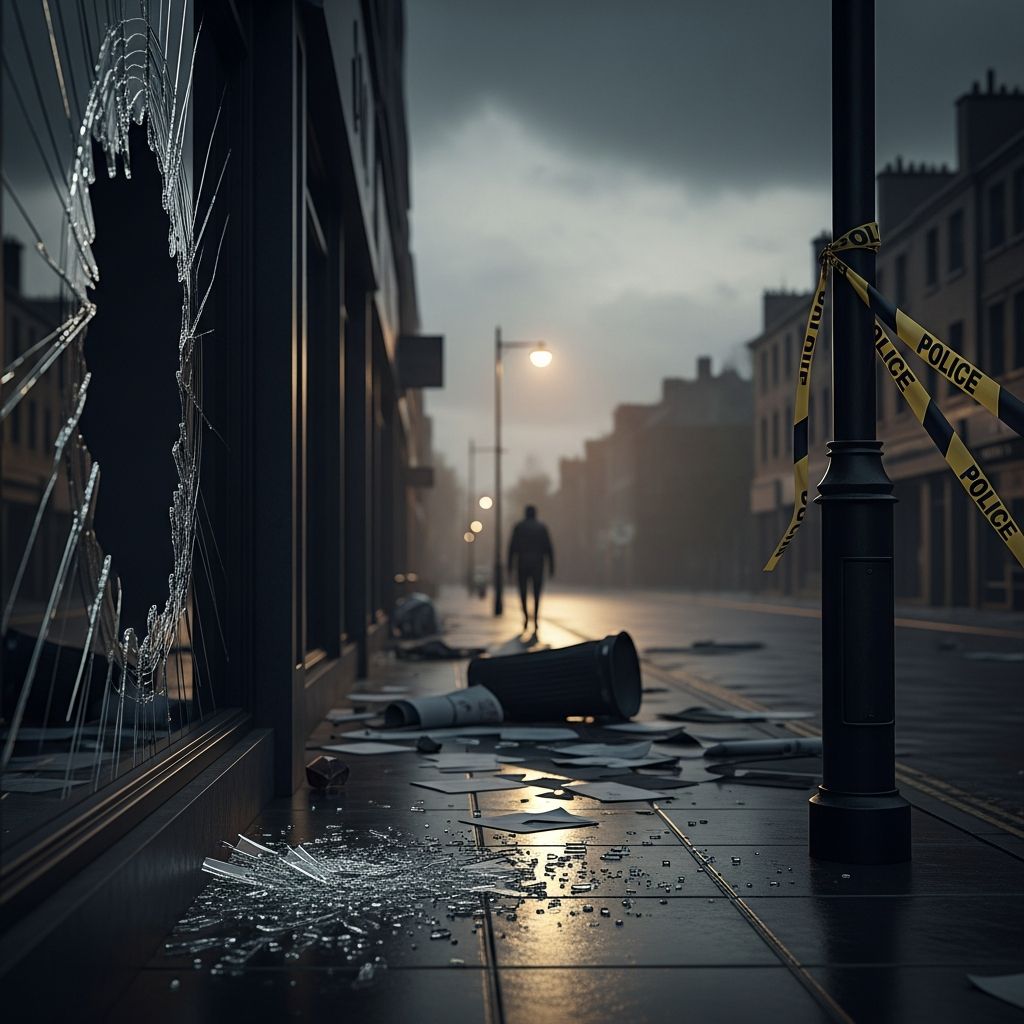
Small businesses often face unexpected threats from civil unrest, including riots, looting, and government-imposed curfews that halt operations. Standard commercial property policies frequently include protections for physical damage caused by these events, as well as potential business interruption coverage for lost revenue. However, coverage details vary by policy, and understanding key terms like “riot,” “civil commotion,” and “vandalism” is crucial for policyholders.
Understanding Key Perils in Civil Unrest
Civil unrest encompasses a range of disruptive events that can devastate business properties. A
riot
typically involves a group of three or more people engaging in violent, tumultuous behavior that disturbs the peace, often with intent to execute a private enterprise through force. This definition aligns with legal standards used in insurance contexts, distinguishing it from peaceful protests.**Civil commotion** refers to broader public disturbances without the organized intent of a riot, such as widespread vandalism during protests.
Looting
involves theft amid chaos, whilevandalism
covers deliberate property defacement or destruction, like graffiti or broken windows. These perils are commonly covered under all-risk commercial policies unless explicitly excluded.Curfews, imposed by civil authorities to quell unrest, add another layer. They restrict access and operations, leading to revenue loss even without direct damage to your property. Policies often address this through specific extensions.
Property Damage Coverage Essentials
Most business owners policies (BOPs) and commercial property insurance cover direct physical losses from riots and related vandalism. This includes:
- Structural damage to buildings, such as shattered storefronts or fire harm from arson.
- Loss or destruction of inventory and equipment inside the premises.
- Graffiti removal, debris cleanup, and temporary board-ups.
- Damage inflicted by both rioters and authorities during response efforts.
For example, if looters smash windows and steal goods, insurers typically reimburse repair costs and replacement value, subject to deductibles. Homeowners policies extend similar protections for residences affected by unrest, covering both structures and contents.
However, coverage isn’t automatic. Policies may impose sub-limits or require proof that the loss resulted directly from a covered peril. Businesses in high-risk urban areas should verify inclusions during policy reviews.
Business Interruption and Lost Income Protections
Beyond physical repairs, riots trigger income losses from forced closures.
Business interruption (BI) coverage
compensates for net profits and continuing expenses during the restoration period, provided there’s direct damage to your property.Key extensions include:
- Civil authority coverage: Reimburses losses when government orders, like curfews, prevent access—even without damage to your site. Often requires damage within 1-10 miles.
- Dependent properties: Covers interruptions if suppliers or customer sites are affected.
- Extra expense: Funds temporary relocations or increased operating costs.
Many policies feature a 72-hour waiting period, excluding the initial days of shutdown. Coverage might cap at weeks, not months. During the 2020 unrest, businesses successfully claimed BI for curfew-enforced closures tied to nearby riot damage.
Common Policy Exclusions and Limitations
Not all scenarios qualify. Insurers may deny claims under these exclusions:
| Exclusion Type | Description | Impact on Claims |
|---|---|---|
| Terrorism | Applies if unrest is deemed ideologically motivated or terror-related. | May void standard SRCC coverage; requires political violence endorsement. |
| Vacancy | No coverage for vandalism if property unoccupied >60 days. | Affects abandoned stores during unrest. |
| Ordinance/Law | Costs to comply with new building codes post-damage. | Often needs separate endorsement. |
| Wear and Tear | Pre-existing damage mistaken for riot harm. | Requires thorough documentation. |
Strikes, riots, and civil commotion (SRCC) clauses have evolved due to rising claims, with insurers adding precise definitions post-2020 events. Virus exclusions, relevant in hybrid unrest scenarios, rarely apply to pure riot damage.
Steps to Secure and Maximize Coverage
Proactive measures enhance protection:
- Review annually: Confirm SRCC inclusions; add endorsements for political violence or active shooter risks.
- Document risks: Note proximity to protest hotspots; consider higher limits.
- Enhance security: Install cameras and alarms—may lower premiums and support claims.
- Hybrid policies: Bundle BI with cyber or supply chain extensions for comprehensive safeguards.
For high-exposure businesses, specialized SRCC policies cover extended perils like supply disruptions or third-party liabilities from hired security.
Filing a Claim: Best Practices
Act swiftly post-incident:
- Report to police immediately for an official record.
- Notify insurer within policy timelines (often 24-48 hours).
- Photograph/video all damage before cleanup.
- Retain receipts for repairs, temporary housing, or lost sales projections.
- Track BI losses with daily revenue logs.
Expect adjusters; disputes may require public adjusters or attorneys specializing in insurance recovery. Recent cases show high success rates for documented riot claims versus pandemic BI denials, due to provable physical damage.
Real-World Case Insights
During 2020 protests, thousands of businesses recovered millions for smashed facades, stolen inventory, and curfew losses. A Wisconsin firm secured BI for a month-long closure after nearby riot damage, despite no direct hit. Urban retailers often invoke civil authority provisions when one damaged block triggers area-wide restrictions.
Conversely, denials arose from terrorism labels or vacancy issues, underscoring policy scrutiny’s importance. These examples highlight that preparation separates compensated victims from out-of-pocket owners.
Future Trends in Unrest Insurance
Rising civil unrest frequency—fueled by social tensions—prompts insurer adaptations. Premiums in volatile areas climb, with clearer SRCC terms and political risk add-ons gaining traction. Businesses near ports or events venues eye cargo extensions for riot sabotage.
AI-driven risk modeling now predicts hotspots, aiding underwriting. Policyholders benefit from transparent language, reducing disputes. As threats evolve, consulting brokers ensures policies match 2026 realities.
Frequently Asked Questions (FAQs)
What counts as a ‘riot’ under insurance policies?
A riot is generally a violent disturbance by three or more people acting tumultuously to intimidate or execute a private goal. Peaceful protests don’t qualify unless they turn destructive.
Does coverage apply without direct damage to my business?
Yes, via civil authority or dependent property extensions if nearby damage or orders like curfews cause interruption. Radius limits (1-10 miles) apply.
Are curfew losses covered?
Often under BI with civil authority provisions, especially post-riot damage nearby. Waiting periods and caps limit payouts.
How do I prepare for potential unrest?
Audit policies for SRCC inclusions, document assets, boost security, and consider endorsements for terrorism or extended BI.
What if my claim is denied?
Appeal with police reports, photos, and expert help. Physical damage claims succeed more than pure interruption ones.
References
- Does Homeowners Insurance Cover Riots — HUB International. 2020-09. https://www.hubinternational.com/blog/2020/09/does-homeowners-insurance-cover-riots/
- Insurance Relief for Riot-Impacted Businesses — McGuireWoods. 2020-06. https://www.mcguirewoods.com/client-resources/alerts/2020/6/insurance-relief-for-riot-impacted-businesses/
- Insurance Coverage Damage and Business Losses from Riots and Vandalism — Axley LLP. N/A. https://www.axley.com/publication_article/insurance-coverage-damage-and-business-losses-from-riots-and-vandalism/
- Insurance Coverage Claims for Theft, Vandalism and Curfews — Policyholder Pulse. N/A. https://www.policyholderpulse.com/insurance-coverage-claims-vandalism-curfews/
- Navigating Political Risks and Civil Unrest: Insurance Considerations — Woodruff Sawyer. N/A. https://www.wshblaw.com/publication-navigating-political-risks-and-civil-unrest-insurance-considerations
Similar Articles








Read full bio of medha deb




