Insurance Claims After an Accident: A Practical Guide
Learn how to move from crash to compensation with a clear, step-by-step approach to accident insurance claims.
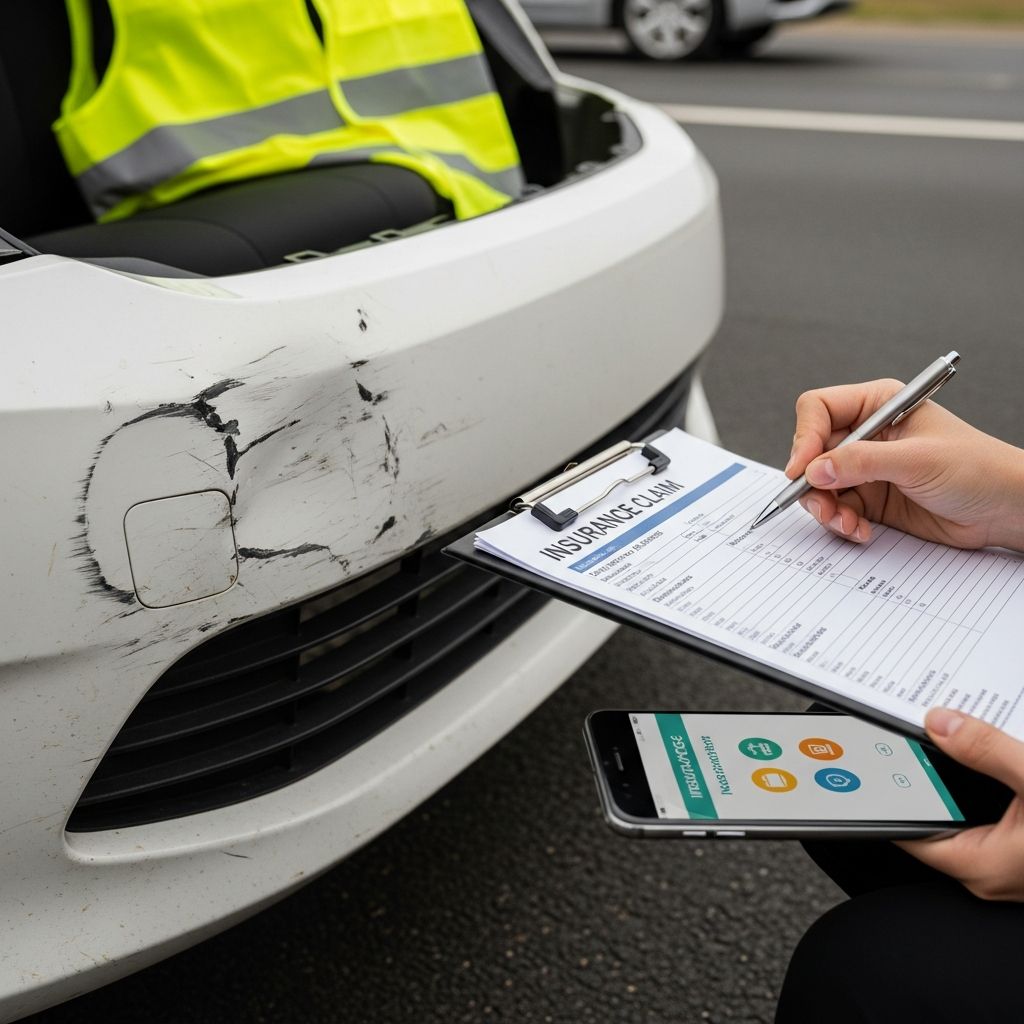
After a crash or serious incident, dealing with injuries and damage is stressful enough. Navigating the insurance claims process at the same time can feel overwhelming, especially if it is your first claim. This guide explains how accident claims typically work, what insurers look for, and how you can protect your rights from the first phone call to the final settlement.
Understanding What an Insurance Claim Really Is
An insurance claim is a formal request you make to an insurance company asking it to pay for losses covered under a policy. Those losses can include:
- Vehicle damage repairs or replacement
- Medical treatment costs and rehabilitation
- Lost income if you cannot work because of injuries
- Other out-of-pocket expenses reasonably related to the accident
In auto accidents, you may deal with more than one type of coverage (for example, liability, collision, medical payments, or uninsured motorist coverage). The specific rules and benefits depend on the law in your state and the language of your policy.
Immediate Actions After an Accident That Affect Your Claim
Your behavior in the minutes and hours after an accident can strongly influence how insurers evaluate your claim later. Safety comes first, but key steps also help you build a solid record.
1. Prioritize Safety and Medical Care
- Move to a safe area if it is possible and safe to do so.
- Call emergency services when anyone is injured or there is significant property damage.
- Accept medical evaluation at the scene and follow up with a doctor soon after, even if you feel “fine.” Some injuries, like concussions or soft-tissue damage, may not appear immediately.
Medical records created soon after the accident are critical evidence of your injuries and their connection to the crash.
2. Contact Law Enforcement When Required
Many states require that police be notified when there are injuries, a hit-and-run, or property damage above a certain dollar amount. An official report often includes:
- Time, date, and location of the collision
- Names and contact details of drivers and witnesses
- Basic description of what appears to have happened
Insurers frequently request a copy of this report and use it as one of several tools to evaluate fault.
3. Gather Information and Preserve Evidence
As long as you are safe and medically able, try to:
- Exchange names, phone numbers, addresses, and insurance details with all drivers involved
- Take photos of vehicle damage, skid marks, debris, weather and road conditions, and visible injuries
- Write down the license plate numbers and vehicle descriptions
- Collect contact details for any witnesses
This early documentation may be crucial if there are disagreements about how the accident occurred.
Reporting the Accident to Insurers
Most auto policies require that policyholders report accidents to the insurer “promptly” or within a specified time frame. Failing to report could give the insurer an argument for reducing or denying coverage.
How and When to Notify Insurers
You can usually report an accident by:
- Calling a 24/7 claims phone line
- Using a mobile app or online form
- Contacting your insurance agent or broker, who forwards the claim
Be prepared to provide basic facts:
- Time, date, and location of the accident
- Names, contact information, and insurance details for the other driver(s)
- Weather and road conditions
- Whether police and emergency services responded
At this stage, you do not need to provide a full, detailed narrative or accept blame. Stick to factual, concise descriptions.
Step-by-Step Overview of the Claims Process
Although every insurer has its own procedures, most accident claims move through a similar sequence. The table below illustrates a typical path from first notice of loss to final payment.
| Stage | What Happens | Your Role |
|---|---|---|
| 1. Claim opened | Insurer creates a claim file and assigns a claim number. | Confirm your contact details and note the claim number. |
| 2. Adjuster assigned | An insurance adjuster is appointed to evaluate losses and coverage. | Respond promptly to calls or emails from the adjuster. |
| 3. Investigation | Review of police reports, photos, statements, and policy terms. | Provide documents, answer questions, and avoid speculation. |
| 4. Damage and injury assessment | Insurer estimates repair costs and reviews medical records. | Supply repair estimates, bills, and proof of lost income. |
| 5. Coverage analysis | Insurer decides which policy provisions apply and any limits or exclusions. | Review your policy; ask for explanations in writing if unclear. |
| 6. Settlement offer | Insurer proposes an amount to resolve the claim. | Evaluate whether it covers current and reasonably expected future losses. |
| 7. Negotiation or appeal | You may negotiate, submit additional evidence, or challenge denials. | Consider legal advice, especially for significant injury claims. |
Working with the Insurance Adjuster
The claims adjuster is the insurer’s representative who investigates what happened, evaluates damage, and negotiates payment. Adjusters may work directly for the company or be independent contractors.
What Adjusters Typically Do
- Review the policy to understand coverage and limits
- Inspect vehicle damage in person or from photos
- Ask you, other drivers, and witnesses for statements
- Obtain and review police and medical reports
- Use software, repair estimates, and guidelines to calculate compensation
Adjusters must follow state insurance regulations and internal company guidelines, but they also evaluate evidence and credibility when reaching a conclusion.
Communication Tips When Dealing With Adjusters
- Be honest and consistent – Any misstatement can damage your credibility.
- Avoid guessing – If you do not know an answer, say so instead of speculating.
- Do not rush recorded statements – It is reasonable to schedule calls for a time when you are calm and can refer to notes.
- Keep written records – Maintain a log of dates, times, and summaries of conversations.
Documenting Losses: What to Save and Why It Matters
Insurers pay claims based on evidence. Inadequate documentation is one of the most common reasons for reduced payouts or delays.
Key Documents to Collect
- Policy declarations page showing your coverage and limits
- Police or crash report number and a copy of the report
- Photos or videos of the scene and damage
- Medical records, bills, and prescriptions related to the accident
- Repair estimates, invoices, and towing or storage bills
- Proof of lost wages (such as employer letters or pay stubs)
Organizing Your Claim File
To stay organized, consider creating:
- A physical folder or binder for paper documents
- A digital folder for photos, scans, and email communications
- A timeline of events, from the date of the accident through treatment and repair
Well-organized evidence can speed up the claim and strengthen your position if you need to challenge a low offer.
Common Types of Accident-Related Coverage
Policies vary by state and insurer, but many auto insurance contracts include similar core coverages.
| Coverage Type | What It Usually Covers | Typically Applies To |
|---|---|---|
| Liability | Bodily injury and property damage you cause to others, up to policy limits. | Claims made against you by other drivers, passengers, or property owners. |
| Collision | Damage to your own vehicle from a crash with another vehicle or object. | Your car repairs or replacement, usually minus a deductible. |
| Comprehensive | Non-crash losses like theft, fire, vandalism, or hail damage. | Vehicle damage from covered incidents other than collisions. |
| Medical payments / PIP | Medical bills (and sometimes lost wages) for you and passengers, regardless of fault. | Injured occupants of your vehicle; details vary by state law. |
| Uninsured / underinsured motorist | Your injuries and, in some states, property damage caused by a driver with little or no insurance. | Hit-and-run or at-fault drivers who lack adequate coverage. |
Negotiating Settlements and Responding to Denials
Insurance companies are obligated to handle claims in good faith, but they also seek to control costs. You are not required to accept the first offer if it does not reasonably reflect your losses.
Evaluating a Settlement Offer
Before deciding whether an offer is fair, consider whether it fully covers:
- Past medical expenses and any recommended future treatment
- Lost income and reduced earning capacity
- Repair or replacement of your vehicle and personal property
- Other reasonable out-of-pocket expenses, such as transportation to medical visits
Once you sign a full and final release, you generally cannot reopen the claim if new symptoms appear or costs increase. For significant injuries, many people consult an attorney before accepting a settlement.
How to Challenge a Low Offer or Denial
- Request the reason in writing – Ask the company to explain which facts or policy provisions support the decision.
- Provide additional evidence – New medical records, specialist opinions, or updated repair estimates can justify a higher offer.
- Use internal appeals – Many insurers have formal review or appeal procedures; ask how to submit an appeal.
- Consider legal assistance – A lawyer experienced in personal injury and insurance law can evaluate the denial and represent you in negotiations or litigation.
State insurance departments regulate insurers and often accept consumer complaints if you believe your claim is mishandled.
Deadlines and Time Limits You Cannot Ignore
Two different types of deadlines can affect your rights:
- Policy deadlines – Rules set by your contract, such as time limits for reporting accidents or submitting proof of loss.
- Legal time limits – State statutes of limitation that restrict how long you have to file a lawsuit for injuries or property damage.
Missing these deadlines can bar your claim, even if it is otherwise valid. If you are unsure about timing, seek legal advice as early as possible.
Frequent Mistakes That Can Harm Your Claim
Being aware of common pitfalls can help you avoid unnecessary disputes and delays.
- Admitting fault at the scene – Fault determinations should be based on evidence and applicable traffic laws, not on spontaneous apologies.
- Delaying medical care – Gaps in treatment may lead insurers to argue that your injuries were minor or unrelated to the accident.
- Posting about the accident on social media – Photos or comments may be taken out of context and used to challenge your account.
- Signing broad releases too early – Medical or liability releases can have long-term consequences; read them carefully.
- Ignoring your own insurer – Even when another driver is clearly at fault, you still have obligations under your own policy.
Frequently Asked Questions (FAQs)
Q: Do I have to report every accident to my insurer, even if damage is minor?
Many policies require prompt notice of any accident that may result in a claim. Failing to report can give the insurer a basis to limit or deny coverage later, especially if injuries appear after the fact.
Q: Can the insurance company force me to use a specific repair shop?
Insurers may recommend preferred shops, but in many states you have the right to choose your repair facility. The insurer, however, typically limits payment to what it considers a reasonable cost for repairs.
Q: What if the other driver has no insurance or leaves the scene?
If you carry uninsured motorist or similar coverage, you may be able to seek compensation from your own insurer for injuries and sometimes property damage caused by uninsured or hit-and-run drivers.
Q: Should I talk to the other driver’s insurance company?
You are often contacted by the other driver’s insurer for a statement. You generally have no obligation to provide a recorded statement immediately, and many people prefer to consult an attorney before giving one, especially when there are injuries.
Q: When is it a good idea to hire a lawyer?
Legal help is especially valuable when injuries are serious, liability is disputed, a claim is denied, or the insurer’s offer does not cover your medical bills, lost wages, and future needs.
References
- How to file a car insurance claim — Allstate Insurance Company. 2024-03-01. https://www.allstate.com/resources/car-insurance/how-to-file-a-car-insurance-claim
- How to File an Auto Insurance Claim — Progressive Casualty Insurance Company. 2023-08-15. https://www.progressive.com/answers/how-to-file-an-auto-claim/
- A Comprehensive Guide to Navigating the Insurance Claim Process — Wallace Law. 2023-11-10. https://www.wallaceinsurancelaw.com/a-comprehensive-guide-to-navigating-the-insurance-claim-process/
- Step-by-Step Guide to Navigating Car Accident Insurance Claims in NM — Maier Law Office. 2023-06-05. https://www.maierattorney.com/step-by-step-guide-to-navigating-car-accident-insurance-claims-in-nm
- Step-by-Step Overview of Filing a Car Accident Claim — Werner, Hoffman & Greig. 2022-09-19. https://wernerhoffman.com/blog/filing-car-accident-claim-steps/
- What to expect when you file a car insurance claim — Allstate Insurance Company. 2022-10-12. https://www.allstate.com/resources/car-insurance/how-to-file-a-car-insurance-claim
Similar Articles








Read full bio of Sneha Tete