
Inside Staged Car Crashes and Insurance Fraud Rings
How organized rings stage car accidents, exploit insurance systems, and what drivers can do to stay safe and avoid becoming victims.
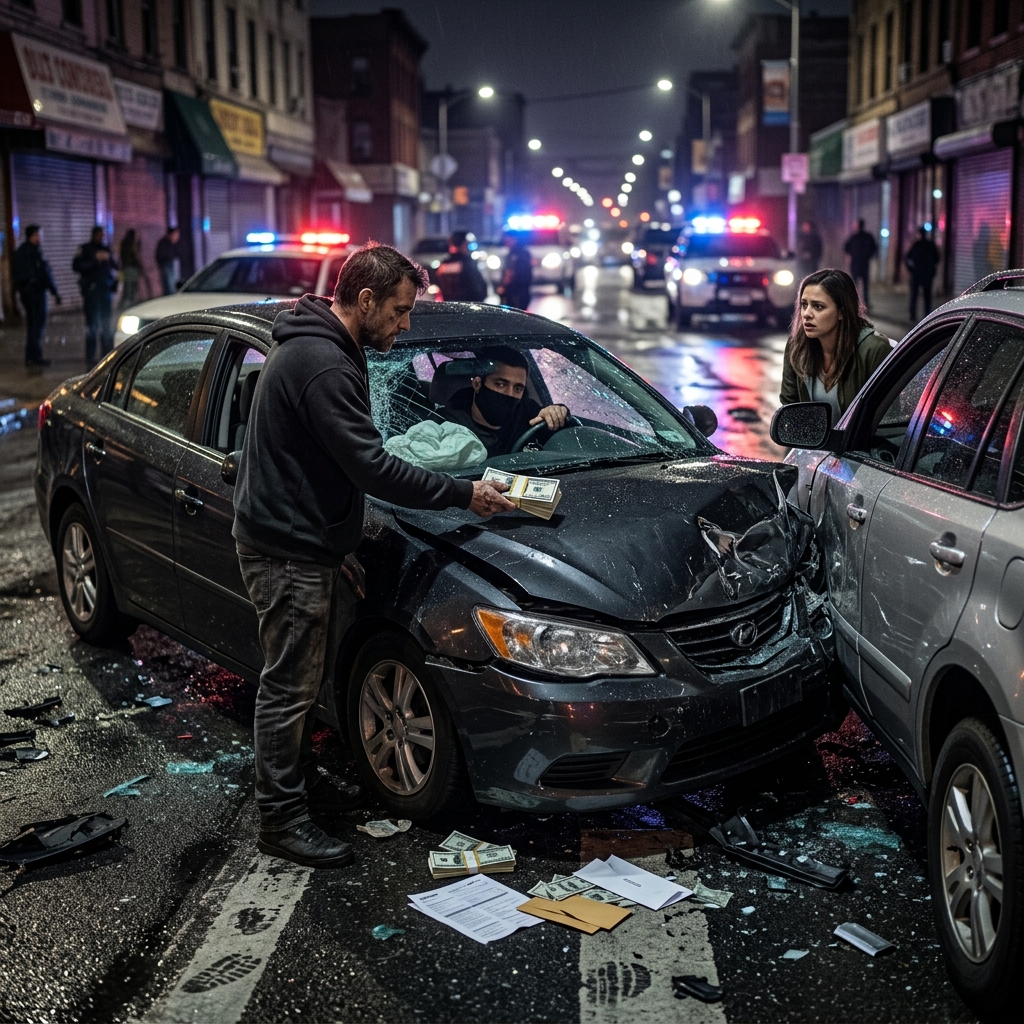
Across North America, staged car crashes have evolved from small-time scams into sophisticated criminal enterprises that siphon millions of dollars from insurers every year. These schemes not only inflate premiums for honest drivers but also expose unsuspecting motorists to serious physical danger and complex legal battles. This article examines how staged accident rings operate, the legal and financial fallout, and practical steps you can take to reduce your risk.
The Bigger Picture: Why Staged Accidents Matter
Insurance fraud is not a marginal problem. The Coalition Against Insurance Fraud estimates that fraudulent activity across U.S. insurance markets costs roughly $309 billion per year, with property and casualty fraud accounting for around $45 billion. Auto-related schemes, including staged crashes, represent a major portion of this total. The FBI has estimated that staged accidents alone may be responsible for approximately $20 billion in illegal claims annually.
Beyond the dollar figures, staged car crashes matter because:
- They divert resources from legitimate injury victims.
- They drive up premiums for law-abiding policyholders.
- They put innocent drivers and passengers at risk of serious harm.
- They can entangle victims in investigations, lawsuits, and criminal proceedings.
How Organized Fraud Rings Build Staged Crash Schemes
Modern staged accident schemes are often run by organized fraud rings rather than isolated individuals. These groups resemble small criminal businesses, with each participant playing a specific role in the operation.
Key Roles Within a Fraud Ring
Although exact structures vary, many rings involve a similar cast of characters:
- Recruiters – Individuals who find willing participants to ride in vehicles, pose as injured passengers, or act as fake witnesses.
- Drivers – Members tasked with deliberately causing collisions in ways that make the other driver appear at fault.
- Passengers – People willing to claim injuries in exchange for a payment per crash.
- Medical professionals – Unethical providers or clinic operators who submit exaggerated or fraudulent treatment bills to insurers.
- Attorneys – Lawyers who file lawsuits, negotiate inflated settlements, and help turn fraudulent claims into payouts.
- Organizers – The individuals coordinating locations, vehicles, scripts, and post-crash steps to maximize financial gain.
The Typical Life Cycle of a Staged Crash
While each ring develops its own playbook, a staged accident often follows a predictable pattern:
- Planning the scenario – Fraud organizers select a location, usually an area with heavy traffic or wealthier drivers who are likely to have robust insurance policies.
- Engineering the collision – The driver intentionally causes a crash designed to make the other vehicle appear responsible, such as sudden braking in front of the target car or cutting in aggressively.
- Controlling the narrative at the scene – Fake witnesses, passengers, or even accomplice “good Samaritans” support a consistent story that blames the unsuspecting driver.
- Steering victims to preferred providers – Accomplices may quickly recommend particular clinics, tow companies, or attorneys, ensuring the ring maintains control.
- Inflating medical and repair costs – Medical providers and body shops submit padded or fabricated bills, often with extended treatment that far exceeds what would be medically necessary.
- Litigation or settlement – Attorneys file claims or lawsuits, often pushing for large bodily injury settlements based on exaggerated or falsified injuries.
Common Tactics Used in Staged Car Accident Scams
Fraud rings use a variety of collision scenarios designed to exploit typical driving behaviors and liability rules. The National Insurance Crime Bureau and legal sources describe several patterns that innocent motorists should recognize.
Frequent Collision Patterns
| Scam Type | How It Works | Risk to Victim |
|---|---|---|
| Sudden Brake “Swoop and Squat” | A vehicle cuts in front of a target car and brakes hard, causing a rear-end collision that appears to be the following driver’s fault. | Liability is pushed onto the innocent driver; multiple passengers may claim injuries. |
| Reverse Impact | The scammer pulls ahead, then reverses into the victim’s car while claiming the victim hit them. | Dashcam or physical evidence is needed to refute the false narrative. |
| Side Swipe at Intersections | A vehicle waits for the victim to enter an intersection or change lanes and then deliberately collides, alleging the victim ran a light or turned improperly. | Conflicting stories can make it difficult for insurers to determine fault absent witnesses. |
| Fake Rear Passenger Injuries | Multiple passengers are packed into a car and all claim whiplash or other soft-tissue injuries after a minor collision. | Large bodily injury claims and prolonged treatment periods may follow. |
| Hit-and-Run Fabrication | A driver reports a collision that did not occur or blames unknown vehicles for pre-existing damage. | Insurers pay out for damage and injuries that are entirely fictitious. |
Soft vs. Hard Insurance Fraud
Legal and insurance professionals often distinguish between two broad categories of fraud:
- Soft fraud – Exaggeration of legitimate claims, such as overstating vehicle damage, claiming more severe pain than actually experienced, or misreporting mileage or garaging information on an application.
- Hard fraud – Premeditated schemes that involve deliberately staging accidents, fabricating injuries, or seeking payment for damage or medical issues that never occurred.
Staged collisions clearly fall into the category of hard fraud. They are generally treated more severely under both civil and criminal law because they involve intentional deception and, often, deliberate danger to others.
The Legal and Financial Consequences of Staged Accident Fraud
Participating in or organizing staged car crashes is not only unethical; it is criminal. In many jurisdictions, intentionally staging a motor vehicle collision for insurance purposes is a felony, subject to fines, restitution, and imprisonment. Lawmakers have begun introducing targeted legislation to address the unique risks posed by these schemes.
Criminal Liability
Individuals involved in staged accident rings can face charges including:
- Insurance fraud – Making false statements or submitting fraudulent claims to obtain payments from insurers.
- Conspiracy – Coordinating with others to commit fraud, which can increase penalties.
- Assault or reckless endangerment – Causing collisions that risk serious injury to victims or participants.
- Mail or wire fraud – Using mail, email, or electronic communications as part of fraudulent claim submissions.
Recent proposals, such as the Staged Accident Fraud Prevention Act introduced in the U.S. Congress, aim to make intentionally staging a crash a specific federal offense, reflecting the national scale and organized nature of these schemes.
Impact on Innocent Drivers
Victims of staged accidents may face significant fallout:
- Increased premiums – Claims, even when contested, can lead to higher insurance costs in subsequent policy periods.
- Civil lawsuits – Fraud rings may pursue large bodily injury suits, sometimes seeking millions of dollars in damages.
- Stress and time burden – Responding to requests from insurers, law enforcement, and attorneys can be stressful and time-consuming.
- Physical injury – Some staged crashes are violent, placing victims at genuine risk of harm.
Recognizing Red Flags at the Scene of a Crash
While not every unusual accident is fraudulent, certain patterns can signal that something is amiss. Legal and insurance professionals point to several warning signs drivers should note.
Behavioral Clues
- Immediate, exaggerated injury claims – The other driver or passengers quickly insist on severe pain or long-term disability after a minor impact.
- Suspicious witnesses – Multiple bystanders appear suddenly, support one version of events, and seem closely aligned with the other driver.
- Pressure to avoid police – Someone urges you not to call law enforcement or suggests “handling it between ourselves.”
- Aggressive referral to specific providers – Individuals on scene push you to see a particular doctor, clinic, body shop, or lawyer.
- Inconsistencies in the story – The other driver changes their explanation of what happened or appears rehearsed.
Contextual Red Flags
- Crashes in wealthier areas – Some rings target upscale neighborhoods or commercial corridors, assuming higher policy limits.
- Vehicles with many passengers – A car packed with occupants may signal preparation for multiple injury claims.
- Previous similar incidents nearby – Patterns of suspicious crashes in the same location can indicate an ongoing scheme.
Practical Steps to Protect Yourself
Even careful drivers can become targets. However, there are concrete actions you can take before, during, and after a collision to reduce your vulnerability and strengthen your position if fraud is suspected.
Before Anything Happens: Prevention Strategies
- Use a dash camera – Video footage is one of the strongest tools for disproving staged accident claims, especially in sudden brake or reverse-impact scenarios.
- Maintain safe following distances – Extra space reduces the likelihood of rear-end collisions engineered by other drivers.
- Stay alert in high-risk areas – Be especially cautious in heavy traffic, at complex intersections, and in locations known for frequent crashes.
- Understand your policy – Know your coverage limits, claim procedures, and any fraud reporting resources provided by your insurer.
At the Scene of an Accident
If a collision occurs, these steps can help protect your rights and create a clear evidentiary record:
- Call 911 or local law enforcement – Prompt notification creates an official record and deters parties from manipulating the situation.
- Document everything – Take photos and video of vehicle positions, damage, skid marks, traffic signals, and the surrounding area.
- Collect witness information – Politely ask independent bystanders for names and contact details; note if any witnesses appear to know the other driver.
- Record statements – Where lawful, document what participants and witnesses say immediately after the crash; memory fades quickly.
- Avoid admitting fault – Provide factual information to officers and insurers but do not speculate about legal responsibility.
After Leaving the Scene
Once you are safe and any urgent medical needs are addressed:
- Notify your insurer promptly – Report the accident as soon as possible and provide the documentation you gathered.
- Follow medical advice honestly – Seek appropriate care for genuine injuries but avoid exaggeration or unnecessary treatment.
- Consult an attorney – If you suspect fraud or face a large claim, legal counsel can help protect your interests.
- Cooperate with investigations – Transparent, consistent communication with your insurer and law enforcement strengthens your credibility.
Frequently Asked Questions About Staged Car Accident Fraud
1. How can I tell if an accident was staged?
No single factor proves an accident is staged, but a combination of red flags—such as sudden braking for no reason, numerous passengers claiming severe injuries after a minor collision, and on-scene pressure to use specific clinics or attorneys—should raise suspicion. If something seems inconsistent with the visible damage or the way the crash occurred, document carefully and share your concerns with law enforcement and your insurer.
2. What should I do if I suspect the other driver is committing insurance fraud?
Stay calm, ensure everyone’s safety, and call law enforcement. Collect as much objective evidence as possible, including photographs, video, and independent witness information. Inform your insurer of your concerns when you report the accident, and consider speaking with a lawyer if the claim escalates.
3. Can I be held liable if I was targeted in a staged crash?
Yes. Even if you were targeted, you may initially be treated as the at-fault driver, especially in rear-end or lane-change collisions. That is why evidence—such as dashcam footage, witness statements, and physical damage patterns—is crucial to challenging false narratives and protecting yourself.
4. Are staged accidents only a problem in certain regions?
Staged crash schemes have been documented in multiple U.S. states and across Canada, and similar patterns exist in other countries. While some metropolitan areas experience higher activity due to traffic density and higher policy limits, fraud rings can operate wherever they find vulnerable targets and cooperative participants.
5. How do authorities and insurers fight these schemes?
Insurers maintain special investigative units that analyze claim patterns, look for recurring names or providers, and share intelligence with organizations such as the National Insurance Crime Bureau. Law enforcement may use undercover operations, data analysis, and coordinated prosecutions to dismantle rings. Legislative initiatives, like efforts to make staged crashes a specific federal crime, aim to create clearer tools for prosecutors.
References
- Rampant Fraud in Staged Accidents — R Street Institute. 2025-05-21. https://www.rstreet.org/commentary/rampant-fraud-in-staged-accidents/
- Inside the Largest Car Insurance Fraud Scheme (Operation Sideswipe) — YouTube / LegalEagle. 2024-03-30. https://www.youtube.com/watch?v=eZffl1wNBq0
- Protect Yourself From These Top Car Accident Scams — Injury Law Colorado. 2022-10-12. https://www.injurylawcolorado.com/car-accident-attorney/car-accident-scams/
- Top Car Accident Scams & How You Can Avoid Them — Lorenzo & Lorenzo, P.A. 2023-04-06. https://www.lorenzoandlorenzo.com/personal-injury-guide/top-car-accident-scams/
- Staged Auto Accident Fraud — National Insurance Crime Bureau (NICB). 2021-08-17. https://www.nicb.org/prevent-fraud-theft/staged-auto-accident-fraud
- Dashcam captures dangerous alleged car insurance scam — ABC News / YouTube. 2019-08-21. https://www.youtube.com/watch?v=jvklFa7gdYA
Similar Articles








Read full bio of Sneha Tete




