
Inheritance Rights of Adopted Children Explained
Understand how adoption reshapes legal inheritance rights for children, biological relatives, and adoptive families under modern succession laws.
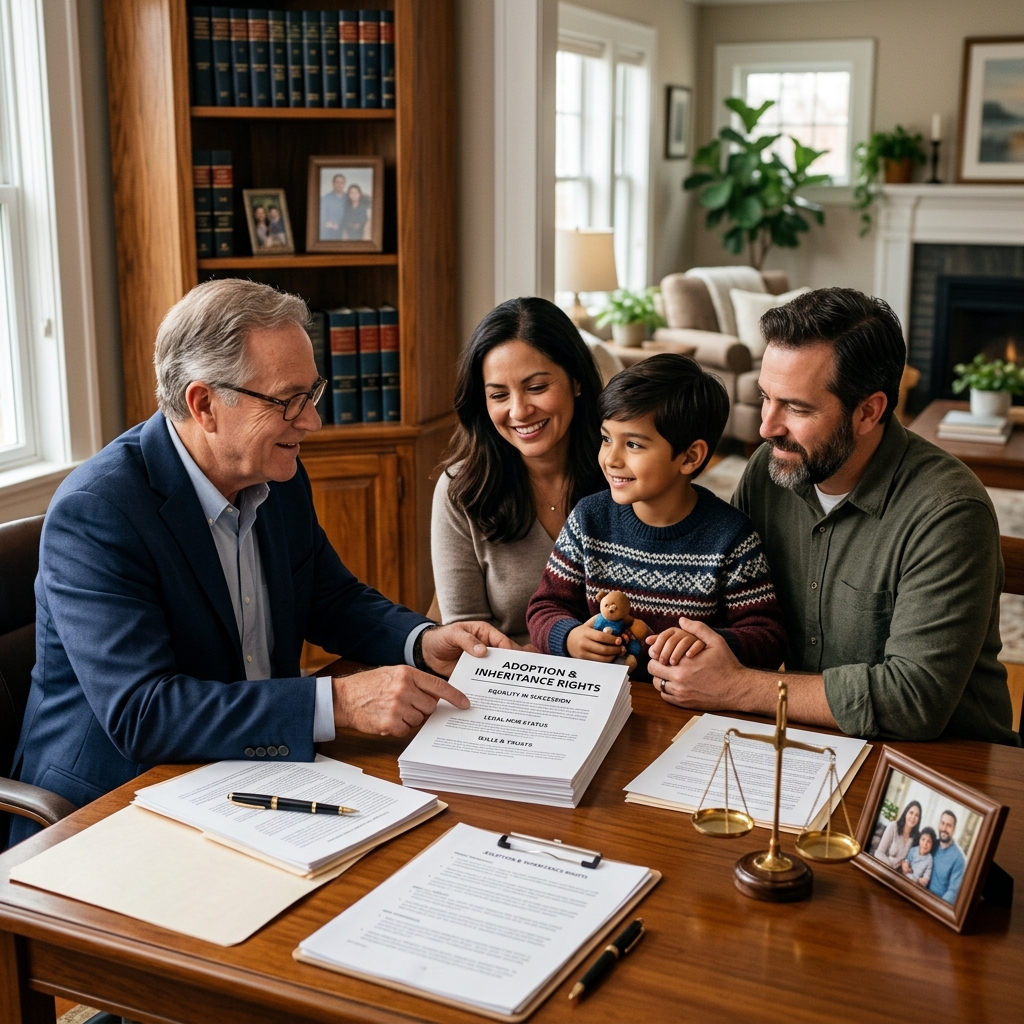
When a child is adopted, their family relationships are transformed not just emotionally, but legally. One of the most important — and often misunderstood — consequences of adoption is how it reshapes inheritance rights between the child, their biological relatives, and their adoptive family. Understanding these rules is essential for parents, adoptees, and extended family members who want to plan responsibly and avoid future disputes.
This guide explains how adoption affects inheritance from both adoptive parents and biological parents, how intestate succession works, and what exceptions and planning options are available under modern U.S. law.
1. Why Adoption Changes Legal Inheritance Rights
In most U.S. jurisdictions, a legally finalized adoption does two key things in the eyes of the law:
- Creates a full legal parent–child relationship between the adoptive parents and the child for all purposes, including inheritance.
- Generally severs the legal parent–child relationship between the child and their biological parents and biological family, unless specific exceptions apply.
Because inheritance is based on legal relationships rather than genetics, the child is treated as if they were born into the adoptive family and, correspondingly, no longer automatically treated as an heir in the biological family’s legal framework.
2. Core Principle: Adopted Children Are Full Legal Children of Adoptive Parents
Modern probate and family laws largely agree on one central rule: adopted children have the same inheritance rights as biological children of their adoptive parents. This principle applies whether the parent dies with a valid will or without one.
2.1 Equal Treatment Under a Will
When a parent creates a will or trust, they can name any person as a beneficiary. For adopted children:
- A child who is named in a will has the same right to receive their share as any biological child who is named.
- If the will refers to “my children” and does not distinguish between biological and adopted, the law typically treats adopted children as part of that group.
- An adopted child can also challenge a will, such as contesting a document they believe is invalid or obtained through improper means, in much the same way a biological child can.
In short, once adoption is final, the law usually does not draw a line between bio and adoptive children when interpreting a parent’s will.
2.2 Equal Rights in Intestate Succession
Intestate succession refers to what happens when someone dies without a valid will. State statutes specify which relatives inherit by default and in what proportions. In this setting:
- Legally adopted children are counted among the decedent’s children just like biological children.
- An adopted child typically receives an equal share with biological children when a parent’s estate is divided by statute.
- These rights usually extend “through” adoptive parents to other relatives, such as adoptive grandparents, for certain types of inheritance.
For example, if a parent dies without a will, leaving three biological children and one adopted child, state law commonly divides the estate into four equal shares, one for each child.
3. What Happens to Inheritance Rights from Biological Parents?
Adoption is designed to create clarity and permanency in family relationships. As part of that process, the legal rights and obligations between the child and their biological parents are generally terminated. This termination typically includes:
- No automatic right to inherit intestate from biological parents once adoption is finalized.
from biological grandparents and other biological relatives through intestate succession.
The Federal Child Welfare Information Gateway and multiple estate-planning authorities confirm that adoption ordinarily breaks the legal parent–child link with biological parents for inheritance purposes.
3.1 When Biological Parents Leave No Will
Consider the situation where a biological parent dies without a will:
- State intestate statutes typically treat only legal children as heirs.
- Because adoption transfers parental rights to the adoptive parents, the adoptee is generally not recognized as a child for intestate purposes in the biological parent’s estate.
- As a result, the adopted child usually receives no share of a biological parent’s intestate estate unless a special statutory rule applies in that state.
In practice, this means that verbal promises or informal understandings with biological relatives will not create intestate inheritance rights for an adopted child.
3.2 Inheritance When Biological Parents Do Make a Will
Despite the general rule that adoption severs legal inheritance rights, biological parents can still choose to benefit a child who has been adopted out by:
- Explicitly naming the adopted child in their will or trust.
- Identifying them clearly (for example by name and birth date) to avoid any ambiguity.
If a biological parent properly includes the adopted child in a valid estate plan, the child can inherit just like any other named beneficiary, even though the default parent–child relationship was legally terminated at adoption.
4. Special State Variations and Exceptions
While the broad principles are widely shared, specific states recognize exceptions and unique rules regarding adoption and inheritance. Estate-planning attorneys often stress that the exact result can depend heavily on local statutes.
4.1 Stepparent and Relative Adoptions
Some states treat stepparent adoptions or adoptions by close relatives differently. For example:
- Where a stepparent adopts a child but the other biological parent remains in the child’s life, the child may retain inheritance rights through that remaining biological parent.
- If an adoption occurs after a biological parent’s death, statutes may permit inheritance rights to continue as to that deceased parent.
These nuanced situations show why understanding the type of adoption and the timing of events can be critical for inheritance outcomes.
4.2 Pre-Adoption Estate Plans and Omitted Child Rules
Many states have laws protecting children unintentionally left out of a will. In California, for example, courts may grant an appropriate share to adopted children who were omitted without a clear reason. In some circumstances:
- If a biological relative created an estate plan before the child’s adoption and never updated it, the child might receive a share if the law treats them as an omitted child.
- Courts examine whether the omission appears intentional or simply reflects that the testator did not revise their plan after the child’s birth or adoption.
These rules are highly fact-specific and can produce different outcomes depending on the jurisdiction and the wording of the documents.
4.3 States with Reciprocal Inheritance Provisions
Legal scholarship notes that some states have adopted statutes granting reciprocal inheritance rights between adopted children and both their natural and adoptive families under certain conditions, though such regimes are relatively rare. These provisions can allow inheritance in more than one family line, but they are limited and must be interpreted carefully.
5. Comparing Biological and Adoptive Inheritance Rights
The following table summarizes the typical differences in how an adopted child inherits from biological versus adoptive relatives under modern U.S. law:
| Relationship | Default Intestate Inheritance? | Inheritance by Being Named in a Will? | Key Notes |
|---|---|---|---|
| Adoptive parents | Yes — equal to biological children. | Yes, like any named beneficiary. | Adopted child is treated as full legal child for probate. |
| Biological parents (post-adoption) | Generally no, rights are severed. | Yes, if explicitly named. | Adoption usually ends automatic inheritance, but a valid will can override. |
| Adoptive grandparents and relatives | Often yes, through adoptive parents. | Yes, if named. | Child enters the adoptive family line for succession purposes. |
| Biological grandparents and relatives (post-adoption) | Generally no automatic rights. | Yes, if clearly named in will or trust. | Any inheritance must be intentionally granted, not presumed. |
6. Estate Planning Tips for Families with Adopted Children
Whether you are an adoptive parent, a biological relative, or an adopted adult, proactive estate planning is the most reliable way to ensure your wishes are respected. Relying exclusively on default statutes often leads to surprises.
6.1 For Adoptive Parents
Adoptive parents who want to protect their children should consider the following steps:
- Create or update a will that clearly identifies all children, including those adopted, and specifies their shares.
- Use clear language such as “all my children, whether biological or adopted” to avoid any doubt in interpretation.
- Consider trusts to manage assets for minor children or children with special needs, regardless of adoption status.
- Review beneficiary designations on life insurance and retirement accounts to ensure adopted children are included as intended.
Because adopted children already have equal intestate rights, the main goal is to align your estate plan with your actual wishes and avoid litigation among heirs.
6.2 For Biological Parents and Relatives
Biological parents and relatives who wish to leave property to a child who has been adopted out must act deliberately:
- Execute a formal will or trust naming the adopted child specifically.
- Provide enough identifying information to prevent disputes over the child’s identity, especially if names have changed.
- Understand that intestate laws will not automatically treat the adopted-out child as an heir.
Legal advice is especially important here, because mistakes or ambiguities can leave the child with no enforceable right to inherit.
6.3 For Adopted Adults
Adopted adults seeking clarity about their own inheritance rights can:
- Review the adoption decree or related court documents to confirm the type of adoption and any special provisions.
- Ask adoptive parents about their estate plan and encourage them to keep it current.
- Consult an attorney about whether any state-specific exceptions apply to inheritance from biological relatives.
- Consider creating their own will to define who will inherit from them, especially if there is contact with both adoptive and biological families.
Having clear documentation can prevent misunderstandings and provide peace of mind for all sides of the family.
7. Frequently Asked Questions (FAQs)
7.1 Do adopted children always have equal rights to inherit from adoptive parents?
In most states, yes. Once adoption is finalized, adopted children are legally treated the same as biological children for purposes of inheritance under both wills and intestate succession. Differences arise only if an estate plan intentionally treats children differently or if unique circumstances affect specific assets.
7.2 Can an adopted child inherit from biological parents if there is no will?
Typically no. Adoption generally severs the legal parent–child relationship between the child and biological parents, so the child is not recognized as an heir under intestate succession statutes. Exceptions may exist in certain stepparent or relative adoption scenarios, but they are limited and jurisdiction-dependent.
7.3 Can biological parents still leave property to a child who was adopted?
Yes. Biological parents can name the adopted child in a valid will or trust and thereby give them inheritance rights despite the adoption. The key is explicit identification and proper execution of the estate-planning documents; default statutes will not do this automatically.
7.4 What about inheritance from biological grandparents or siblings?
After adoption, an adopted child usually loses automatic inheritance rights from biological grandparents, siblings, and other relatives through intestate succession. However, those relatives can still choose to name the child as a beneficiary in their estate plans. Without such explicit planning, the adopted child generally has no enforceable claim.
7.5 Does the type of adoption (open, closed, stepparent) affect inheritance?
The legal effect on inheritance is driven mainly by the statute and the court order, not by whether the adoption is open or closed in a social sense. Stepparent and relative adoptions, however, can interact with specific state rules that preserve certain rights through one biological parent or in limited circumstances. It is important to check local law and speak with an attorney to understand how your specific adoption is treated.
7.6 Can an adopted child inherit from both adoptive and biological families?
As a matter of default intestate law, usually the child inherits only through the adoptive family line. However, biological relatives can use wills or trusts to grant inheritance rights, permitting the child to receive property from both sides as a matter of private planning rather than automatic statute.
8. When to Seek Legal Advice
Adoption and inheritance are complex areas where small differences in facts or wording can produce large differences in outcomes. Situations that merit professional legal counsel include:
- Cross-state adoptions, where the adoption occurred in one state and the parent now resides in another.
- Complicated blended families, especially when some children are adopted and others are biological or stepchildren.
- Estate plans that were created before a child’s birth or adoption and never updated thereafter.
- Questions about whether an adopted-out child remains an heir under older or unusual statutes.
A qualified estate-planning or family-law attorney can interpret local doctrine, draft clear documents, and help avoid the emotional and financial cost of future litigation.
References
- Is Inheritance Different for Adopted Children? — Estate Law Partners. 2024-09-01. https://www.estatelawpartners.com/blog/2024/september/is-inheritance-different-for-adopted-children-/
- Adoption And Inheritance Rights In California — Tseng Law Firm. 2023-06-15. https://tsenglawfirm.com/adoption-and-inheritance-rights-in-california/
- Adoption and Inheritance: Your 2026 Crucial Guide — Whitbeck & Beglis. 2026-01-10. https://wblaws.com/who-inherits-what-unpacking-adoption-and-inheritance-laws/
- Can an Adopted Child Inherit from Biological Parents? — American Adoptions. 2022-03-20. https://www.americanadoptions.com/adoption/adopted-child-inherit-biological-parents
- Estate-Planning Considerations If You Have Adopted Children or Unadopted Stepchildren — Capell & Howard, P.C. 2021-09-30. https://www.capellhoward.com/insights/family-matters-estate-planning-considerations-if-you-have-adopted-children-or-unadopted-stepchildren/
- Inheritance from an Adopted Child — Case Western Reserve Law Review. 1968-01-01. https://scholarlycommons.law.case.edu/cgi/viewcontent.cgi?article=3190&context=caselrev
Similar Articles








Read full bio of Sneha Tete


