
Iconic Judges on Screen: Cinema’s Judicial Legends
Discover the most unforgettable judges from films and TV that shaped our view of justice, from heroic figures to courtroom tyrants.
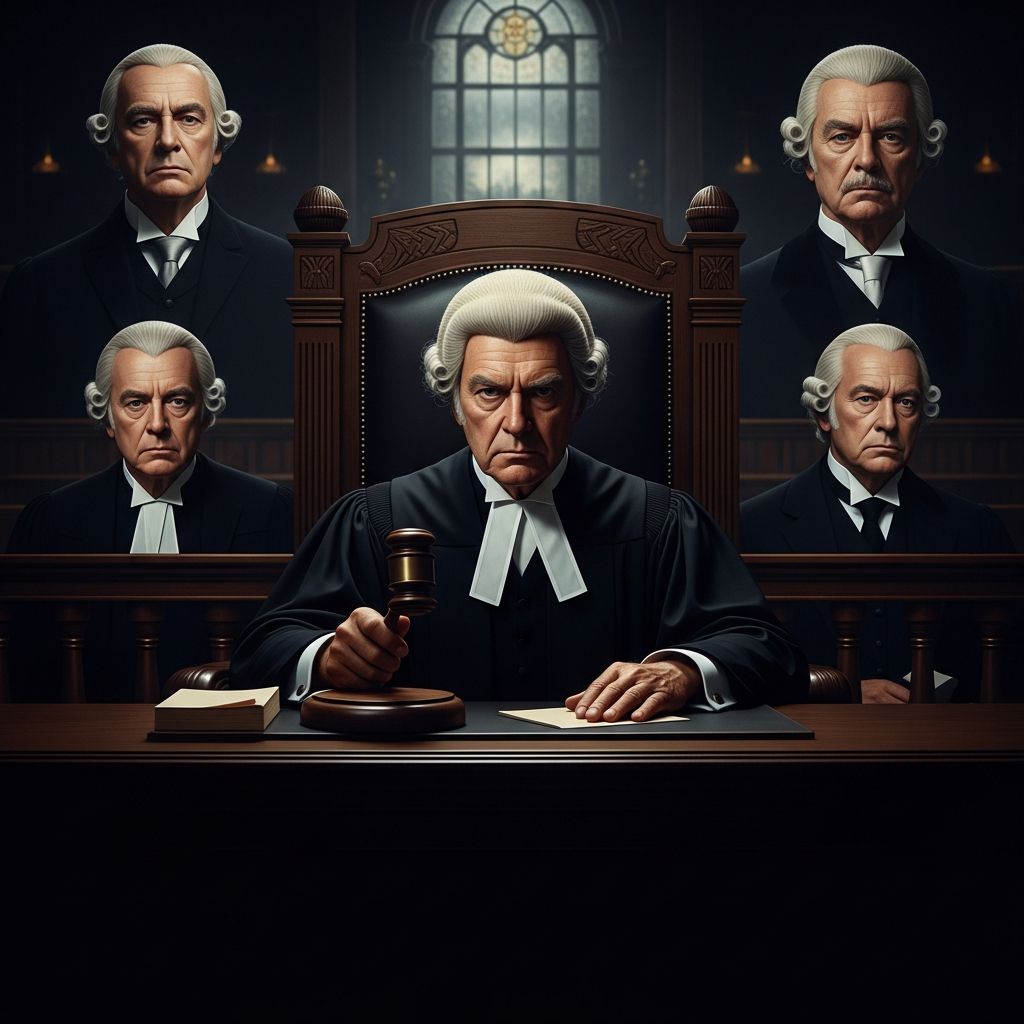
Judges in movies often serve as the moral compass or chaotic force in courtroom dramas, embodying justice, bias, or humor. These characters not only drive plots but also reflect societal views on law and authority, captivating audiences with their gravitas or quirks.
The Pillars of Justice: Honorable Judges in Classic Films
Honorable judges stand as beacons of fairness amid prejudice. In one seminal 1962 adaptation of a Pulitzer Prize-winning novel set in the segregated South, Judge John Taylor emerges as a figure of quiet integrity. Portrayed with stern wisdom, he appoints a principled lawyer to defend an innocent man against overwhelming racial bias, ensuring a modicum of due process in a hostile environment. This decision underscores the judge’s role in mitigating mob justice, highlighting how personal conviction can temper systemic flaws.
Similarly, real-life judicial figures inspire portrayals that emphasize ethical fortitude. Documentaries on trailblazing jurists reveal judges who challenged corporate power and advanced civil rights, mirroring fictional heroes who prioritize truth over popularity. These archetypes remind viewers that justice requires courage against public pressure.
- Fair appointment of counsel: Selecting unbiased lawyers to counter prejudice.
- Maintaining order: Controlling volatile courtrooms to uphold proceedings.
- Moral authority: Acting as story’s unsung ethical anchor.
Comic Relief in the Court: Judges Who Steal the Show
Not all cinematic judges are solemn; some inject levity into legal proceedings. In a 1992 fish-out-of-water comedy, a novice attorney from the urban North faces off against a no-nonsense Southern judge in a murder trial. This irritable magistrate, with his booming voice and patience stretched thin by procedural faux pas, becomes the film’s comedic highlight. His repeated citations for contempt and exasperated rulings amplify the humor while satirizing rigid courtroom etiquette.
Television amplifies this trope with eccentric bench warmers. A long-running sitcom features a whimsical judge who juggles night court chaos with personal eccentricities, turning mundane arraignments into farce. These portrayals humanize the judiciary, showing that even authority figures have quirks, making justice relatable and entertaining.
| Judge Character | Film/TV | Key Trait | Impact on Plot |
|---|---|---|---|
| Chamberlain Haller | My Cousin Vinny (1992) | Irascible and rule-obsessed | Forces lawyer’s growth through contempt threats |
| Harry T. Stone | Night Court (TV) | Whimsical and unconventional | Transforms serious cases into comedy |
Judges as Antagonists: When Authority Corrupts
Some judges embody the dark side of power. In a 2020 dramatization of a notorious 1968 trial, the presiding judge abuses discretion, issuing biased rulings that undermine defendants’ rights. His erratic decisions and contempt for decorum turn the courtroom into a spectacle of injustice, critiquing how authority can stifle dissent.
Another example from a 1999 boxing biopic features a judge who, though briefly on screen, delivers a pivotal ruling overturning a wrongful conviction after years of appeals. Conversely, villainous judges like a cartoonish enforcer in an animated noir pursue ruthless agendas, dipping into caricature to warn against unchecked power.
These antagonistic roles highlight tensions between law and equity, often drawing from historical events to expose flaws in judicial impartiality.
Real-Life Inspirations: From Bench to Blockbuster
Hollywood frequently draws from reality. A 2017 documentary profiles a maverick federal judge who battled industrial polluters, echoing fictional crusaders. Another film traces a Supreme Court justice’s rise, showcasing her strategic dissents that reshaped gender equality law. South African-born jurists who fought apartheid influences provide global perspectives on resilient judging.
Reality TV captures unscripted benches, like traffic courts where judges dispense folksy wisdom, blending authority with approachability. These real portrayals ground cinematic exaggerations, offering authentic insights into judicial life.
Judicial Archetypes and Their Cultural Legacy
Cinematic judges evolve with eras: stern patriarchs in mid-century dramas give way to diverse, nuanced figures today. They influence public perception, sometimes perpetuating myths of flawless justice or corrupt robes. Studies from legal academics note how films shape juror expectations and trust in courts.
From Paul Fix’s understated gravitas to Fred Gwynne’s thunderous comedy, these icons endure. They teach that judging blends intellect, temperament, and humanity, far beyond gavels and robes.
Why Movie Judges Resonate with Audiences
Audiences flock to courtroom tales for high stakes and moral clarity. Judges anchor these narratives, their verdicts delivering catharsis. Iconic lines and mannerisms become cultural touchstones, quoted in real debates.
Lists of top judges often rank these characters for memorable performances, from historical recreations to satirical takes. Their legacy persists in reboots and homages, proving cinema’s power to immortalize justice’s human face.
Frequently Asked Questions (FAQs)
What makes a judge memorable in movies?
Memorable judges combine authority with unique traits—stern fairness, comic irritability, or villainous bias—that drive drama and reveal character depths.
Are movie judges based on real people?
Many draw from history, like Chicago Seven trial recreations or Supreme Court bios, blending fact with fiction for authenticity.
How do comedic judges differ from dramatic ones?
Comedic judges use exaggeration for laughs, like contempt citations in comedies, while dramatic ones underscore serious themes like prejudice or corruption.
Which film has the best courtroom scene?
To Kill a Mockingbird’s trial stands out for its emotional depth and commentary on justice in divided times.
Do films accurately portray judges?
Often dramatized for entertainment, but documentaries and real-court shows offer truer glimpses into judicial realities.
Exploring Further: Must-Watch Judicial Portrayals
Beyond top lists, films like a 1972 Western biography of a self-appointed “law west of the Pecos” showcase rogue justice. A 1960 evolution debate drama pits principled judges against zealotry. These expand the genre, blending history, humor, and heroism.
In total, cinema’s judicial roster numbers dozens, each contributing to a rich tapestry of legal lore. Whether hero, fool, or foe, they remind us: justice is as much performance as principle.
References
- 15 Famous Judges in Movies and TV — Collider. 2023-10-15. https://collider.com/famous-judges-in-movies-and-tv/
- Top 10 Movie Judges — The Critical Movie Critics. 2015-08-20. https://thecriticalcritics.com/lists/top-10-movie-judges/
- Watch these 10 movies & shows featuring real judges — Duke Judicial Studies. 2021-12-01. https://judicialstudies.duke.edu/2021/12/watch-these-10-movies-shows-featuring-real-judges/
- Favorite Movie and Television Judges — ABA Journal. 2022-05-10. https://www.abajournal.com/gallery/favorite_movie_television_judges/
- Our favorite judges from popular culture — Yardbarker. 2023-11-05. https://www.yardbarker.com/entertainment/articles/our_favorite_judges_from_popular_culture/s1__35635010
Similar Articles








Read full bio of medha deb




