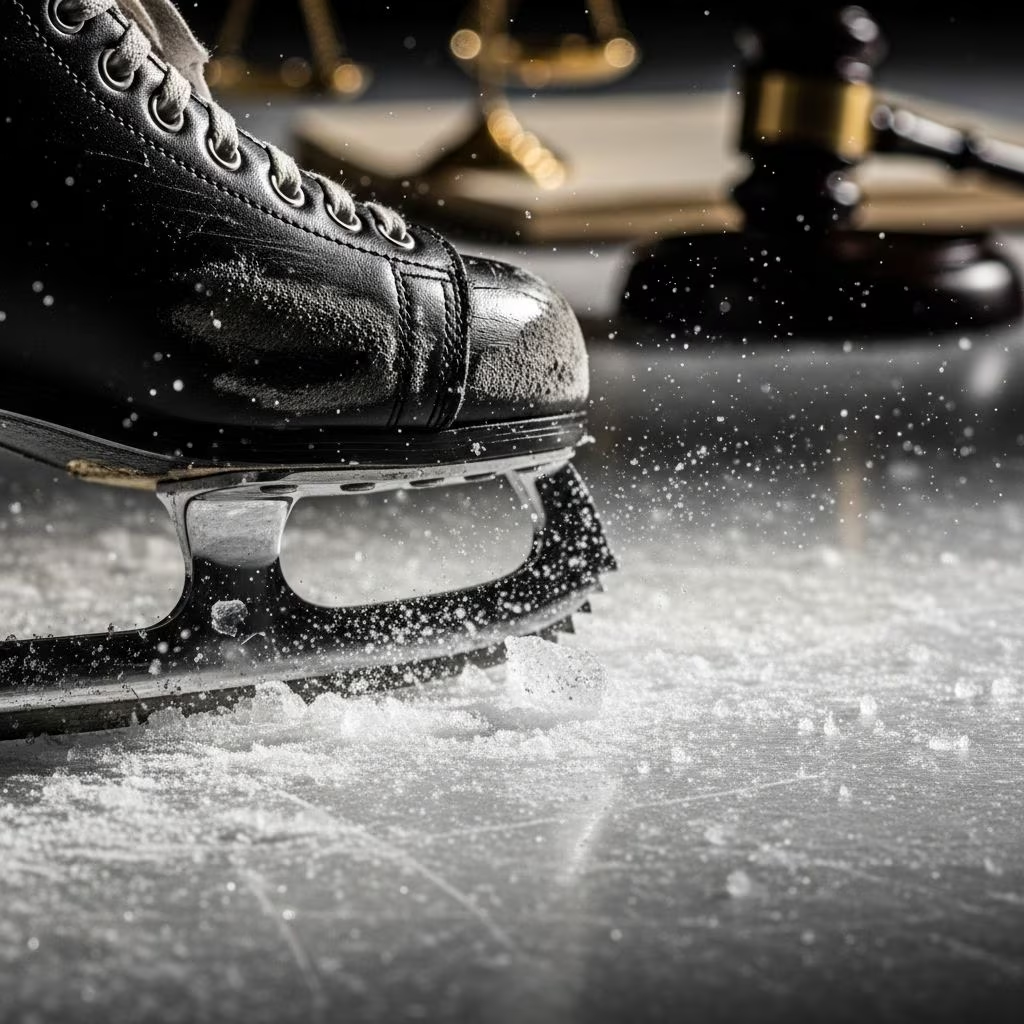
Ice skating offers thrilling enjoyment for millions, yet it carries risks of serious harm from falls, collisions, or unsafe conditions. When injuries occur at rinks, understanding liability principles can determine if victims secure compensation for medical bills, lost income, and suffering.
Common Hazards Leading to Ice Skating Mishaps
Ice rinks present unique dangers beyond normal slips. Uneven ice surfaces, overcrowded sessions, and poor lighting contribute to accidents. Collisions between skaters, especially reckless ones, frequently cause fractures, concussions, and spinal damage. rink operators must proactively manage these threats through regular resurfacing, crowd control, and vigilant supervision.
- Unsafe Ice Conditions: Ruts, soft spots, or debris from skates can trip participants.
- Overcrowding: Too many skaters heighten collision probabilities.
- Inadequate Oversight: Failing to eject disruptive individuals allows hazards to persist.
- Equipment Failures: Faulty rentals or unmaintained barriers add risks.
Statistics from the U.S. Consumer Product Safety Commission indicate thousands of skating-related emergency visits yearly, underscoring the prevalence of these issues.
Establishing Negligence in Rink Injury Cases
To hold a rink accountable, plaintiffs must demonstrate negligence: a duty of care existed, it was breached, causation linked the breach to the injury, and damages resulted. Rinks owe patrons a safe environment, including proper maintenance and supervision.
Proving the operator knew or should have known of dangers is crucial. For instance, prolonged disruptive behavior by skaters provides notice, obligating intervention. Evidence like witness accounts of ignored complaints strengthens claims.
| Element of Negligence | Description | Example Evidence |
|---|---|---|
| Duty of Care | Rink must maintain safe premises | Industry safety standards |
| Breach | Failure to act reasonably | Untreated ice ridges |
| Causation | Breach directly caused harm | Photos of hazard site |
| Damages | Verifiable losses | Medical records, wage statements |
Overcoming the Assumption of Risk Defense
Rinks often invoke “assumption of risk,” arguing participants accept inherent dangers like falls or bumps. Courts typically dismiss cases for ordinary recreational perils, as seen in sports where players consent to contact.
However, this defense falters against reckless conduct or hidden hazards. If disruptive skaters cause multiple falls over 20 minutes without intervention, operators bear responsibility for failing to act. Appellate rulings emphasize that participants do not assume risks from negligence or intentional acts.
- Inherent risks: Normal slips, minor collisions.
- Non-assumed risks: Reckless patrons, poor maintenance.
Impact of Liability Waivers and Releases
Many rinks require signing waivers acknowledging activity risks. These protect against ordinary negligence but not gross negligence, recklessness, or willful misconduct. Courts invalidate waivers shielding egregious failures, like ignoring known dangers.
Review waiver language carefully; broad ones may not cover third-party recklessness or equipment defects. Consult an attorney to assess enforceability in your jurisdiction.
Gathering Critical Evidence Post-Injury
Immediate documentation preserves your case, as ice conditions change rapidly. Capture photos of the hazard, your injuries, and surroundings. Obtain witness contacts detailing events, especially prior incidents or complaints.
- Seek medical attention and secure detailed reports.
- Report the incident to rink management in writing.
- Request security footage promptly.
- Collect rental equipment records if applicable.
- Note staff responses or inaction.
Records of prior complaints reveal notice of recurring issues, bolstering negligence arguments.
Potential Defendants in Skating Injury Claims
Liability extends beyond rink owners. Consider these parties:
- Rink Operators/Owners: Primary for premises issues.
- Staff/Instructors: Negligent guidance or supervision.
- Fellow Skaters: Intentional or reckless acts.
- Equipment Providers: Defective skates or gear.
- Event Organizers: For temporary rinks or public sessions.
Intentional torts against reckless skaters require proving willfulness, knowledge of harm, or extreme recklessness.
Navigating Insurance and Claims Process
Begin by notifying the rink’s insurer. Provide your evidence package but avoid recorded statements without counsel. Negotiations often yield settlements; lawsuits follow if denied.
Compensation covers medical costs, rehabilitation, lost earnings, pain, and sometimes punitive awards for egregious conduct. State laws cap non-economic damages in some cases.
Contributory and Comparative Fault Considerations
Your actions matter. Contributory negligence bars recovery in pure states if you’re partially at fault. Comparative systems reduce awards proportionally. Advanced tricks beyond skill level or ignoring warnings can diminish claims.
Wear proper gear, heed limits, and skate responsibly to minimize defenses.
State-Specific Regulations and Best Practices
Some states enact rink safety laws, like New Jersey’s Roller-Skating Rink Safety Act, mandating signage, maintenance, and supervision. Though not universal for ice, premises liability fills gaps. Research local statutes for advantages.
When to Consult a Personal Injury Attorney
Retain counsel early for complex cases involving waivers, multiple defendants, or disputed fault. Experts negotiate better, access discovery for complaints footage, and litigate if needed. Most work contingency, risking nothing upfront.
Frequently Asked Questions
Can I sue if I signed a waiver at the ice rink?
Waivers bar ordinary claims but not those from gross negligence or recklessness, such as ignored dangerous behavior.
What if another skater intentionally bumped me?
You may pursue an intentional tort against that individual, separate from rink negligence for supervision failures.
How long do I have to file an ice skating injury lawsuit?
Statutes of limitations vary by state, typically 1-3 years; act quickly to preserve evidence.
Does assumption of risk always prevent recovery?
No, it applies only to inherent risks, not operator negligence or extraordinary hazards.
Should I accept the rink’s initial settlement offer?
Rarely; initial offers undervalue claims. An attorney evaluates full damages first.
Preventing Ice Skating Injuries
Operators: Resurface frequently, limit capacity, train staff, install barriers. Skaters: Wear helmets, learn basics, avoid alcohol, report issues. Collective vigilance reduces incidents.
References
- Skate Safe: Exploring Ice Skating Rink Liability — Malloy Law. 2023-12-15. https://www.malloy-law.com/skate-safe-exploring-ice-skating-rink-liability/
- Ice Skating Accidents — The Platta Law Firm. 2024-02-28. https://plattalaw.com/ice-skating-accidents/
- Skating Rink Injuries — The Cochran Firm. 2023-11-10. https://www.cochranfirm.com/philadelphia/skating-rink-injuries/
- Winter Sports Injuries: Understanding Your Legal Rights — Tim Wright Law. 2024-01-05. https://www.timwrightlaw.com/post/winter-sports-injuries-understanding-your-legal-rights
- Who Is Liable At Temporary Ice Rinks? — Law Offices of Joshua Kaplan. 2023-10-20. https://www.kaplanlawpractice.com/who-is-liable-at-temporary-ice-rinks/