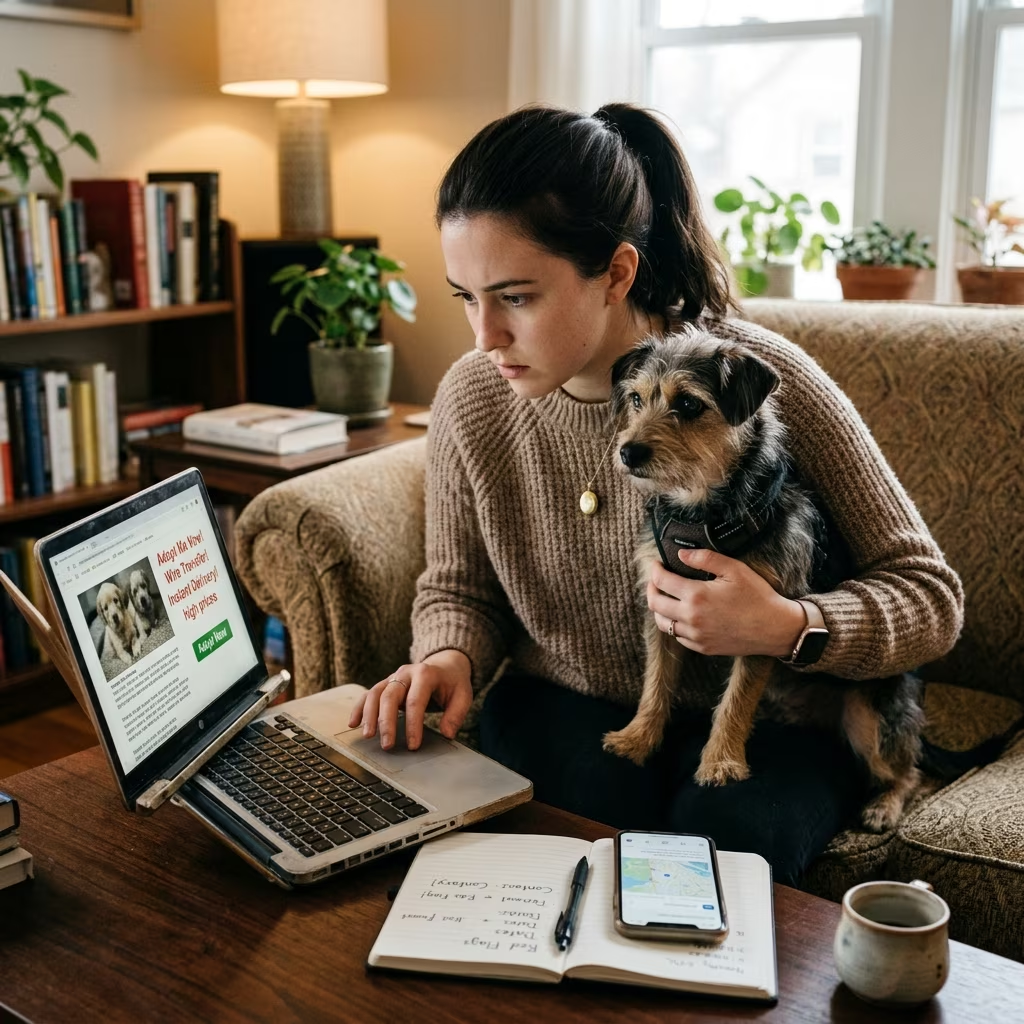
Finding a new pet can be exciting, but that excitement can also make people easier targets for fraud. Scammers know that prospective adopters often act quickly when they see a puppy, kitten, or rescue animal that looks perfect on-screen. They use that emotional pressure to collect deposits, personal information, and payment for animals that may not exist at all.
Pet adoption scams are especially effective because they imitate ordinary rescue listings. A fake posting may look like a local shelter, a private breeder, or a family trying to rehome a beloved pet. The language is often warm and convincing, the photos look authentic, and the request may appear small at first. In many cases, however, the entire listing is designed to get money before the victim realizes anything is wrong.
This article explains how these scams work, what warning signs to watch for, and how to reduce the risk of losing money or personal information when searching for a pet online.
Why pet scams keep working
Pet scams succeed because they exploit urgency, trust, and empathy. Fraudsters understand that people who want a dog or cat may ignore warning signs if the animal seems rare, adorable, or especially well matched to their family. They also know that many people are willing to pay quickly to secure a pet before someone else does.
Another reason these scams continue is that scammers often copy real rescue behavior. Legitimate organizations may ask screening questions, provide adoption requirements, and discuss transport or veterinary needs. A fake listing can imitate those same steps while quietly steering the buyer toward advance payments and offline communication channels that are harder to trace.
Online marketplaces and social media make this easier. A scammer can create a polished profile, post stolen images, and disappear after collecting funds. Because the interaction often happens through messages rather than face-to-face contact, the buyer has fewer ways to verify the story before sending money.
Common warning signs of a fake pet listing
Not every unusual listing is fraudulent, but several patterns should raise concern. If more than one appears at the same time, the risk goes up quickly.
- The seller refuses to meet in person or repeatedly invents reasons why the pet cannot be seen.
- The listing relies on copied photos, generic captions, or images that look like stock pictures.
- The seller pressures you to act immediately or says many other buyers are waiting.
- Payment is requested through wire transfer, prepaid cards, gift cards, or another hard-to-reverse method.
- The seller asks for shipping fees, veterinary costs, registration fees, or insurance before any meeting.
- Communication feels vague, overly scripted, or limited to email or direct messages.
- There is little verifiable information about the breeder, rescue, or animal’s background.
A reputable adoption source should be able to explain where the pet came from, how it has been cared for, and what steps are required before placement. When answers are incomplete or constantly changing, that is a reason to pause.
How fake adoption schemes usually unfold
Although the details vary, many scams follow a similar path. First, the scammer posts a desirable animal with an appealing story. Sometimes the pet is described as a “free home” situation, and sometimes the listing uses a low adoption fee to attract interest. After the victim replies, the scammer begins building trust and requesting information.
Next comes the money request. The fee may be framed as a refundable deposit, transport expense, crate charge, vaccination cost, or release fee. In some cases, the scammer claims the pet is in another state or country and must be shipped. The victim is then asked to pay additional charges before the pet can be delivered.
Once the money is sent, the excuses begin. The animal is said to be stuck with a shipper, held by customs, waiting on veterinary paperwork, or delayed because of a technical error. Each new problem creates another payment request. Victims can lose money in several rounds before realizing the pet never existed.
Safe ways to verify a real adoption opportunity
Careful verification can stop many scams before any money changes hands. The goal is to confirm that the person or organization is real, the animal exists, and the adoption process makes sense.
| Check | Why it matters | What to look for |
|---|---|---|
| In-person meeting | Confirms the pet exists and matches the listing | Seller allows a visit, video call, or shelter appointment |
| Physical location | Shows the operation is traceable | Real address, working phone number, and identifiable facility |
| Online search | Reveals copied text or complaints | Reviews, scam reports, or duplicated wording elsewhere |
| Payment method | Limits loss if fraud occurs | Traceable methods with dispute rights, not wire or gift cards |
| Documents | Supports legitimacy and animal welfare | Vaccination records, adoption contract, and basic health history |
It also helps to compare the listing against public information from local shelters, rescue groups, or breed-specific organizations. If the seller claims to represent a well-known group, contact that organization through independently found contact details rather than replying only through the message thread.
Why “free” pets are not always free
One of the most effective scam hooks is the promise of a pet that supposedly needs a home immediately. The idea sounds generous, but it can hide a range of false charges. A scammer may say the animal is free, then demand money for transport, medical treatment, crates, or emergency boarding.
That tactic works because the victim feels they are helping an animal in need. But genuine rehoming situations still leave a paper trail. A responsible adopter should be able to identify who currently owns the pet, why it is being placed, and what safeguards are in place. If the only thing the seller knows how to do is collect fees, the listing is suspicious.
Free offers also create emotional leverage. Once a person believes the pet is already theirs, they may feel committed to paying whatever is asked to complete the process. Scammers use that commitment to keep the money flowing.
Why shipping claims deserve extra caution
Shipping is another major red flag. While some legitimate animal transfers do occur, scammers often use transport as a way to explain why the buyer cannot inspect the pet first. They may claim the animal is overseas, in a distant state, or temporarily located with a shipper.
When a shipper is involved, ask for the company name, the exact contact details, and confirmation that the organization really exists. Then verify the information independently. If the seller gives you a vague answer or tells you not to contact the shipper directly, that is a strong warning sign.
Be especially careful if the payment request is tied to a deadline. Fraudsters often say the pet will be released as soon as one more fee is paid. The point is to make you act quickly before you have time to verify the details.
How to protect your money and personal information
Financial safety matters just as much as animal welfare. If you are asked to pay by wire transfer, prepaid card, or another method that offers little consumer protection, stop and reassess. These payment channels are common in fraud because they are difficult to trace or reverse once the funds leave your account.
Limit the amount of personal information you share before verifying the seller. A scammer may ask for your address, phone number, email, or even copies of identity documents under the pretense of screening. A legitimate shelter may request some information, but it should explain why the information is needed and how it will be protected.
If possible, use payment methods that offer dispute rights or fraud protections. Keep screenshots, messages, receipts, and profile details in case you need to report the listing later.
Questions to ask before adopting
Asking direct questions can reveal whether a seller or rescue is credible. A legitimate party should answer clearly and consistently.
- Where is the pet currently located?
- Can I meet the pet before paying anything?
- What vaccinations, vet checks, or treatments has the pet received?
- What is the full adoption fee, and what does it cover?
- Can I see the adoption agreement before I commit?
- What is your organization’s legal name and physical address?
- Can I speak with someone else involved in the adoption process?
Detailed answers are not a guarantee of legitimacy, but evasive or contradictory responses are a warning. Trustworthy rescues generally understand that careful adopters ask questions.
Safer alternatives to random online listings
If your goal is to adopt a pet responsibly, the safest route is usually a local shelter, established rescue, or breed-specific organization with a verifiable reputation. These groups often provide health checks, spay or neuter status, and guidance on the animal’s behavior or needs.
Working through a local organization also gives you more opportunities to meet the pet in person and ask follow-up questions. That face-to-face interaction makes it much harder for a scammer to hide behind a fake profile or stolen photograph.
In addition, local shelters often have adoption counselors who can help match you with a pet that fits your home, schedule, and experience level. That support can prevent rushed decisions that later lead to dissatisfaction or rehoming.
What to do if you think you were targeted
If something feels wrong, stop all payments and preserve every message, image, receipt, and account name connected to the listing. Do not continue arguing with the seller or promising to pay later. The main goal is to prevent further loss and keep evidence intact.
Contact your bank or card issuer right away if you sent money. If you shared personal information, consider placing fraud alerts where appropriate and monitor your accounts for suspicious activity. You should also report the scam to consumer protection authorities and, when relevant, to the platform where the ad or profile appeared.
Even if no money was lost, reporting the listing can help prevent other people from falling for the same scheme. Scam operations often recycle the same photos and wording across multiple accounts, so one report can be more useful than it seems at first.
FAQs
How can I tell if a pet rescue is real?
Look for a physical address, working contact details, clear adoption rules, and the ability to meet the animal or confirm its location. A real rescue should not rely only on pressure, vague claims, or unusual payment methods.
Are all out-of-state pet adoptions scams?
No, but distance makes fraud more common because the buyer cannot easily verify the animal before paying. Extra care is needed if shipping, advance deposits, or third-party transport are involved.
What is the biggest red flag in a pet adoption listing?
Any request for payment before you can verify the animal in person is a major warning sign. That risk grows if the seller also refuses independent contact, uses copied photos, or keeps adding new fees.
Can legitimate rescues ask for fees?
Yes. Real rescues often charge adoption fees to cover medical care, vaccinations, or routine administrative costs. The key difference is transparency: a legitimate group should explain the fee clearly and offer documentation.
What should I do if I already sent money?
Contact your payment provider immediately, save all records, and report the incident to the relevant consumer protection channels. The faster you act, the better your chances of limiting additional loss.
Practical habits that reduce risk
A careful adopter does not need to become suspicious of every listing. Instead, the best defense is a routine of verification. Search for the seller’s name, compare photos, confirm contact details independently, and never let excitement replace basic checks.
Slow decisions are safer decisions. If the adoption is genuine, the seller should understand why you want to verify information before paying. If they become impatient, evasive, or pushy, that behavior itself may be the clearest answer.
Adopting a pet should be a happy process, not a race through hidden charges and rushed promises. With patience and verification, you can focus on finding a companion while avoiding the people who use animal adoption as a cover for fraud.
References
- Pet Adoption Scams — Fraud.org. 2025-01-01. https://fraud.org/pet_scam_alert/
- Internet Scams — Centers for Disease Control and Prevention (CDC). 2024-01-01. https://archive.cdc.gov/www_cdc_gov/importation/internet-scams.html
- Beware: Online Pet Adoption Scams — National Consumers League. 2025-01-01. https://nclnet.org/puppy_scams/
- All You Need to Know About Pet Adoption Scams — High Point Federal Credit Union. 2024-01-01. https://www.highpointfcu.com/all-you-need-to-know-about-pet-adoption-scams/